IN
IN₹
Apparel & Fashion
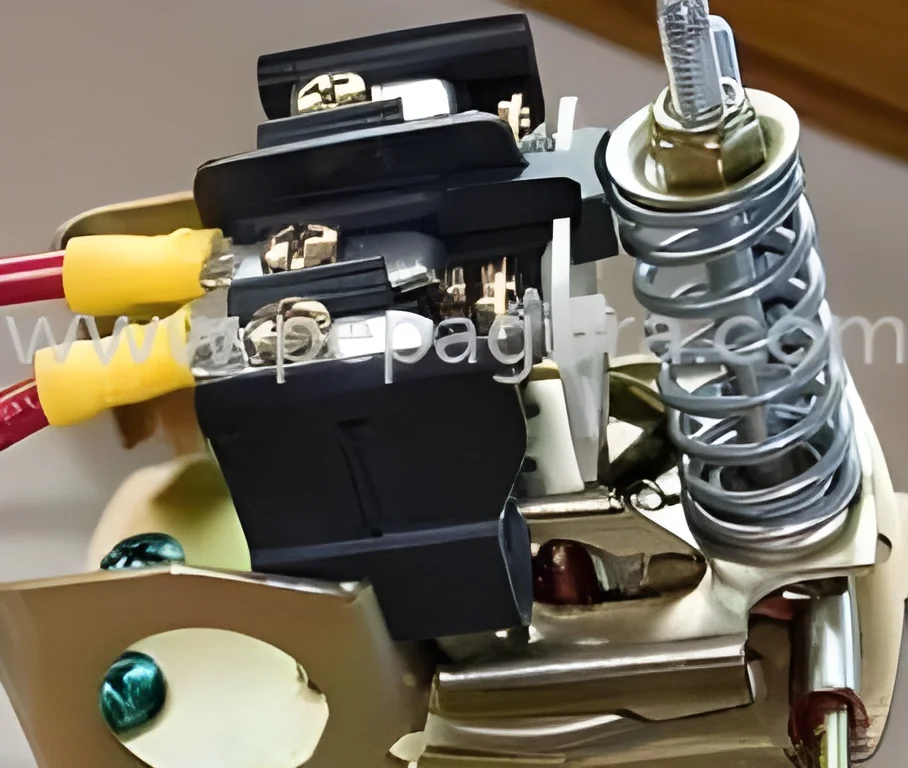
Description
Our professional pressure switch inspection services provide independent technical verification for industrial equipment requiring precise pressure control. We conduct thorough assessments that validate switch functionality, calibration accuracy, and compliance with specified operating parameters. Each inspection follows standardized protocols to ensure consistent quality evaluation, with detailed reporting that documents performance metrics and identifies potential issues before equipment deployment. This approach delivers reliable third-party validation that supports informed decision-making for equipment procurement and maintenance.

These inspection services serve critical roles across multiple industrial sectors where pressure switch reliability directly impacts operational safety and efficiency. Manufacturing facilities utilize our verification for production equipment safety systems, while energy sector operations depend on our assessments for compliance with stringent safety re...
Our professional pressure switch inspection services provide independent technical verification for industrial equipment requiring precise pressure control. We conduct thorough assessments that validate switch functionality, calibration accuracy, and compliance with specified operating parameters. Each inspection follows standardized protocols to ensure consistent quality evaluation, with detailed reporting that documents performance metrics and identifies potential issues before equipment deployment. This approach delivers reliable third-party validation that supports informed decision-making for equipment procurement and maintenance.

These inspection services serve critical roles across multiple industrial sectors where pressure switch reliability directly impacts operational safety and efficiency. Manufacturing facilities utilize our verification for production equipment safety systems, while energy sector operations depend on our assessments for compliance with stringent safety regulations. HVAC systems benefit from our performance validation ensuring climate control reliability, and water treatment operations rely on our inspections to maintain pumping system integrity. The automotive and aerospace industries trust our quality verification for component safety and performance assurance in their manufacturing processes.

Our inspection methodology delivers significant business value by identifying potential equipment issues before they cause operational disruptions or safety incidents. The independent verification we provide helps organizations reduce maintenance costs, extend equipment lifespan, and maintain regulatory compliance across all applications. This proactive approach to quality assurance builds supply chain confidence and supports long-term operational reliability for businesses that depend on pressure-sensitive equipment in their daily operations.

Key Features:
- Comprehensive technical inspection protocols covering operational parameters
- Independent third-party assessment ensuring objective quality evaluation
- Standardized testing procedures aligned with industry requirements
- Detailed documentation including performance metrics and compliance status
- Safety and regulatory compliance verification for industrial standards

Benefits:
- Reduced operational risks through early issue identification
- Enhanced equipment reliability and extended service life
- Compliance assurance with industry regulations and standards
- Informed decision-making supported by technical documentation
- Supply chain confidence through verified quality assurance
Specifications
| Additional Information | |
|---|---|
| Country of Origin | India |
Application
Our industrial pressure switch inspection services deliver critical safety verification for equipment operating under pressure conditions. These technical assessments validate switch performance, calibration accuracy, and compliance with industry standards before integration into operational systems. The inspection process includes functional testing, specification verification, and safety compliance checks that prevent equipment failures and ensure reliable performance in demanding environments.
Industries relying on pressure-sensitive equipment benefit from our comprehensive inspection protocols. Manufacturing plants, energy facilities, and processing operations use our services to maintain system integrity and prevent costly downtime. Our verification process supports quality assurance programs and helps organizations meet regulatory requirements while ensuring operational safety across diverse industrial applications.
- Manufacturing plant equipment safety verification and maintenance protocols
- Oil and gas industry pressure system compliance and safety audits
- HVAC and refrigeration control unit performance validation testing
- Water treatment facility pumping system pressure switch assessments
- Automotive and aerospace component quality assurance and testing
Trade Details
| Available Stock | In Stock |
| Sample Availability | No |
Payment Terms
| Payment Terms |
|
Company Profile
Controls & Automation Inspection Services, Maharashtra
 Maharashtra, India
Maharashtra, IndiaServices & Support•Manufacturer•Distributor / Wholesaler•Importer / Exporter
Factory Details
Factory SizeBelow 1000 sqm
Annual Production Capacity0
Main Markets
Domestic
Industrial Pressure Switch Inspection Services For Safety And Compliance
Professional pressure switch inspection services ensure safety compliance and reliability for industrial equipment. Third-party technical verification reduces operational risks and maintains quality standards across manufacturing and processing applications.
Min. Order Quantity: 1 unit
Shipping
Shipping fee and delivery date to be negotiated. Contact supplier now for more details.
Controls & Automation Inspection Services
 Maharashtra, India
Maharashtra, IndiaServices & SupportManufacturer