IN
₹
Apparel & Fashion
Description
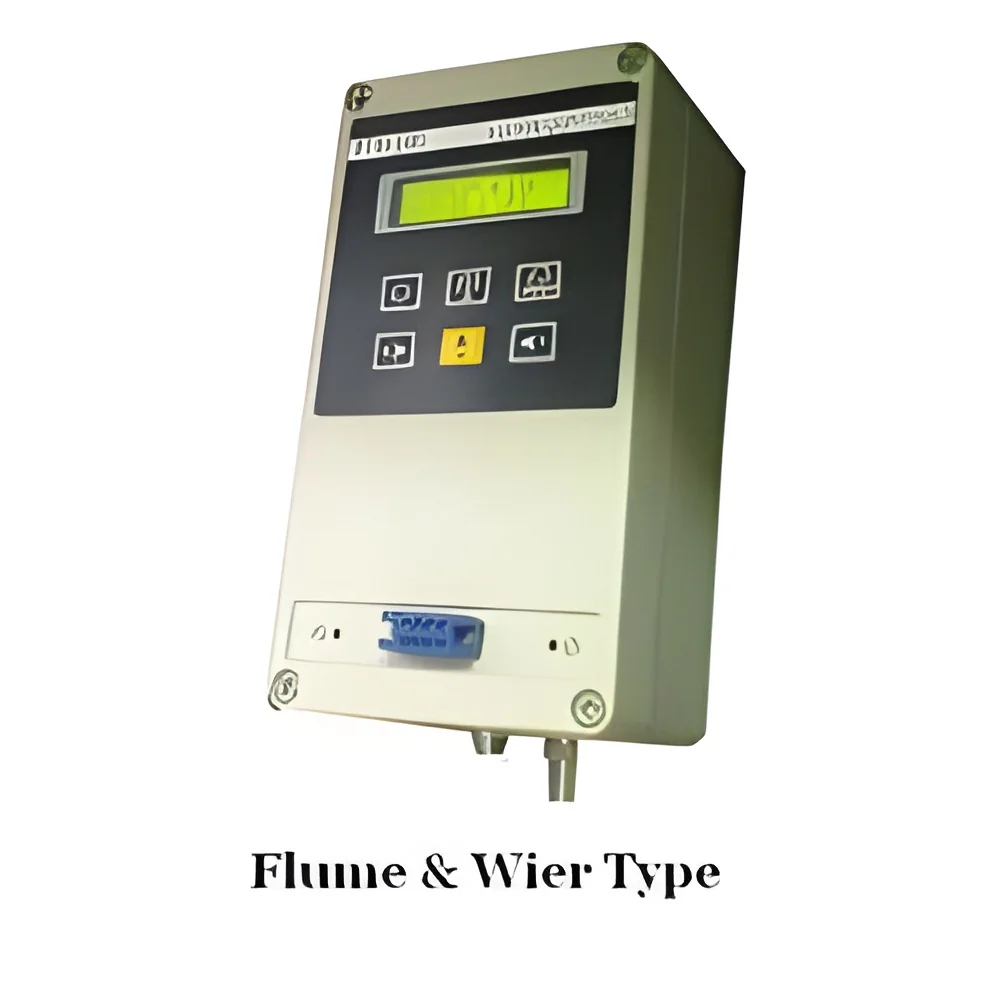
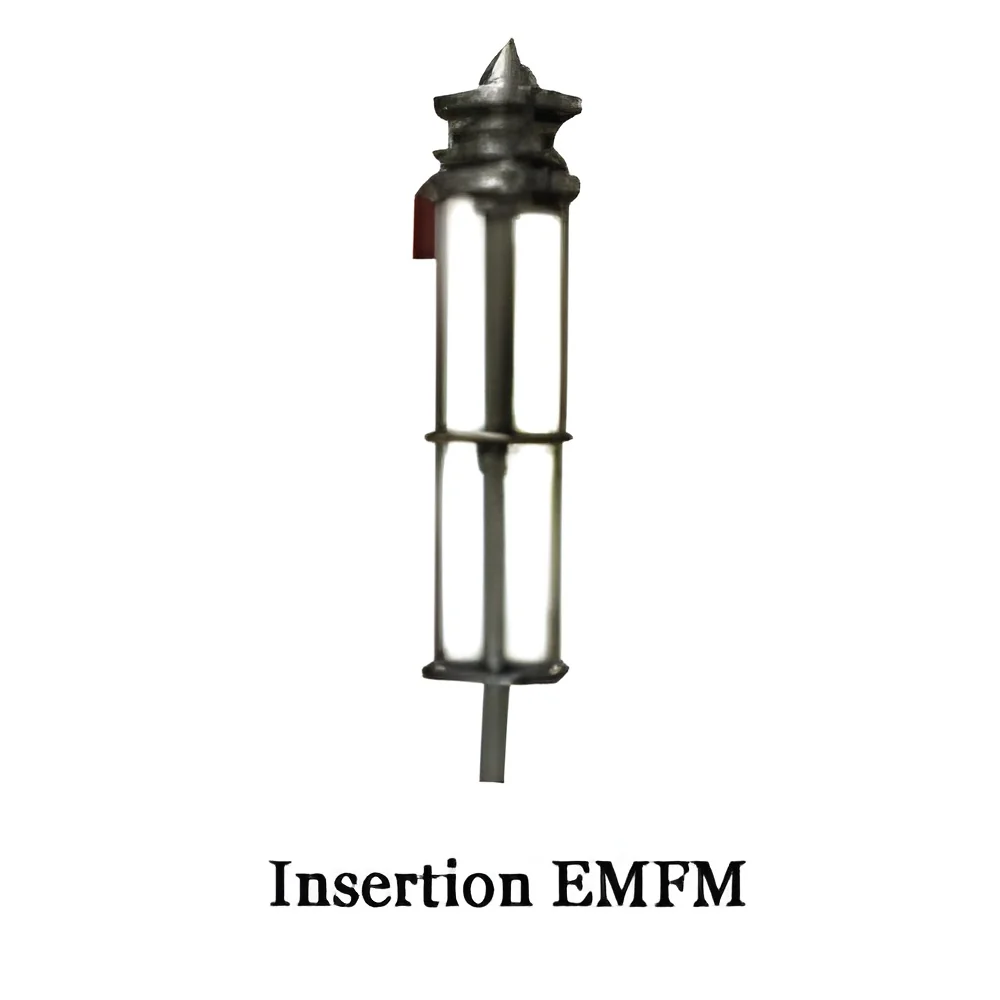
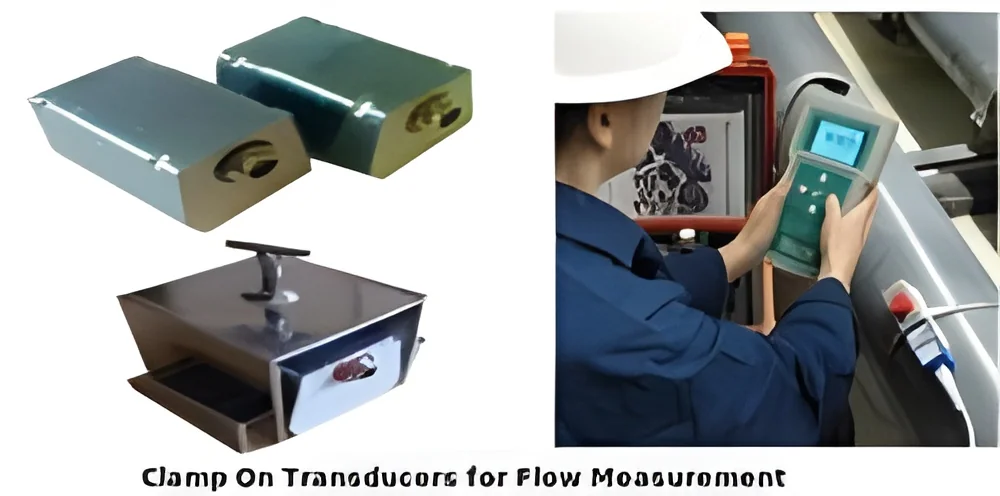
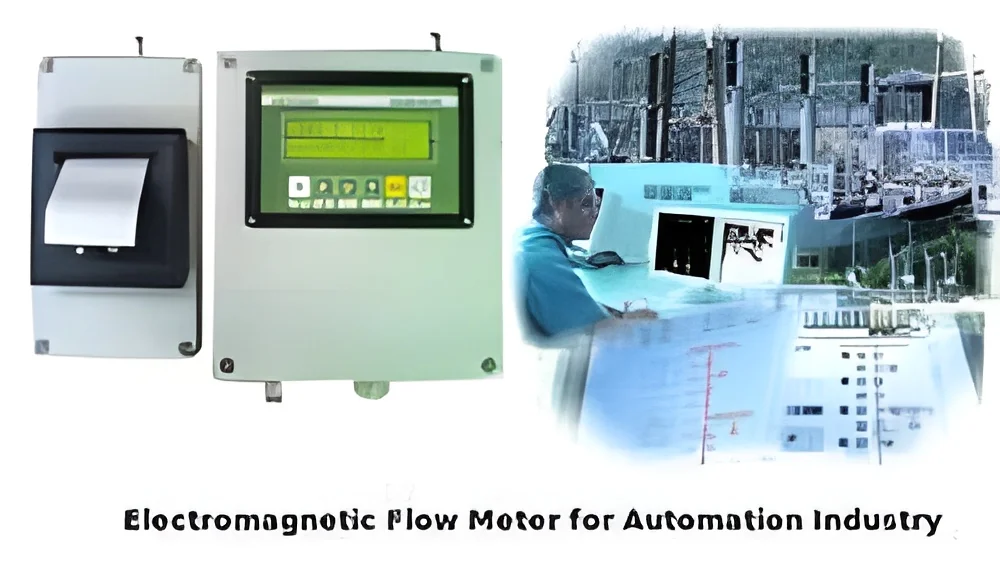
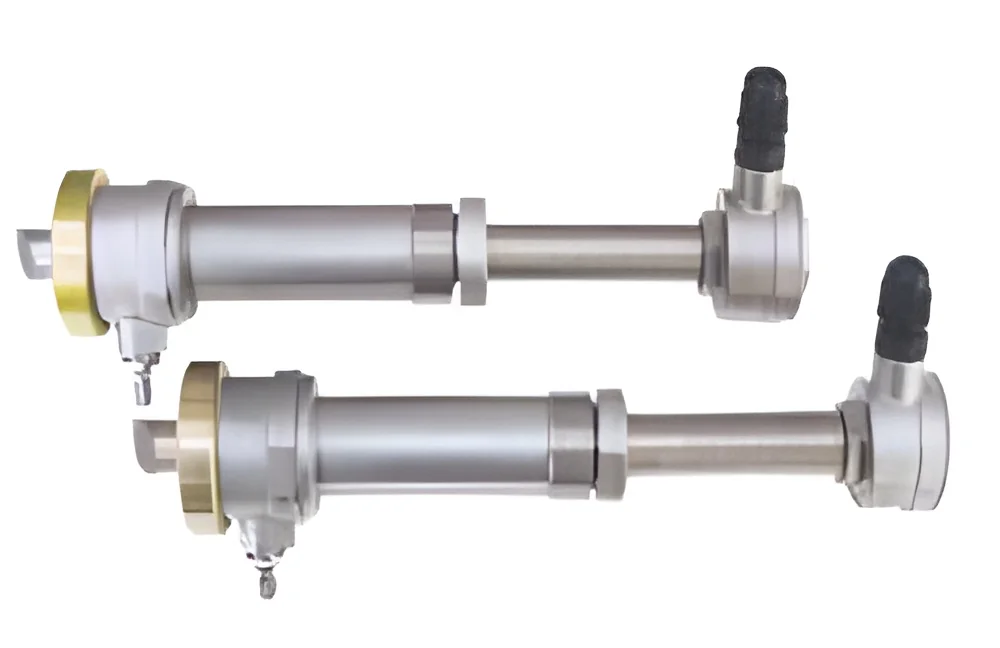
Industrial hot tap insertion flow transducers represent a significant advancement in continuous process monitoring technology. These precision instruments are specifically designed for installation into active pipelines without requiring system shutdowns, pipe drainage, or process interruption. Utilizing a specialized hot tap procedure, they can be seamlessly integrated into concrete, HDPE, and other pipe materials, providing immediate and accurate flow measurement from the moment of installation. This capability is crucial for industries where operational continuity directly impacts productivity, safety, and cost-efficiency. The transducers deliver reliable data on liquid and gas flows, supporting informed decision-making and process optimization while maintaining the integrity of the pipeline system.

These flow measurement solutions serve vital roles across a diverse range of sectors. Water and wastewater treatment facilities rely on them for monitoring distribution networks, detect...
Industrial hot tap insertion flow transducers represent a significant advancement in continuous process monitoring technology. These precision instruments are specifically designed for installation into active pipelines without requiring system shutdowns, pipe drainage, or process interruption. Utilizing a specialized hot tap procedure, they can be seamlessly integrated into concrete, HDPE, and other pipe materials, providing immediate and accurate flow measurement from the moment of installation. This capability is crucial for industries where operational continuity directly impacts productivity, safety, and cost-efficiency. The transducers deliver reliable data on liquid and gas flows, supporting informed decision-making and process optimization while maintaining the integrity of the pipeline system.

These flow measurement solutions serve vital roles across a diverse range of sectors. Water and wastewater treatment facilities rely on them for monitoring distribution networks, detecting leaks, and measuring treatment plant flows without disrupting public services. Chemical and pharmaceutical plants utilize them to monitor raw material, intermediate, and product flows during continuous manufacturing processes. In industrial manufacturing, they track coolant, lubricant, and process water usage. They are equally valuable in energy sector pipelines, HVAC systems for large buildings, agricultural irrigation networks, and food & beverage production lines—anywhere uninterrupted operation is essential and flow data is critical for efficiency and compliance.

The business value of these transducers is rooted in operational reliability and cost avoidance. By eliminating the need for shutdowns during installation or maintenance, they prevent substantial production losses and revenue interruption. Their robust construction and accurate measurement reduce long-term operational costs through minimal calibration needs and consistent performance. The availability of customization options for mounting saddles and specifications ensures a perfect fit with existing infrastructure, enhancing system longevity and measurement accuracy. This combination of non-disruptive installation, reliable operation, and adaptability makes them not just measurement tools, but strategic assets that enhance operational resilience, support data-driven management, and protect against downtime-related financial risks.

Key Features:
- Hot tap installation capability enabling sensor placement without system shutdown or process interruption.
- Compatibility with concrete, HDPE, steel, and PVC pipes using specialized, secure saddle mounts.
- Robust, durable construction designed for long-term reliability in demanding industrial environments.
- Accurate and consistent flow measurement for both liquids and gases across various process conditions.
- Versatile design suitable for a wide range of pipe diameters and pressure/temperature ranges.

Benefits:
- Eliminates costly production downtime and revenue loss associated with system shutdowns for installation.
- Provides immediate, accurate flow data from the moment of installation for better process control.
- Reduces long-term operational costs through reliable performance and minimal maintenance requirements.
- Enhances safety by allowing flow monitoring to be added to live systems without process disruption.
- Offers flexibility for system upgrades, retrofits, and expansion with minimal operational impact.
Specifications
| Additional Information | |
|---|---|
| Country of Origin | India |
Application
These insertion flow transducers are engineered for industries where process continuity is critical and shutdowns are prohibitively expensive. They provide accurate, real-time flow data for liquids and gases in active pipelines, making them essential for water distribution, chemical processing, and industrial manufacturing. The hot tap installation method allows for seamless integration into existing systems, eliminating production losses and operational downtime during sensor deployment.
Versatile across various pipe materials including concrete, HDPE, steel, and PVC, these transducers adapt to different pipe diameters and pressure ranges with specialized saddle mounting options. Their robust design ensures reliable performance in demanding environments, from municipal water networks to harsh industrial processing plants. This flexibility makes them suitable for retrofitting older systems or expanding monitoring capabilities in live pipelines without compromising measurement accuracy or system integrity.
- Continuous flow monitoring in municipal water distribution networks to maintain supply without service interruption.
- Wastewater treatment plant influent and effluent measurement during ongoing treatment operations.
- Chemical processing lines requiring permanent, real-time flow data for process control and safety.
- Industrial coolant and process water systems in manufacturing facilities to optimize resource use.
- Pipeline networks for leak detection and flow analysis without disrupting normal operations.
Trade Details
| Available Stock | In Stock |
| Sample Availability | No |
Payment Terms
| Payment Terms |
|
Company Profile
Acorn Controls, Maharashtra
 Maharashtra, India
Industrial Equipment & Machinery•Manufacturer•Distributor / Wholesaler•Importer / Exporter
Factory Details
Factory SizeBelow 1000 sqm
Annual Production Capacity0
Industrial Hot Tap Insertion Flow Transducers For Continuous Process
Industrial hot tap insertion flow transducers from [Brand/Manufacturer] enable continuous flow measurement in concrete and HDPE pipes without shutdown. Ideal for water, wastewater, and chemical process applications requiring reliable, non-disruptive installation.
Min. Order Quantity: 1 unit
Shipping
Shipping fee and delivery date to be negotiated. Contact supplier now for more details.
Acorn Controls
 Maharashtra, India
Industrial Equipment & MachineryManufacturer