IN
IN₹
Apparel & Fashion
Loading subcategories...
View More
Description
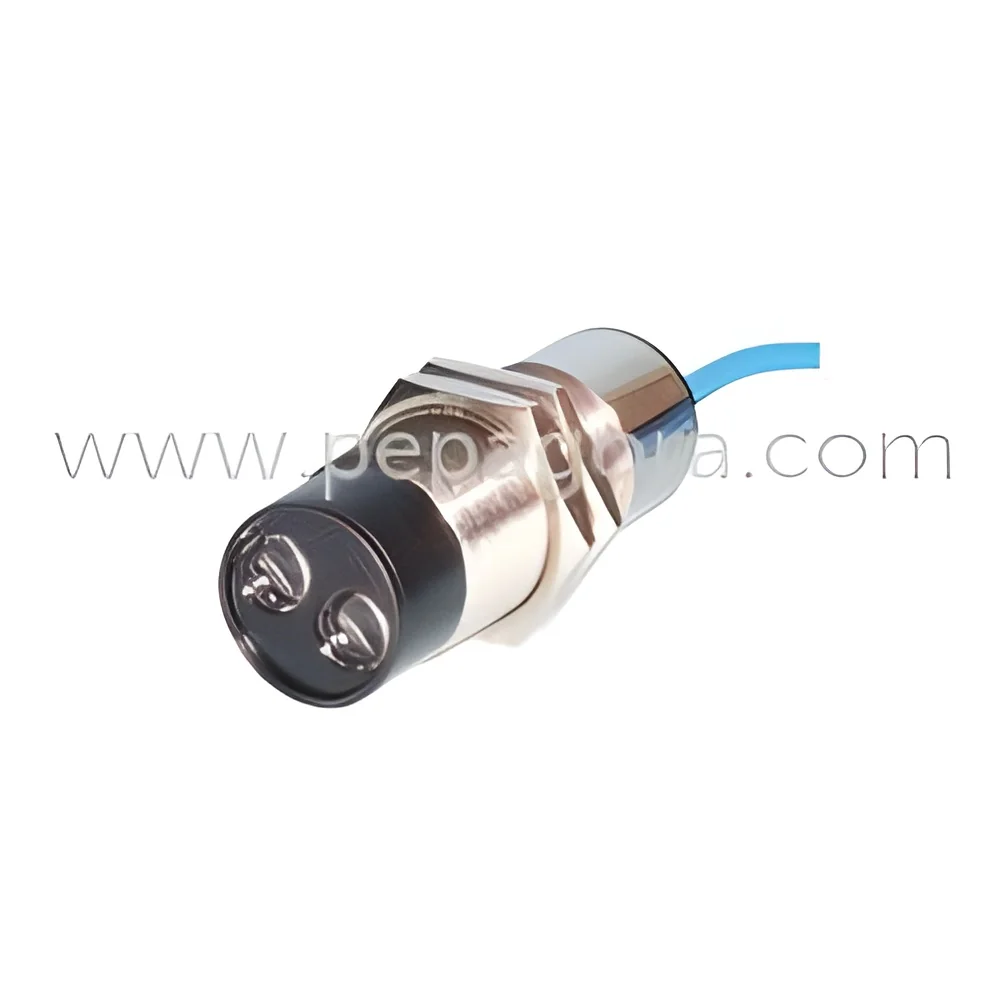
Industrial Automation Infrared Photoelectric Sensors represent advanced non-contact detection technology designed for modern industrial applications. These sensors utilize infrared beam transmission and reception principles to accurately identify objects without physical contact, ensuring reliable performance in demanding automation environments. The transmitter emits a focused infrared beam that either reflects from objects or gets interrupted, enabling precise detection of presence, absence, or positional changes. This technology provides consistent, accurate readings that form the foundation of efficient automated systems across numerous industries. The robust construction and advanced optical components ensure dependable operation while minimizing false triggers and maintaining detection accuracy even in challenging conditions.

These sensors serve critical functions across multiple industrial sectors where reliable object detection is essential for operational efficiency. In pharm...
Industrial Automation Infrared Photoelectric Sensors represent advanced non-contact detection technology designed for modern industrial applications. These sensors utilize infrared beam transmission and reception principles to accurately identify objects without physical contact, ensuring reliable performance in demanding automation environments. The transmitter emits a focused infrared beam that either reflects from objects or gets interrupted, enabling precise detection of presence, absence, or positional changes. This technology provides consistent, accurate readings that form the foundation of efficient automated systems across numerous industries. The robust construction and advanced optical components ensure dependable operation while minimizing false triggers and maintaining detection accuracy even in challenging conditions.

These sensors serve critical functions across multiple industrial sectors where reliable object detection is essential for operational efficiency. In pharmaceutical manufacturing, they ensure precise packaging verification and labeling accuracy. Packaging facilities utilize them for conveyor line detection, product counting, and seal integrity confirmation. Food processing plants rely on these sensors for production line monitoring while maintaining hygiene standards. Automotive manufacturers integrate them into assembly processes for component verification and quality control. Additional applications include textile machinery operation, chemical processing monitoring, and security system integration where non-contact detection provides safety and efficiency advantages in diverse environmental conditions.

The business value of infrared photoelectric sensors lies in their proven reliability, operational efficiency improvements, and cost reduction capabilities. By eliminating physical contact during detection, these sensors significantly reduce mechanical wear and maintenance requirements, extending equipment lifespan and minimizing downtime. Their precise detection capabilities prevent production errors and enhance product quality consistency. Businesses achieve higher production throughput with reduced manual intervention while maintaining stringent safety standards through real-time obstacle detection and malfunction prevention. The sensors' adaptability to various industrial environments and integration capabilities make them a cost-effective automation solution that delivers long-term operational benefits and competitive advantages.

Key Features:
- Non-contact infrared beam technology for accurate object detection without physical interaction
- Robust construction suitable for demanding industrial environments including dust and moisture
- High precision sensing capabilities with rapid response times for high-speed automation
- Consistent performance across varying temperature conditions and lighting environments
- Long operational lifespan with minimal maintenance requirements for reduced downtime

Benefits:
- Enhanced production efficiency through reliable non-contact object detection and positioning
- Reduced maintenance costs and extended equipment life by eliminating mechanical wear
- Improved product quality and consistency through precise detection and verification
- Increased operational safety by detecting obstacles and preventing machinery collisions
- Versatile integration capabilities across multiple industrial applications and systems
Specifications
| Additional Information | |
|---|---|
| Country of Origin | India |
| Customisable | No |
Application
Infrared photoelectric sensors deliver precise non-contact detection capabilities essential for modern industrial automation systems. These robust sensors utilize infrared beam technology to identify object presence, position, and movement across production lines while maintaining consistent performance in challenging environments including dust, moisture, and temperature variations. Their reliable operation ensures minimal downtime and reduced manual intervention requirements across diverse industrial settings.
Multiple industries depend on these sensors for critical detection tasks that maintain operational efficiency and product quality. From packaging lines to pharmaceutical manufacturing, these devices provide the accuracy needed for high-speed automation while ensuring safety compliance. The non-contact detection method eliminates mechanical wear, extending service life and reducing maintenance costs. Businesses benefit from enhanced production throughput and improved quality control measures through seamless integration with existing machinery and automated processes.
- Detecting products on conveyor systems in packaging facilities to activate sorting and counting operations
- Verifying component positioning in automotive assembly lines for quality assurance and precision manufacturing
- Monitoring container fill levels in pharmaceutical and food processing plants to prevent overfills or shortages
- Enhancing machinery safety by detecting obstructions or unauthorized access in automated production areas
- Confirming package presence and seal integrity in form/fill/seal equipment to maintain production standards
Trade Details
| Available Stock | In Stock |
| Sample Availability | No |
Payment Terms
| Payment Terms |
|
Company Profile
Basra Electro Traders, Punjab
 Punjab, India
Punjab, IndiaElectronics & Electrical•Trading Company•Distributor / Wholesaler•Importer / Exporter
Factory Details
Factory SizeBelow 1000 sqm
Annual Production Capacity0
Industrial Automation Infrared Photoelectric Sensor For Object Detection
Industrial Automation Infrared Photoelectric Sensor provides reliable non-contact object detection for packaging, pharmaceutical, food processing and industrial safety applications with high precision performance.
Min. Order Quantity: 1 unit
Shipping
Shipping fee and delivery date to be negotiated. Contact supplier now for more details.
Basra Electro Traders
 Punjab, India
Punjab, IndiaElectronics & ElectricalTrading Company