IN
IN₹
Apparel & Fashion
Description
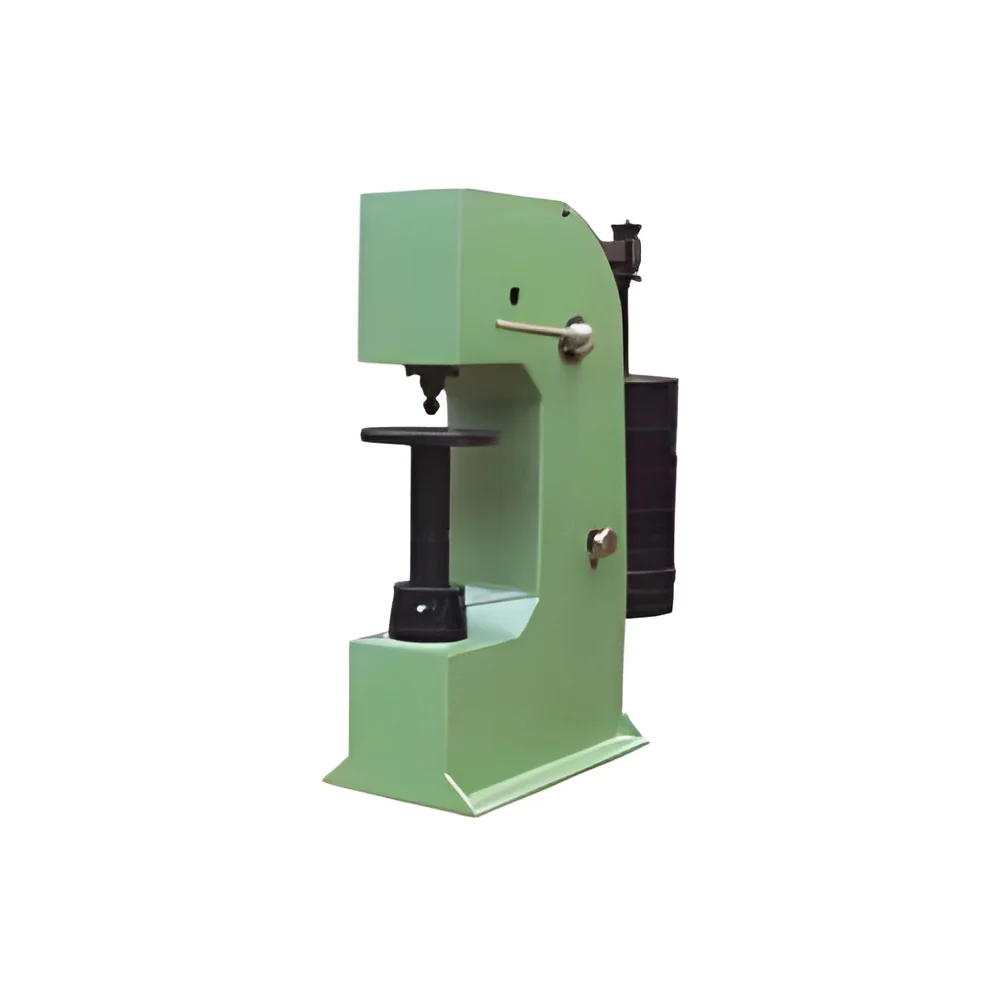
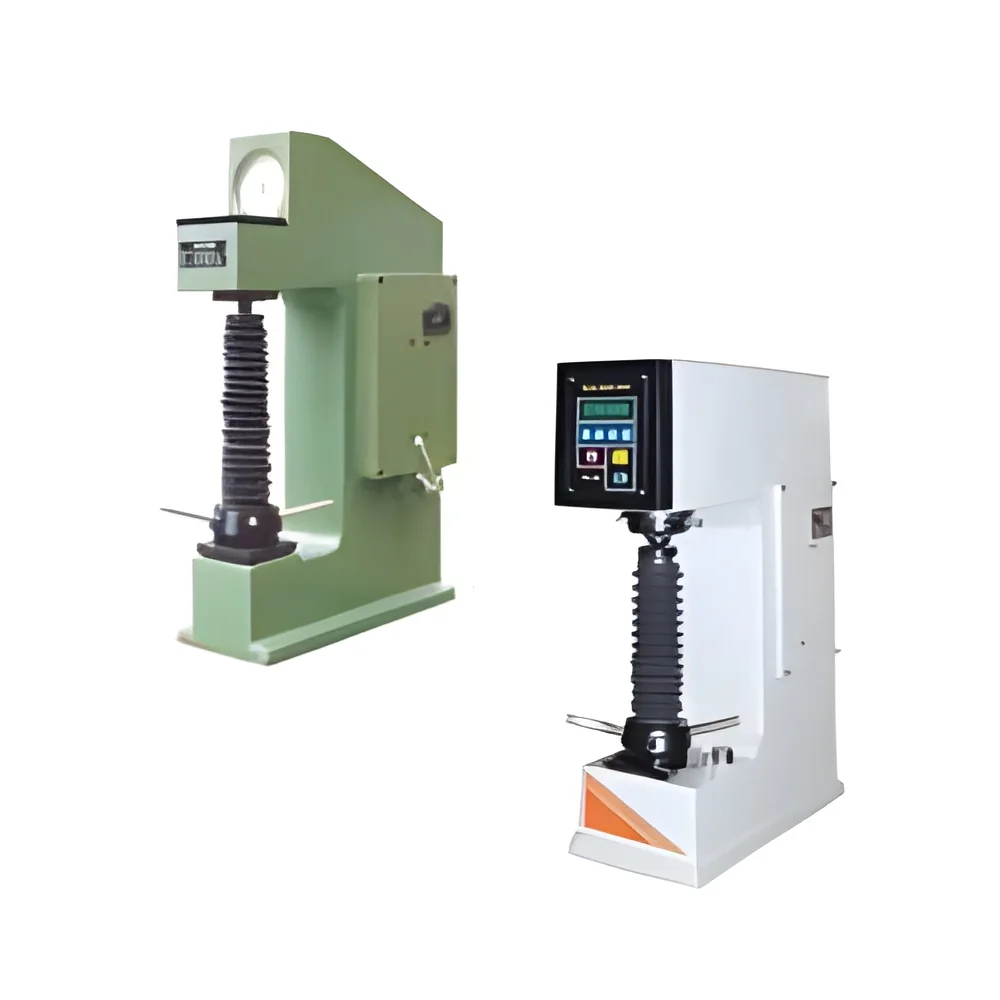
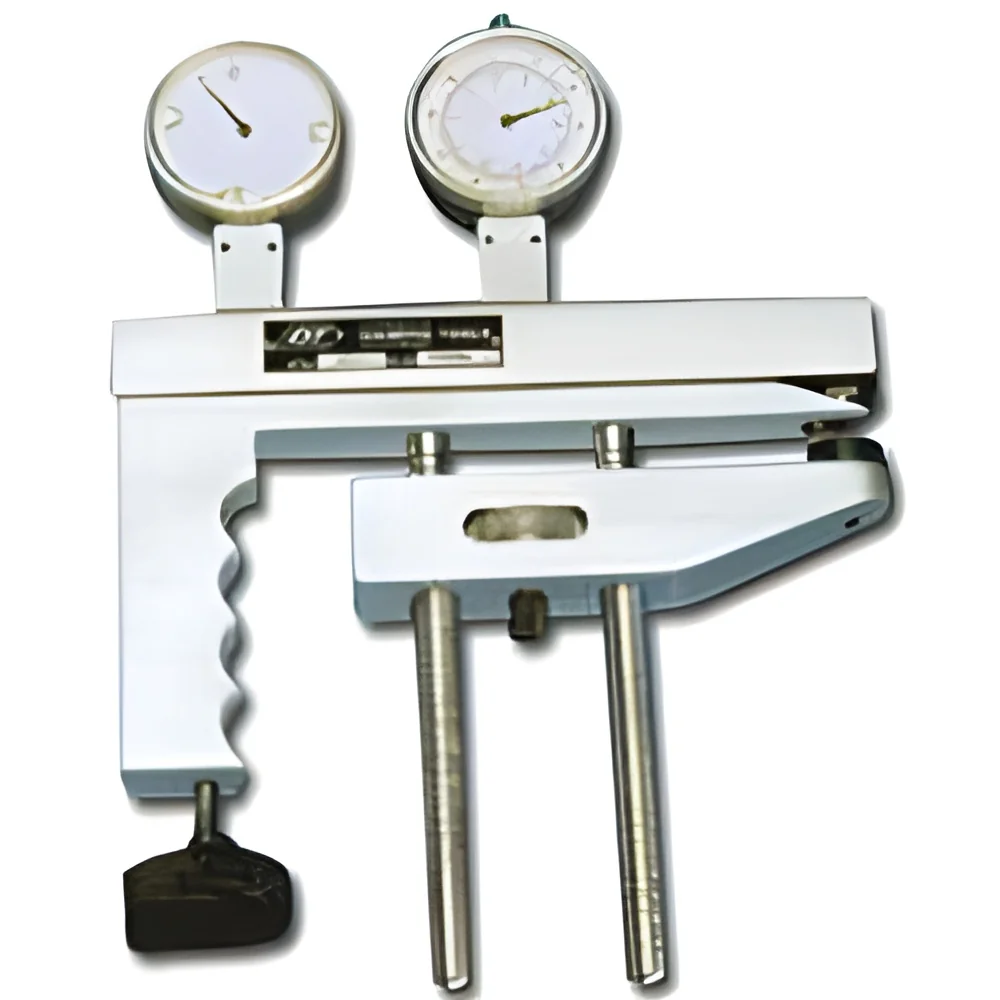
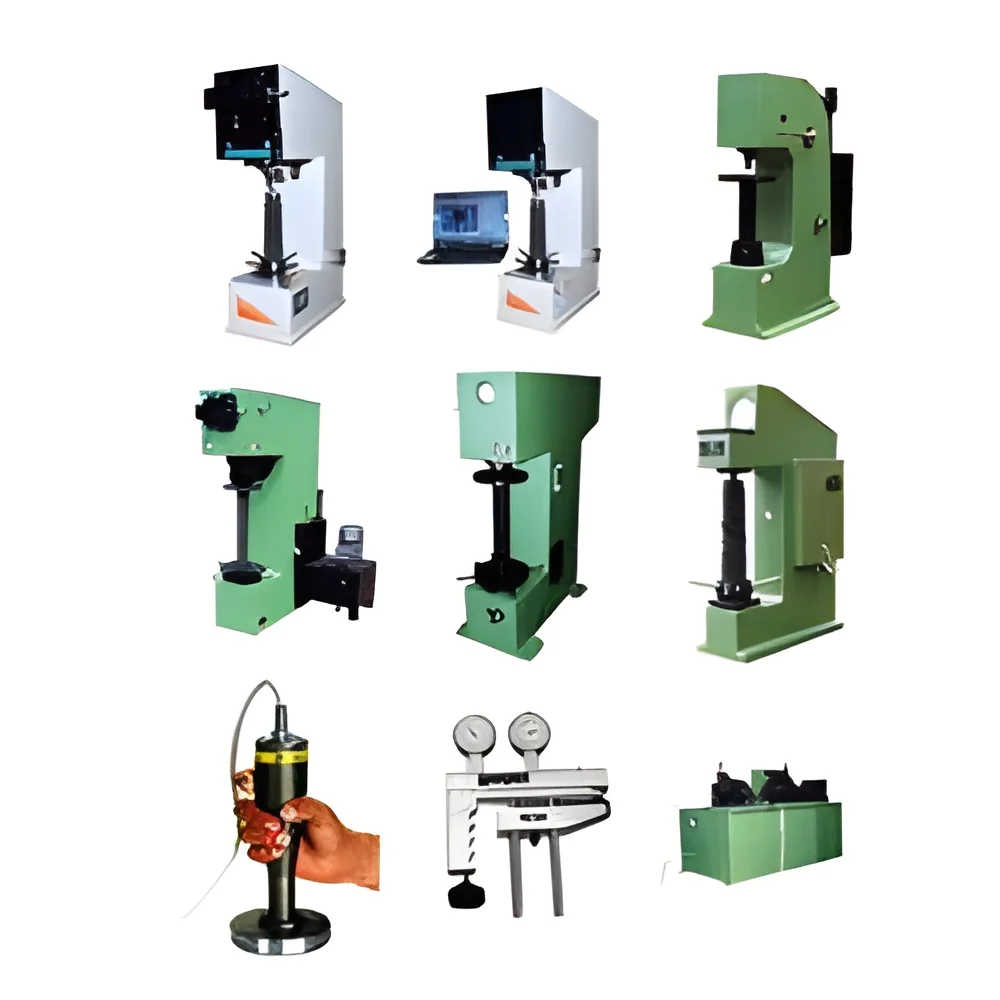
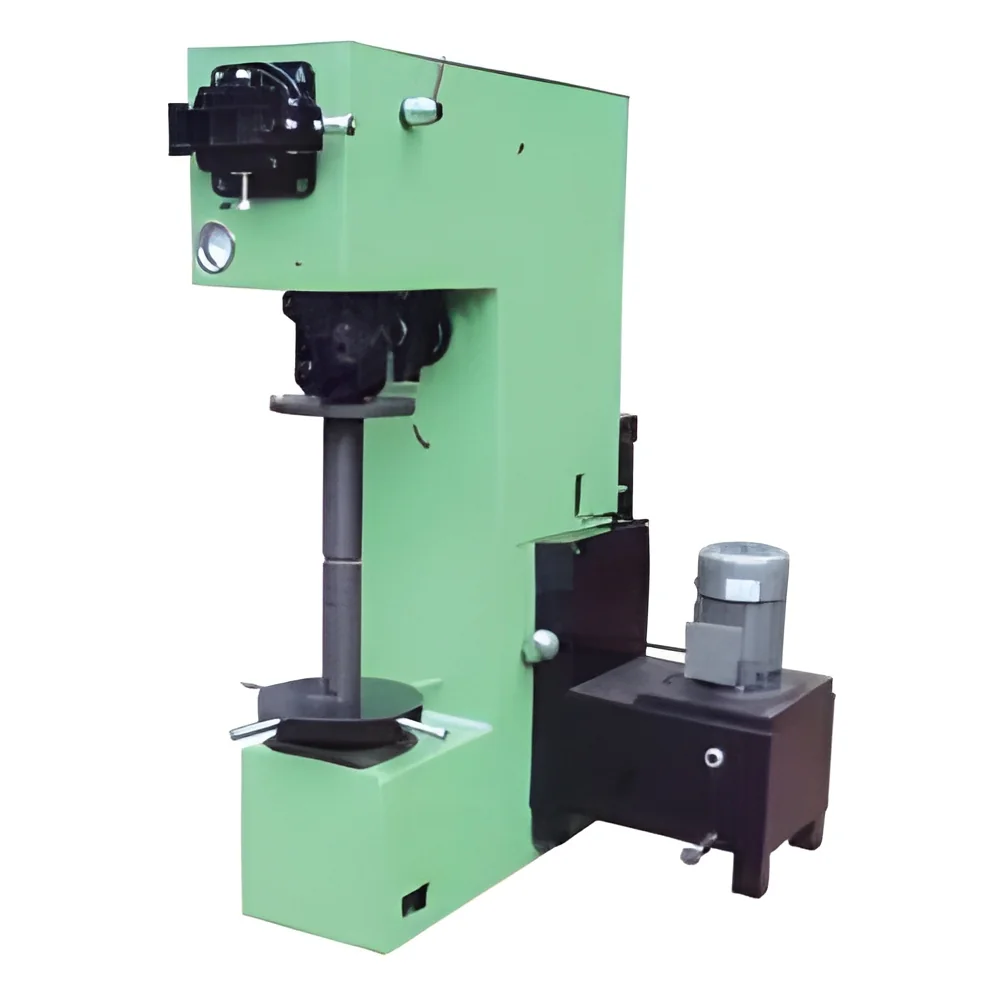
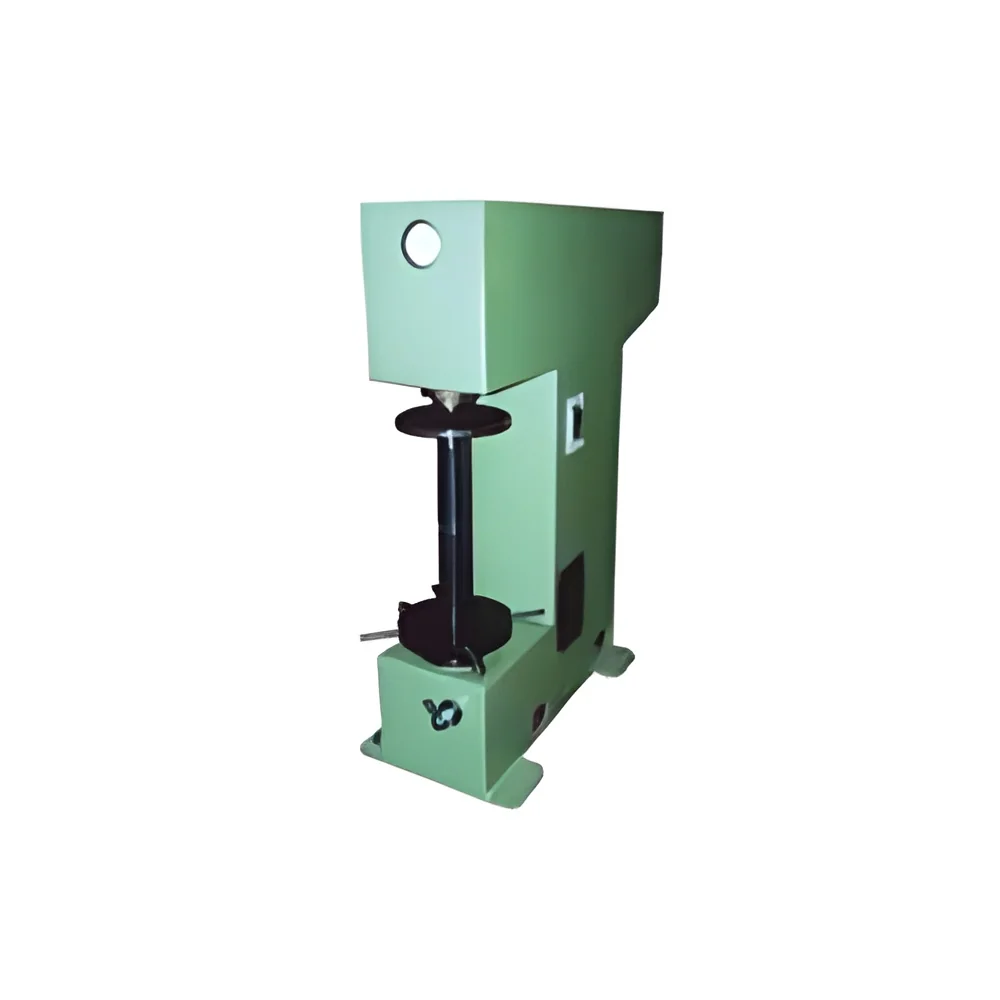
The Industrial Brinell Hardness Testing Machine represents mechanical precision engineering at its finest, designed specifically for reliable hardness measurement of metals and alloys. Featuring manual loading and unloading mechanisms, this tester delivers consistent performance for high-volume batch testing while maintaining operational simplicity. Built to comply with international standards including IS:2281-1968, BS:240, and ASTM:E10, the machine ensures accurate results across diverse materials from castings and forgings to various metal alloys. Its design accommodates specimens of different shapes—flat, round, or irregular—without compromising testing integrity. The emphasis on mechanical reliability makes this unit ideal for environments where electronic complexity is undesirable, offering robust performance that stands the test of time.

This hardness testing machine finds extensive application across industries where material quality verification is critical. Metalworking faci...
The Industrial Brinell Hardness Testing Machine represents mechanical precision engineering at its finest, designed specifically for reliable hardness measurement of metals and alloys. Featuring manual loading and unloading mechanisms, this tester delivers consistent performance for high-volume batch testing while maintaining operational simplicity. Built to comply with international standards including IS:2281-1968, BS:240, and ASTM:E10, the machine ensures accurate results across diverse materials from castings and forgings to various metal alloys. Its design accommodates specimens of different shapes—flat, round, or irregular—without compromising testing integrity. The emphasis on mechanical reliability makes this unit ideal for environments where electronic complexity is undesirable, offering robust performance that stands the test of time.

This hardness testing machine finds extensive application across industries where material quality verification is critical. Metalworking facilities and foundries utilize it to verify the hardness of cast and forged components, ensuring they meet specified mechanical property requirements. Automotive and aerospace manufacturers depend on it for batch testing critical parts such as engine components, structural elements, and landing gear materials. Construction and infrastructure companies rely on its accuracy for testing structural steel, reinforcement bars, and metal fittings. Educational institutions and research laboratories employ it for material science experiments and compliance testing, while production floors and quality control laboratories benefit from its adaptability to regular, high-volume testing requirements.

The business value of this Brinell Hardness Testing Machine lies in its exceptional reliability, cost-effectiveness, and suitability for repetitive operations. The mechanical design significantly reduces maintenance requirements and operational complexity, resulting in lower long-term costs and minimal production interruptions. By delivering accurate and consistent testing results, it strengthens quality assurance protocols and helps prevent material failures and compliance issues. The machine's durability and adherence to global standards make it a trustworthy investment for organizations focused on operational efficiency and value. Through improved product quality and reduced rejection rates, it contributes directly to enhanced customer satisfaction and strengthened market reputation, delivering measurable returns on investment.

Key Features:
- Mechanical operation with manual loading and unloading for enhanced reliability
- Compliance with IS:2281-1968, BS:240, and ASTM:E10 international standards
- Capability to test castings, forgings, and various metal alloys regardless of hardness
- Accommodates flat, round, and irregularly shaped specimens with precision
- Robust construction designed for durability in demanding industrial environments

Benefits:
- Simplified operation reduces training requirements and operational complexity
- Standard-compliant testing ensures global acceptance of results
- Versatile material compatibility supports diverse testing requirements
- Flexible specimen handling increases testing efficiency and throughput
- Durable construction minimizes maintenance needs and extends service life
Specifications
| Additional Information | |
|---|---|
| Country of Origin | India |
Application
This Industrial Brinell Hardness Testing Machine excels in high-volume production environments requiring consistent material verification. Its mechanical operation ensures straightforward use while maintaining accuracy across castings, forgings, and various metal alloys. The machine handles both ferrous and non-ferrous materials with precision, supporting quality assurance processes in metal fabrication and processing operations where reliability is paramount.
The manual loading and unloading design makes this tester particularly effective for batch operations, simplifying workflow and minimizing downtime. Compliant with international standards including IS:2281-1968, BS:240, and ASTM:E10, it serves as a trusted solution for manufacturing units and laboratories focused on compliance and repeatable results. Its robust construction accommodates irregular, flat, and round specimens with consistent performance across diverse testing scenarios.
- Quality control testing of metal castings and forgings in foundry operations
- Hardness verification of automotive components during manufacturing processes
- Batch testing of aerospace and defense metal alloy components
- Material consistency checks in structural steel plants and fabrication workshops
- Educational applications in engineering institutes and material testing laboratories
Trade Details
| Available Stock | In Stock |
| Sample Availability | No |
Payment Terms
| Payment Terms |
|
Company Profile
Mechatronic Control Systems, Maharashtra
 Maharashtra, India
Maharashtra, IndiaConstruction•Importer / Exporter
Factory Details
Factory SizeBelow 1000 sqm
Annual Production Capacity0
Industrial Brinell Hardness Testing Machine Manual Load Unload
Industrial Brinell Hardness Testing Machine with manual load/unload mechanical design delivers precise hardness verification for metalworking, foundries, and quality control labs. Reliable and durable for batch testing applications.
Min. Order Quantity: 1 unit
Shipping
Shipping fee and delivery date to be negotiated. Contact supplier now for more details.
Mechatronic Control Systems
 Maharashtra, India
Maharashtra, IndiaConstructionImporter / Exporter