IN
IN₹
Apparel & Fashion
Loading subcategories...
View More
Description
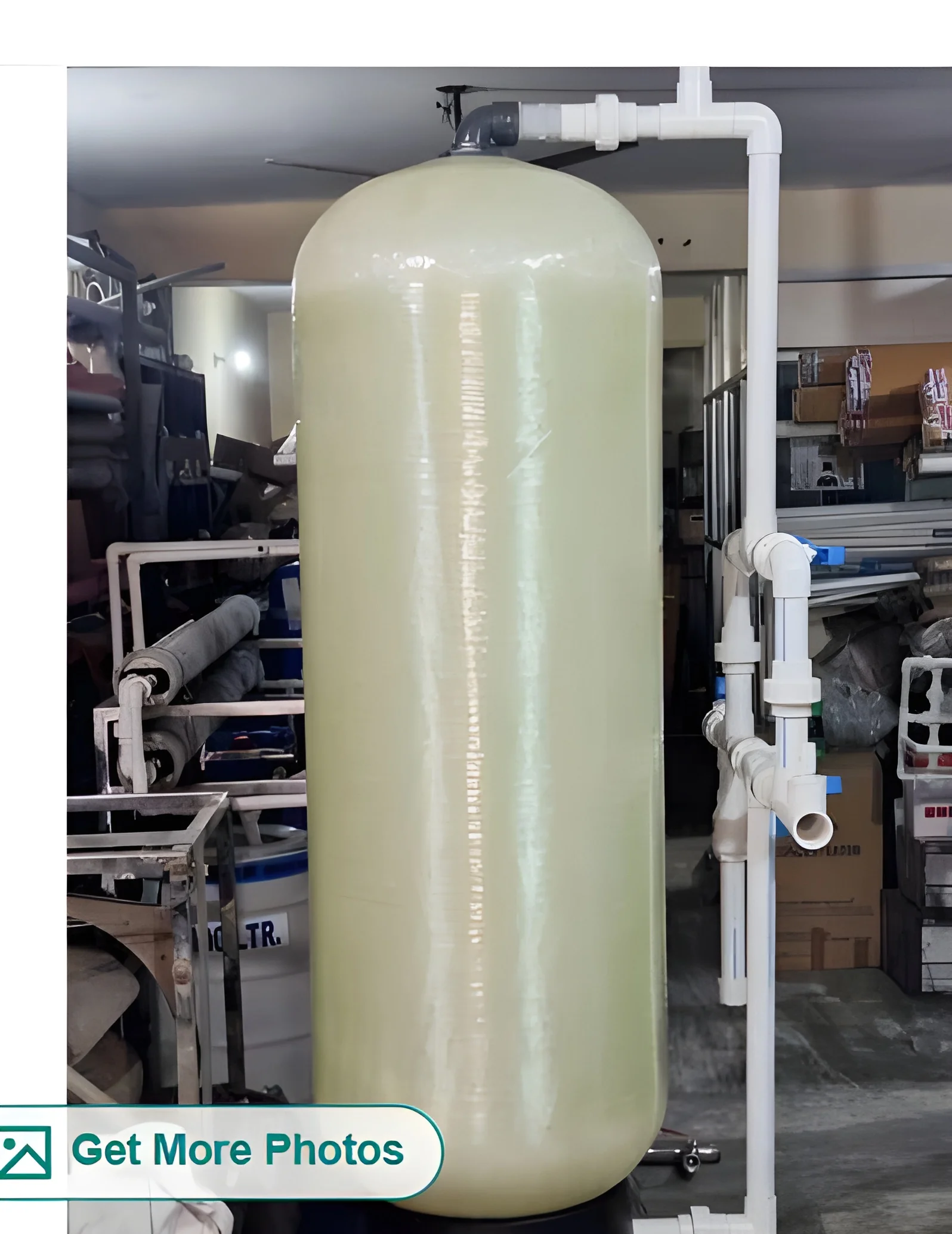
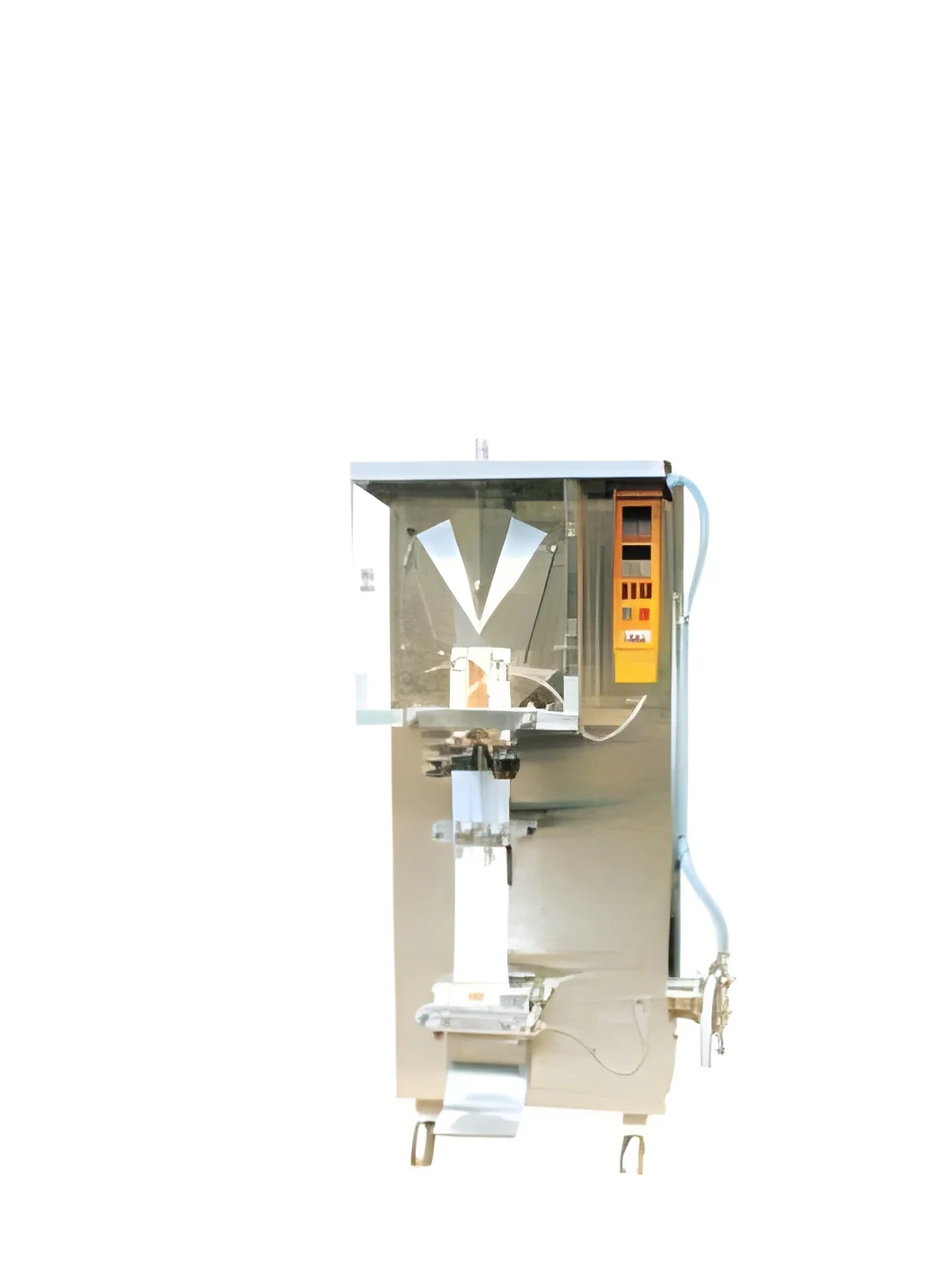
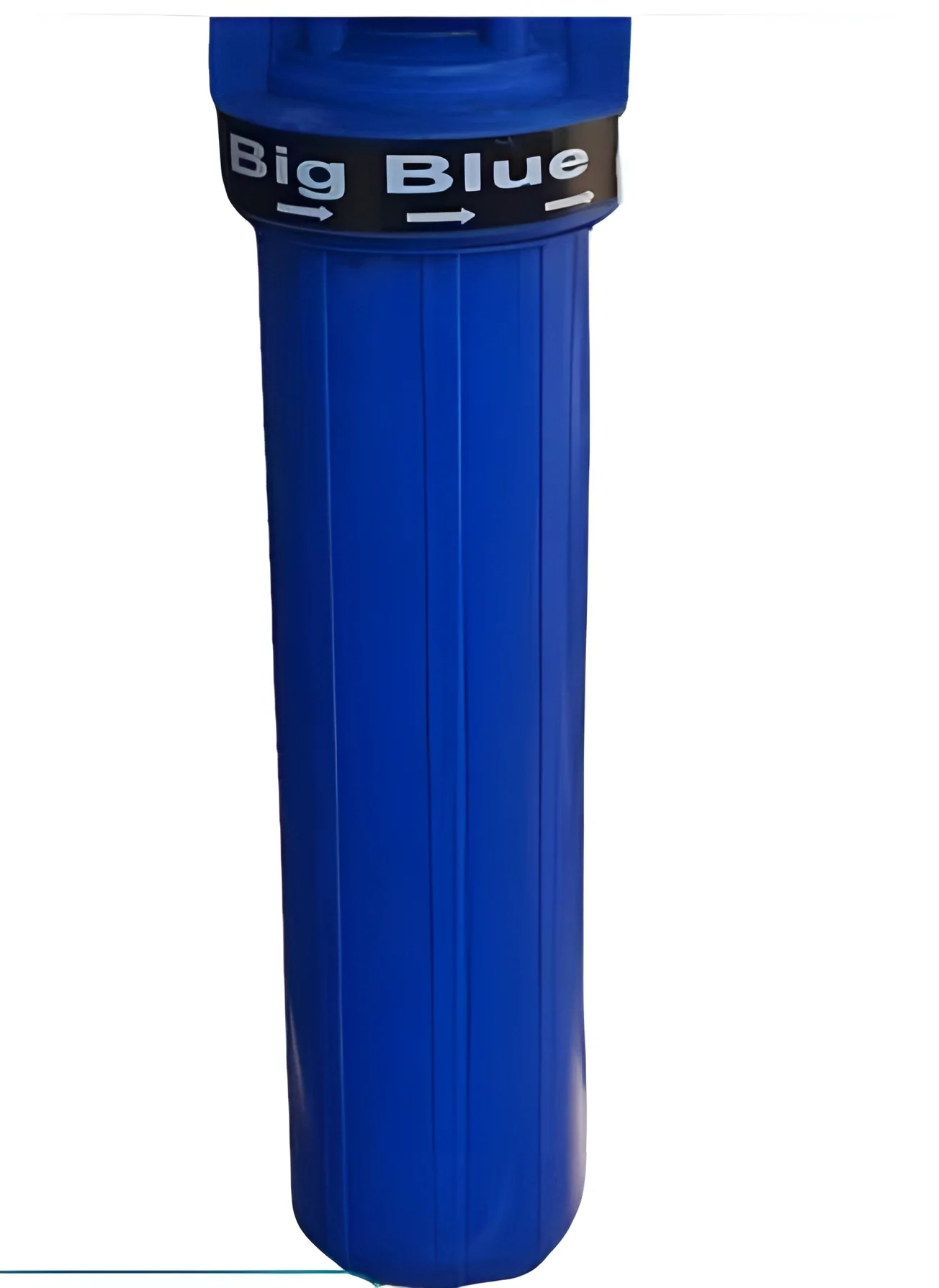
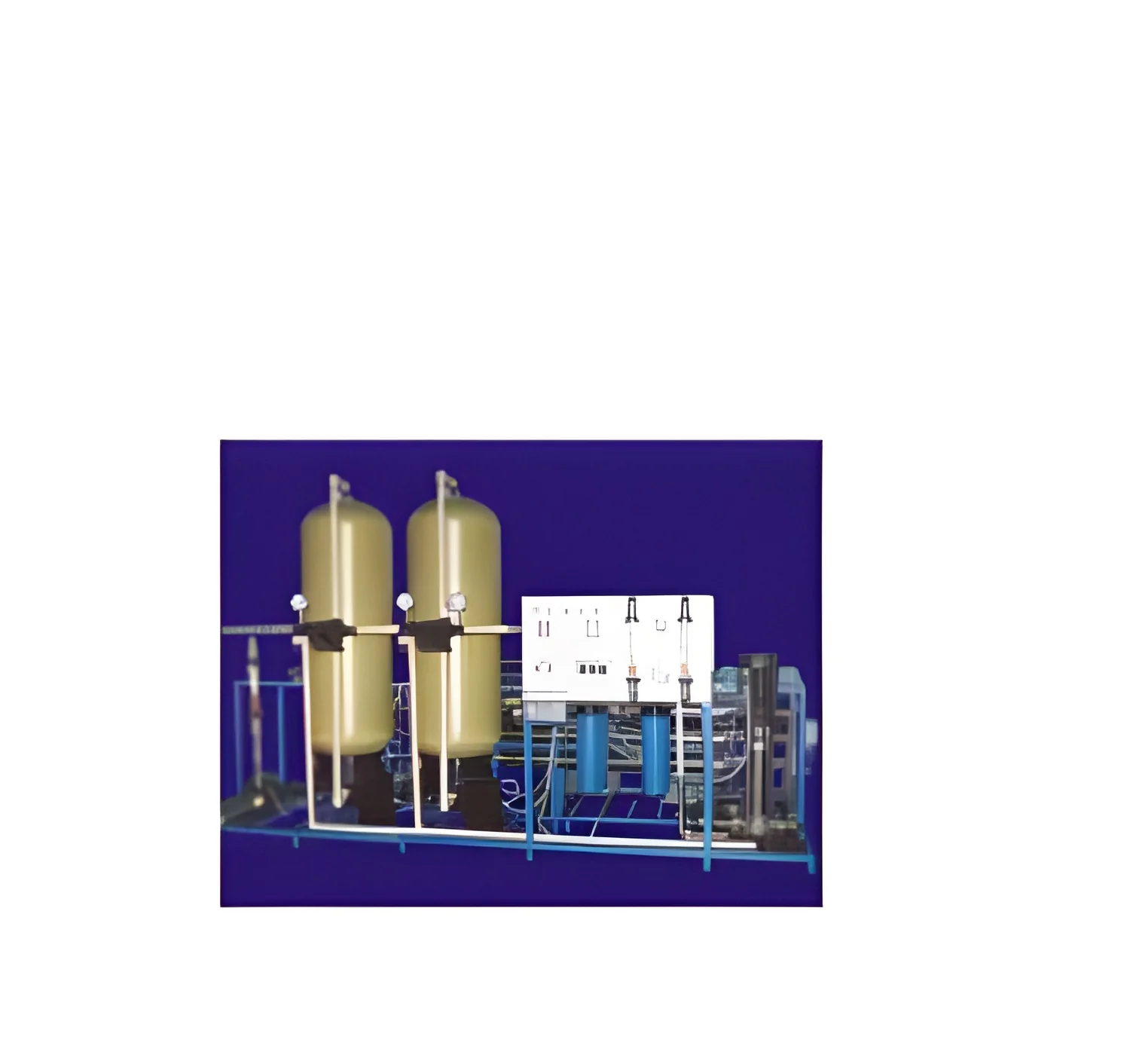
Industrial RO Plants are advanced water purification systems engineered to handle large-scale water treatment needs efficiently. Using reverse osmosis technology, these plants force water through semi-permeable membranes under high pressure, effectively removing up to 99% of dissolved salts, impurities, microorganisms, and contaminants. This process results in consistently high-purity water that meets strict quality standards, essential for various industrial and commercial operations. Designed for durability and performance, these systems are built with robust components that withstand continuous operation, ensuring a reliable supply of treated water. Their modular design allows for customization based on water source quality, flow rate requirements, and specific contaminant removal needs, making them a versatile solution for businesses aiming to enhance their water management strategies.

These plants are widely utilized across multiple industries where water quality is critical to p...
Industrial RO Plants are advanced water purification systems engineered to handle large-scale water treatment needs efficiently. Using reverse osmosis technology, these plants force water through semi-permeable membranes under high pressure, effectively removing up to 99% of dissolved salts, impurities, microorganisms, and contaminants. This process results in consistently high-purity water that meets strict quality standards, essential for various industrial and commercial operations. Designed for durability and performance, these systems are built with robust components that withstand continuous operation, ensuring a reliable supply of treated water. Their modular design allows for customization based on water source quality, flow rate requirements, and specific contaminant removal needs, making them a versatile solution for businesses aiming to enhance their water management strategies.

These plants are widely utilized across multiple industries where water quality is critical to product integrity and process efficiency. In the textile sector, they provide pure water for dyeing and finishing, preventing stains and ensuring color consistency. Pharmaceutical companies rely on them to produce ultra-pure water for drug formulation and equipment cleaning, complying with health regulations. The food and beverage industry uses RO water in production to maintain taste and safety, while power plants employ these systems for boiler feed water to prevent scaling and corrosion. Additionally, commercial establishments like hotels and bottling units use them to ensure safe, great-tasting water for consumption and operational use.

Investing in an Industrial RO Plant brings significant business value by reducing operational costs and enhancing reliability. These systems minimize scaling and corrosion in machinery, extending equipment lifespan and cutting maintenance expenses. Their energy-efficient designs lower electricity consumption, while automated controls reduce labor needs. By providing a consistent supply of high-quality water, they help maintain product quality, reduce rejection rates, and support compliance with environmental and safety standards. Their reliability ensures uninterrupted production, while customization options allow businesses to tailor the system to their exact needs, maximizing return on investment and supporting sustainable water management practices.

Key Features:
- High-pressure RO membranes for efficient contaminant removal.
- Customizable capacity and configuration to suit specific needs.
- Robust construction with corrosion-resistant materials.
- Automated controls for consistent operation and monitoring.
- Pre-treatment and post-treatment integration capabilities.

Benefits:
- Lowers operational costs by reducing scaling and maintenance.
- Ensures consistent high-purity water for quality-sensitive processes.
- Enhances equipment longevity by preventing corrosion and deposits.
- Supports regulatory compliance with reliable water quality output.
- Offers energy-efficient performance for sustainable operations.
Specifications
| Additional Information | |
|---|---|
| Country of Origin | India |
| Customisable | No |
Application
Industrial RO Plants are essential for sectors requiring ultra-pure water to maintain product quality and process integrity. They reliably remove dissolved solids, bacteria, and chemicals, ensuring consistent water standards for critical operations. These systems support industries where water purity directly impacts safety, compliance, and output quality, making them indispensable for modern manufacturing and commercial setups.
From textile dyeing to pharmaceutical formulations, these plants cater to diverse applications by providing customizable purification solutions. They help businesses meet stringent regulatory requirements while optimizing water usage and reducing waste. Their adaptability across various scales and industries ensures that every client receives a tailored system that fits their specific operational demands and water quality goals. Real-world applications:
Real-world applications:
- Textile manufacturing for consistent dyeing and fabric treatment processes.
- Pharmaceutical production requiring sterile, contaminant-free water.
- Food and beverage industry for ingredient mixing and cleaning applications.
- Power generation plants for boiler feed water and cooling systems.
- Hospitals and laboratories ensuring pure water for medical and research use.
Trade Details
| Available Stock | In Stock |
| Sample Availability | No |
Payment Terms
| Payment Terms |
|
Company Profile
OM R-O SYSTEMS, Uttar Pradesh
 Uttar Pradesh, India
Uttar Pradesh, IndiaIndustrial Equipment & Machinery•Manufacturer•Distributor / Wholesaler•Retailer
Factory Details
Factory SizeBelow 1000 sqm
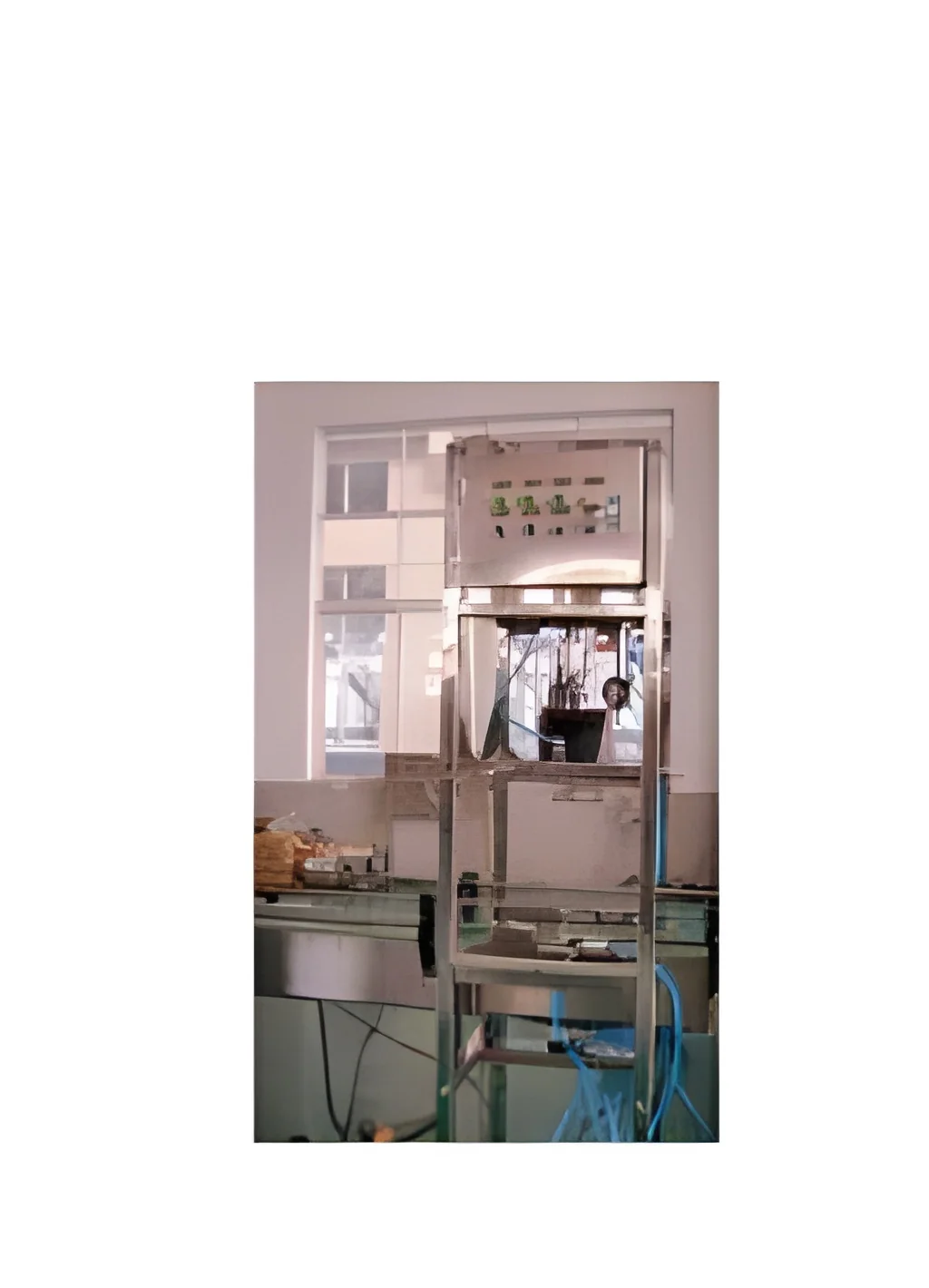
Industrial RO Water Purification Plant For Manufacturing Efficiency
Industrial RO Plants deliver high-purity water for manufacturing and processing, removing contaminants to cut costs and boost efficiency. Ideal for textiles, pharmaceuticals, and food production.
Min. Order Quantity: 1
Shipping
Shipping fee and delivery date to be negotiated. Contact supplier now for more details.
OM R-O SYSTEMS
 Uttar Pradesh, India
Uttar Pradesh, IndiaIndustrial Equipment & MachineryManufacturer