IN
IN₹
Apparel & Fashion
Description
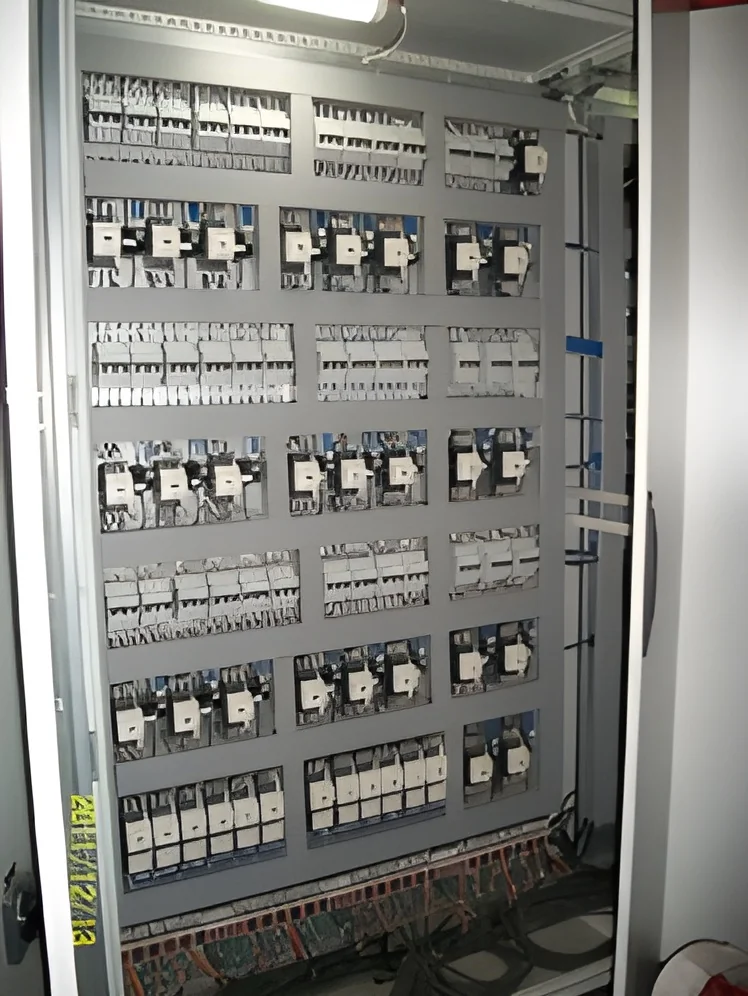
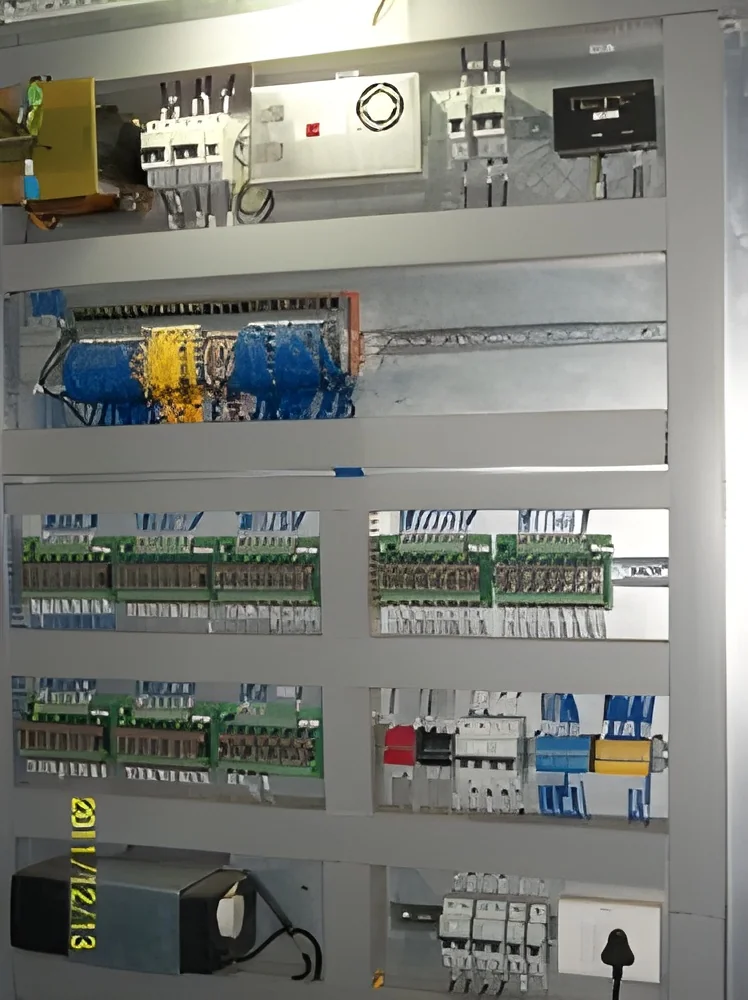
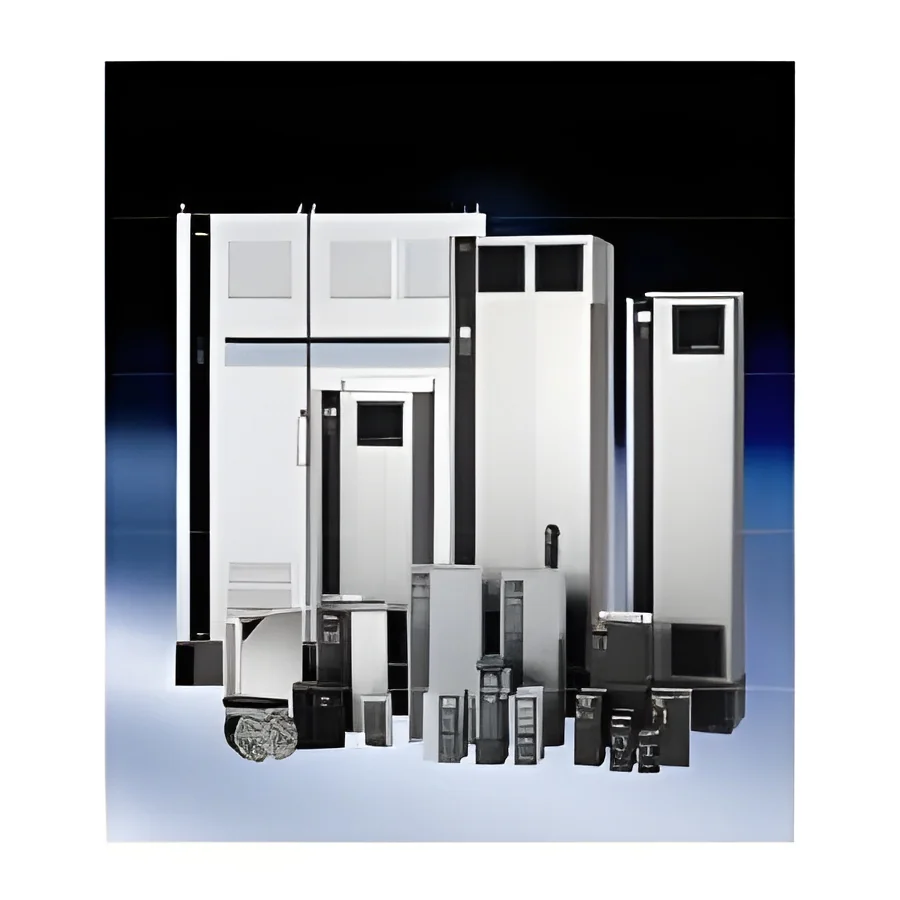
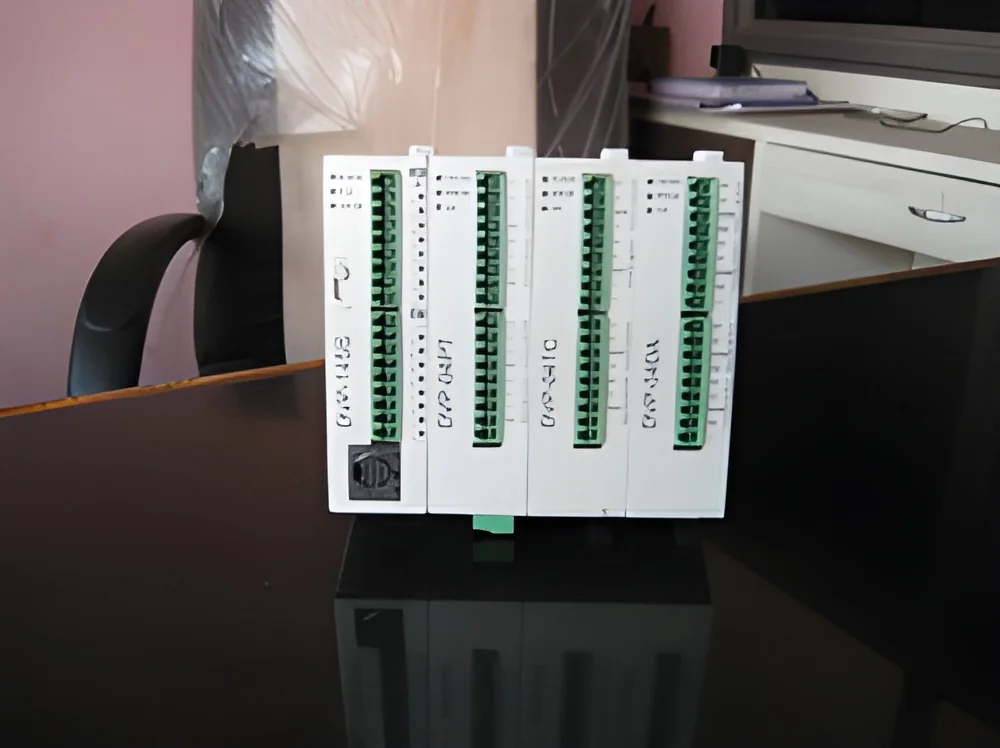
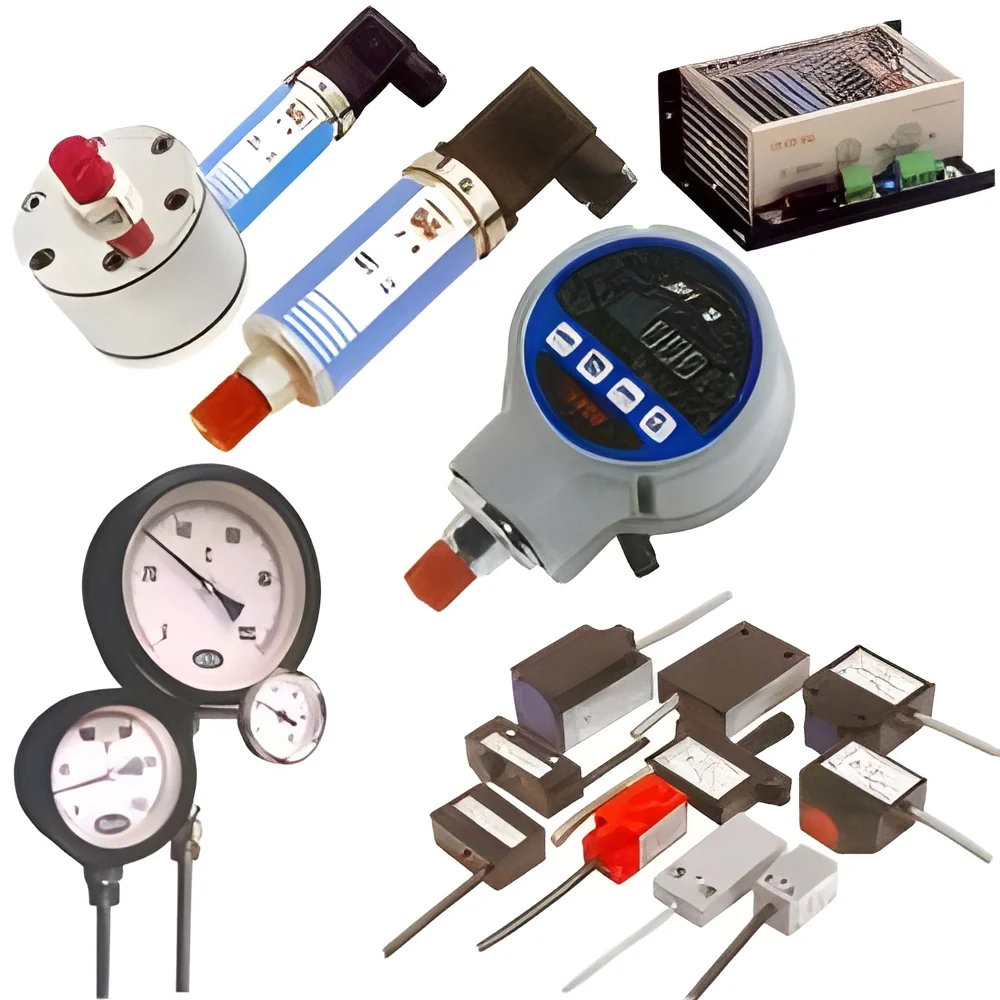
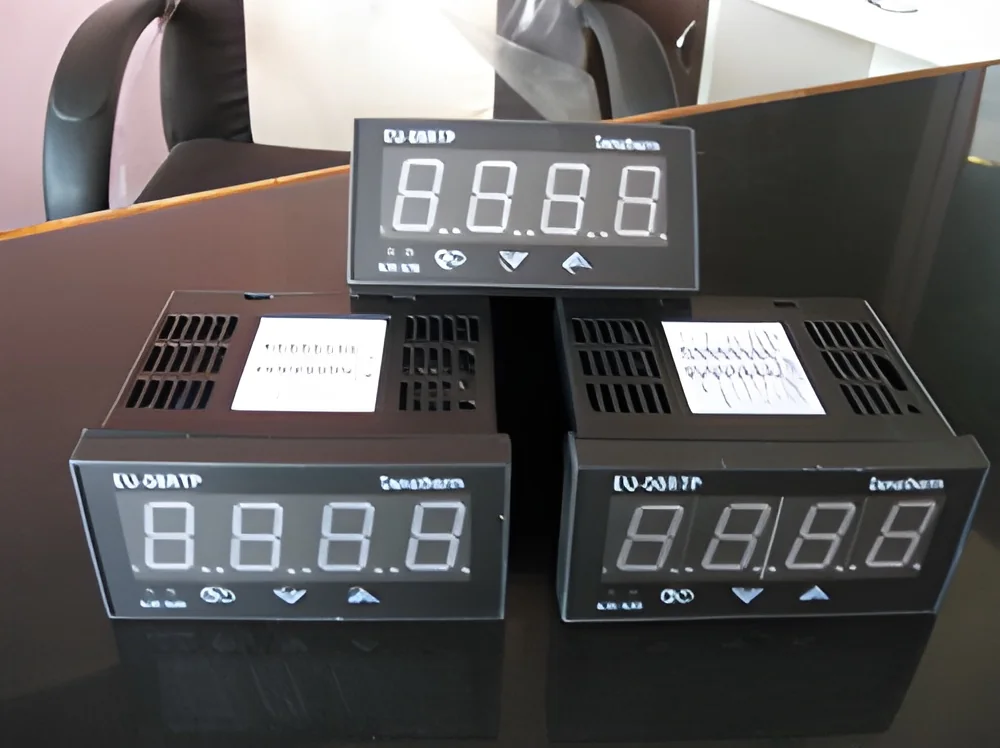
Industrial automation systems represent the pinnacle of manufacturing technology, engineered to streamline operations and maximize productivity across industrial sectors. These comprehensive systems integrate sophisticated hardware and software components to control machinery, processes, and complete production lines with minimal human intervention. From programmable logic controllers and human-machine interfaces to advanced sensors and robotic integration, our automation solutions are built for exceptional reliability and peak performance. They deliver real-time monitoring, comprehensive data collection, and continuous process optimization capabilities that transform conventional manufacturing into intelligent, connected operations. Designed to withstand demanding industrial environments, these systems maintain precision and consistency in production outputs while ensuring operational excellence.

These automation systems find extensive application across numerous industries including...
Industrial automation systems represent the pinnacle of manufacturing technology, engineered to streamline operations and maximize productivity across industrial sectors. These comprehensive systems integrate sophisticated hardware and software components to control machinery, processes, and complete production lines with minimal human intervention. From programmable logic controllers and human-machine interfaces to advanced sensors and robotic integration, our automation solutions are built for exceptional reliability and peak performance. They deliver real-time monitoring, comprehensive data collection, and continuous process optimization capabilities that transform conventional manufacturing into intelligent, connected operations. Designed to withstand demanding industrial environments, these systems maintain precision and consistency in production outputs while ensuring operational excellence.

These automation systems find extensive application across numerous industries including automotive manufacturing, food processing, pharmaceutical production, chemical processing, and packaging operations. In automotive manufacturing, they control sophisticated assembly lines and robotic welding stations with precision. Food processing facilities utilize them for automated packaging, quality inspection systems, and precise temperature control. Pharmaceutical companies depend on these systems for sterile manufacturing processes and accurate ingredient handling. The inherent versatility of industrial automation allows for adaptation to specific industry requirements, regulatory standards, and varying production volumes, making them essential components in modern manufacturing ecosystems worldwide.

The business value derived from implementing industrial automation systems is substantial and multi-dimensional. Companies experience significant operational cost reductions through decreased labor requirements and minimized production errors. These systems enhance product quality through consistent, precise operations that consistently exceed human capabilities. Built-in reliability ensures minimal downtime and maximum production uptime, protecting your investment. The systems also provide valuable data analytics for continuous improvement initiatives and predictive maintenance scheduling. Return on investment is typically rapid, with most businesses recovering automation costs within 12-24 months through increased efficiency, reduced waste, and enhanced production capacity.

Key Features:
- Advanced control systems for precise manufacturing operations
- Robust industrial-grade components built for demanding environments
- Comprehensive real-time monitoring and data collection
- Scalable architecture supporting business growth
- Seamless integration with existing machinery and equipment

Benefits:
- Significant reduction in operational costs and labor requirements
- Enhanced product quality through consistent precision operations
- Maximum production uptime with minimal system downtime
- Valuable data analytics for continuous improvement
- Rapid return on investment typically within 12-24 months
Specifications
| Additional Information | |
|---|---|
| Country of Origin | India |
Application
Industrial automation systems transform manufacturing and processing operations by integrating advanced control systems with machinery and information technologies. These solutions automate complex tasks from individual machine functions to entire production line management, delivering seamless operation, precise control, and continuous real-time monitoring across diverse industrial settings and production environments.
These automation systems serve multiple sectors including automotive manufacturing, food processing, pharmaceuticals, packaging, and water treatment facilities. They enable businesses to achieve superior productivity, maintain consistent product quality, and significantly lower operational expenses. Designed with flexibility and scalability, these systems adapt to varying production demands and evolving industry standards while ensuring reliable performance.
- Automotive assembly lines for precision part manufacturing and robotic welding operations
- Food processing plants for automated packaging, filling, and quality inspection systems
- Pharmaceutical production facilities for sterile environment control and precise dosing
- Water treatment plants for monitoring, filtration, and chemical dosing control
- Warehouse and logistics centers for automated sorting, retrieval, and inventory tracking
Trade Details
| Available Stock | In Stock |
| Sample Availability | No |
Payment Terms
| Payment Terms |
|
Company Profile
Active Automation Systems, Gujarat
 Gujarat, India
Gujarat, IndiaServices & Support•Manufacturer•Distributor / Wholesaler•Importer / Exporter
Factory Details
Factory Size1000-5000 sqm
Annual Production Capacity0
Main Markets
North America
Oceania
Northern Europe
South America
Mid East
Southern Europe
Eastern Europe
Eastern Asia
South Asia
Southeast Asia
Western Europe
Africa
Central America
Domestic
Industrial Automation Systems For Manufacturing And Processing Efficiency
Industrial automation systems boost manufacturing efficiency with reliable control systems, real-time monitoring, and scalable solutions for processing industries to reduce operational costs and enhance productivity.
Min. Order Quantity: 1 unit
Shipping
Shipping fee and delivery date to be negotiated. Contact supplier now for more details.
Active Automation Systems
 Gujarat, India
Gujarat, IndiaServices & SupportManufacturer