IN
IN₹
Apparel & Fashion
Loading subcategories...
View More
Description
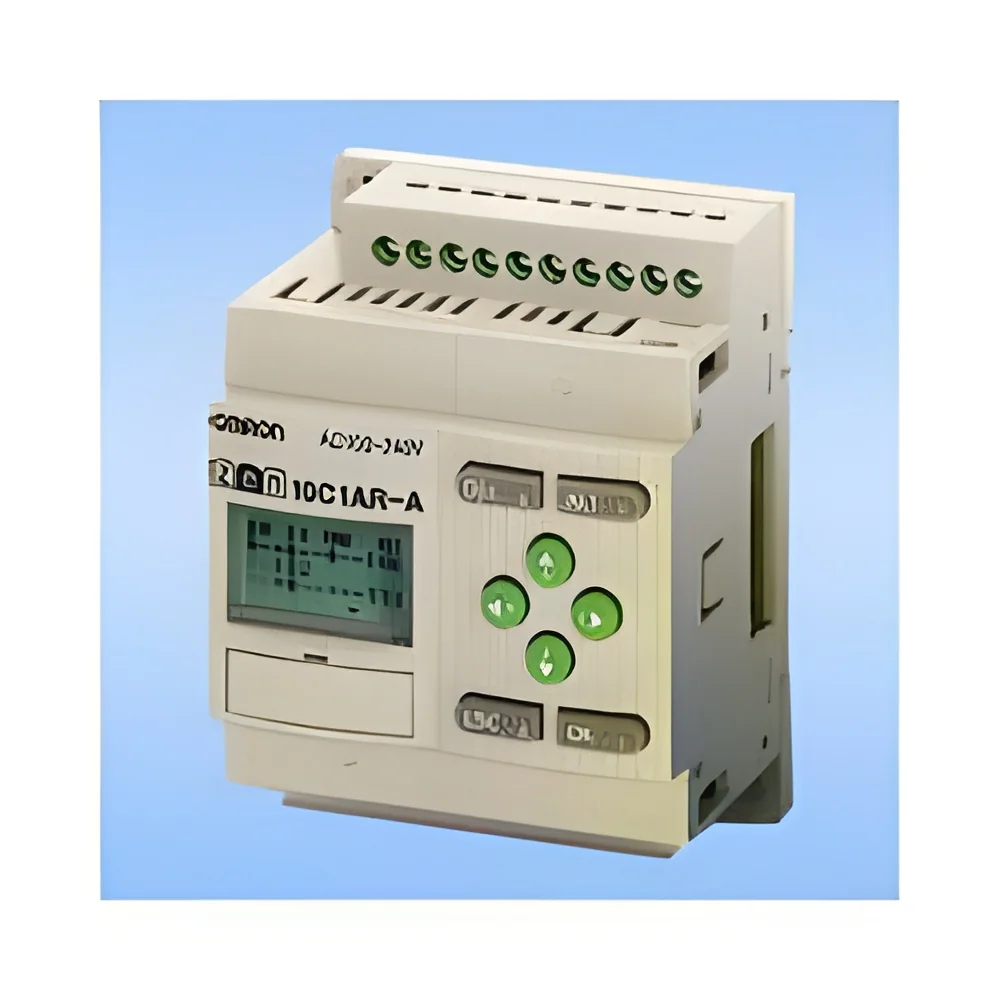
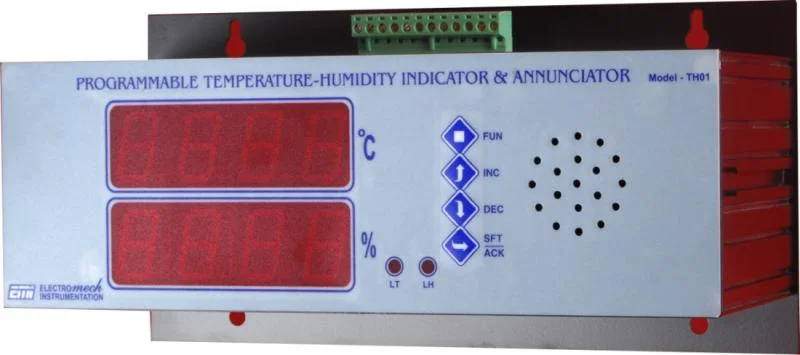
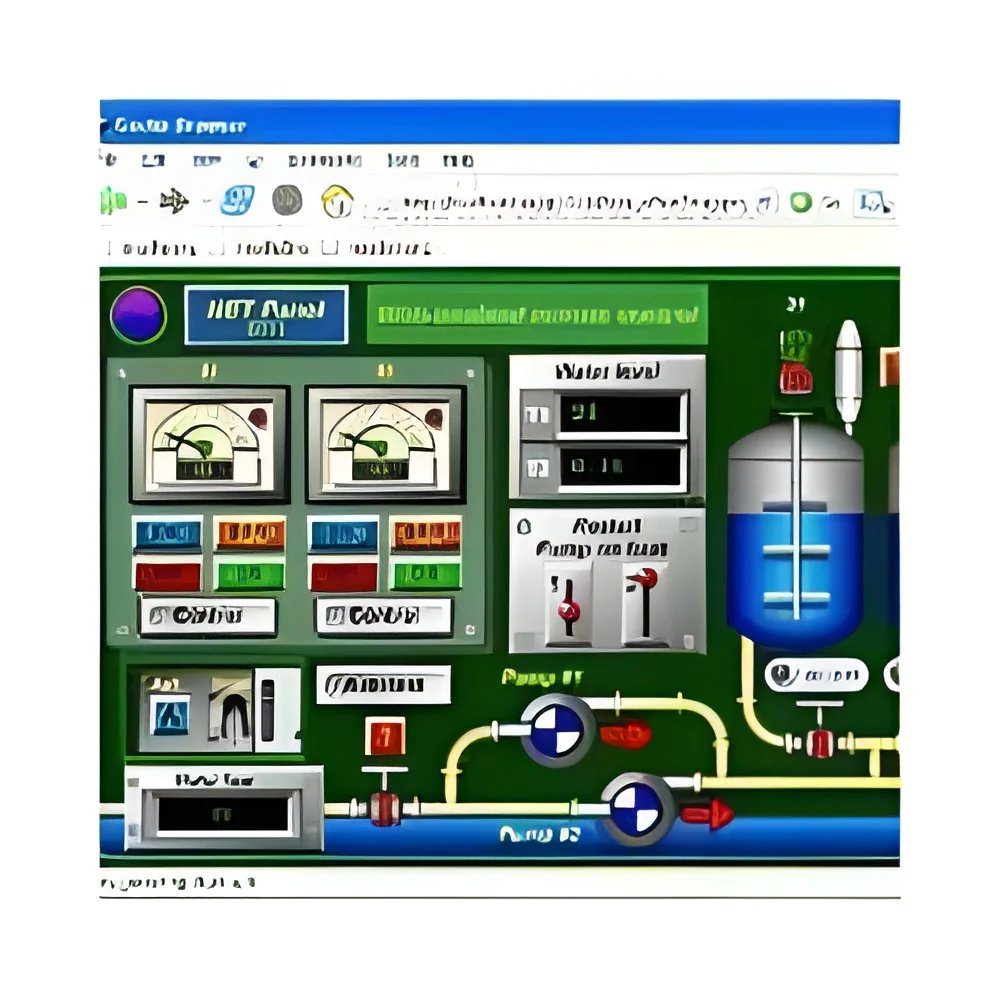
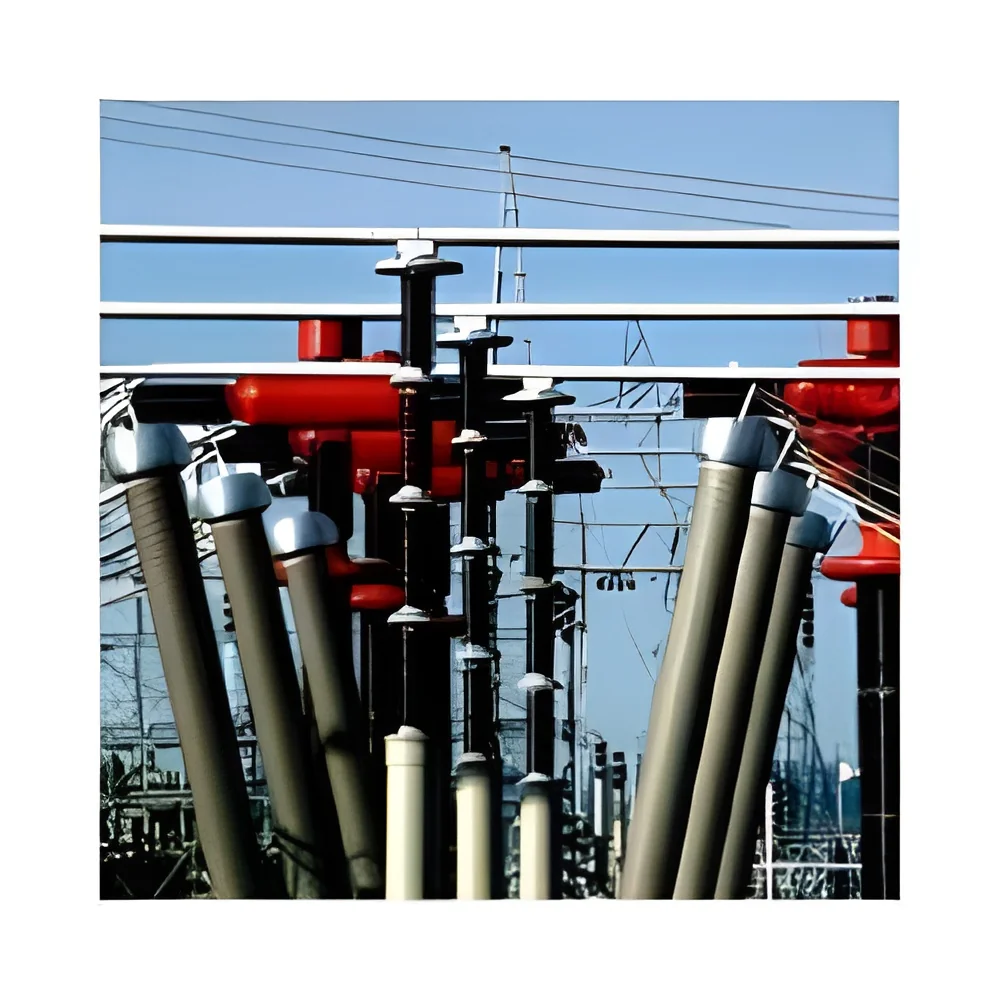
Industrial automation systems represent advanced manufacturing technology designed to optimize production capabilities across various industries. These systems integrate sophisticated control mechanisms with durable hardware to create seamless automated processes that enhance traditional manufacturing environments. The comprehensive solutions include programmable logic controllers, human-machine interfaces, and sensor networks working in harmony to automate complex industrial tasks. Each system delivers consistent performance while adapting to specific operational requirements across diverse industrial settings. The technology foundation enables reduced manual intervention while maintaining precision and reliability in demanding production scenarios.

These automation systems serve critical functions across multiple sectors including automotive manufacturing, food processing, pharmaceutical production, and chemical processing. In automotive facilities, they coordinate assembly lines en...
Industrial automation systems represent advanced manufacturing technology designed to optimize production capabilities across various industries. These systems integrate sophisticated control mechanisms with durable hardware to create seamless automated processes that enhance traditional manufacturing environments. The comprehensive solutions include programmable logic controllers, human-machine interfaces, and sensor networks working in harmony to automate complex industrial tasks. Each system delivers consistent performance while adapting to specific operational requirements across diverse industrial settings. The technology foundation enables reduced manual intervention while maintaining precision and reliability in demanding production scenarios.

These automation systems serve critical functions across multiple sectors including automotive manufacturing, food processing, pharmaceutical production, and chemical processing. In automotive facilities, they coordinate assembly lines ensuring precise component installation and consistent quality control. Food processing operations utilize them for automated packaging, sorting, and maintaining strict hygiene standards. Pharmaceutical manufacturers depend on these systems to preserve sterile environments while ensuring accurate dosing and packaging procedures. The weather-proof and flame-proof characteristics make them suitable for challenging industrial environments where operational reliability is paramount. Custom configurations enable adaptation to specific industry requirements while maintaining system integrity.

The operational value of implementing industrial automation systems extends beyond efficiency improvements to include significant cost reduction and quality enhancement. These systems deliver substantial return on investment through reduced labor expenses, minimized production errors, and decreased operational downtime. Their reliability ensures consistent output quality while reducing material waste and rework costs. The customization capabilities allow businesses to address specific operational challenges without compromising system performance or integration potential. Constructed with industrial-grade components, these systems offer long-term durability and minimal maintenance needs, ensuring continuous operation in demanding manufacturing conditions. The flame-proof and weather-proof features provide additional reliability layers for operations in challenging environments.

Key Features:
- High-performance automation controllers with precision motion control
- Weather-resistant and flame-proof construction for harsh conditions
- Customizable system configurations for specific operational needs
- Integrated sensor networks enabling real-time monitoring capabilities
- Robust industrial-grade components ensuring long-term operational durability

Benefits:
- Enhanced production efficiency through automated process optimization
- Reduced operational costs with minimized labor and error expenses
- Consistent output quality with precision control and monitoring
- Adaptable solutions meeting specific industry requirements
- Reliable performance in challenging industrial environments
Specifications
| Additional Information | |
|---|---|
| Country of Origin | India |
| Customisable | No |
Application
Industrial automation systems transform manufacturing operations by integrating advanced control systems with precision machinery. These solutions handle complex production tasks with consistent accuracy, reducing human error while maintaining output quality across continuous operations. The systems adapt to various industrial requirements while ensuring reliable performance in challenging working conditions.
These automation solutions provide robust performance across diverse industrial settings with weather-resistant and flame-proof capabilities. From assembly operations to quality assurance stations, they deliver dependable functionality while meeting specific operational demands. The systems maintain safety standards and operational integrity throughout implementation, ensuring seamless integration with existing production infrastructure.
- Automotive manufacturing plants for precision assembly operations
- Food processing facilities for automated packaging systems
- Pharmaceutical production units maintaining controlled environments
- Chemical processing plants monitoring critical parameters
- Logistics centers implementing automated material handling
Trade Details
| Available Stock | In Stock |
| Sample Availability | No |
Payment Terms
| Payment Terms |
|
Company Profile
Electromech Instrumentation, Pune, Maharashtra
 Maharashtra, India
Maharashtra, IndiaElectronics & Electrical•Manufacturer•Distributor / Wholesaler•Importer / Exporter
Factory Details
Factory SizeBelow 1000 sqm
Annual Production Capacity0
Main Markets
North America
South America
Eastern Europe
Southeast Asia
Central America
Industrial Automation Systems For Manufacturing And Process Industries
Industrial automation systems enhance manufacturing efficiency with reliable, high-performance solutions for process industries. Customizable automation technology improves operational precision in demanding industrial environments.
Min. Order Quantity: 1 unit
Shipping
Shipping fee and delivery date to be negotiated. Contact supplier now for more details.
Electromech Instrumentation, Pune
 Maharashtra, India
Maharashtra, IndiaElectronics & ElectricalManufacturer