IN
₹
Apparel & Fashion
Description
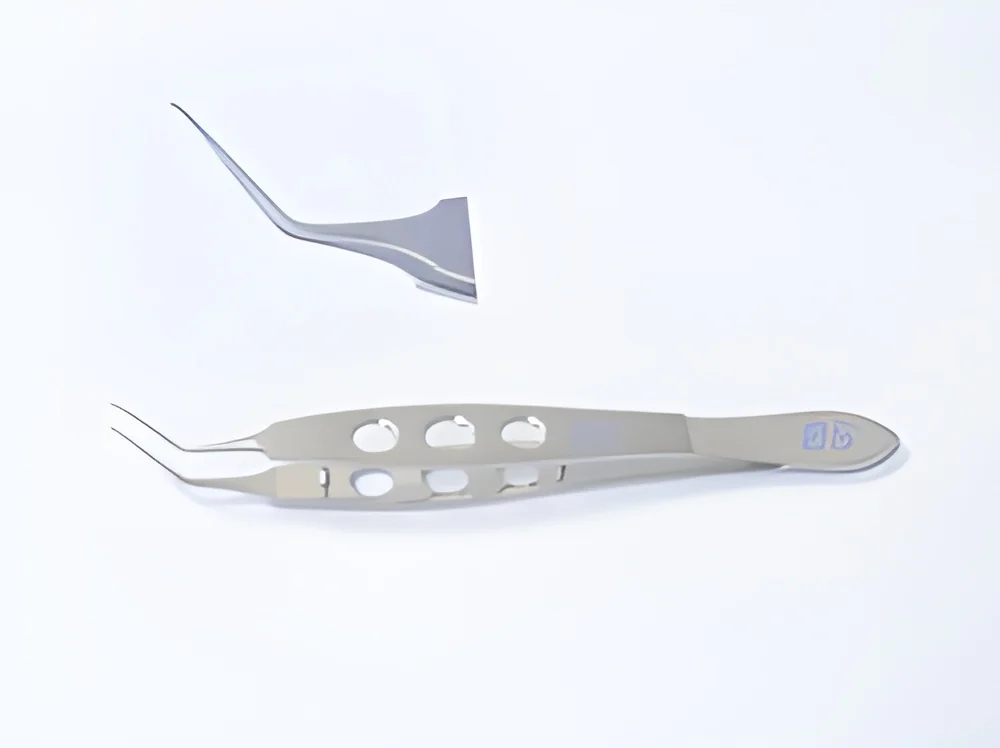
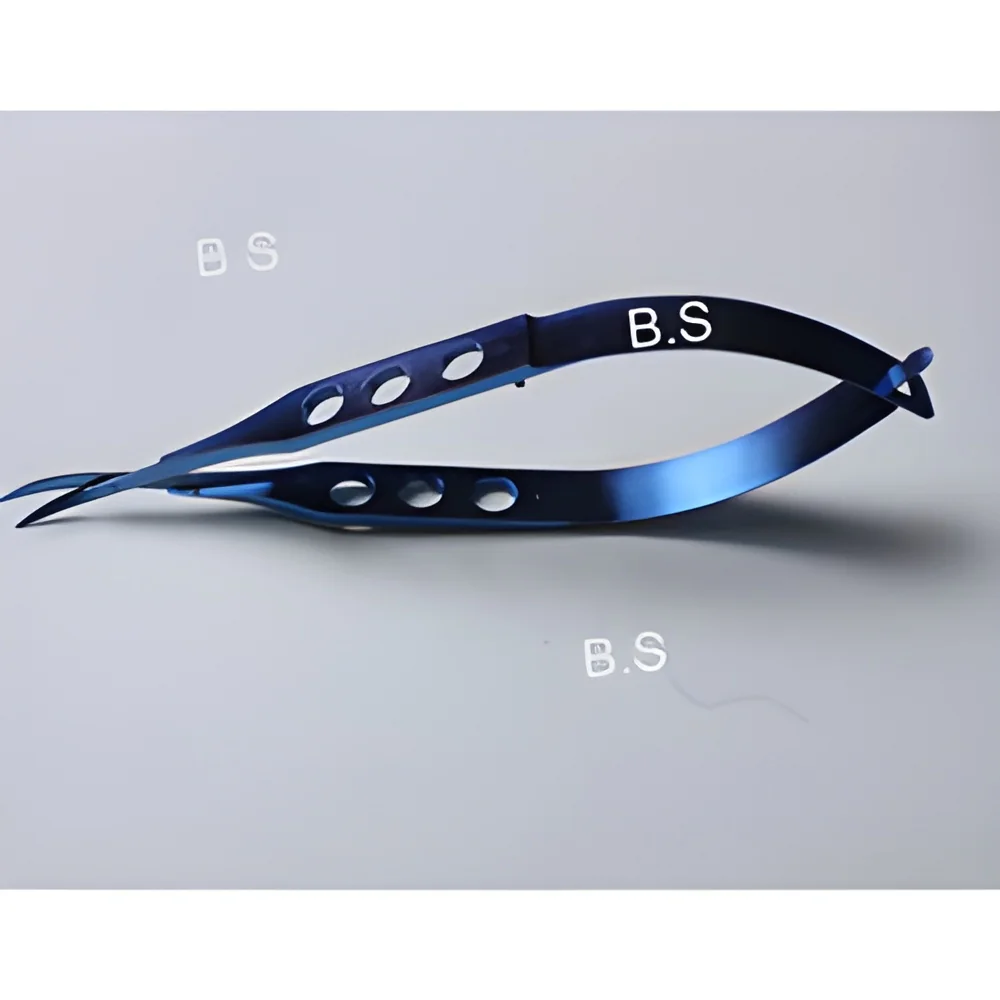
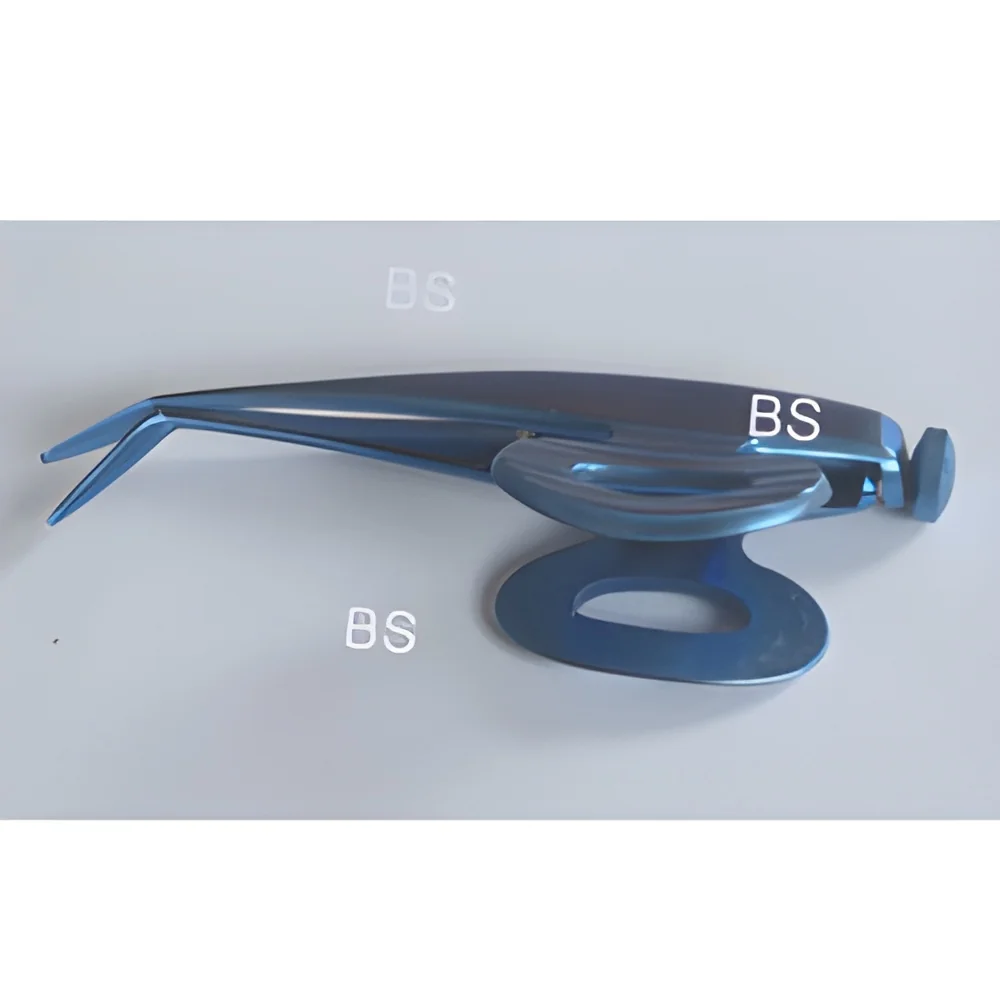
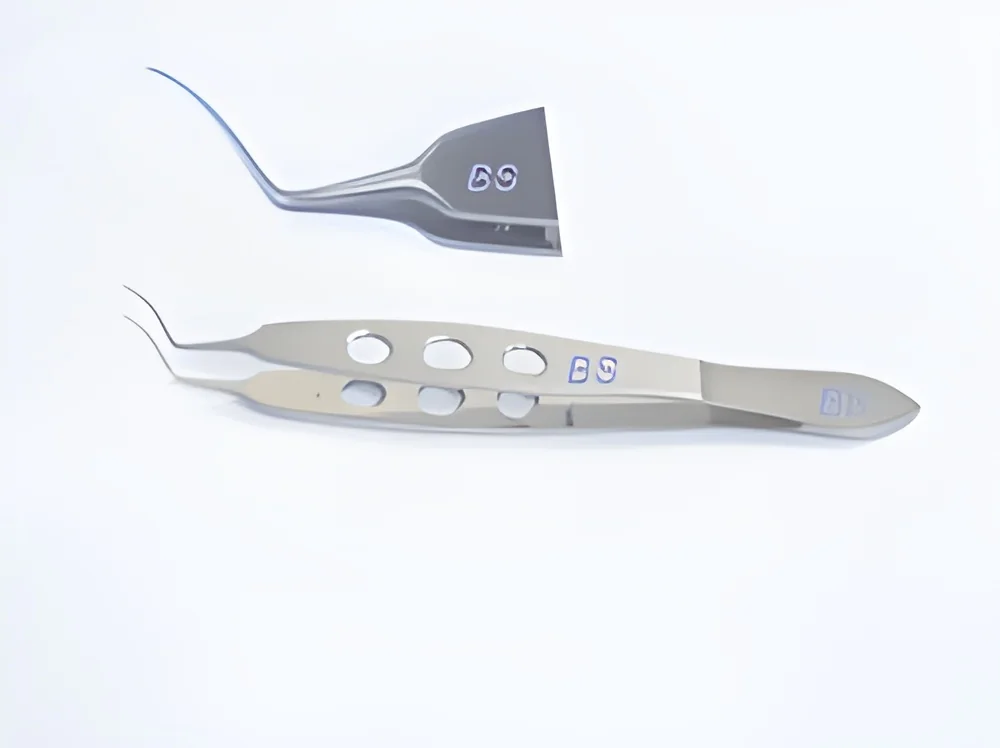
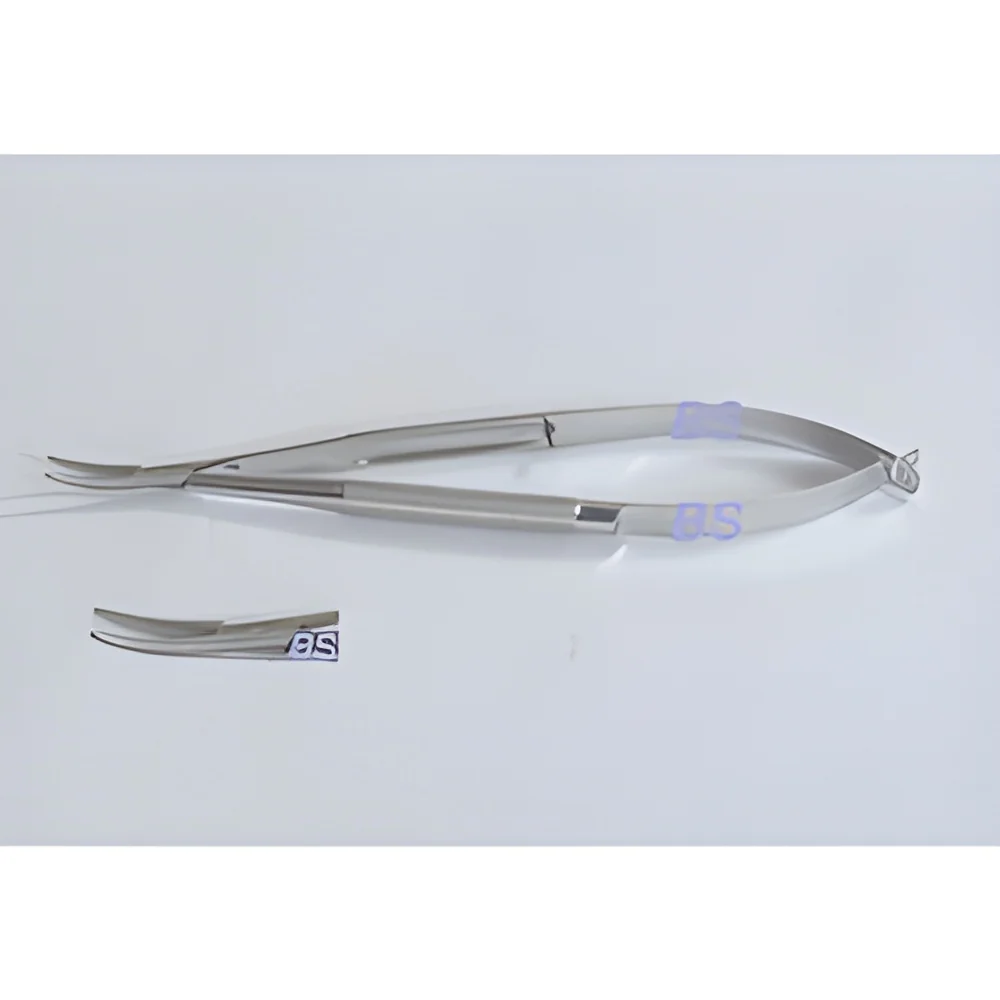
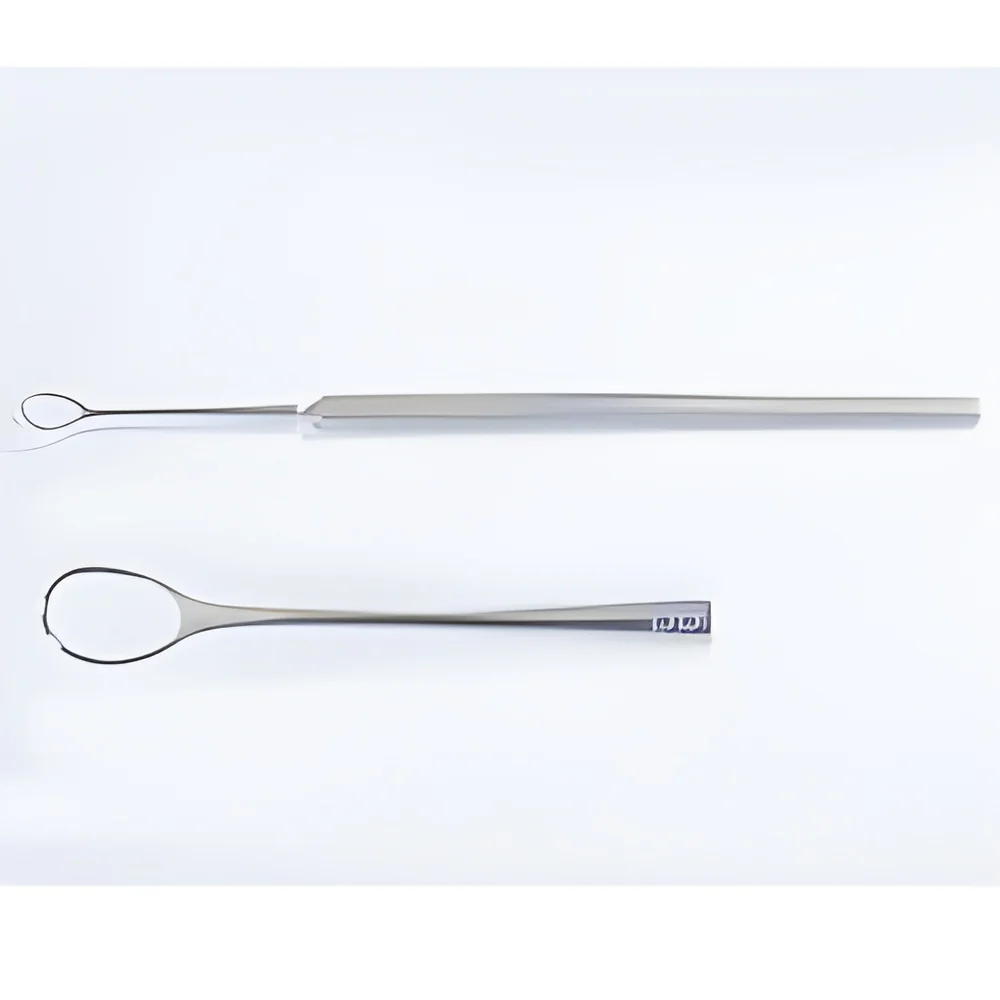
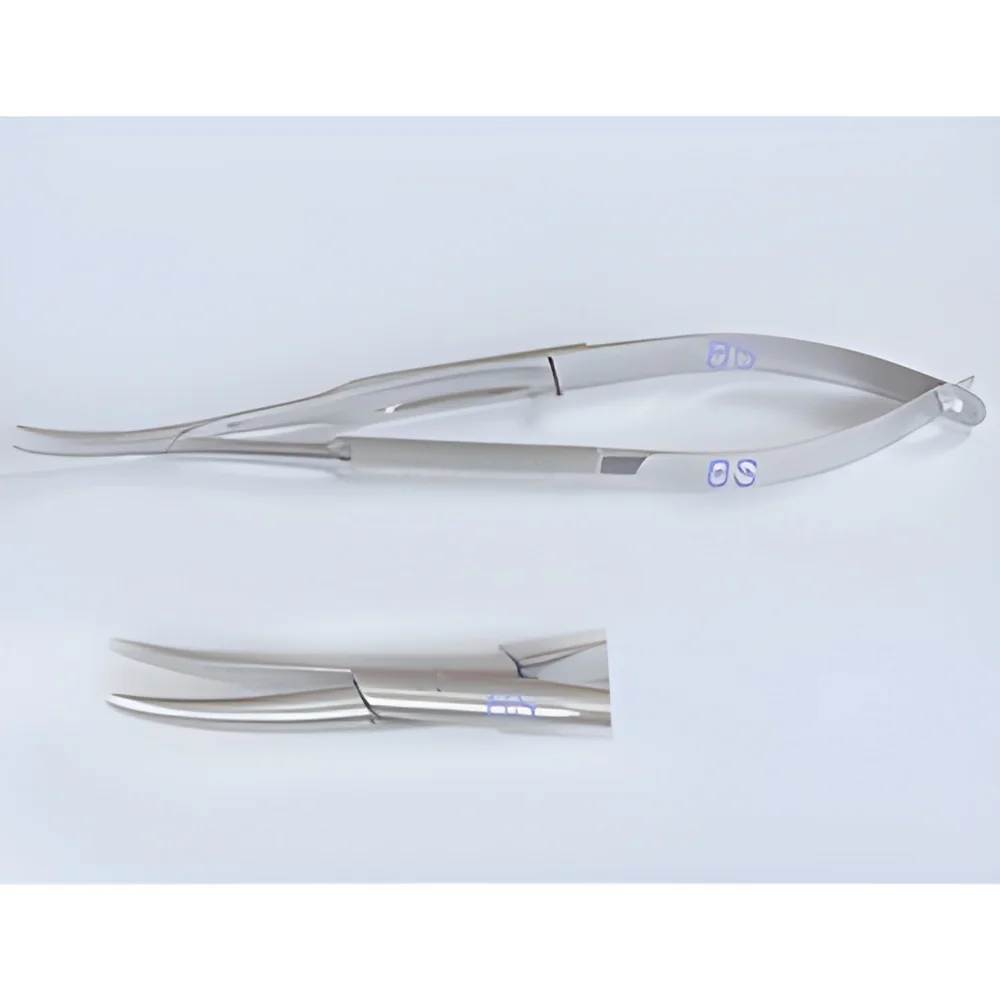
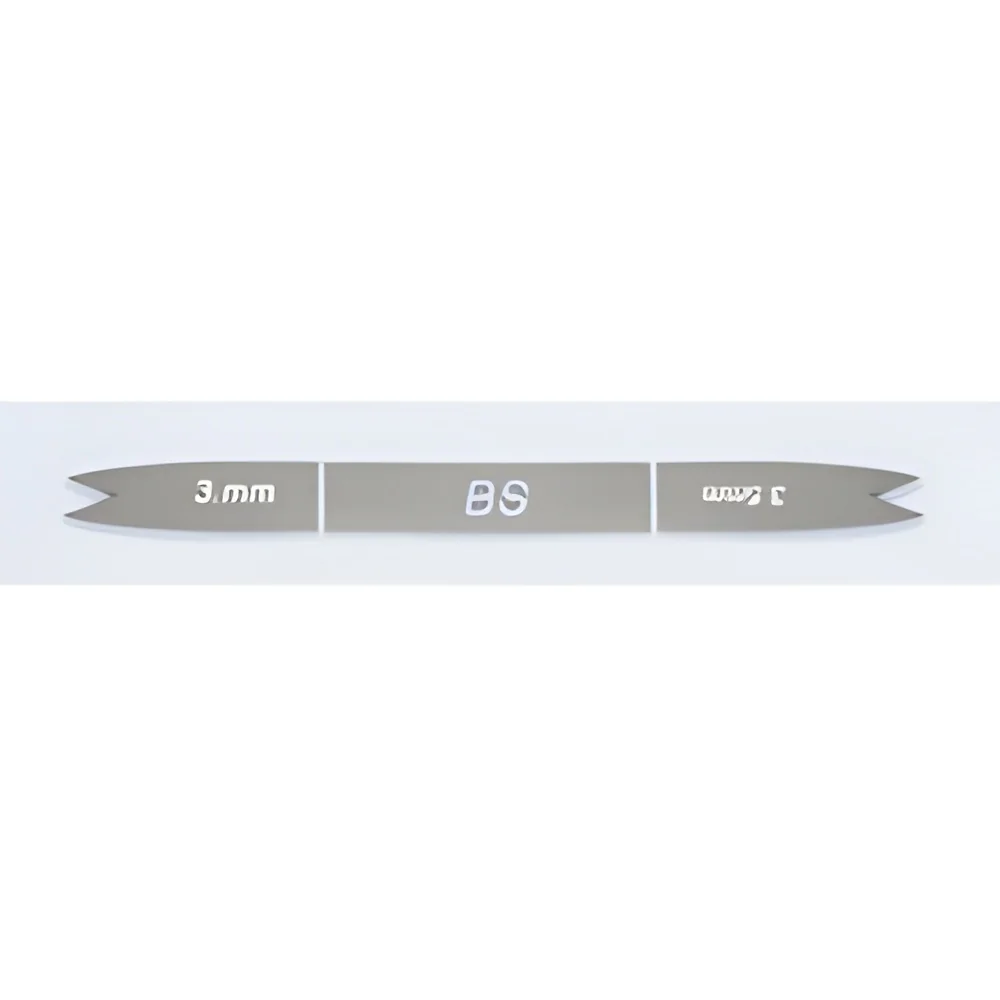
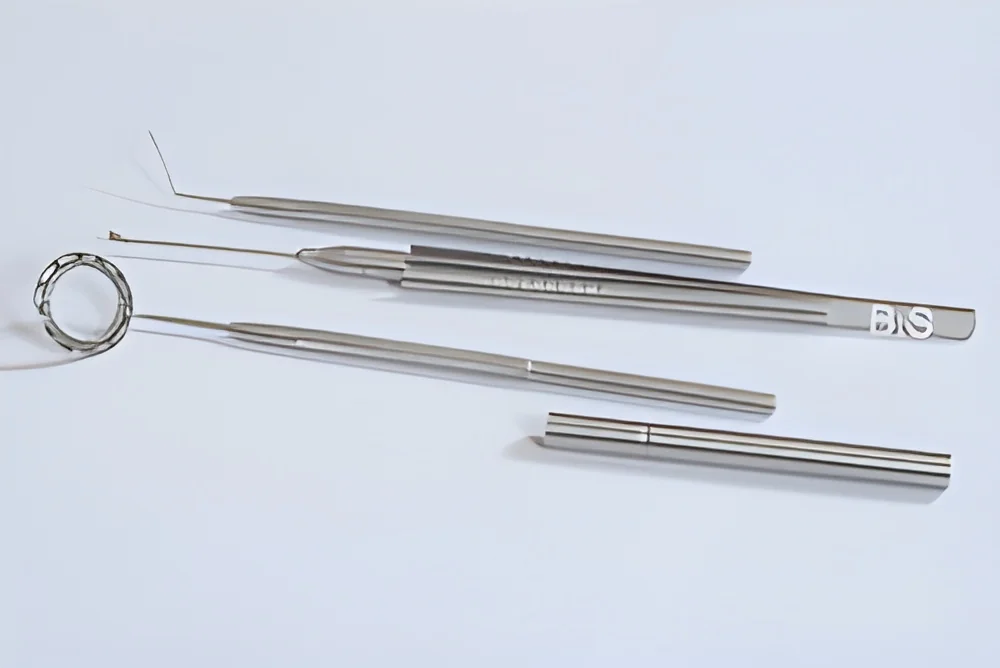
The ICL Set represents the pinnacle of ophthalmic surgical instrumentation, specifically engineered for implantable collamer lens procedures that require millimeter precision. This comprehensive set includes three critical components: the Mendez gauge for precise anterior chamber depth measurements, ICL vitreous forceps for secure lens handling without damage, and IOL manipulator for controlled lens positioning during implantation. Each instrument is crafted from medical-grade stainless steel using precision manufacturing techniques that ensure consistent performance across thousands of procedures. The set complies with international quality standards and features full sterilization compatibility, making it an indispensable toolkit for modern refractive surgery practices seeking reliable, high-performance instruments that enhance both surgical precision and patient safety outcomes.

Ophthalmic surgeons across diverse healthcare environments utilize this ICL Set in their daily surgical ...
The ICL Set represents the pinnacle of ophthalmic surgical instrumentation, specifically engineered for implantable collamer lens procedures that require millimeter precision. This comprehensive set includes three critical components: the Mendez gauge for precise anterior chamber depth measurements, ICL vitreous forceps for secure lens handling without damage, and IOL manipulator for controlled lens positioning during implantation. Each instrument is crafted from medical-grade stainless steel using precision manufacturing techniques that ensure consistent performance across thousands of procedures. The set complies with international quality standards and features full sterilization compatibility, making it an indispensable toolkit for modern refractive surgery practices seeking reliable, high-performance instruments that enhance both surgical precision and patient safety outcomes.

Ophthalmic surgeons across diverse healthcare environments utilize this ICL Set in their daily surgical practice. Major eye hospitals and vision correction centers incorporate these instruments into their standard refractive surgery protocols, while private specialty clinics value them for their exceptional durability and precision in premium ICL procedures. Ambulatory surgery centers depend on the set's unwavering performance during high-volume surgical schedules, and academic teaching hospitals employ them to train surgical residents in advanced lens implantation techniques. The instruments prove particularly valuable in settings performing complex refractive corrections where sub-millimeter precision directly influences visual outcomes and overall patient satisfaction with the surgical results.

Healthcare facilities selecting this ICL Set benefit from reduced procedural complications, enhanced surgical efficiency, and improved patient visual outcomes. The reliability of these precision instruments translates to fewer instrument-related interruptions during surgery, while their exacting design reduces the risk of postoperative complications. Hospitals and surgical centers can anticipate extended instrument lifespan due to superior manufacturing quality and material selection, thereby reducing replacement frequency and maintaining consistent performance across numerous procedures. The set's compatibility with standard sterilization protocols ensures seamless integration into existing surgical workflows, representing a strategic investment for practices committed to delivering exceptional refractive surgery services with operational excellence and outstanding patient care standards.

Key Features:
- Medical-grade stainless steel construction ensuring durability and corrosion resistance
- Precision-engineered Mendez gauge providing accurate anterior chamber measurements
- Specialized ICL vitreous forceps featuring secure grip design for safe lens handling
- IOL manipulator with controlled positioning capability for precise implantation
- Complete sterilization compatibility with autoclave and chemical sterilization methods

Benefits:
- Enhanced surgical precision leading to improved patient outcomes and satisfaction
- Reduced procedural complications through reliable instrument performance
- Extended instrument lifespan lowering long-term replacement costs
- Streamlined surgical workflows increasing operational efficiency
- Consistent performance across thousands of procedures ensuring value retention
Specifications
| Additional Information | |
|---|---|
| Country of Origin | India |
Application
The ICL Set provides essential tools for ophthalmic surgeons performing implantable collamer lens procedures. It enables accurate measurements, secure lens handling, and precise implantation during refractive surgeries. This comprehensive instrument set ensures optimal surgical outcomes and enhanced patient safety in demanding clinical environments where precision and reliability are non-negotiable requirements for successful vision correction procedures.
Hospitals, specialized eye centers, and ambulatory surgical facilities rely on this ICL Set for consistent performance in high-volume surgical settings. The instruments are designed to streamline refractive surgery workflows while maintaining the highest standards of precision. Ophthalmology training programs also utilize these tools to teach advanced lens implantation techniques, ensuring the next generation of surgeons develops proper skills using professional-grade equipment.
- Implantable Collamer Lens insertion procedures for myopia and astigmatism correction
- Refractive surgery suites in multi-specialty hospitals and eye care centers
- High-volume ophthalmic ambulatory surgical centers performing lens surgeries
- Ophthalmology residency programs training surgeons in advanced implantation techniques
- Outreach eye care camps conducting refractive surgery procedures in remote locations
Trade Details
| Available Stock | In Stock |
| Sample Availability | No |
Payment Terms
| Payment Terms |
|
Company Profile

Bharati Surgical Co, Maharashtra
 Maharashtra, India
Health & Personal Care•Manufacturer•Distributor / Wholesaler•Importer / Exporter
Factory Details
Factory SizeBelow 1000 sqm
Annual Production Capacity0
Ophthalmic Surgery ICL Set with Mendez Gauge, Forceps, and Manipulator
Premium ICL Set for ophthalmic surgery includes Mendez gauge, ICL vitreous forceps, and IOL manipulator. Trusted by clinics and hospitals worldwide for precision, reliability, and superior patient outcomes in refractive procedures.
Min. Order Quantity: 1 unit
Shipping
Shipping fee and delivery date to be negotiated. Contact supplier now for more details.
Bharati Surgical Co
 Maharashtra, India
Health & Personal CareManufacturer