IN
IN₹
Apparel & Fashion
Description
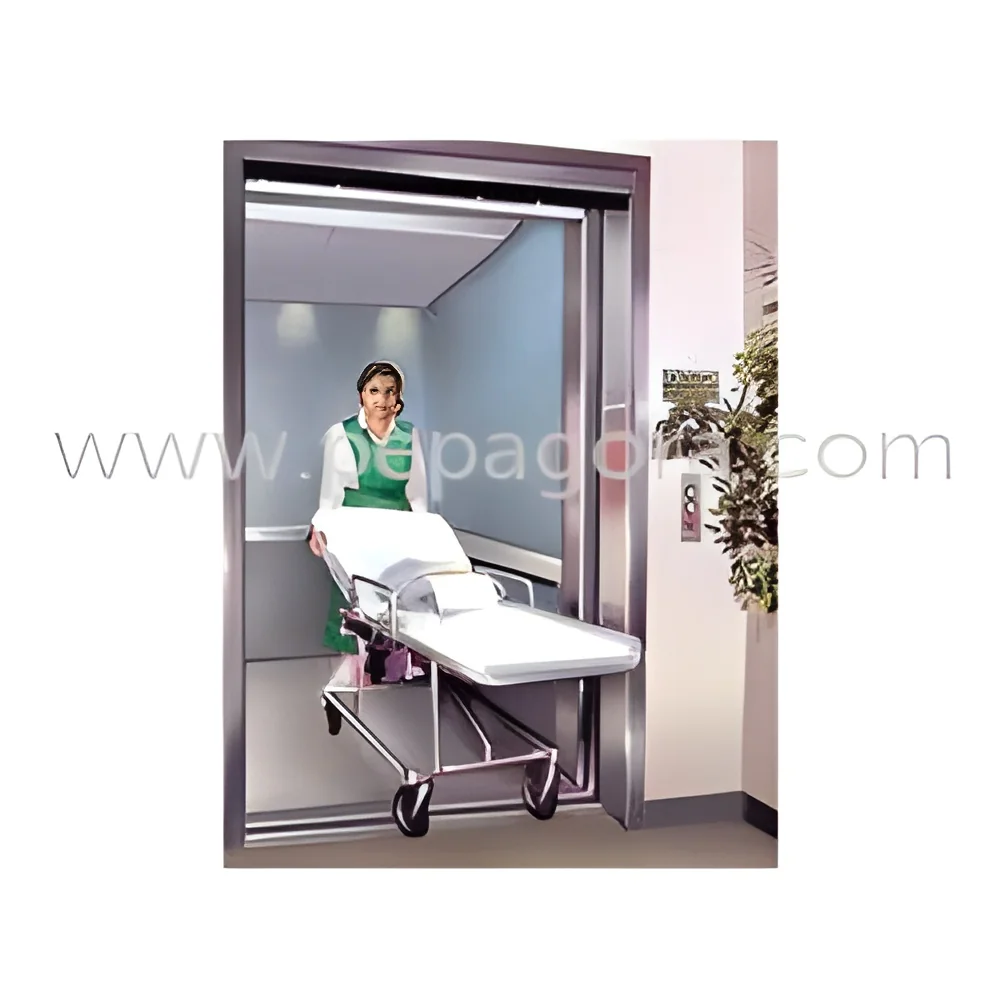
Hospital elevators represent specialized vertical transportation solutions designed exclusively for healthcare environments. Unlike conventional elevators, these systems are engineered to meet the unique demands of medical facilities, combining robust construction with advanced operational features. They feature spacious cabins capable of accommodating hospital beds, medical equipment, and multiple personnel simultaneously. The design prioritizes smooth, precise movement with accurate floor alignment capabilities through inch-up and inch-down push button controls within the cabin. Emergency control systems and comprehensive safety features ensure reliable operation during critical situations, making them indispensable assets in healthcare infrastructure where patient welfare and operational continuity are paramount.

These specialized elevators serve across diverse hospital departments including emergency rooms, surgical suites, intensive care units, patient wards, and diagnostic cente...
Hospital elevators represent specialized vertical transportation solutions designed exclusively for healthcare environments. Unlike conventional elevators, these systems are engineered to meet the unique demands of medical facilities, combining robust construction with advanced operational features. They feature spacious cabins capable of accommodating hospital beds, medical equipment, and multiple personnel simultaneously. The design prioritizes smooth, precise movement with accurate floor alignment capabilities through inch-up and inch-down push button controls within the cabin. Emergency control systems and comprehensive safety features ensure reliable operation during critical situations, making them indispensable assets in healthcare infrastructure where patient welfare and operational continuity are paramount.

These specialized elevators serve across diverse hospital departments including emergency rooms, surgical suites, intensive care units, patient wards, and diagnostic centers. In emergency departments, they facilitate rapid patient transport between triage, imaging, and treatment areas. Surgical floors rely on them for moving patients, medical teams, and sophisticated equipment to operating theaters with minimal vibration. Patient wards utilize these elevators for daily transportation between rooms, therapy areas, and diagnostic facilities while ensuring comfort and safety. They also handle medical supply logistics throughout hospital departments and manage visitor and staff movement across multiple floors while maintaining strict infection control protocols essential in healthcare settings.

The value of hospital elevators extends beyond basic transportation to encompass operational reliability, patient satisfaction, and long-term efficiency. These systems are built with premium components and rigorous quality standards to withstand 24/7 operation in demanding healthcare environments. The reliability factor significantly reduces maintenance costs and operational downtime, which is critical in settings where elevator availability can impact care delivery. Advanced safety features not only protect patients and staff but also minimize liability risks, while energy-efficient operation contributes to lower operational expenses over the elevator's lifecycle, providing lasting value to healthcare facilities.

Key Features:
- Spacious cabin design accommodating hospital beds and medical equipment
- Precise floor alignment with inch-up and inch-down push button controls
- Comprehensive emergency control systems for critical situations
- Vibration-free smooth operation ensuring patient comfort during transport
- Robust construction designed for continuous high-traffic healthcare operation

Benefits:
- Enhanced patient safety and comfort during medical transportation
- Reliable 24/7 operation with minimal maintenance requirements
- Efficient movement of medical staff, equipment, and supplies
- Reduced operational downtime through durable construction
- Long-term cost efficiency through energy-saving operation
Specifications
| Additional Information | |
|---|---|
| Country of Origin | India |
Application
Hospital elevators are engineered specifically for healthcare environments where reliability and safety are critical. These specialized vertical transportation systems handle continuous operation while maintaining strict hygiene standards and accommodating medical equipment, patient beds, and high volumes of staff and visitors throughout demanding daily schedules without compromising performance or safety protocols.
These elevators serve essential functions across multiple hospital departments including emergency rooms, surgical floors, patient wards, and diagnostic centers. Their design prioritizes smooth, vibration-free operation to ensure patient comfort during transport while providing the durability needed for 24/7 healthcare operations with minimal downtime and maximum reliability for critical medical transportation needs.
- Emergency department transport for rapid patient movement between triage, imaging, and treatment areas
- Surgical floor operations moving patients, medical teams, and equipment to operating theaters
- Patient ward transportation for daily movement between rooms, therapy areas, and diagnostic facilities
- Medical supply and equipment logistics throughout hospital departments and storage areas
- Visitor and staff movement across multiple floors while maintaining infection control protocols
Trade Details
| Available Stock | In Stock |
| Sample Availability | No |
Payment Terms
| Payment Terms |
|
Company Profile
Bash Elevators & Escalators Private Limited, Uttar Pradesh
 Uttar Pradesh, India
Uttar Pradesh, IndiaManufacturer•Importer / Exporter
Factory Details
Factory SizeBelow 1000 sqm
Annual Production Capacity0
Main Markets
South Asia
Hospital Elevators Premium High Traffic Medical Safety Systems
Premium hospital elevators for high-traffic medical facilities feature spacious cabins, precise floor alignment, and advanced safety systems ensuring reliable patient transport and operational efficiency in demanding healthcare environments.
Min. Order Quantity: 1 unit
Shipping
Shipping fee and delivery date to be negotiated. Contact supplier now for more details.
Bash Elevators & Escalators Private Limited
 Uttar Pradesh, India
Uttar Pradesh, IndiaManufacturer