IN
IN₹
Apparel & Fashion
Description
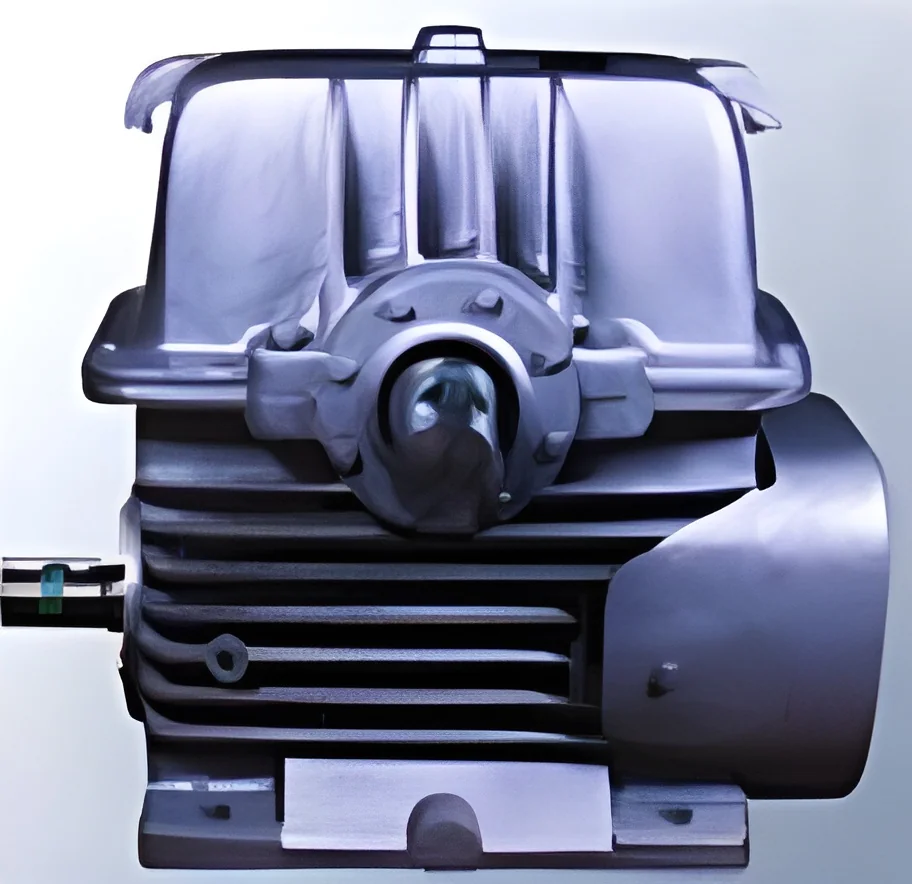
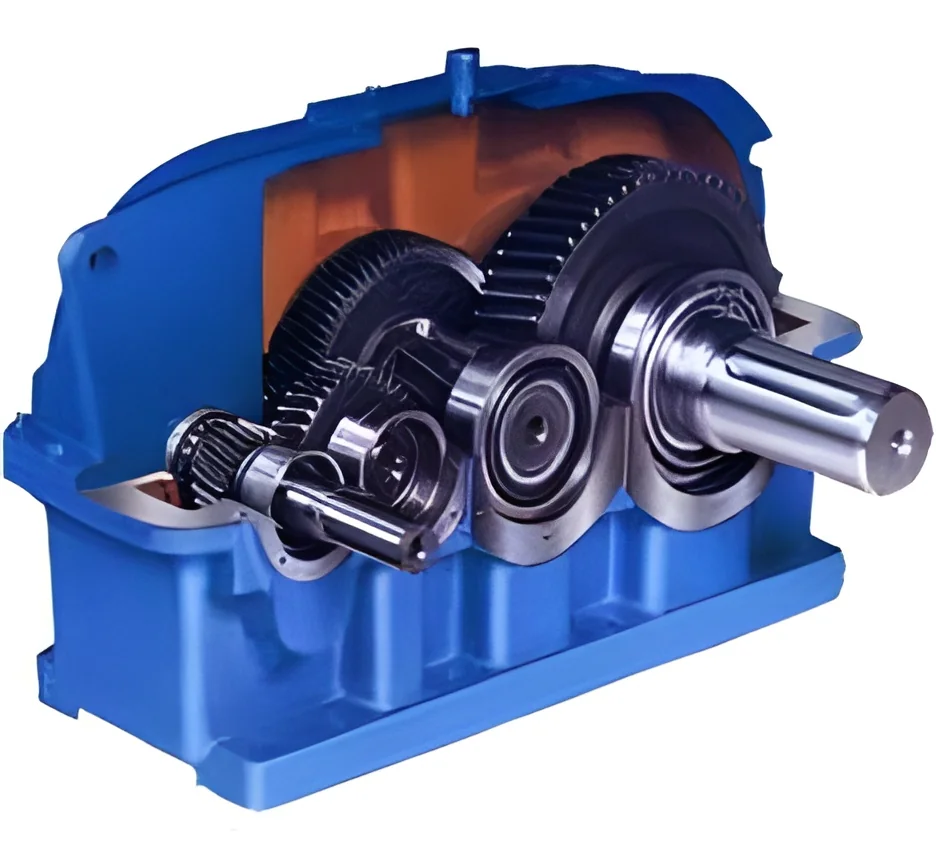
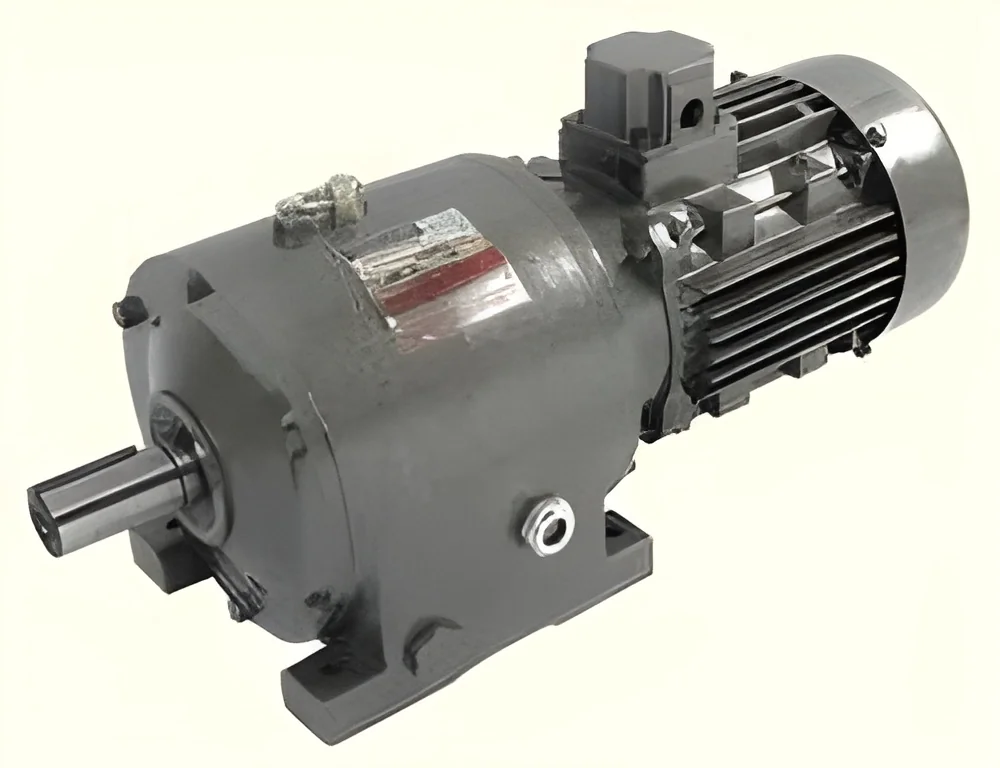
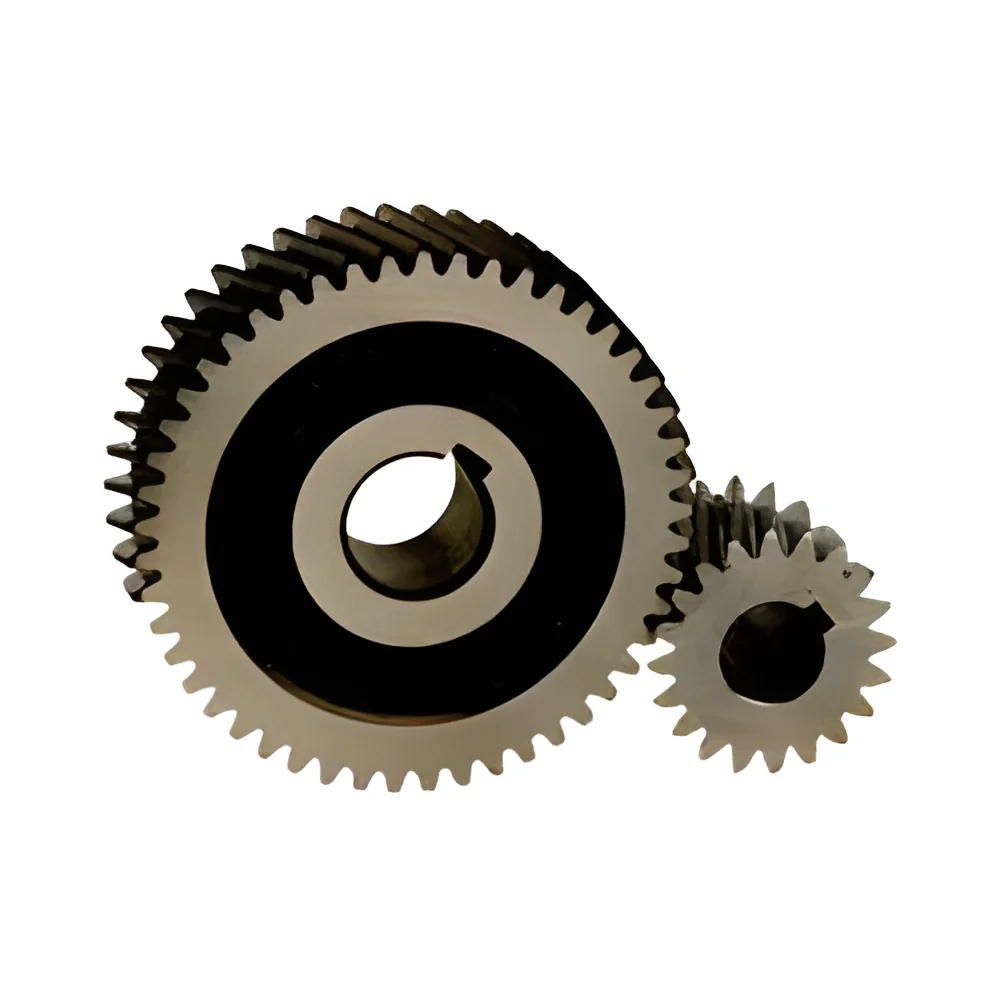
Our industrial helical gears represent advanced power transmission technology designed for superior performance and longevity. These precision-engineered components feature angled teeth that engage gradually, resulting in exceptionally smooth operation and significantly reduced noise levels compared to conventional gear designs. Manufactured from high-grade materials using state-of-the-art machining processes, each gear undergoes rigorous quality control to ensure perfect meshing and optimal performance. The helical design provides higher load carrying capacity and more efficient power transfer, making these gears ideal for applications requiring continuous operation under substantial loads. Their robust construction ensures reliable performance in demanding industrial environments while maintaining consistent efficiency throughout extended service periods.

Helical gears serve critical functions across numerous industrial sectors due to their versatile performance characteristics. In ...
Our industrial helical gears represent advanced power transmission technology designed for superior performance and longevity. These precision-engineered components feature angled teeth that engage gradually, resulting in exceptionally smooth operation and significantly reduced noise levels compared to conventional gear designs. Manufactured from high-grade materials using state-of-the-art machining processes, each gear undergoes rigorous quality control to ensure perfect meshing and optimal performance. The helical design provides higher load carrying capacity and more efficient power transfer, making these gears ideal for applications requiring continuous operation under substantial loads. Their robust construction ensures reliable performance in demanding industrial environments while maintaining consistent efficiency throughout extended service periods.

Helical gears serve critical functions across numerous industrial sectors due to their versatile performance characteristics. In automotive applications, they are essential for transmission systems where quiet operation and smooth power transfer are paramount. Manufacturing industries utilize these gears extensively in conveyor systems, production machinery, and automated equipment where reliability and noise reduction significantly impact operational efficiency. The construction and mining sectors depend on helical gears for heavy equipment requiring durable power transmission under extreme operating conditions. These gears also play vital roles in energy generation equipment, agricultural machinery, and material handling systems where uncompromising performance and reliability are non-negotiable requirements for successful operations.

The business value of our helical gears lies in their exceptional reliability and long-term cost-effectiveness. These components are engineered to minimize operational downtime and reduce maintenance requirements, directly enhancing your operational efficiency and profitability. Their superior wear resistance translates to extended service intervals and reduced replacement costs, while their noise reduction capabilities contribute to improved working environments and regulatory compliance. Our quality assurance processes guarantee that every gear meets stringent performance standards, providing operational consistency and peace of mind for your business. The durability and efficiency of these gears ensure they deliver consistent value throughout their extended service life in your applications.

Key Features:
- Angled teeth design for smooth engagement and quiet operation
- High-grade materials providing exceptional wear resistance
- Precision machining ensuring perfect gear meshing and alignment
- Robust construction for heavy-duty industrial applications
- Rigorous quality control testing for reliability assurance

Benefits:
- Reduced operational noise for improved working environments
- Extended service life minimizing replacement frequency
- Higher load capacity for demanding applications
- Smooth power transfer enhancing system efficiency
- Reduced maintenance requirements lowering operational costs
Specifications
| Additional Information | |
|---|---|
| Country of Origin | India |
Application
Helical gears are engineered for industrial power transmission systems requiring quiet, reliable performance. Their angled teeth engage gradually, reducing operational noise and vibration while handling higher loads than traditional spur gears. This makes them ideal for applications where smooth power transfer and minimal acoustic disturbance are critical requirements across various industrial settings.
These precision components serve multiple sectors including manufacturing, automotive, and heavy machinery industries. Their versatile design accommodates both parallel and perpendicular shaft configurations, ensuring efficient power transmission with minimal energy loss. Industries value helical gears for their ability to maintain consistent performance in high-speed operations and continuous duty cycles without compromising reliability or operational smoothness.
- Automotive transmission systems for smoother shifting and reduced noise
- Industrial conveyor systems in manufacturing and processing plants
- Elevator and lifting mechanisms requiring quiet, reliable operation
- Power generation equipment including turbines and compressors
- Heavy construction and mining equipment for durable power transfer
Trade Details
| Available Stock | In Stock |
| Sample Availability | No |
Payment Terms
| Payment Terms |
|
Company Profile

Bhumi Enterprise, Maharashtra
 Maharashtra, India
Maharashtra, IndiaTools & Hardware•Manufacturer•Trading Company•Distributor / Wholesaler
Factory Details
Factory SizeBelow 1000 sqm
Annual Production Capacity0
Main Markets
Domestic
Industrial Helical Gears For Noise Reduction And Durability
Industrial helical gears deliver superior noise reduction and exceptional durability for heavy-duty power transmission systems. These precision gears ensure smooth operation and extended service life in demanding industrial applications.
Min. Order Quantity: 1 unit
Shipping
Shipping fee and delivery date to be negotiated. Contact supplier now for more details.
Bhumi Enterprise
 Maharashtra, India
Maharashtra, IndiaTools & HardwareManufacturer