IN
IN₹
Apparel & Fashion
Description
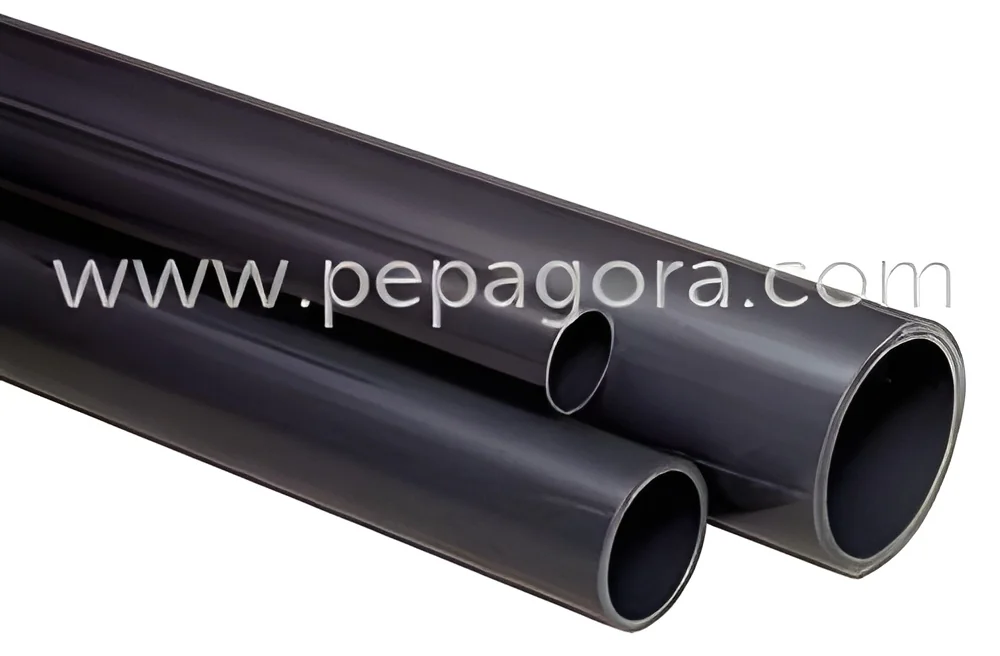
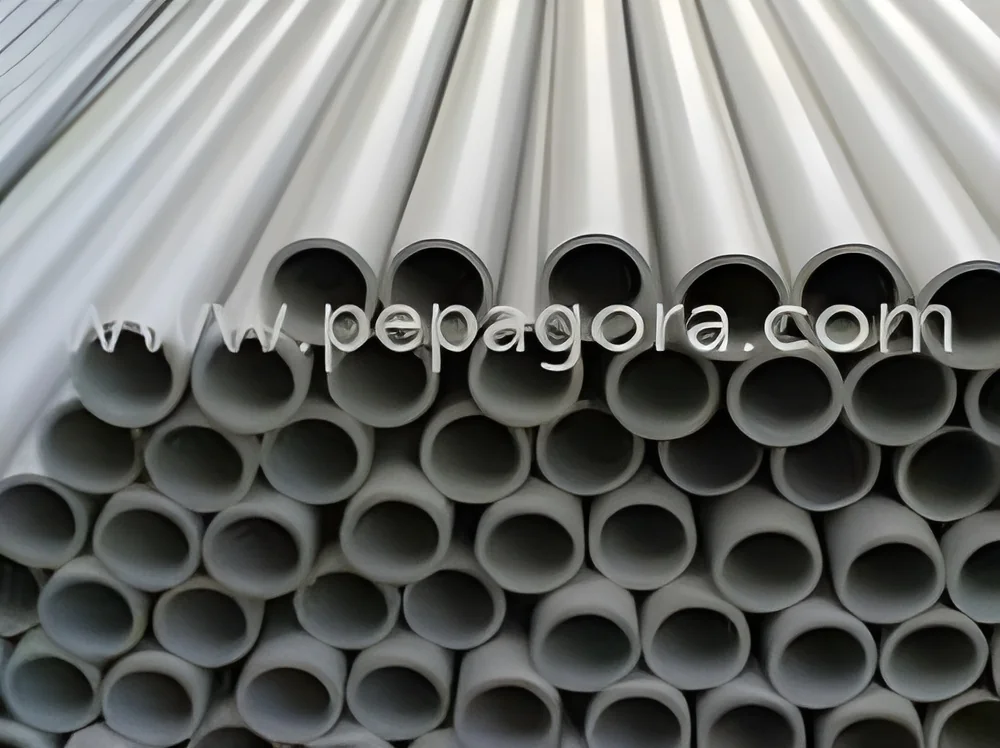
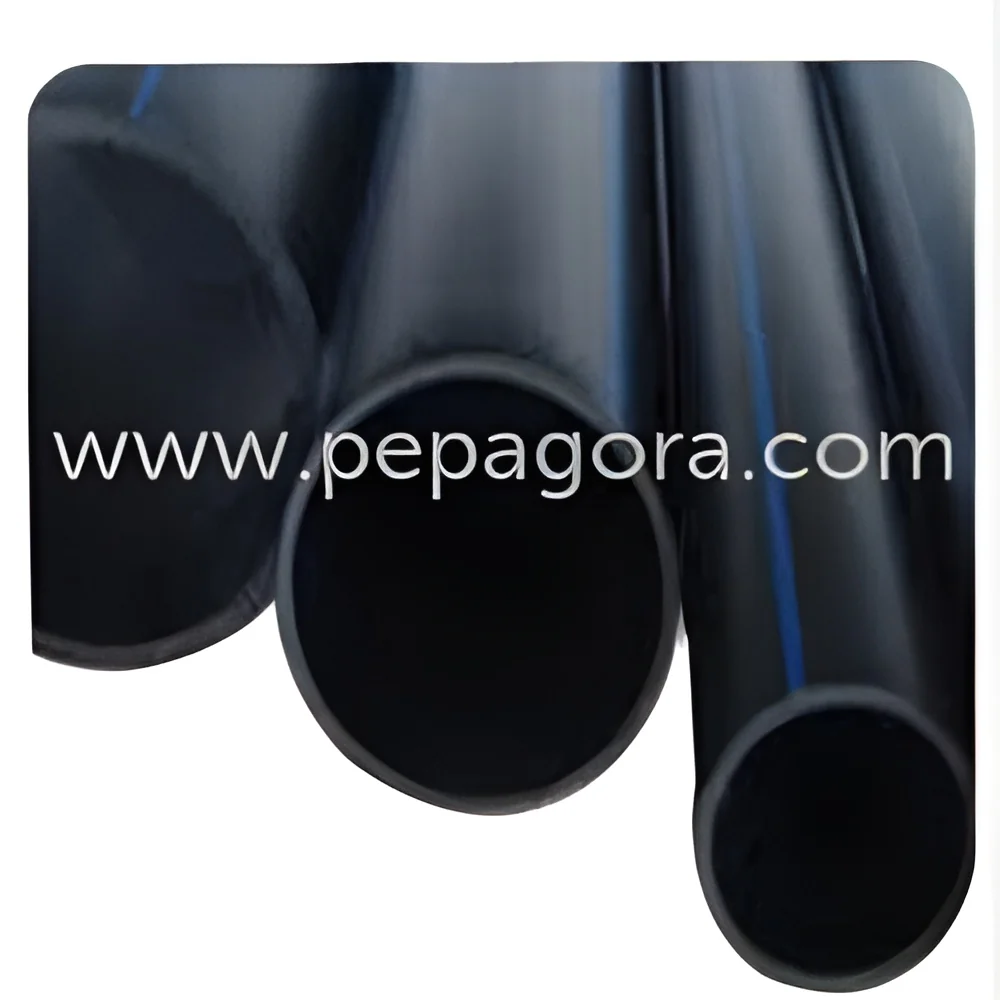
Industrial HDPE pipes represent the advanced solution for reliable fluid transport in demanding environments. Manufactured from high-density polyethylene using precision extrusion technology, these pipes offer superior chemical inertness that withstands aggressive substances without degradation or contamination risks. The robust construction ensures long-term performance under high-pressure conditions, while the smooth interior surface minimizes friction loss and prevents scaling buildup. Each pipe undergoes comprehensive quality control including hydrostatic testing and thorough inspection to guarantee consistent reliability. Available in various lengths, diameters, and pressure ratings, these HDPE pipes provide versatile solutions for industrial applications where chemical resistance and durability are essential requirements.

These pipes serve critical roles across multiple industrial sectors including water treatment facilities, chemical manufacturing plants, mining operations, agr...
Industrial HDPE pipes represent the advanced solution for reliable fluid transport in demanding environments. Manufactured from high-density polyethylene using precision extrusion technology, these pipes offer superior chemical inertness that withstands aggressive substances without degradation or contamination risks. The robust construction ensures long-term performance under high-pressure conditions, while the smooth interior surface minimizes friction loss and prevents scaling buildup. Each pipe undergoes comprehensive quality control including hydrostatic testing and thorough inspection to guarantee consistent reliability. Available in various lengths, diameters, and pressure ratings, these HDPE pipes provide versatile solutions for industrial applications where chemical resistance and durability are essential requirements.

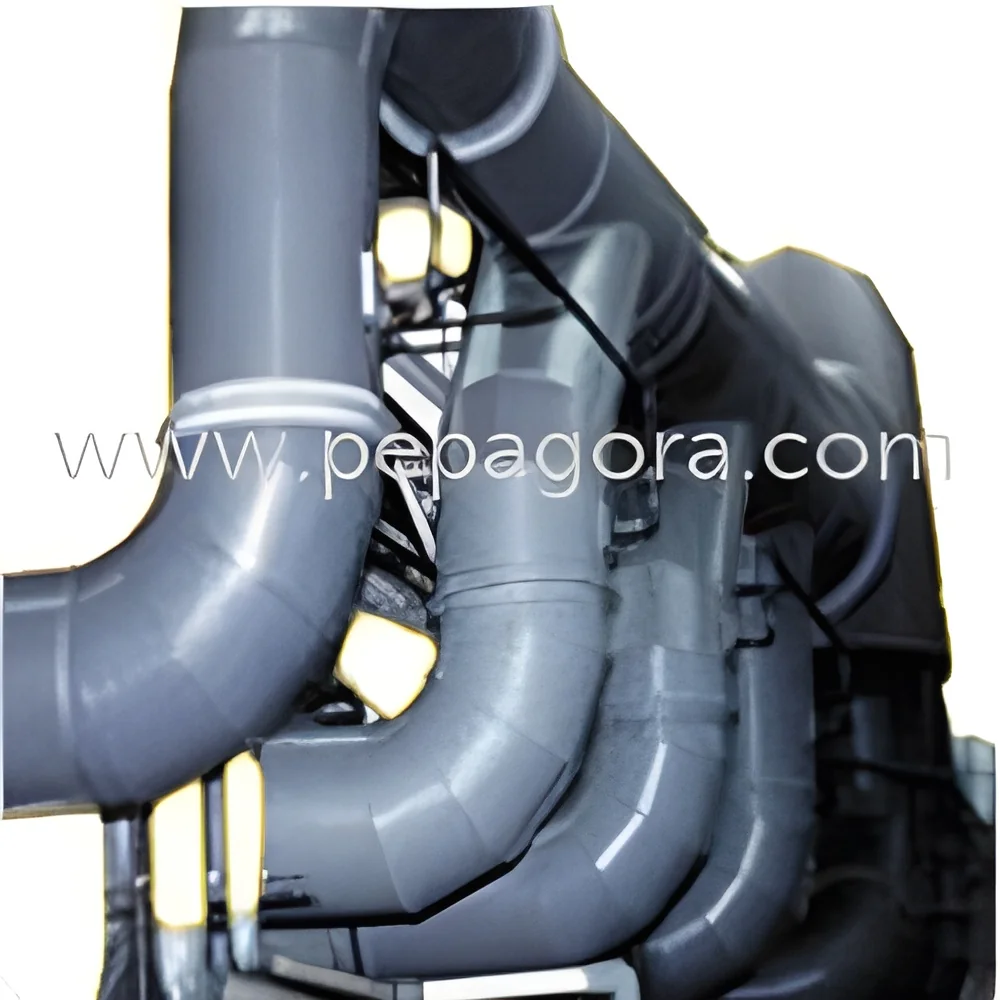
These pipes serve critical roles across multiple industrial sectors including water treatment facilities, chemical manufacturing plants, mining operations, agricultural irrigation systems, and industrial processing units. In water infrastructure projects, they ensure safe drinking water transportation without risk of corrosion or contamination. Chemical plants utilize them for handling corrosive substances where traditional metal pipes would deteriorate rapidly. Mining operations depend on their exceptional abrasion resistance for slurry transportation, while agricultural applications benefit from their longevity in irrigation systems. Industrial facilities choose HDPE for effluent handling due to its resistance to chemical attack and environmental stress cracking.

The operational value of these HDPE pipes lies in their proven reliability and long-term cost-effectiveness throughout their service life. These pipes significantly reduce maintenance expenses through their inherent corrosion resistance and minimal leakage rates achieved through heat-fused joints that create continuous, monolithic systems. Their lightweight nature simplifies transportation and installation processes, reducing project timelines and labor requirements. The material's flexibility enables trenchless installation methods that minimize environmental disruption and restoration costs. With a service life exceeding 50 years, HDPE pipes deliver superior return on investment compared to alternative piping materials. Our quality assurance processes including material certification and performance testing ensure dependable performance that engineers trust for critical infrastructure projects.

Key Features:
- Exceptional chemical resistance handles aggressive industrial substances
- High impact strength and pressure capacity for demanding applications
- Heat-fused joint systems create leak-proof continuous pipelines
- Multiple diameter options and customizable pressure ratings available
- UV stabilized composition ensures durability in above-ground installations

Benefits:
- Long service life exceeding 50 years reduces replacement frequency
- Minimal maintenance requirements lower operational costs significantly
- Lightweight construction simplifies handling and installation processes
- Leak-proof joint systems prevent fluid loss and environmental contamination
- Resistance to corrosion and abrasion ensures consistent performance
Specifications
| Additional Information | |
|---|---|
| Country of Origin | India |
Application
Industrial HDPE pipes provide exceptional chemical resistance and durability for demanding fluid transport applications. Their corrosion-resistant properties make them ideal for handling aggressive chemicals, potable water, and industrial slurries while maintaining system integrity over decades of service. The material's flexibility and strength withstand ground movement and environmental stresses, ensuring reliable performance in both underground and above-ground installations across various industrial sectors.
These pipes serve critical functions in water management systems, chemical processing facilities, mining operations, agricultural irrigation, and industrial effluent handling. Available in multiple diameter sizes and pressure ratings, they meet specific project requirements through rigorous quality testing and certification processes. The leak-proof joint systems and abrasion-resistant construction make them suitable for high-demand applications where traditional piping materials often fail prematurely.
- Municipal water distribution networks requiring safe, contamination-free transport
- Chemical processing plants handling corrosive acids, alkalis, and solvents
- Mining operations for slurry transportation and tailings management systems
- Agricultural irrigation projects needing durable, long-lasting piping solutions
- Industrial wastewater and effluent handling in manufacturing facilities
Trade Details
| Available Stock | In Stock |
| Sample Availability | No |
Payment Terms
| Payment Terms |
|
Company Profile
Deepak Plastic Fabricators, Maharashtra
 Maharashtra, India
Maharashtra, IndiaIndustrial Equipment & Machinery•Manufacturer•Trading Company•Importer / Exporter
Factory Details
Factory SizeBelow 1000 sqm
Annual Production Capacity0
Industrial HDPE Pipes For Chemical And Water Transport
Industrial HDPE pipes for chemical and water transport deliver premium corrosion-resistant performance. These durable pipes feature chemical inertness and reliability for mining, water supply, and chemical applications with custom sizing options available.
Min. Order Quantity: 1 unit
Shipping
Shipping fee and delivery date to be negotiated. Contact supplier now for more details.
Deepak Plastic Fabricators
 Maharashtra, India
Maharashtra, IndiaIndustrial Equipment & MachineryManufacturer