IN
INundefined
Apparel & Fashion
Loading subcategories...
View More
Description
Geotextile fabric is a specialized permeable textile engineered for geotechnical applications, designed to interact with soil to improve its performance characteristics. Manufactur...
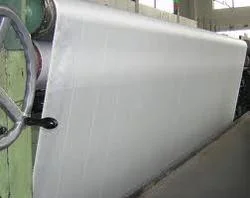
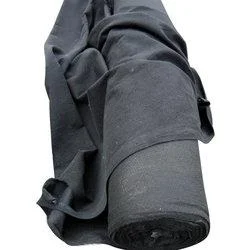
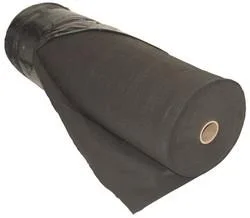
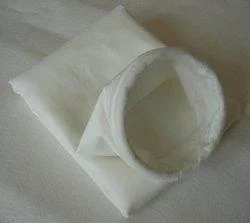
Geotextile fabric is a specialized permeable textile engineered for geotechnical applications, designed to interact with soil to improve its performance characteristics. Manufactured primarily from polypropylene or polyester, this synthetic material comes in woven and non-woven variants, each offering distinct mechanical and hydraulic properties. The fabric's primary functions include separation of dissimilar soil layers, filtration of water while retaining soil particles, drainage facilitation, and reinforcement of weak soils. Its engineered structure provides consistent performance in challenging environments, resisting biological degradation and maintaining integrity under various stress conditions. This makes it an indispensable component in modern construction methodologies where soil interaction is critical to project success.

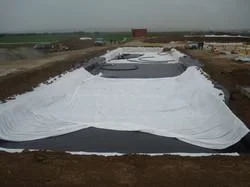
This product finds extensive application across multiple sectors where soil management is paramount. In transportation infrastructure, it stabilizes road bases and railway ballast, extending service life and reducing maintenance frequency. Environmental engineering projects utilize geotextiles in landfill containment systems, erosion control blankets, and stormwater management facilities. The agricultural sector employs these fabrics for improved field drainage and greenhouse floor management, while mining operations use them for tailings containment and access road stabilization. Urban development projects incorporate geotextiles in retaining wall construction, plaza deck drainage, and green roof systems, demonstrating the material's versatility in both conventional and innovative applications.

Businesses achieve significant value through geotextile fabric's ability to reduce project risks and long-term costs while enhancing structural performance. The material's reliability stems from consistent manufacturing standards that ensure predictable behavior under specified conditions. By preventing soil erosion, improving drainage efficiency, and reinforcing weak substrates, geotextiles minimize construction delays and future remediation expenses. Their durability against ultraviolet exposure, chemical interactions, and mechanical stresses provides assurance of long-term performance. Suppliers offer technical specifications that match engineering requirements, ensuring suitability for specific load conditions, hydraulic needs, and environmental exposures, making this fabric a trusted solution for professionals seeking dependable geotechnical materials.

Key Features:
- High tensile strength and puncture resistance for demanding installation and service conditions
- Engineered permeability allows controlled water passage while filtering soil particles
- UV stabilization and chemical resistance for long-term outdoor performance
- Available in woven (for reinforcement) and non-woven (for filtration/drainage) types
- Consistent roll dimensions and material properties for predictable project outcomes

Benefits:
- Extends infrastructure lifespan by preventing soil intermixing and base contamination
- Reduces long-term maintenance costs through effective erosion and drainage control
- Enhances construction safety by stabilizing weak soils and slopes
- Provides reliable performance across varying environmental and load conditions
- Offers predictable engineering behavior with standardized material specifications
Specifications
| Additional Information | |
|---|---|
| Country of Origin | India |
| Customisable | No |
Application
Geotextile fabric is a fundamental material in civil engineering, providing essential functions of separation, filtration, drainage, and reinforcement. It prevents intermixing of soil layers, enhances water flow management, and adds structural integrity to various construction projects, from roadways to embankments. Its engineered permeability allows for effective filtration while maintaining soil stability.

This versatile fabric serves critical roles across infrastructure development, environmental protection, and land management. Industries including transportation, water resources, mining, and agriculture rely on its consistent performance to address soil-related challenges. The material's durability and adaptability to different site conditions make it a reliable choice for both temporary works and permanent installations, ensuring project longevity and reduced maintenance.
- Road and railway construction for subgrade stabilization and separation of aggregate layers
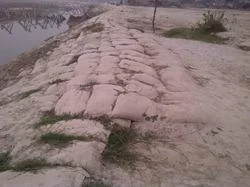
- Slope and embankment protection for erosion control on highways and riverbanks
- Landfill engineering as part of composite liner systems and leachate collection
- Drainage systems behind retaining walls and in athletic field construction
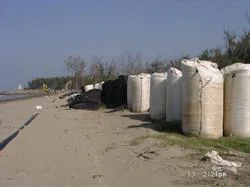
- Coastal and shoreline reinforcement to prevent erosion and protect infrastructure
Trade Details
| Available Stock | In stock |
| Sample Availability | No |
Payment Terms
| Payment Terms |
|
Company Profile
Hi-Tech Speciality Fabrics (Exports) Pvt Ltd, Gujarat
 Gujarat, India
Gujarat, IndiaApparel & Fashion•Manufacturer
Factory Details
Factory SizeBelow 1000 sqm
Annual Production Capacity0
Geotextile Fabric for Soil Stabilization Erosion Control and Drainage
Premium geotextile fabric for soil stabilization, erosion control, and drainage. High-strength, permeable material trusted by civil engineers and contractors for construction and environmental projects worldwide.
Min. Order Quantity: 1 units
Shipping
Shipping fee and delivery date to be negotiated. Contact supplier now for more details.
Hi-Tech Speciality Fabrics (Exports) Pvt Ltd Gujarat, India
Gujarat, IndiaApparel & FashionManufacturer