- Steel Industry
- Cement Industry
- Mining Industry
- Power Generation
- Heavy Engineering
- Manufacturing Industry
- Material Handling
- Chemical & Process Industry
- Industrial Machinery
- Paper & Pulp Industry

 IN
IN₹
Apparel & Fashion
Description
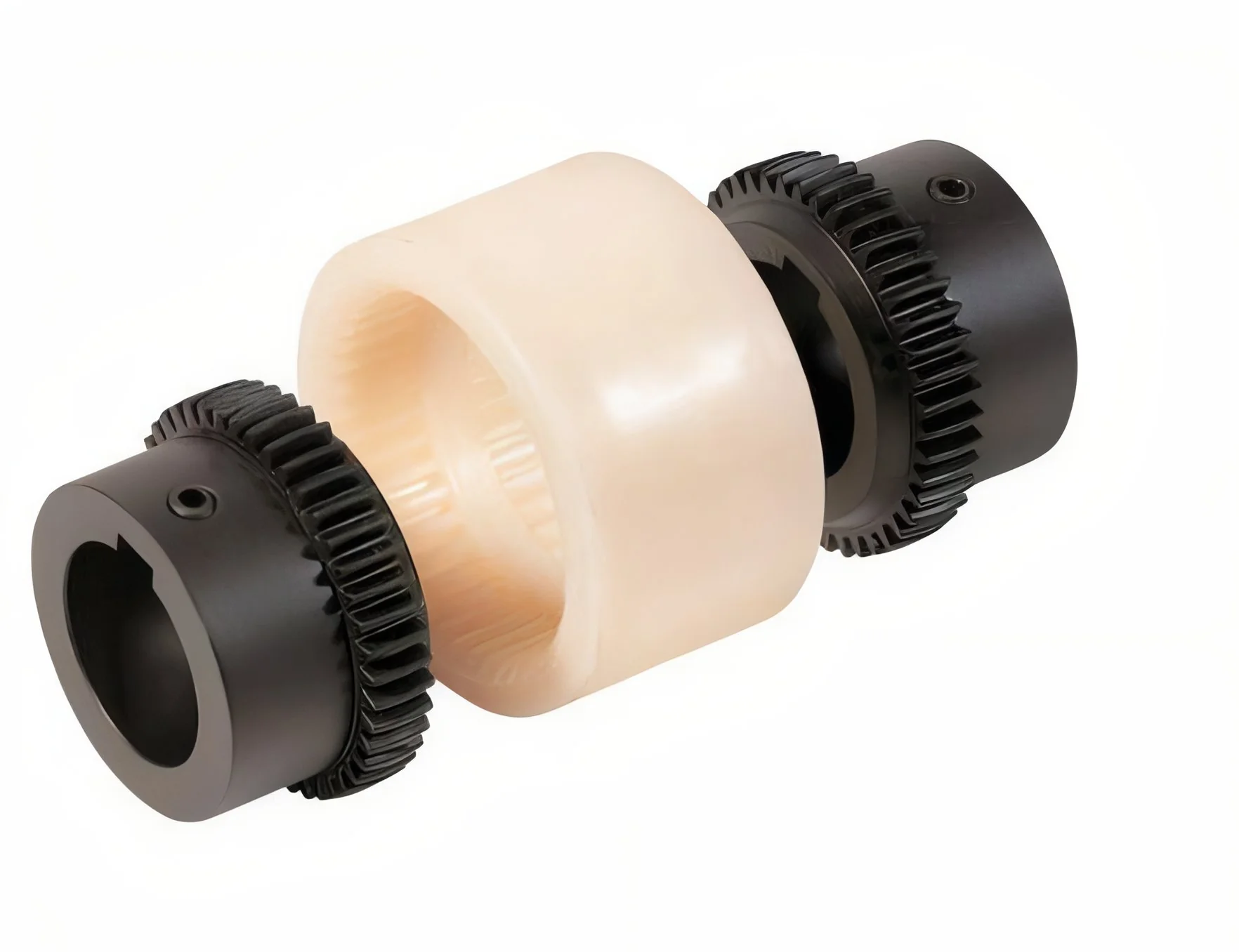
Heavy duty gear couplings are precision mechanical components designed to connect two rotating shafts for efficient torque transmission while accommodating various misalignments. Their construction features two hubs with external gear teeth that mesh precisely with a sleeve containing internal teeth. This design allows for the smooth transfer of high power loads even when shafts are not perfectly aligned, managing angular, parallel, and axial displacements effectively. Manufactured from high-strength alloy steels and often heat-treated for enhanced durability, these couplings are built to withstand the extreme demands of heavy industrial applications. They play a crucial role in power transmission systems by managing shock loads and dampening vibrations, ensuring reliable operation in challenging environments where failure is not an option. These robust couplings serve critical functions across multiple heavy industries where high torque and reliability are essential. In steel manufact...
Heavy duty gear couplings are precision mechanical components designed to connect two rotating shafts for efficient torque transmission while accommodating various misalignments. Their construction features two hubs with external gear teeth that mesh precisely with a sleeve containing internal teeth. This design allows for the smooth transfer of high power loads even when shafts are not perfectly aligned, managing angular, parallel, and axial displacements effectively. Manufactured from high-strength alloy steels and often heat-treated for enhanced durability, these couplings are built to withstand the extreme demands of heavy industrial applications. They play a crucial role in power transmission systems by managing shock loads and dampening vibrations, ensuring reliable operation in challenging environments where failure is not an option. These robust couplings serve critical functions across multiple heavy industries where high torque and reliability are essential. In steel manufacturing, they drive rolling mills and continuous casting equipment with precision and strength. The mining sector depends on them for conveyor systems, crushers, and grinding mills that face constant sh
Specifications
| Key Attributes | |
|---|---|
| Product Type | Heavy Duty Gear Coupling |
| Product Category | Industrial Shaft Coupling |
| Torque Capacity | High Torque Transmission |
| Construction | Gear-Tooth Coupling Assembly |
| Misalignment Compensation | Angular, Parallel & Axial* |
| Material | Alloy Steel / Hardened Steel* |
| Lubrication | Grease / Application-Specific Lubrication |
| Application | Heavy Machinery & Power Transmission |
| Key Features | High Torque Capacity, Robust Construction, Misalignment Compensation & Reliable Power Transmission |
| Primary Industries | Steel, Cement, Mining, Power, Heavy Engineering & Manufacturing |
| Additional Information | |
|---|---|
| Country of Origin | India |
Application
Trade Details
| Available Stock | In Stock |
| Sample Availability | No |
Payment Terms
| Payment Terms |
|
Company Profile

deepak ind hydraulics, Tamil Nadu
 Tamil Nadu, India
Tamil Nadu, IndiaIndustrial Equipment & Machinery•Manufacturer•Distributor / Wholesaler•Retailer
Factory Details
Factory SizeBelow 1000 sqm
Annual Production Capacity0
Frequently Asked Questions
1
What is a Gear Coupling?
A gear coupling is a mechanical shaft coupling that uses mating gear teeth to transmit torque between two shafts while accommodating specified amounts of misalignment.
2
What types of misalignment can a gear coupling accommodate?
Depending on its design, a gear coupling can accommodate angular, parallel/offset and axial misalignment within specified limits.
3
Why are gear couplings used for high-torque applications?
Their geared construction provides substantial tooth contact for transmitting torque, making them suitable for heavy-duty industrial power-transmission applications.
4
Does a gear coupling eliminate the need for shaft alignment?
No. Proper shaft alignment remains important. The coupling is designed to accommodate controlled operating misalignment, not severe installation errors.
5
Does a gear coupling require lubrication?
Many gear couplings require periodic grease lubrication to reduce tooth friction and wear. The correct lubricant and maintenance interval depend on the coupling design.
Heavy Duty Gear Couplings For High Torque And Misalignment Compensation
Heavy duty gear couplings transmit high torque and compensate for shaft misalignment in demanding industrial machinery, steel mills, conveyors, and heavy equipment applications.
Min. Order Quantity: 1 piece
Shipping
Shipping fee and delivery date to be negotiated. Contact supplier now for more details.
deepak ind hydraulics
 Tamil Nadu, India
Tamil Nadu, IndiaIndustrial Equipment & MachineryManufacturer