IN
IN₹
Description
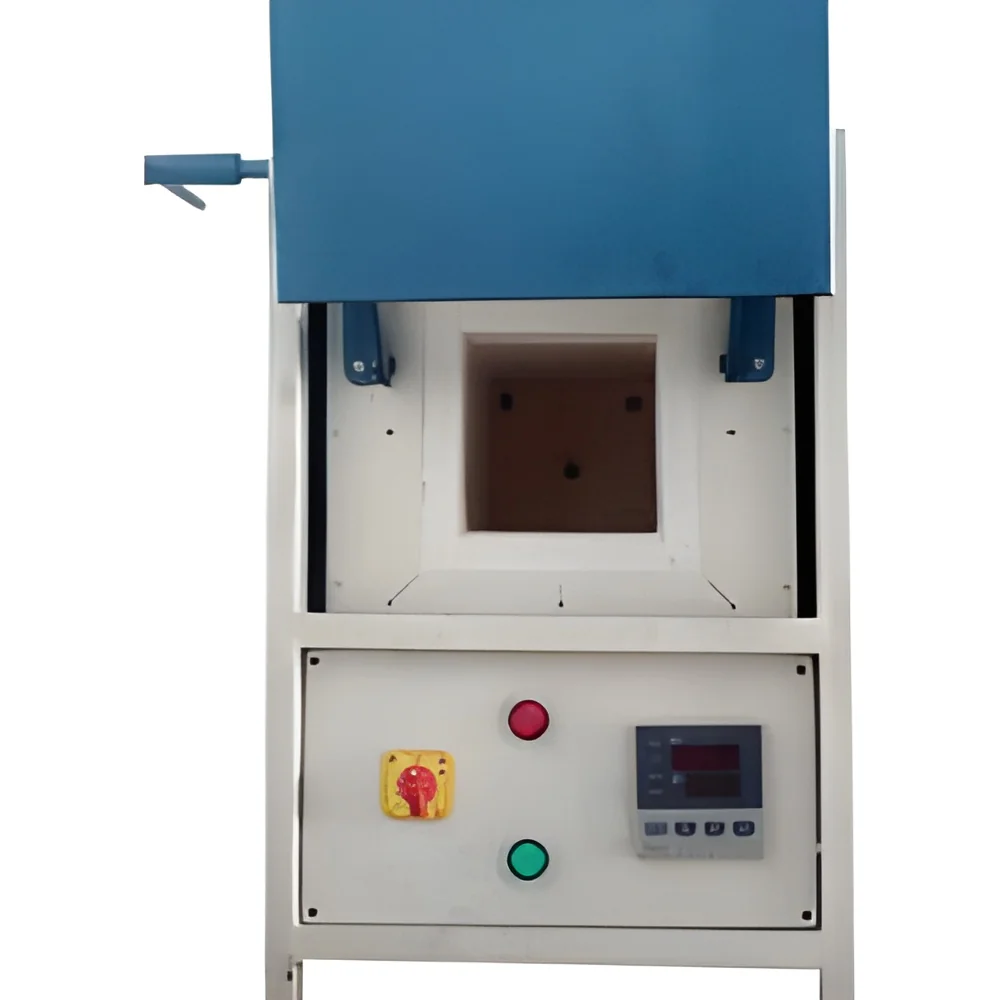
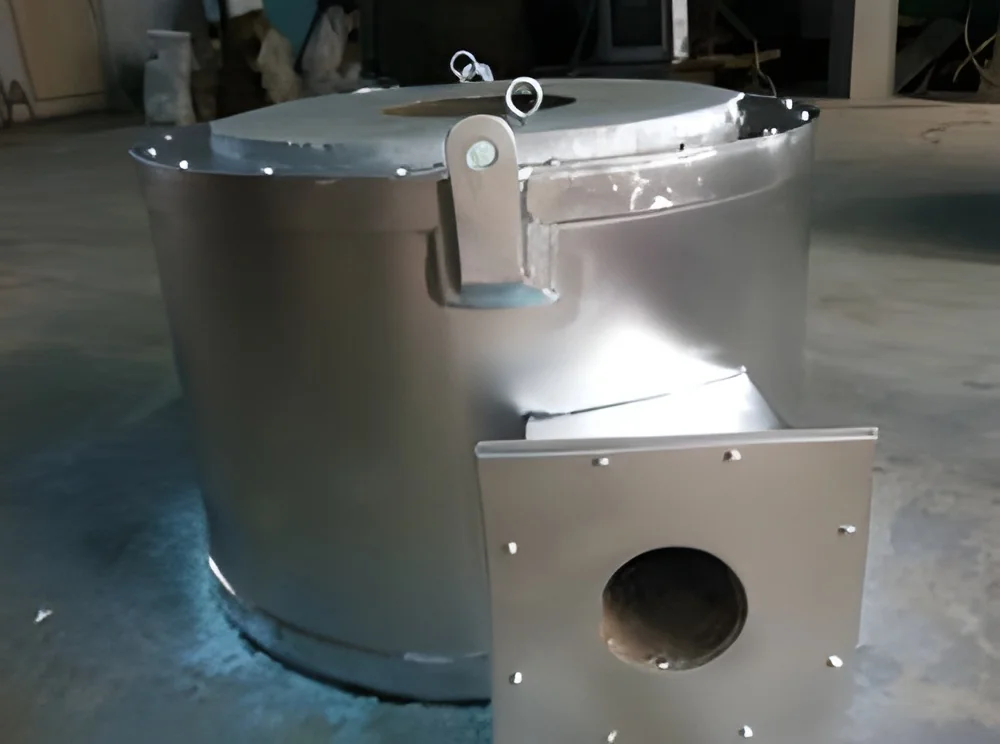
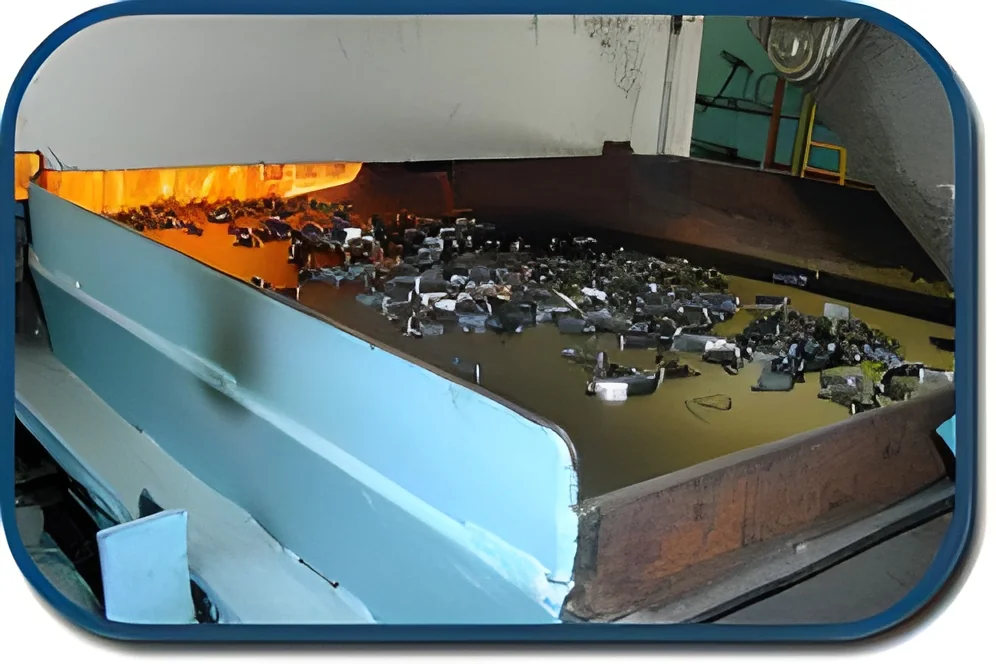
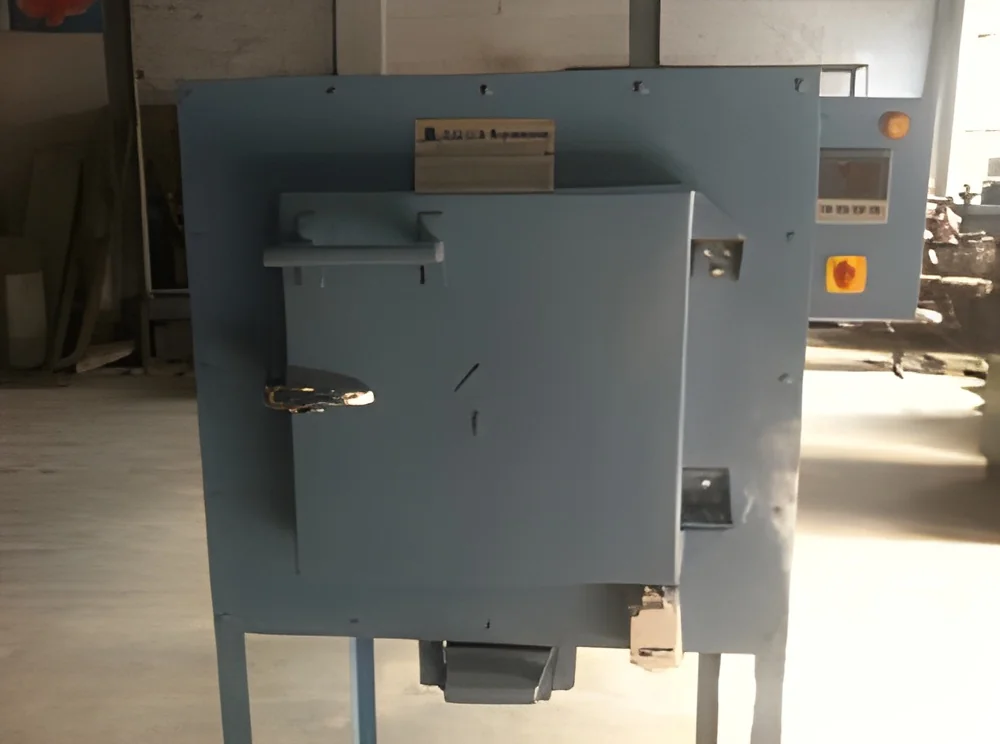
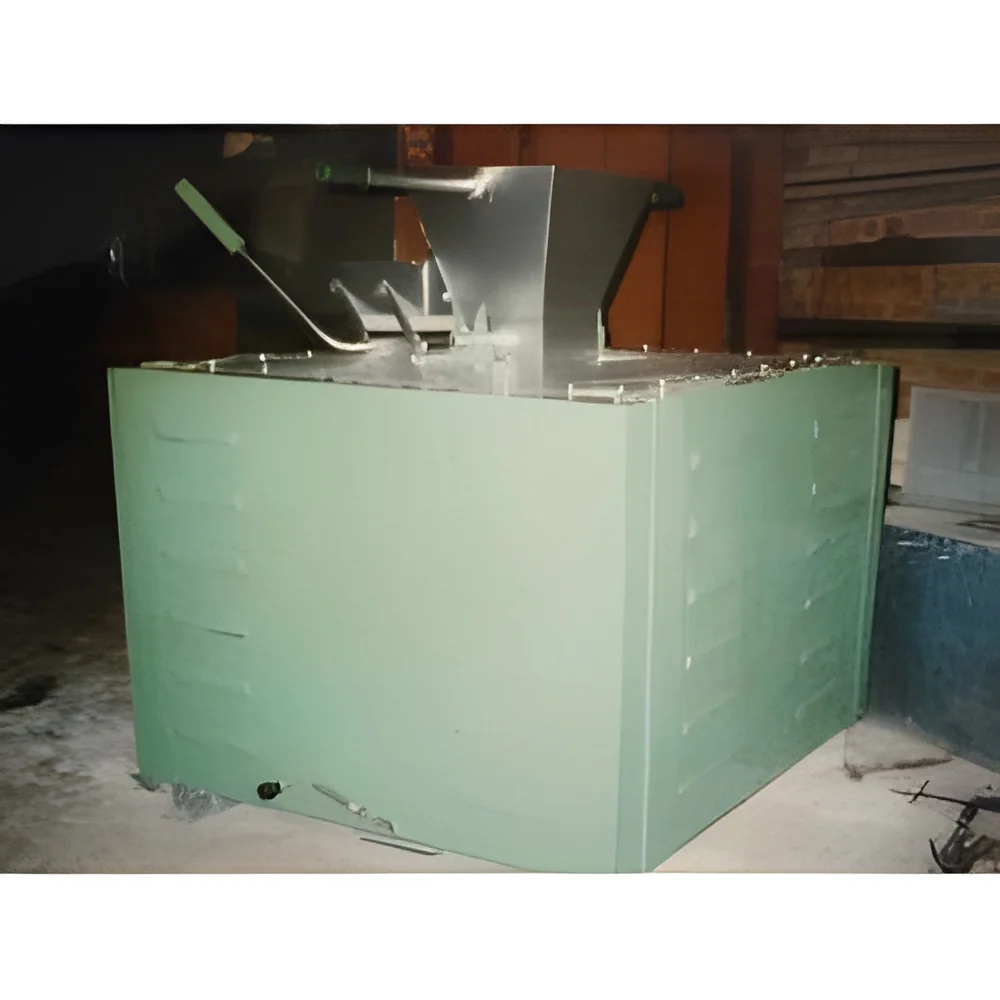
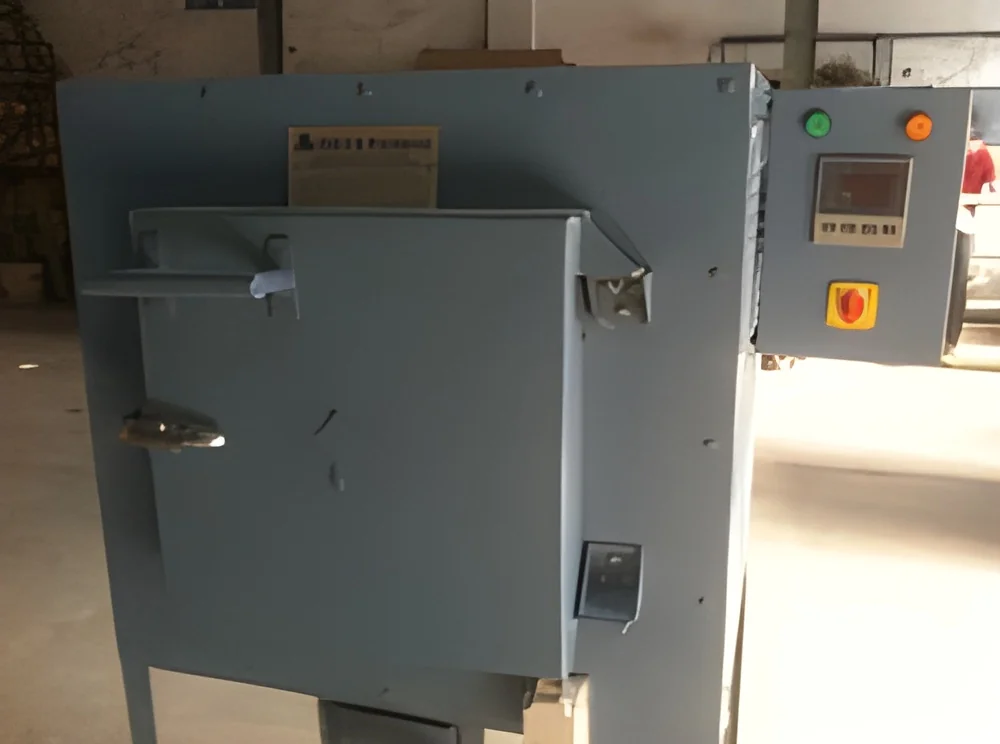
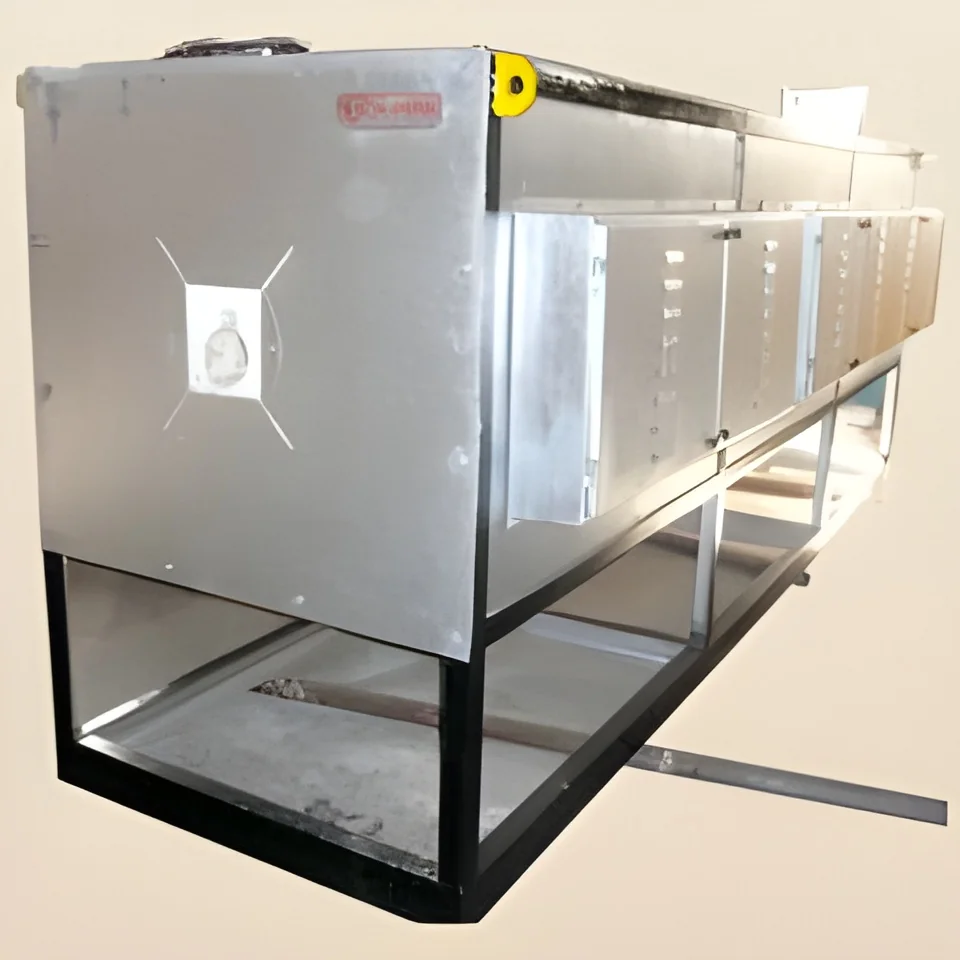
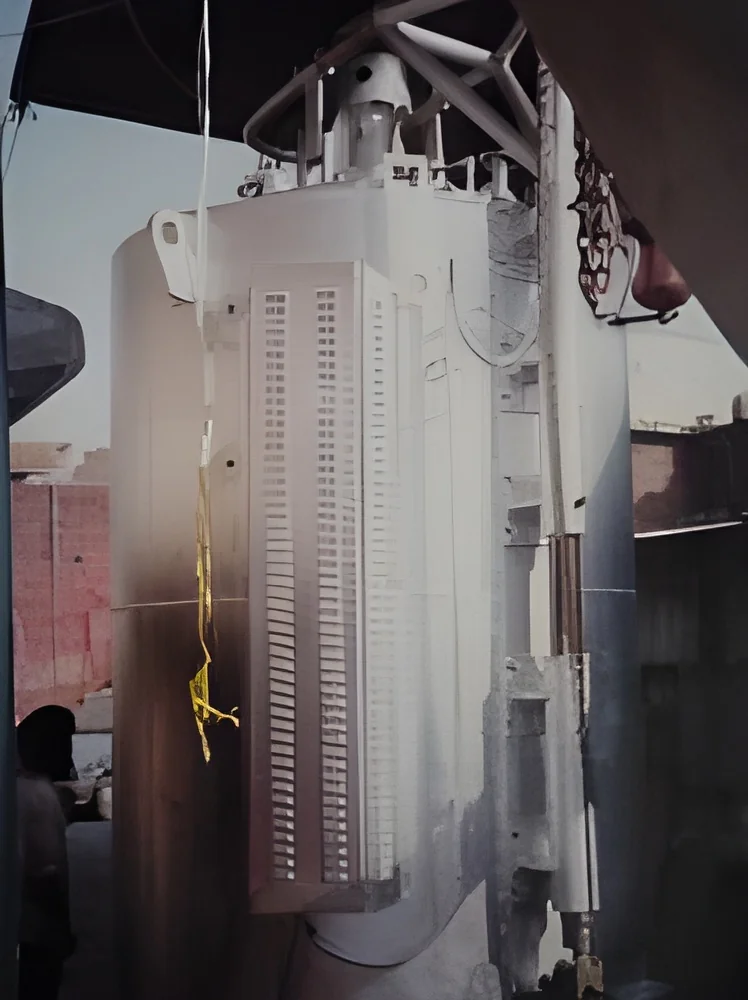
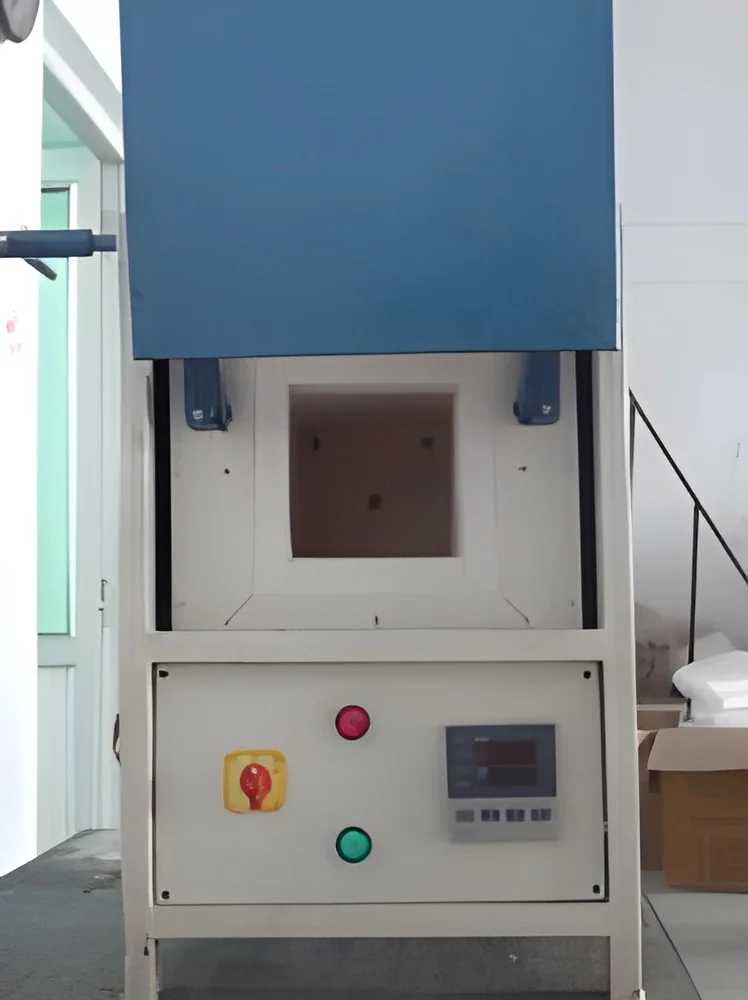
Industrial laboratory furnaces and ovens are engineered for precision thermal processing in demanding research and quality control environments. These high-performance units deliver consistent temperature control for applications including heat treatment, sintering, drying, and ashing. Built with advanced insulation and heating elements, they provide excellent temperature uniformity and energy efficiency. The reliable operation and global compliance standards ensure these units meet the rigorous demands of industrial laboratories, offering dependable performance for critical thermal processes that require accuracy and repeatability.

These thermal processing systems serve vital roles across multiple industries including pharmaceuticals, metallurgy, ceramics, aerospace, and environmental testing. Pharmaceutical facilities utilize them for equipment sterilization and sample drying, while metallurgy applications involve annealing and hardening metals. Ceramics manufacturers depend on them...
Industrial laboratory furnaces and ovens are engineered for precision thermal processing in demanding research and quality control environments. These high-performance units deliver consistent temperature control for applications including heat treatment, sintering, drying, and ashing. Built with advanced insulation and heating elements, they provide excellent temperature uniformity and energy efficiency. The reliable operation and global compliance standards ensure these units meet the rigorous demands of industrial laboratories, offering dependable performance for critical thermal processes that require accuracy and repeatability.

These thermal processing systems serve vital roles across multiple industries including pharmaceuticals, metallurgy, ceramics, aerospace, and environmental testing. Pharmaceutical facilities utilize them for equipment sterilization and sample drying, while metallurgy applications involve annealing and hardening metals. Ceramics manufacturers depend on them for firing and sintering processes, and aerospace companies rely on them for component testing and development. Environmental laboratories employ these ovens for ashing and soil analysis, demonstrating their versatility across both research settings and industrial production lines where thermal management is critical to process integrity.

Businesses achieve enhanced operational reliability and reduced downtime through the robust construction and efficient design of these laboratory ovens. The energy-efficient operation lowers operational costs while maintaining high performance standards. Global compliance and adherence to international safety standards minimize regulatory risks, and the durable construction ensures longer functional life with reduced maintenance requirements. These factors combine to deliver significant value, supporting improved process outcomes, higher productivity, and strengthened competitive positioning in markets where quality and reliability are essential.

Key Features:
- High-temperature uniformity and stability for precise thermal processing
- Energy-efficient design with advanced insulation and heating elements
- Durable construction ensuring longer functional life and reduced maintenance
- Compliance with international safety and performance standards
- Reliable operation with consistent temperature control capabilities

Benefits:
- Enhanced operational reliability with reduced system downtime
- Lower energy consumption leading to reduced operational costs
- Longer functional life with minimal maintenance requirements
- Global compliance minimizing regulatory and safety risks
- Consistent performance improving process outcomes and productivity
Specifications
| Additional Information | |
|---|---|
| Country of Origin | India |
Application
Industrial laboratory furnaces and ovens deliver precise thermal processing for research, development, and quality assurance applications. These units maintain controlled high-temperature environments essential for heat treatment, sintering, annealing, and ashing processes, ensuring accuracy and repeatability across demanding industrial operations. Their robust construction and temperature stability make them indispensable for critical thermal processing tasks where consistency and reliability are paramount.
Multiple industries depend on these thermal processing solutions for material testing, component hardening, and sample preparation. The pharmaceutical, metallurgy, ceramics, and aerospace sectors utilize these ovens for processes ranging from drying and sterilizing to calcining and tempering. Their versatile performance supports specialized applications while maintaining operational efficiency and meeting stringent industry standards for thermal management in laboratory and production environments.
- Heat treatment and tempering of metal components in automotive and aerospace manufacturing
- Sintering and firing processes in ceramic and powder metallurgy industries
- Ashing and loss-on-ignition testing in environmental and geological laboratories
- Sterilization and drying of glassware and instruments in pharmaceutical facilities
- Annealing and stress relieving of materials in electronics and semiconductor production
Trade Details
| Available Stock | In Stock |
| Sample Availability | No |
Payment Terms
| Payment Terms |
|
Company Profile
Delta Furnaces, Haryana
 Haryana, India
Haryana, IndiaRaw Materials & Chemicals•Manufacturer•Distributor / Wholesaler•Importer / Exporter
Factory Details
Factory SizeBelow 1000 sqm
Annual Production Capacity0
Industrial Laboratory Furnaces And Ovens For R&D And Quality Control
Industrial laboratory furnaces and ovens provide precise high-temperature processing for R&D, material testing, and quality control applications with reliable performance and energy-efficient operation.
Min. Order Quantity: 1 unit
Shipping
Shipping fee and delivery date to be negotiated. Contact supplier now for more details.
Delta Furnaces
 Haryana, India
Haryana, IndiaRaw Materials & ChemicalsManufacturer