IN
IN₹
Apparel & Fashion
Loading subcategories...
View More
Description
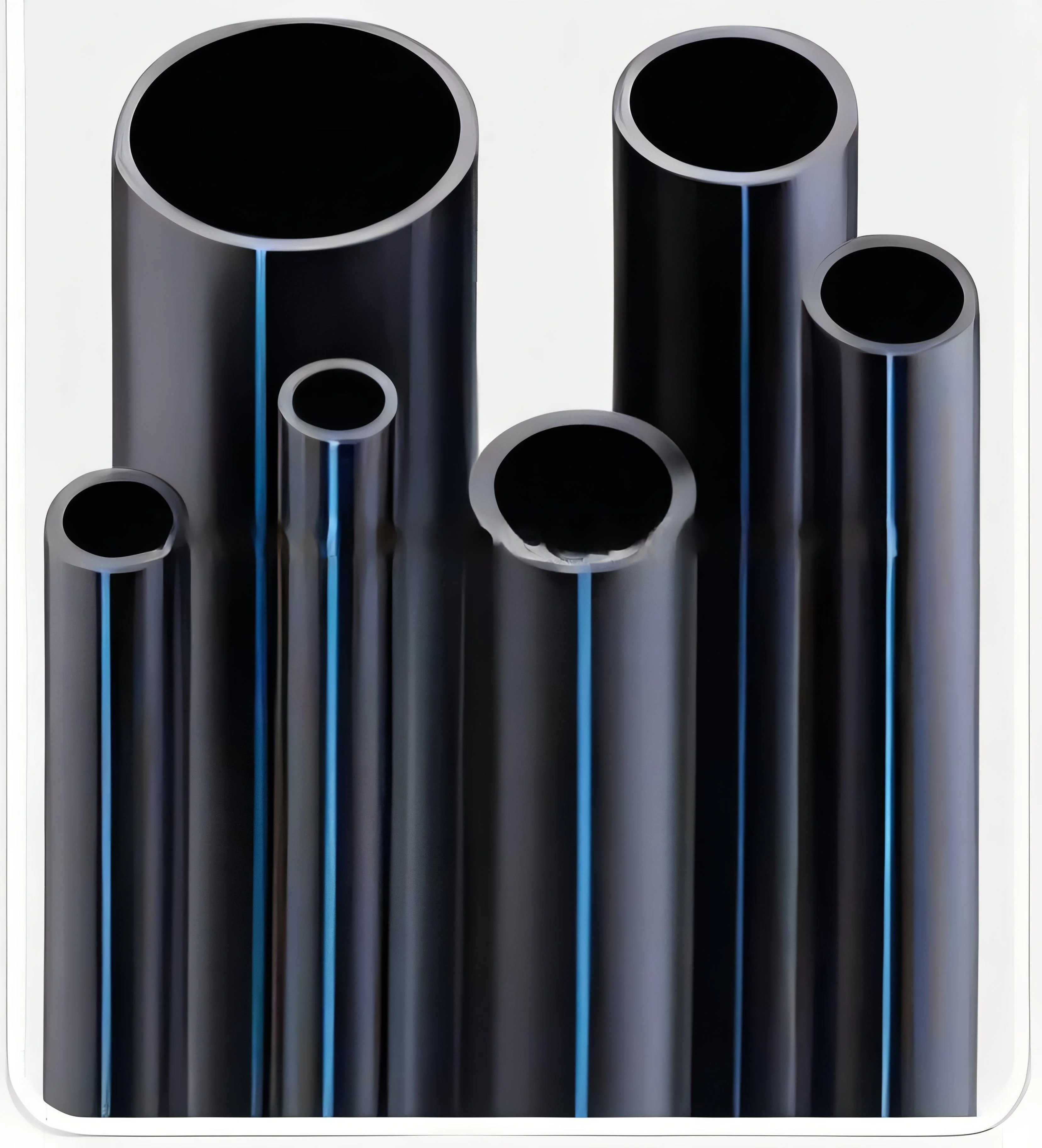
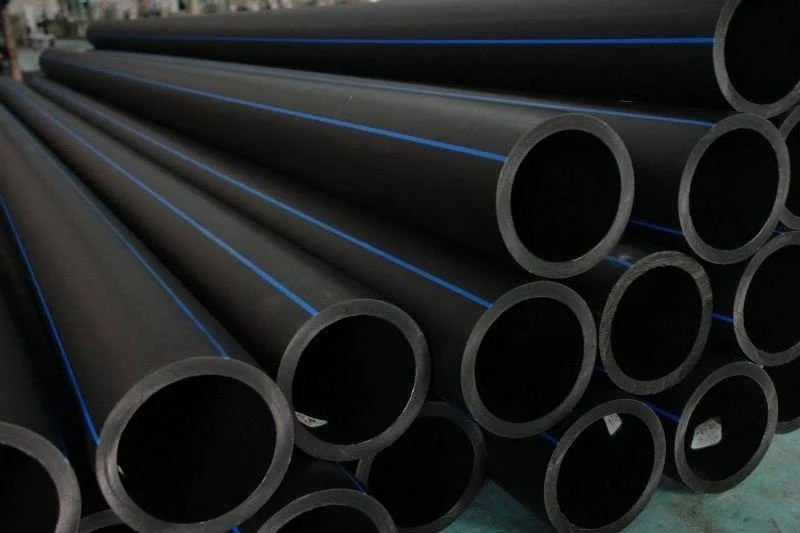
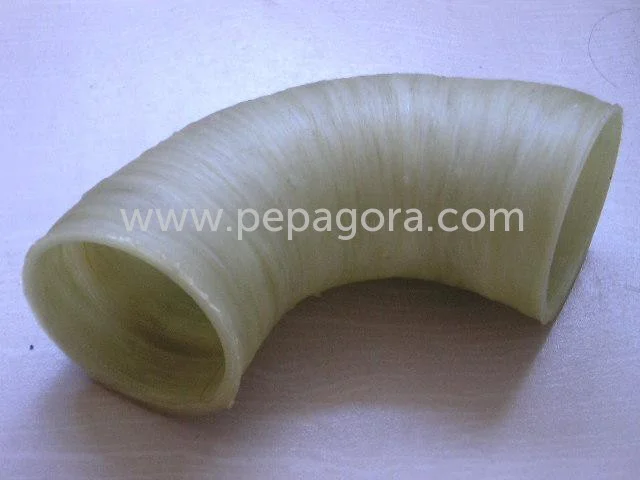
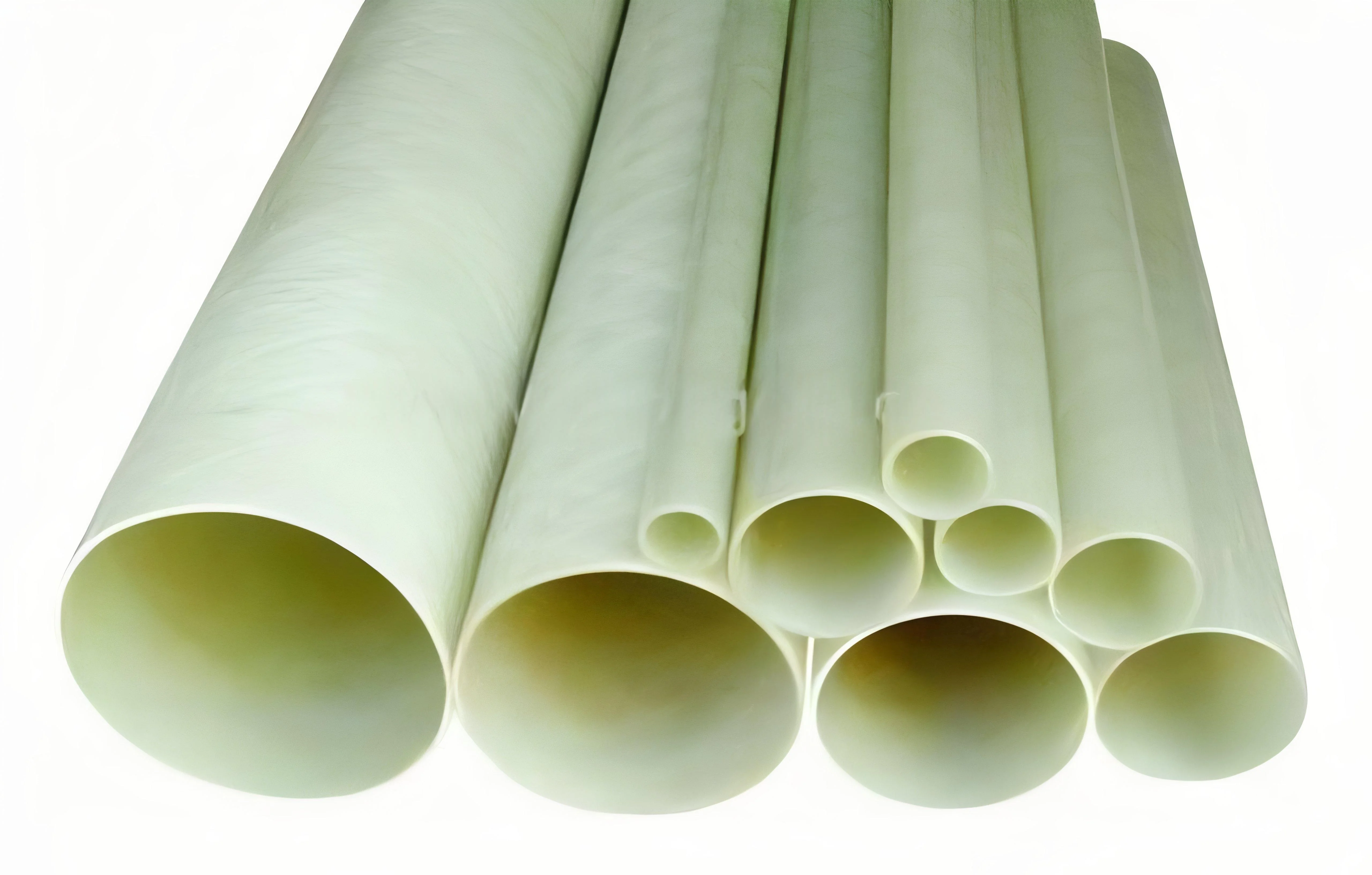
Our high-performance Industrial FRP Pipes are engineered for the most demanding applications where corrosion resistance and long-term durability are non-negotiable. Manufactured using advanced fiberglass reinforced plastic technology, these pipes combine exceptional mechanical strength with a remarkably lightweight profile, offering a superior alternative to traditional metal piping. Each pipe is produced to exacting standards and precise specifications, ensuring perfect compatibility with your existing systems and strict project requirements. The composite material provides inherent resistance to chemical attack, UV degradation, and environmental stressors while reliably maintaining structural integrity under significant pressure and temperature variations.

These industrial-grade FRP pipes serve critical functions across multiple essential sectors. In chemical processing plants, they safely transport aggressive acids, alkalis, and solvents without the corrosion concerns associated wi...
Our high-performance Industrial FRP Pipes are engineered for the most demanding applications where corrosion resistance and long-term durability are non-negotiable. Manufactured using advanced fiberglass reinforced plastic technology, these pipes combine exceptional mechanical strength with a remarkably lightweight profile, offering a superior alternative to traditional metal piping. Each pipe is produced to exacting standards and precise specifications, ensuring perfect compatibility with your existing systems and strict project requirements. The composite material provides inherent resistance to chemical attack, UV degradation, and environmental stressors while reliably maintaining structural integrity under significant pressure and temperature variations.

These industrial-grade FRP pipes serve critical functions across multiple essential sectors. In chemical processing plants, they safely transport aggressive acids, alkalis, and solvents without the corrosion concerns associated with metal pipes. Water and wastewater treatment facilities utilize them extensively for raw water intake, chemical dosing lines, and effluent disposal systems. The oil and gas industry relies on FRP pipes for offshore platforms, pipeline networks, and refinery applications where resistance to corrosive elements is paramount for safety and longevity. Marine and coastal installations benefit from their excellent saltwater resistance, while power generation plants deploy them for critical cooling water systems and flue gas desulfurization applications.

FRP pipes deliver significant and measurable business value through dramatically reduced lifetime costs, minimal maintenance requirements, and an extended service life compared to metal alternatives. Their inherent corrosion-resistant properties eliminate the need for expensive protective coatings and cathodic protection systems, substantially lowering both initial installation and ongoing maintenance expenses. The lightweight nature reduces transportation costs and simplifies on-site installation, requiring less heavy equipment and labor. Standard manufacturing to precise specifications ensures a reliable fit for specific applications, reducing compatibility issues and preventing costly project delays. Rigorous quality control processes throughout production guarantee consistent performance and reliability, establishing these pipes as a trusted and proven choice for critical infrastructure projects worldwide.

Key Features:
- Exceptional corrosion resistance for harsh chemical and marine environments.
- High strength-to-weight ratio for easier handling, transport, and installation.
- Standard dimensions and pressure ratings manufactured for specific application needs.
- Smooth interior surface that minimizes friction loss and prevents scaling buildup.
- UV resistant and environmentally durable composite construction for long life.

Benefits:
- Reduced total lifetime costs through minimal maintenance and extended service life.
- Lower installation expenses due to lightweight design requiring less equipment and labor.
- Consistent flow rates and operational energy savings from smooth interior surfaces.
- Reliable, predictable performance in extreme temperatures and pressure conditions.
- A trusted, quality-controlled solution for critical and demanding infrastructure projects.
Specifications
| Attribute | Value |
|---|---|
| Cosmetic Type | Other |
| Material | Plastic |
| Surface Handling | Other |
| Usage | Other |
| Condition | New |
| Price | Negotiable |
| Type | Pipes |
| Standard or Non Standard | Standard |
| Features | Reliable and Durable |
| Specification | As per Clients Request |
| Dimension | As per Clients Request |
| Tolerance | As per Clients Request |
| Packing Material | Wooden Box or Carton Box |
| Additional Information | |
|---|---|
| Country of Origin | India |
| Customisable | No |
Application
FRP pipes are engineered to excel where traditional metal pipes fail, specifically in corrosive and high-temperature environments. Their composite construction resists chemical degradation, extreme temperatures, and abrasive conditions while maintaining structural integrity. This makes them essential for industries that require long-lasting, maintenance-free piping solutions to ensure operational safety and cost efficiency over the system's lifetime.
Designed for fluid transport systems handling aggressive chemicals, sewage, seawater, and industrial effluents, these pipes feature a smooth interior surface that minimizes friction loss and prevents scaling. This design ensures consistent flow rates and reduces energy consumption. Standard dimensions and pressure ratings are manufactured to meet precise project requirements across a wide range of demanding industrial and infrastructure applications.
- Chemical processing plants for safe transport of acids, alkalis, and solvents.
- Water and wastewater treatment facilities handling corrosive fluids and effluents.
- Oil and gas industry pipelines for offshore platforms and onshore operations.
- Marine and coastal installations for seawater intake and outfall systems.
- Power generation plants for cooling water systems and disposal networks.
Trade Details
| Available Stock | In Stock |
| Sample Availability | No |
Payment Terms
| Payment Terms |
|
Company Profile
Pipe Supply Company, Tamil Nadu
 Tamil Nadu, India
Tamil Nadu, IndiaIndustrial Equipment & Machinery•Trading Company•Distributor / Wholesaler
Factory Details
Factory SizeBelow 1000 sqm
Annual Production Capacity0
Main Markets
Mid East
Eastern Asia
South Asia
Industrial FRP Pipes For Corrosion Resistant Fluid Transport
Industrial FRP Pipes provide premium corrosion-resistant fluid transport for chemical processing, water treatment, and harsh industrial environments. These durable, reliable pipes are manufactured to exact specifications for demanding applications.
Min. Order Quantity: 1 piece
Shipping
Shipping fee and delivery date to be negotiated. Contact supplier now for more details.
Pipe Supply Company
 Tamil Nadu, India
Tamil Nadu, IndiaIndustrial Equipment & MachineryTrading Company