IN
IN₹
Apparel & Fashion

Description
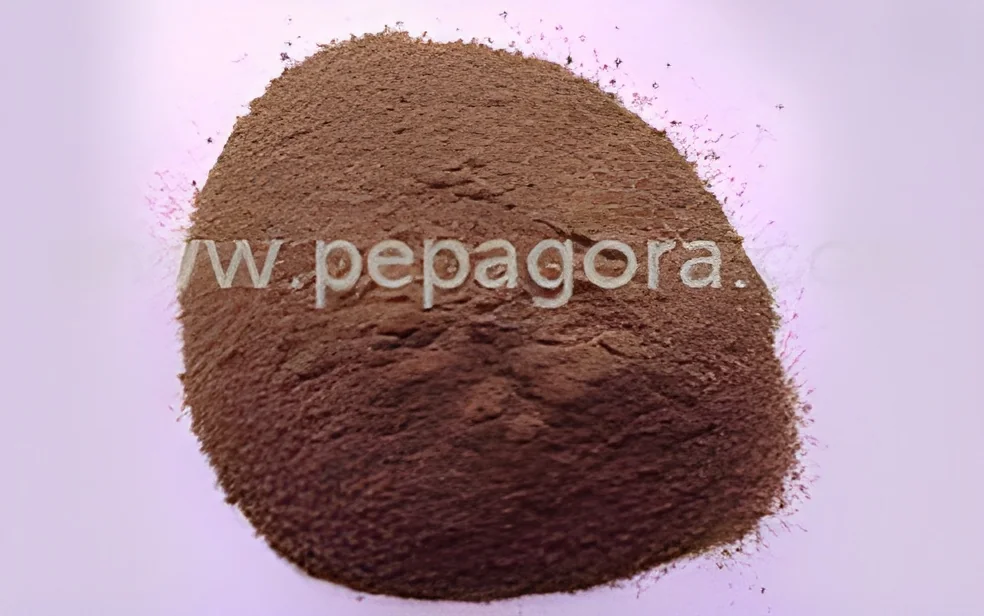
Metal Aids provides three specialized non-ferrous fluxes specifically designed for melting, covering, drossing, and modifying processes in aluminum, copper, and zinc casting operations. These high-performance fluxes are formulated to address critical challenges in non-ferrous metal treatment, ensuring optimal processing conditions and superior casting results. With extensive expertise in foundry consumables, we deliver products that enhance metal quality, reduce defects, and improve overall operational efficiency. Our fluxes are trusted by foundries worldwide for their consistent performance, effectiveness across various alloys, and ability to meet diverse metallurgical requirements. The reliable formulations provide peace of mind for operations demanding precise metal treatment and predictable outcomes.

These fluxes serve critical roles across multiple industries where high-quality non-ferrous castings are essential. In automotive manufacturing, they ensure defect-free aluminum engin...
Metal Aids provides three specialized non-ferrous fluxes specifically designed for melting, covering, drossing, and modifying processes in aluminum, copper, and zinc casting operations. These high-performance fluxes are formulated to address critical challenges in non-ferrous metal treatment, ensuring optimal processing conditions and superior casting results. With extensive expertise in foundry consumables, we deliver products that enhance metal quality, reduce defects, and improve overall operational efficiency. Our fluxes are trusted by foundries worldwide for their consistent performance, effectiveness across various alloys, and ability to meet diverse metallurgical requirements. The reliable formulations provide peace of mind for operations demanding precise metal treatment and predictable outcomes.

These fluxes serve critical roles across multiple industries where high-quality non-ferrous castings are essential. In automotive manufacturing, they ensure defect-free aluminum engine components, transmission parts, and structural elements. Aerospace applications benefit from improved mechanical properties and integrity in lightweight alloy components for aircraft and spacecraft. Electrical industries rely on them for producing pure copper and aluminum conductors, busbars, and electrical contacts. General engineering applications include machinery components, industrial equipment parts, plumbing fixtures, and architectural hardware. Each flux type serves distinct purposes—melting fluxes facilitate efficient metal liquefaction, covering fluxes create protective barriers against oxidation, drossing fluxes recover valuable metal from slag, and modifying fluxes enhance grain structure and mechanical properties.

The business value delivered by these fluxes includes significant productivity enhancements, substantial cost savings, and reduced scrap rates. By minimizing metal loss through effective dross treatment and oxidation prevention, operations achieve higher yields and lower material costs. The fluxes contribute to reduced energy consumption through more efficient melting and extended equipment lifespan by minimizing corrosive buildup in furnaces and ladles. Reliability is ensured through stringent quality control measures and batch-to-batch consistency, providing dependable performance for both large-scale continuous operations and smaller batch processes. Key differentiators include proven performance across diverse foundry environments, technical expertise in metal treatment, and formulations optimized for specific alloy systems. Partnerships with Metal Aids provide competitive advantages through improved casting quality, compliance with international standards, and sustainable manufacturing practices that enhance profitability and customer satisfaction.

Key Features:
- Three specialized formulations for melting, covering, drossing, and modifying processes in non-ferrous metal treatment
- High-purity chemical compositions ensure effective impurity removal and oxidation prevention during molten metal processing
- Optimized for aluminum, copper, and zinc alloys with specific formulations for each metal type and casting method
- Significantly reduces dross formation and metal loss, enhancing operational yield and cost-efficiency
- Simple application methods with consistent results suitable for both automated and manual foundry processes

Benefits:
- Improves casting quality by removing impurities and preventing oxidation during melting and pouring
- Reduces production costs through lower metal loss, decreased energy consumption, and minimal scrap rates
- Enhances operational efficiency with faster melting times and improved metal fluidity for better mold filling
- Extends equipment lifespan by reducing corrosive buildup in furnaces, crucibles, and ladles
- Delivers consistent results batch after batch with reliable performance across various production scales
Specifications
| Additional Information | |
|---|---|
| Country of Origin | India |
Application
These specialized fluxes are engineered for precision treatment of aluminum, copper, and zinc alloys during melting and casting processes. They effectively remove dissolved gases and non-metallic inclusions while preventing oxidation, resulting in cleaner molten metal with improved fluidity and reduced dross formation. This leads to higher quality cast components with minimal defects and enhanced mechanical properties.
Ideal for various casting methods including die-casting, sand casting, and gravity casting, these fluxes support industries requiring strict metallurgical standards. They help achieve fine grain structures, reduce porosity, and minimize inclusion-related defects in final cast products. The result is stronger, more durable components that consistently meet exact specifications and performance requirements across multiple applications.
- Aluminum foundries use melting fluxes to remove hydrogen gas and oxides, preventing porosity in automotive engine blocks and cylinder heads
- Copper alloy manufacturers apply covering fluxes to protect molten metal from oxidation during electrical busbar and connector production
- Zinc die-casting operations utilize drossing fluxes to separate pure metal from slag, maximizing yield in hardware fittings and components
- Modifying fluxes refine grain structure in aerospace aluminum castings, ensuring high strength-to-weight ratio and fatigue resistance
- Recycling facilities employ these fluxes to purify scrap non-ferrous metals, enabling sustainable material reuse across various industrial sectors
Trade Details
| Available Stock | In Stock |
| Sample Availability | No |
Payment Terms
| Payment Terms |
|
Company Profile
Metal Aids, Uttarakhand
 Uttarakhand, India
Uttarakhand, IndiaConstruction•Manufacturer•Distributor / Wholesaler
Factory Details
Factory SizeBelow 1000 sqm
Annual Production Capacity0
Non Ferrous Fluxes For Aluminum Copper Zinc Melting Casting
Metal Aids non-ferrous fluxes for aluminum, copper, and zinc melting and casting deliver superior metal treatment with reliable impurity removal, oxidation prevention, and dross reduction for enhanced casting quality and operational efficiency.
Min. Order Quantity: 1 unit
Shipping
Shipping fee and delivery date to be negotiated. Contact supplier now for more details.
Metal Aids
 Uttarakhand, India
Uttarakhand, IndiaConstructionManufacturer