IN
IN₹
Apparel & Fashion
Description
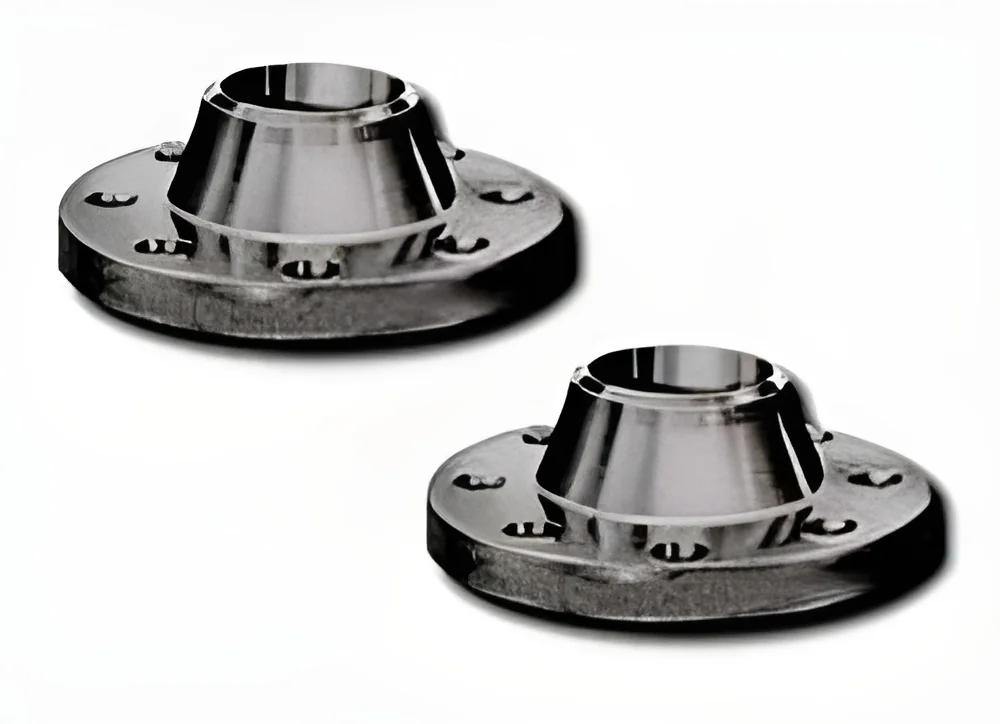
Industrial flanges are precision-engineered components designed to form secure, sealed connections within high-pressure piping systems. They serve as the critical link between pipe sections, valves, pumps, and other equipment, ensuring a continuous and leak-proof flow path for various fluids and gases. Manufactured to rigorous international standards, these flanges are built to withstand extreme operational conditions, including high temperature and corrosive environments. Their primary function is to provide a strong, reliable joint that maintains system integrity while allowing for necessary assembly, disassembly, and maintenance. This makes them indispensable for constructing and servicing complex industrial networks where failure is not an option.

These flanges find extensive use across a wide spectrum of heavy industries. In the oil and gas sector, they are crucial for connecting pipelines in upstream extraction, midstream transportation, and downstream refining processes. Chemic...
Industrial flanges are precision-engineered components designed to form secure, sealed connections within high-pressure piping systems. They serve as the critical link between pipe sections, valves, pumps, and other equipment, ensuring a continuous and leak-proof flow path for various fluids and gases. Manufactured to rigorous international standards, these flanges are built to withstand extreme operational conditions, including high temperature and corrosive environments. Their primary function is to provide a strong, reliable joint that maintains system integrity while allowing for necessary assembly, disassembly, and maintenance. This makes them indispensable for constructing and servicing complex industrial networks where failure is not an option.

These flanges find extensive use across a wide spectrum of heavy industries. In the oil and gas sector, they are crucial for connecting pipelines in upstream extraction, midstream transportation, and downstream refining processes. Chemical and petrochemical plants rely on them to handle aggressive and hazardous substances safely. Power generation facilities, both conventional and nuclear, utilize them in critical steam, coolant, and feedwater systems. Furthermore, they are integral to water treatment plants for filtration and distribution, and to various manufacturing setups for process lines and equipment integration. Their universal application stems from their ability to meet the specific pressure, temperature, and material compatibility requirements of each unique industrial environment.

The value proposition of these industrial flanges centers on long-term reliability, operational safety, and total cost-effectiveness. By providing a consistently secure connection, they significantly reduce the risk of leaks, spills, and unplanned downtime, which can be catastrophic and expensive. Their standardized design ensures interchangeability and simplifies inventory management for maintenance teams. The durability of quality flanges translates to a longer service life and lower replacement frequency, offering excellent return on investment. For importers and distributors, supplying these reliable components builds trust with clients who depend on predictable performance for their own operations. Ultimately, they are not just parts but foundational elements that support the safety, efficiency, and profitability of industrial infrastructure worldwide.

Key Features:
- Manufactured to international standards like ASME, ANSI, DIN, and JIS for guaranteed compatibility.
- Constructed from durable materials including carbon steel, stainless steel, and alloy steels to suit various media.
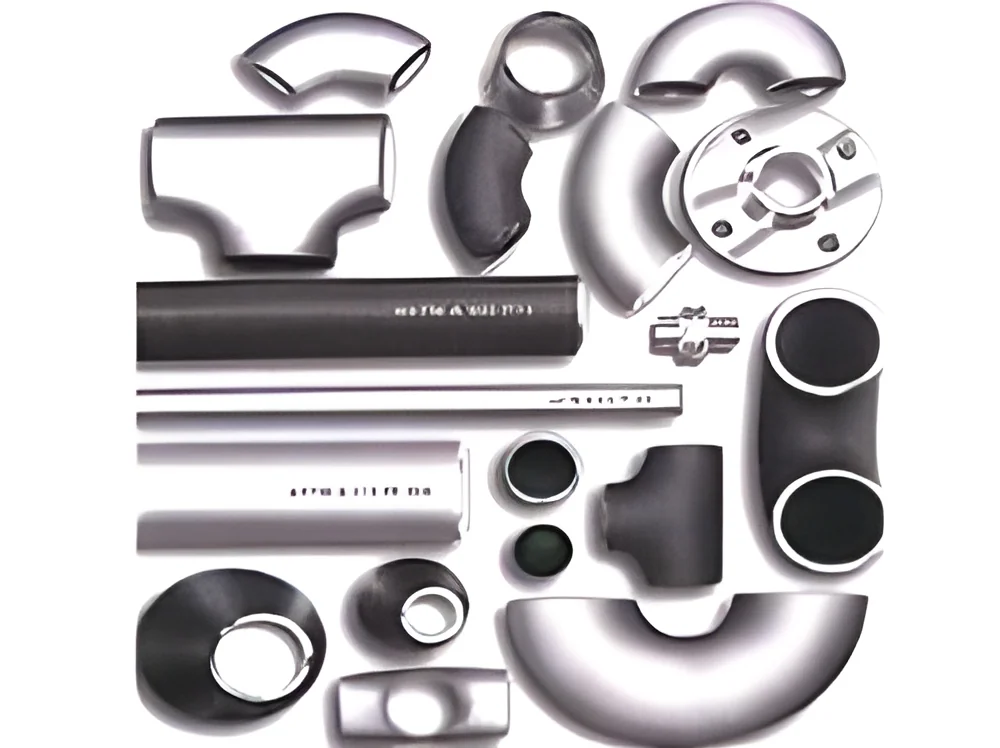
- Available in multiple types such as weld neck, slip-on, blind, socket weld, and threaded to match installation needs.
- Precision machined facing (e.g., raised face, ring-type joint) ensures a perfect seal for leak-proof performance.
- Engineered with specific pressure ratings (e.g., Class 150, 300, 600) to handle defined high-pressure system requirements.

Benefits:
- Ensures system integrity and safety by preventing leaks in high-pressure and high-temperature applications.
- Reduces long-term maintenance costs and minimizes costly unplanned downtime due to connection failures.
- Offers easy installation, inspection, and maintenance access compared to permanent welded joints.
- Provides reliable performance under extreme conditions, contributing to consistent operational uptime.
- Delivers a strong return on investment through durability, longevity, and reduced total cost of ownership.
Specifications
| Additional Information | |
|---|---|
| Country of Origin | India |
Application
Industrial flanges create secure, leak-proof connections in demanding piping systems, handling extreme pressures and temperatures. They are essential for joining pipes, valves, and equipment, ensuring system integrity and safety across critical operations. Their robust design allows for reliable performance in harsh environments while facilitating maintenance access when required.
These components are fundamental to fluid transport systems in numerous sectors. Available to meet various international standards and specifications, they provide versatile solutions for connecting infrastructure. Their application supports efficient operations by maintaining consistent flow and pressure, which is vital for industrial productivity and safety protocols.
- Securing pipeline connections in oil and gas extraction, refining, and distribution networks.
- Joining critical piping sections within chemical and petrochemical processing plants.
- Installing valves, pumps, and filters in municipal water treatment and distribution facilities.
- Assembling high-pressure steam and coolant lines in thermal and nuclear power generation stations.
- Creating reliable access and connection points in industrial manufacturing and processing equipment lines.
Trade Details
| Available Stock | In Stock |
| Sample Availability | No |
Payment Terms
| Payment Terms |
|
Company Profile
Dynamic Metals India, Maharashtra
 Maharashtra, India
Maharashtra, IndiaConstruction•Manufacturer•Distributor / Wholesaler•Importer / Exporter
Factory Details
Factory SizeBelow 1000 sqm
Annual Production Capacity0
Main Markets
South Asia
Industrial Flanges For High Pressure Piping Systems Durable Reliable
Industrial flanges for high-pressure piping systems deliver durable, reliable connections for oil and gas, chemical processing, and power generation applications. Engineered for superior performance and trusted by importers and distributors globally.
Min. Order Quantity: 1 unit
Shipping
Shipping fee and delivery date to be negotiated. Contact supplier now for more details.
Dynamic Metals India
 Maharashtra, India
Maharashtra, IndiaConstructionManufacturer