IN
₹
Apparel & Fashion
Description
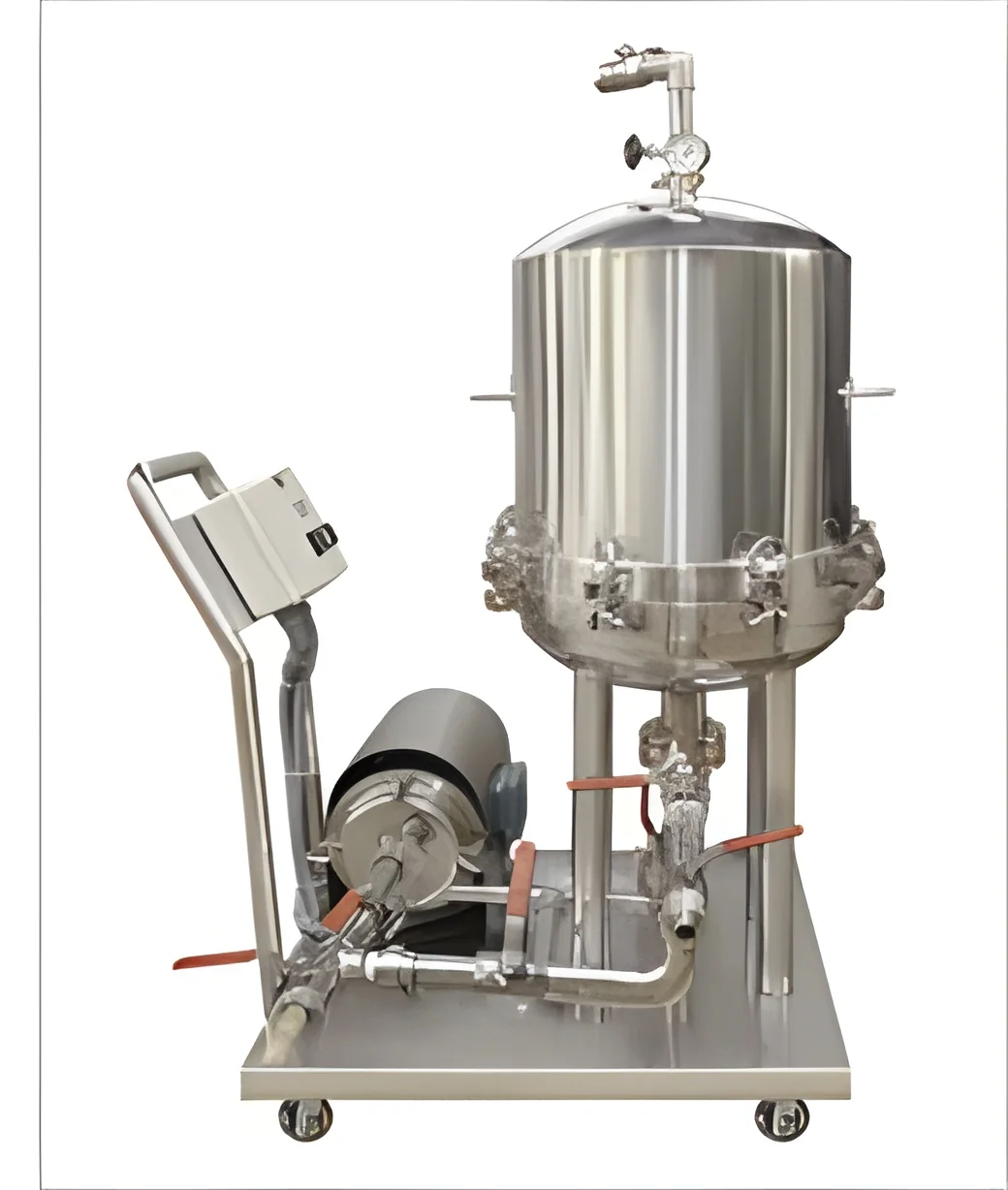
The industrial filter press operates on proven pressure filtration principles to achieve efficient solid-liquid separation in demanding environments. This robust dewatering system processes various slurry types, compressing materials between filter plates to produce consistently dry cakes and clear effluent. The compact design maximizes filtration surface area while minimizing floor space requirements, making it ideal for facilities with limited operational area. System reliability stems from straightforward mechanical operation and durable construction that ensures consistent performance even with challenging materials and continuous operation cycles. The technology provides predictable results across varying feed conditions and material characteristics.

Multiple industrial sectors utilize filter presses for essential separation processes that impact both production efficiency and regulatory compliance. Pharmaceutical and bulk drug manufacturers rely on these systems for product reco...
The industrial filter press operates on proven pressure filtration principles to achieve efficient solid-liquid separation in demanding environments. This robust dewatering system processes various slurry types, compressing materials between filter plates to produce consistently dry cakes and clear effluent. The compact design maximizes filtration surface area while minimizing floor space requirements, making it ideal for facilities with limited operational area. System reliability stems from straightforward mechanical operation and durable construction that ensures consistent performance even with challenging materials and continuous operation cycles. The technology provides predictable results across varying feed conditions and material characteristics.

Multiple industrial sectors utilize filter presses for essential separation processes that impact both production efficiency and regulatory compliance. Pharmaceutical and bulk drug manufacturers rely on these systems for product recovery, purification stages, and intermediate processing. Chemical production facilities employ filter presses for catalyst recovery, waste stream management, and byproduct separation. Municipal wastewater treatment plants depend on them for effective sludge dewatering that significantly reduces disposal volumes and associated costs. Mining and mineral processing operations benefit from tailings management capabilities and water recycling functions that support sustainable resource utilization.

Businesses select industrial filter presses for their demonstrated reliability and substantial operational advantages. These systems generate significant cost savings by reducing waste disposal expenses through effective volume reduction and moisture removal. They enhance process economics by recovering valuable materials from what would otherwise become waste streams, turning byproducts into revenue opportunities. The mechanical separation process consumes considerably less energy than thermal alternatives, resulting in lower operating costs and reduced environmental impact. The equipment's durable construction and minimal maintenance requirements ensure long service life and consistent return on investment through years of reliable operation. The technology's adaptability allows integration into various production environments with different throughput requirements and automation preferences.

Key Features:
- Pressure feeding system for efficient solid-liquid separation
- Compact design with high filtration capacity per square foot
- Customizable plate materials and filter cloths for specific applications
- Robust construction ensuring long-term reliability and minimal downtime
- Options for manual, semi-automatic, or fully automated operation

Benefits:
- Reduces disposal costs through effective volume reduction
- Recovers valuable materials from process streams
- Lowers operating expenses with energy-efficient mechanical operation
- Provides reliable performance with minimal maintenance requirements
- Delivers consistent return on investment through long service life
Specifications
| Additional Information | |
|---|---|
| Country of Origin | India |
Application
Industrial filter presses provide critical solid-liquid separation across multiple sectors by transforming slurry mixtures into dry cakes and clarified liquids. The pressure feeding system ensures consistent dewatering performance while handling various material types and concentrations. These units support both process optimization and environmental compliance through reliable mechanical separation technology that outperforms alternative methods in many challenging applications.
Multiple industries depend on filter press technology for volume reduction, waste minimization, and product recovery objectives. From pharmaceutical manufacturing to municipal water treatment facilities, these systems deliver predictable results where consistent separation is essential. The robust construction and adaptable configuration options make them suitable for diverse operational requirements and output specifications across industrial settings.
- Wastewater treatment facilities for sludge dewatering and volume reduction
- Chemical processing plants for product recovery and purification
- Mining operations for tailings management and water recycling
- Food production for clarifying juices, oils, and process water
- Pharmaceutical manufacturing for active ingredient separation
Trade Details
| Available Stock | In Stock |
| Sample Availability | No |
Payment Terms
| Payment Terms |
|
Company Profile
Jicon Machines Pvt Ltd, Maharashtra
 Maharashtra, India
Construction•Manufacturer•Distributor / Wholesaler•Importer / Exporter
Factory Details
Factory SizeBelow 1000 sqm
Annual Production Capacity0 a:1:{i:0;s:0:"";}
Industrial Filter Press For Efficient Solid Liquid Separation
Industrial filter press delivers efficient solid-liquid separation with reliable pressure feeding for dewatered cakes. Ideal for pharmaceutical, chemical, and wastewater treatment applications requiring consistent performance and compact design.
Min. Order Quantity: 1 unit
Shipping
Shipping fee and delivery date to be negotiated. Contact supplier now for more details.
Jicon Machines Pvt Ltd
 Maharashtra, India
ConstructionManufacturer