IN
IN₹
Apparel & Fashion
Description
Feed through terminal blocks represent the essential backbone of electrical connectivity in industrial and commercial applications. These versatile components provide secure, reliable connections between wires while maintaining circuit integrity across diverse operating conditions. Engineered for simplicity and efficiency, they enable electrical professionals to create organized, maintainable systems that stand up to demanding environments. Their straightforward feed-through design allows two wires to connect directly across the block, ensuring uninterrupted current flow while facilitating easy inspection and modification when system changes become necessary. Across industries, these terminal blocks deliver critical performance in manufacturing automation, energy distribution, and building management systems. Manufacturing facilities rely on them for control panel wiring that operates machinery and production lines consistently. Commercial buildings incorporate them into electrical dis...
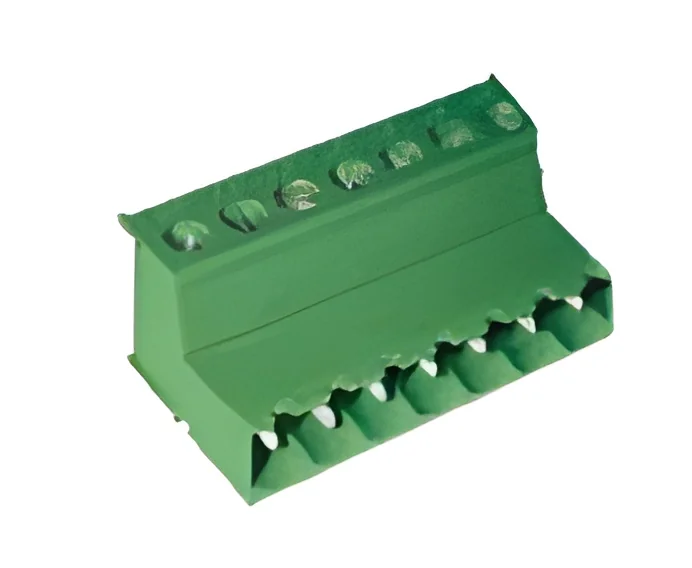
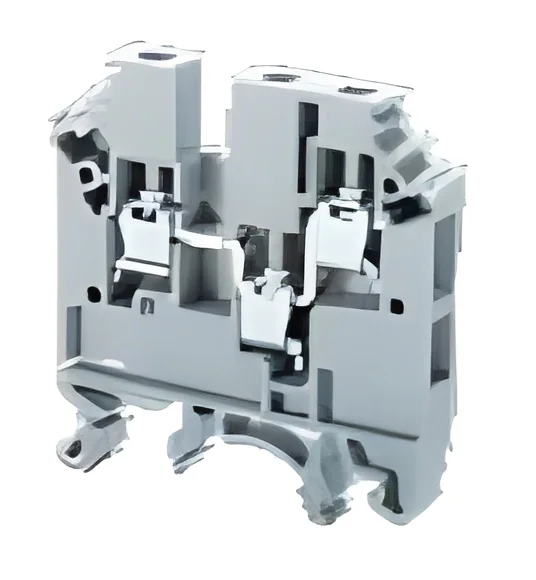
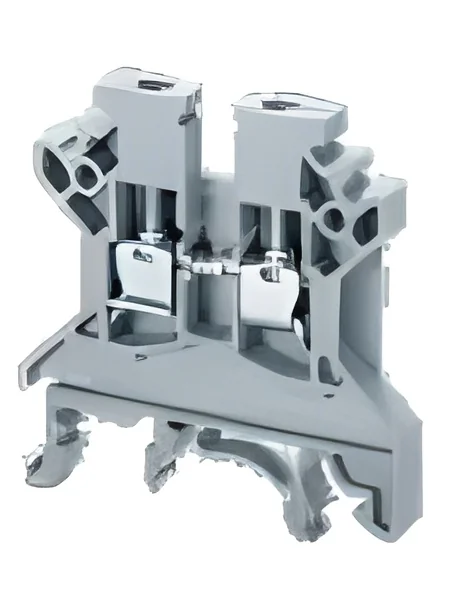
Feed through terminal blocks represent the essential backbone of electrical connectivity in industrial and commercial applications. These versatile components provide secure, reliable connections between wires while maintaining circuit integrity across diverse operating conditions. Engineered for simplicity and efficiency, they enable electrical professionals to create organized, maintainable systems that stand up to demanding environments. Their straightforward feed-through design allows two wires to connect directly across the block, ensuring uninterrupted current flow while facilitating easy inspection and modification when system changes become necessary. Across industries, these terminal blocks deliver critical performance in manufacturing automation, energy distribution, and building management systems. Manufacturing facilities rely on them for control panel wiring that operates machinery and production lines consistently. Commercial buildings incorporate them into electrical distribution panels that power lighting, HVAC, and security systems. Renewable energy installations utilize their reliable connections in solar and wind power systems where environmental factors demand durable components. The consistent performance across these varied applications demonstrates their adaptability to different voltage requirements, current loads, and environmental challenges. For businesses investing in electrical infrastructure, feed through terminal blocks provide tangible value through reduced installation time, simplified maintenance procedures, and long-term reliability. The flexible mounting system allows quick installation and removal from DIN rails using standard tools, minimizing labor costs during both initial assembly and subsequent modifications. Clear marking systems enable proper circuit identification, reducing troubleshooting time and preventing costly errors during maintenance or expansion projects. These practical benefits combine with robust construction that withstands vibration, temperature variations, and electrical stresses to deliver uninterrupted operation.

Key Features:

Benefits:
Specifications
| Additional Information | |
|---|---|
| Country of Origin | India |
Application
Feed through terminal blocks serve as fundamental components in electrical systems where secure and organized wire connections are critical. Their straightforward design enables efficient installation across various industrial and commercial environments, making them indispensable for panel builders and electrical engineers who value time-saving solutions without compromising on safety or performance. These terminal blocks excel in applications requiring consistent electrical continuity and easy maintenance access. Their versatility extends from basic power distribution to complex control systems, providi
ng reliable interconnections between circuits while withstanding industrial challenges like vibration, temperature fluctuations, and electrical noise that could disrupt operations. Real-world applications: Control panel wiring for manufacturing equipment and automation systems. Power distribution boards in commercial buildings and industrial facilities. Machinery interconnections for CNC machines, conveyor systems, and production lines. Renewable energy installations including solar combiner boxes and wind turbine controls. Building management systems for HVAC, lighting control, and security installations.
Real-world applications:
Trade Details
| Available Stock | In Stock |
| Sample Availability | No |
Payment Terms
| Payment Terms |
|
Company Profile

Connectwell Industries (P) Ltd, Maharashtra
 Maharashtra, India
Maharashtra, IndiaElectronics & Electrical•Manufacturer•Importer / Exporter
Factory Details
Factory SizeBelow 1000 sqm
Industrial Automation Feed Through Terminal Blocks For Control Panels
Feed through terminal blocks for reliable electrical connections in control panels, power distribution, and industrial automation. Trusted by B2B buyers for quality and customization in demanding applications.
Min. Order Quantity: 1
Shipping
Shipping fee and delivery date to be negotiated. Contact supplier now for more details.
Connectwell Industries (P) Ltd
 Maharashtra, India
Maharashtra, IndiaElectronics & ElectricalManufacturer