IN
IN₹
Apparel & Fashion
Description
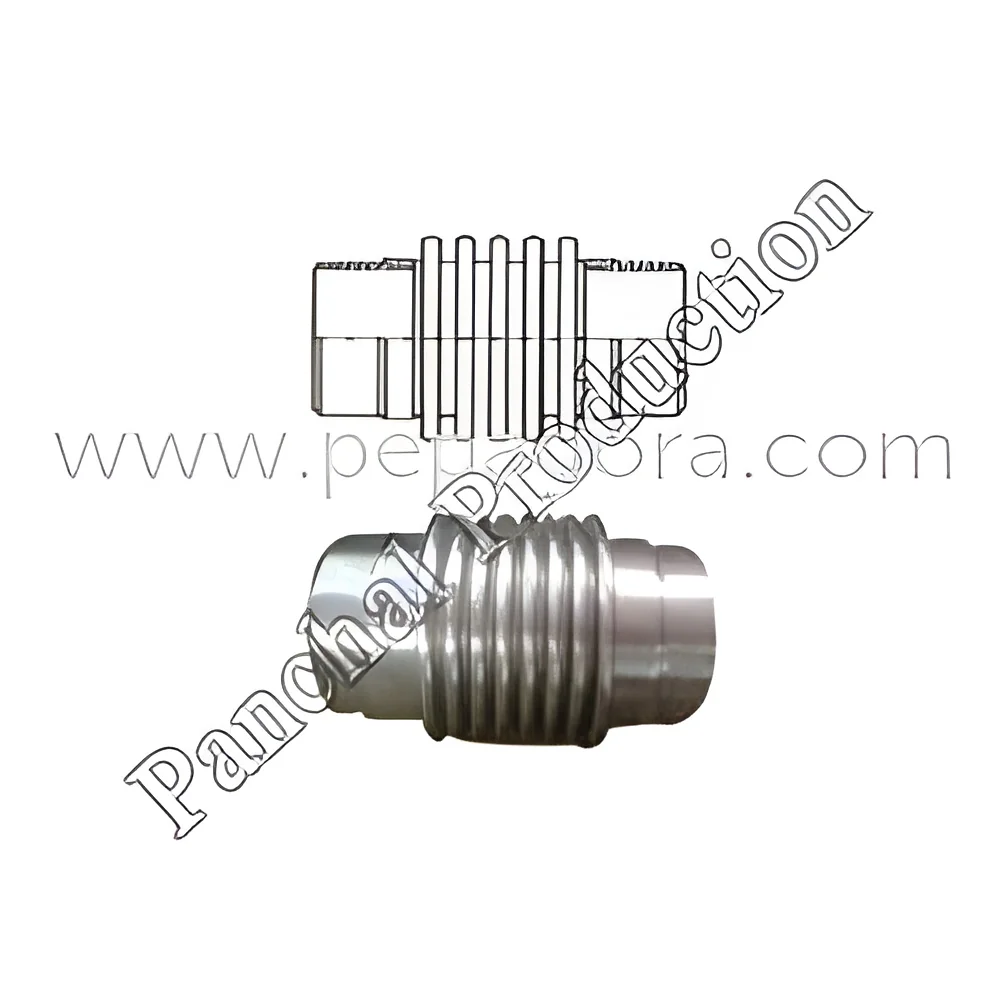
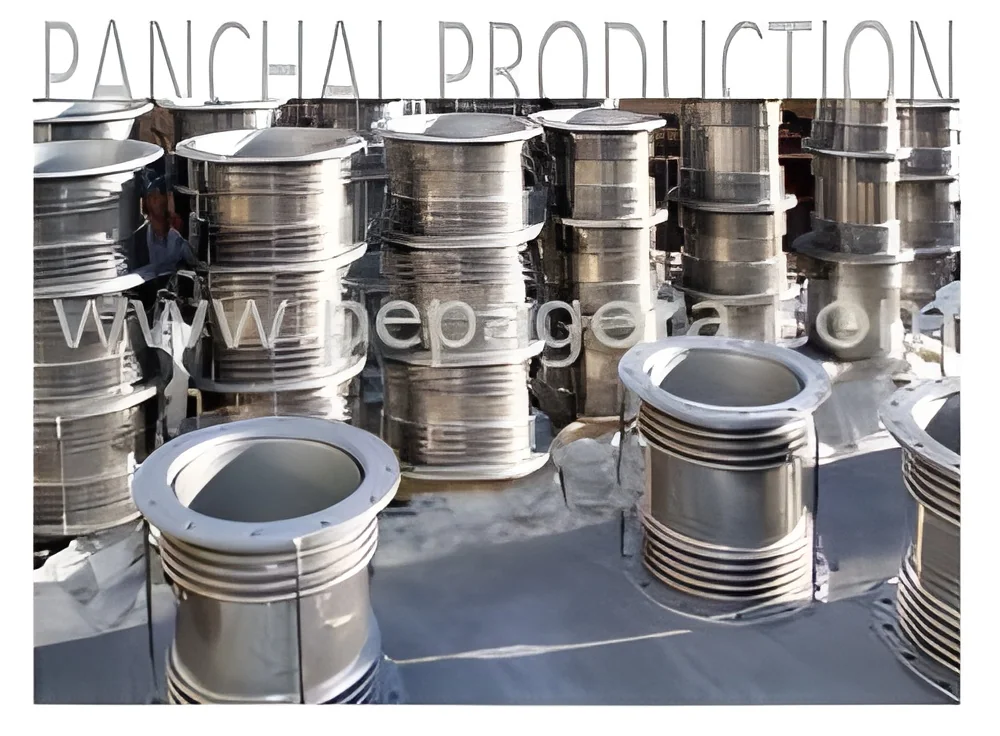
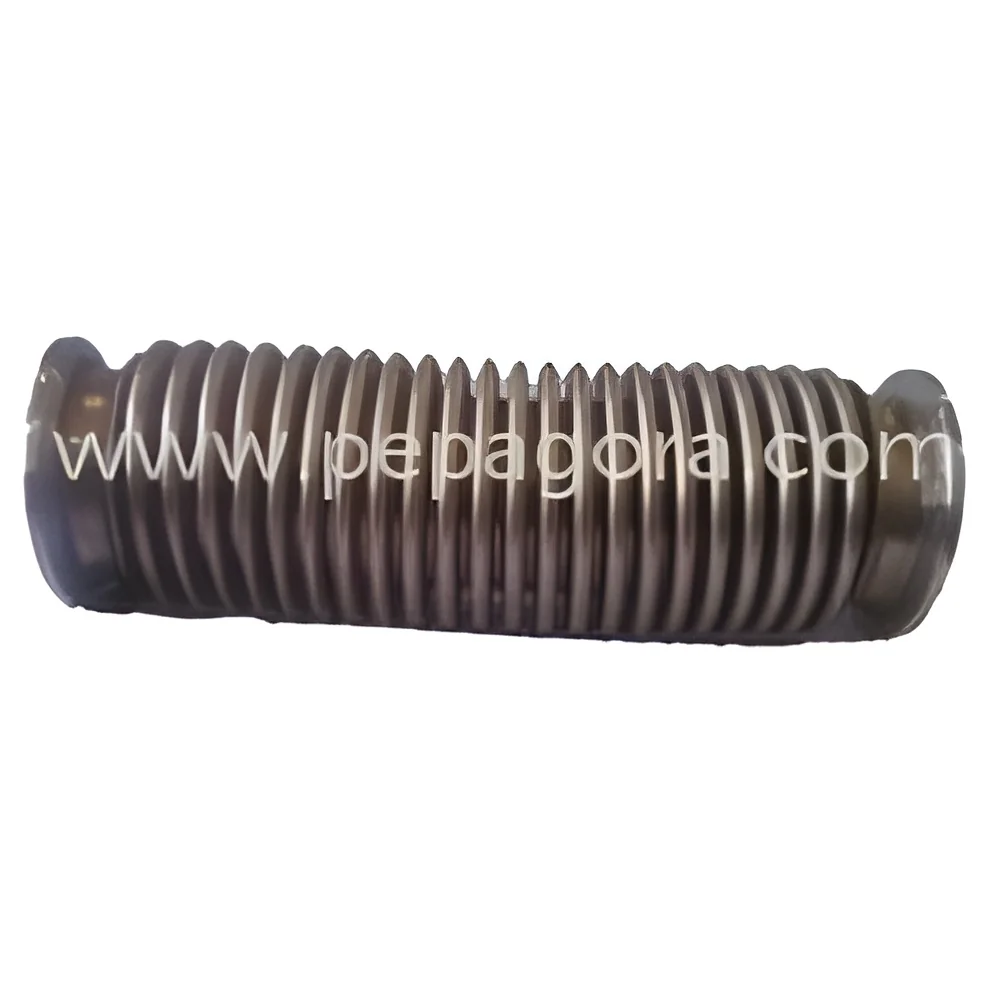
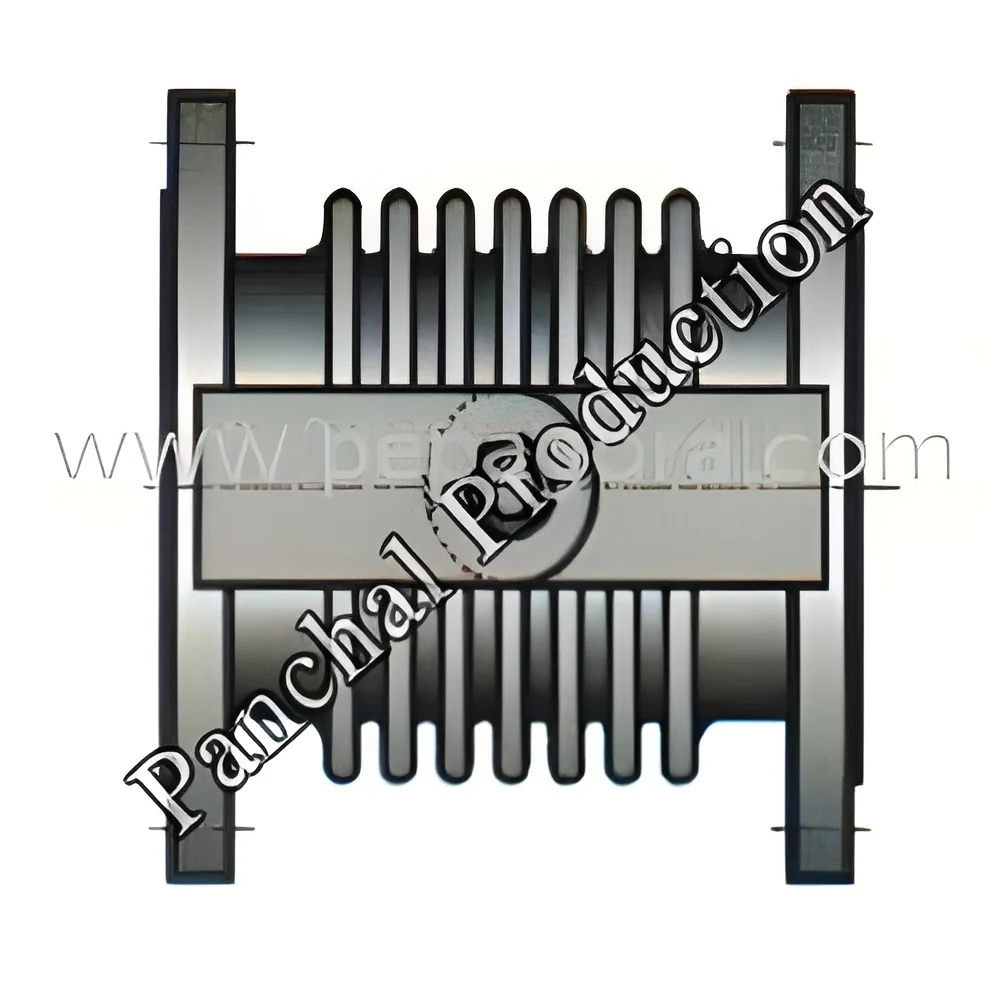
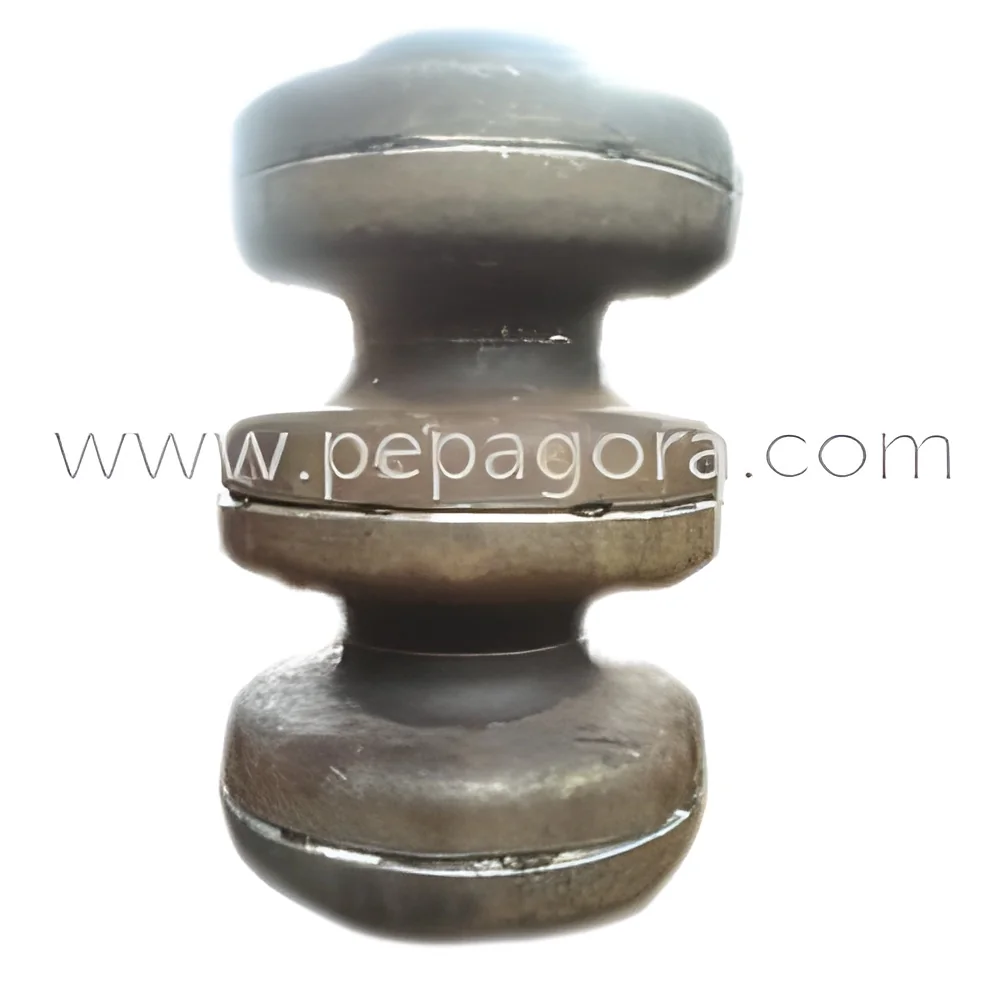
Our industrial fabricated expansion bellows are precision-engineered to absorb thermal movements, vibrations, and misalignments in piping systems. They prevent stress buildup that could lead to pipeline failures, equipment damage, and operational downtime. Manufactured to high standards, these bellows handle axial, lateral, and angular movements while maintaining pressure integrity and dimensional stability across various temperatures and conditions. Their durable construction ensures consistent performance in demanding settings, making them essential for reliable infrastructure operations.

These expansion bellows are widely used in industries like power generation, where they manage steam line thermal expansion; chemical processing facilities, compensating for pipeline shifts in corrosive settings; oil and gas refineries, safeguarding equipment from vibration and thermal stress; HVAC systems in large buildings, adapting to thermal cycling; and water treatment plants, preserving pipel...
Our industrial fabricated expansion bellows are precision-engineered to absorb thermal movements, vibrations, and misalignments in piping systems. They prevent stress buildup that could lead to pipeline failures, equipment damage, and operational downtime. Manufactured to high standards, these bellows handle axial, lateral, and angular movements while maintaining pressure integrity and dimensional stability across various temperatures and conditions. Their durable construction ensures consistent performance in demanding settings, making them essential for reliable infrastructure operations.

These expansion bellows are widely used in industries like power generation, where they manage steam line thermal expansion; chemical processing facilities, compensating for pipeline shifts in corrosive settings; oil and gas refineries, safeguarding equipment from vibration and thermal stress; HVAC systems in large buildings, adapting to thermal cycling; and water treatment plants, preserving pipeline integrity amid temperature changes and ground movements. Their adaptability makes them crucial wherever piping systems face thermal or mechanical challenges.

The business value of our fabricated expansion bellows lies in their proven reliability and cost efficiency. By averting pipeline and equipment issues, they cut maintenance expenses and prevent unplanned stoppages. Their robust design ensures long service life under harsh conditions, translating to improved operational safety, lower total ownership costs, and enhanced system productivity for industrial applications.

Key Features:
- Absorbs thermal expansion, vibration, and pipeline movement effectively
- Maintains dimensional stability across varied temperature ranges
- Customizable designs to meet specific application needs
- Robust construction for long-term durability and performance
- Adheres to industry standards and safety regulations

Benefits:
- Reduces stress on pipelines and equipment to prevent failures
- Enhances operational safety by minimizing system risks
- Lowers maintenance costs and unplanned downtime
- Extends equipment lifespan with reliable performance
- Improves system efficiency and overall productivity
Specifications
| Additional Information | |
|---|---|
| Country of Origin | India |
Application
Fabricated expansion bellows are engineered to manage thermal expansion, vibration, and misalignment in industrial piping systems. They prevent stress accumulation that can damage pipelines and connected equipment, maintaining system integrity during temperature changes and mechanical shifts. This ensures operational safety and reduces the risk of costly failures in critical infrastructure.
These components are vital across industries such as power generation, chemical processing, oil and gas, and HVAC. They accommodate axial, lateral, and angular movements, extending equipment lifespan while minimizing maintenance needs and downtime. Their robust design supports continuous operation in demanding environments, enhancing overall system reliability.
- Compensate for thermal expansion in high-temperature steam pipelines at power generation facilities
- Absorb vibration and movement in chemical processing plant piping systems
- Accommodate structural settlement and alignment issues in industrial HVAC installations
- Protect pumps and turbines from pipeline stress in oil and gas refineries
- Provide flexibility in water treatment plant piping networks subject to temperature variations
Trade Details
| Available Stock | In Stock |
| Sample Availability | No |
Payment Terms
| Payment Terms |
|
Company Profile
Panchal Production, Gujarat
 Gujarat, India
Gujarat, IndiaManufacturer•Distributor / Wholesaler•Importer / Exporter
Factory Details
Factory SizeBelow 1000 sqm
Annual Production Capacity0
Industrial Piping Fabricated Expansion Bellows For Thermal Movement
Industrial fabricated expansion bellows absorb thermal movement in piping systems, ensuring reliability for HVAC, power plants, and chemical processing with stress reduction and long-term performance.
Min. Order Quantity: 1 unit
Shipping
Shipping fee and delivery date to be negotiated. Contact supplier now for more details.
Panchal Production
 Gujarat, India
Gujarat, IndiaManufacturer