IN
IN₹
Description
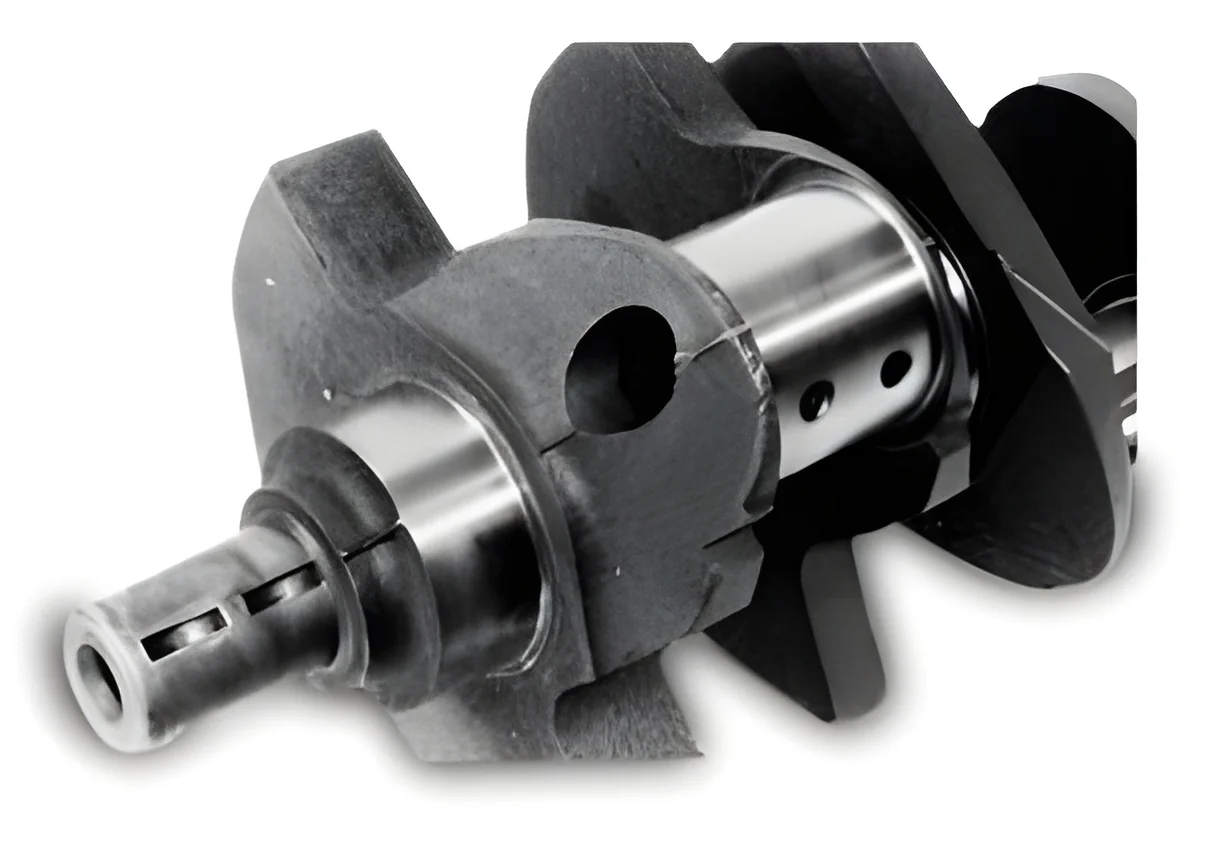
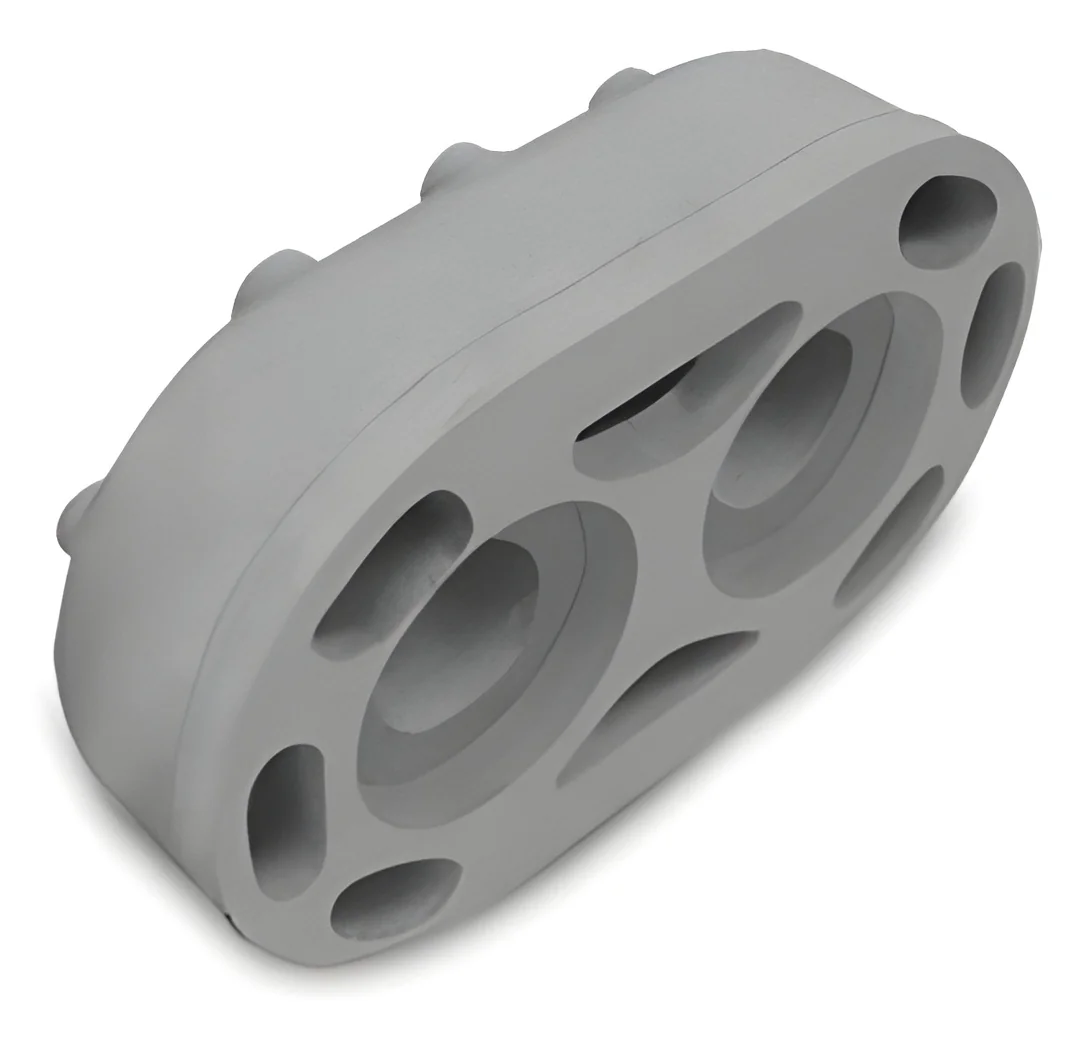
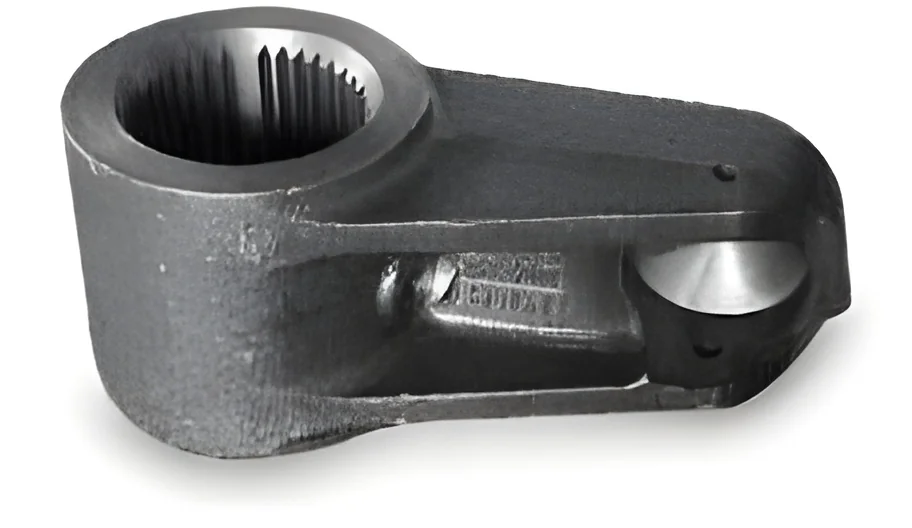
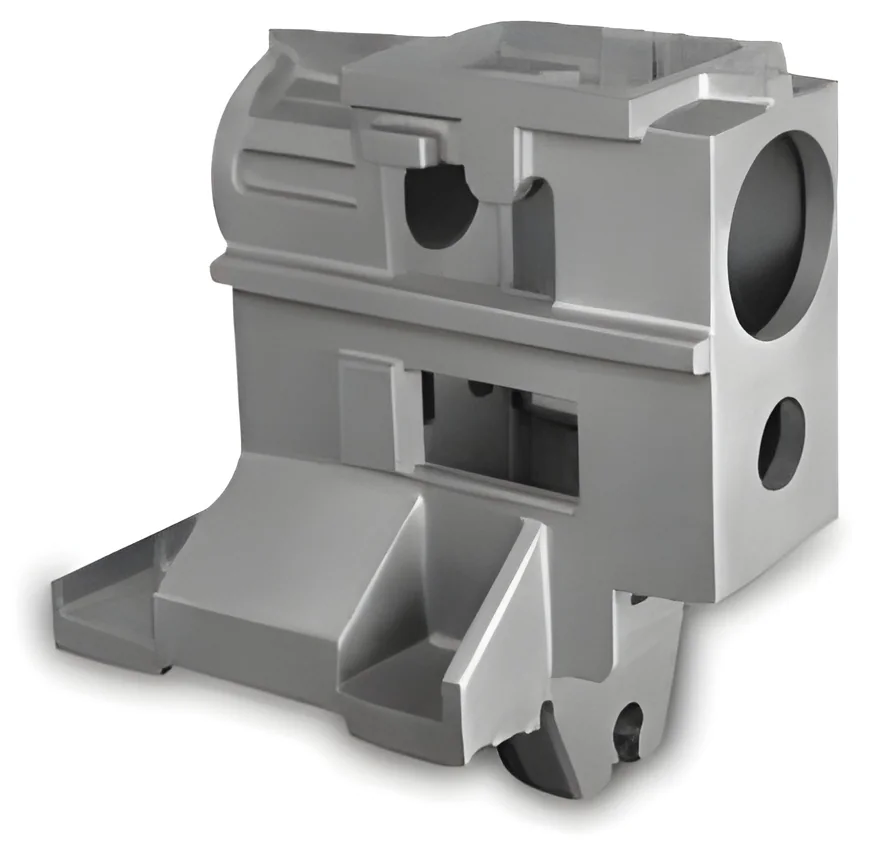
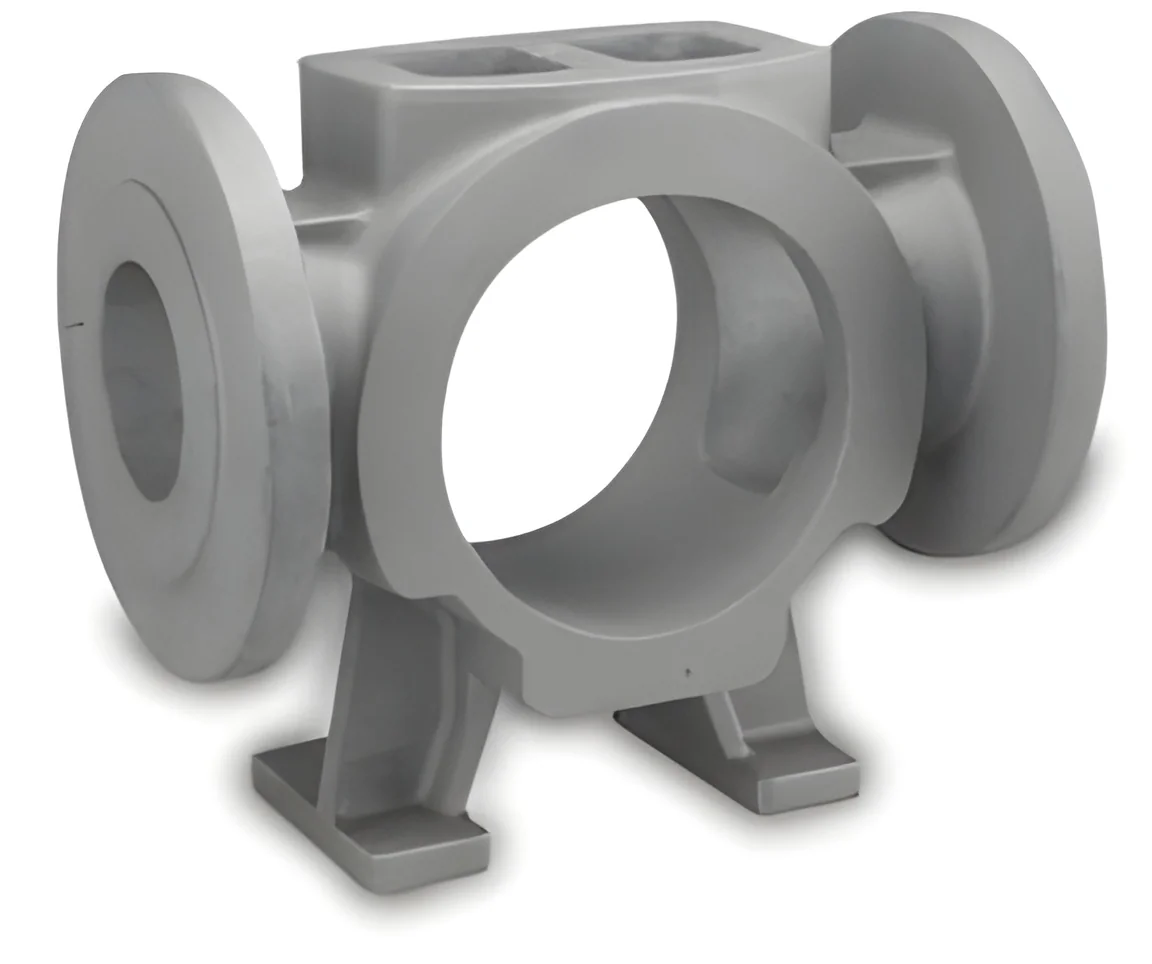
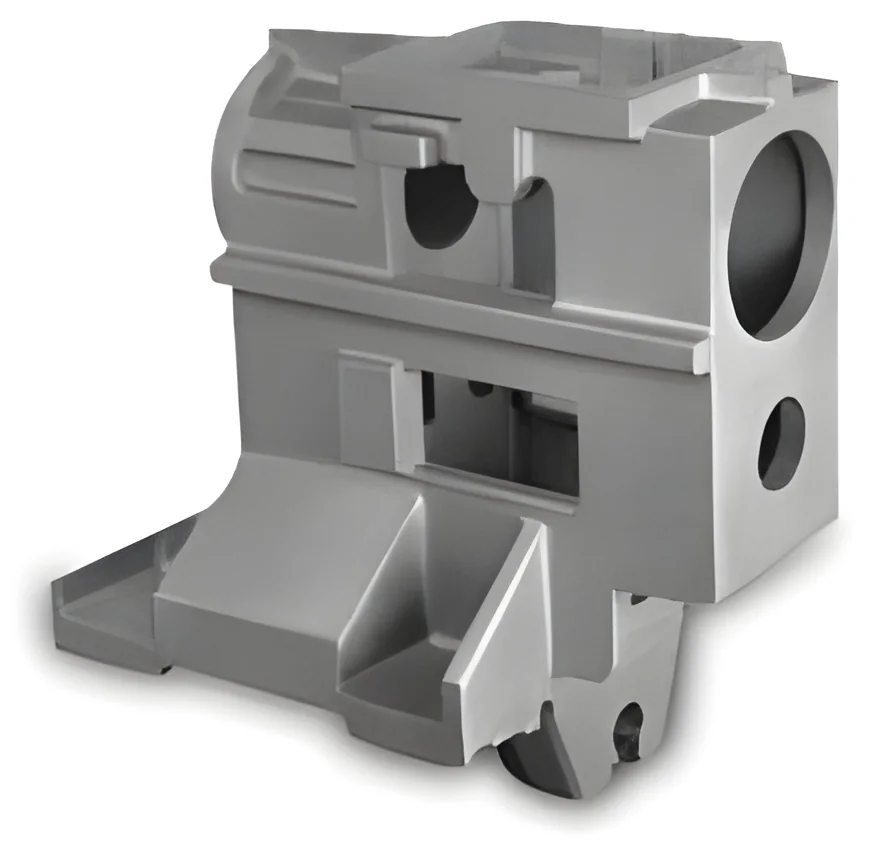
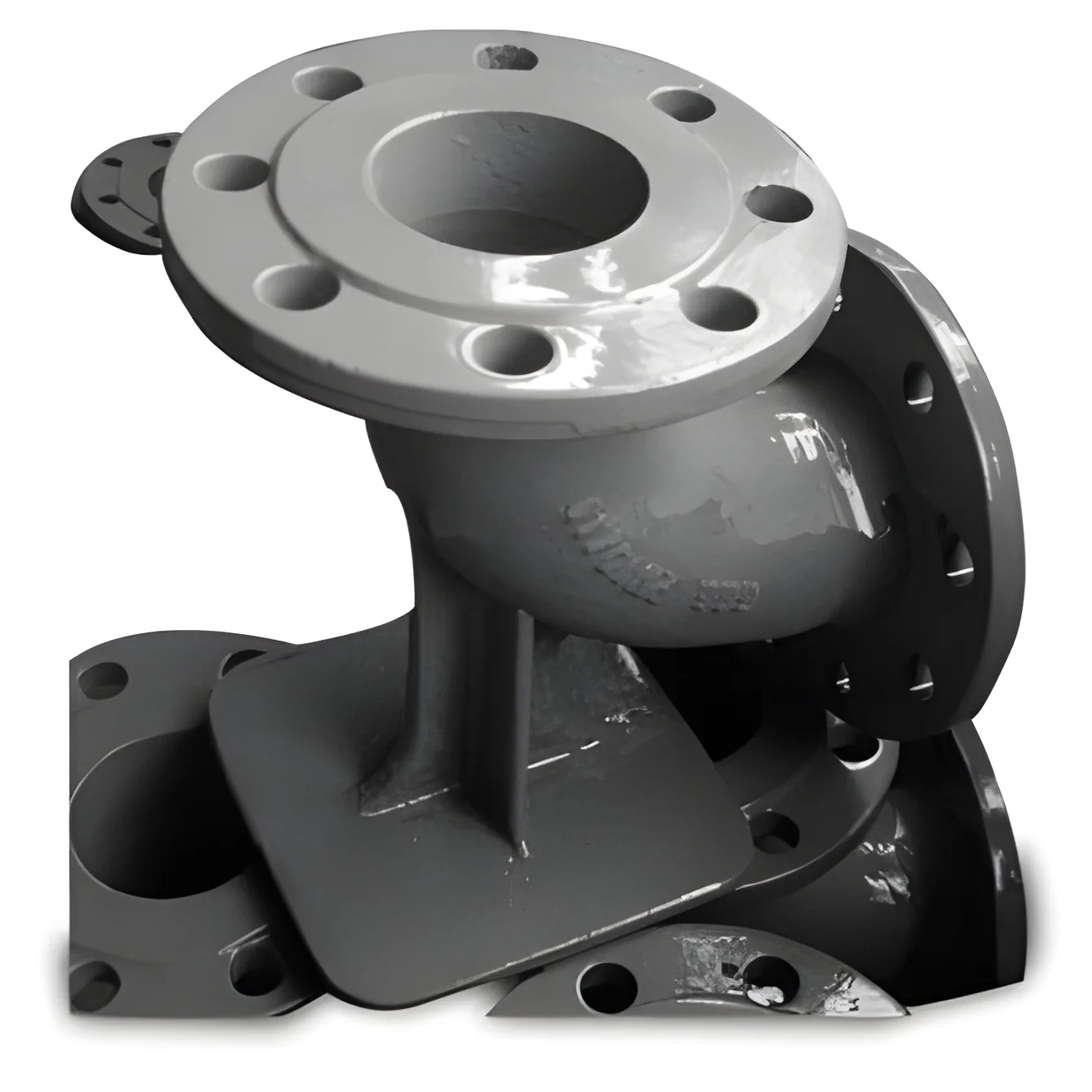
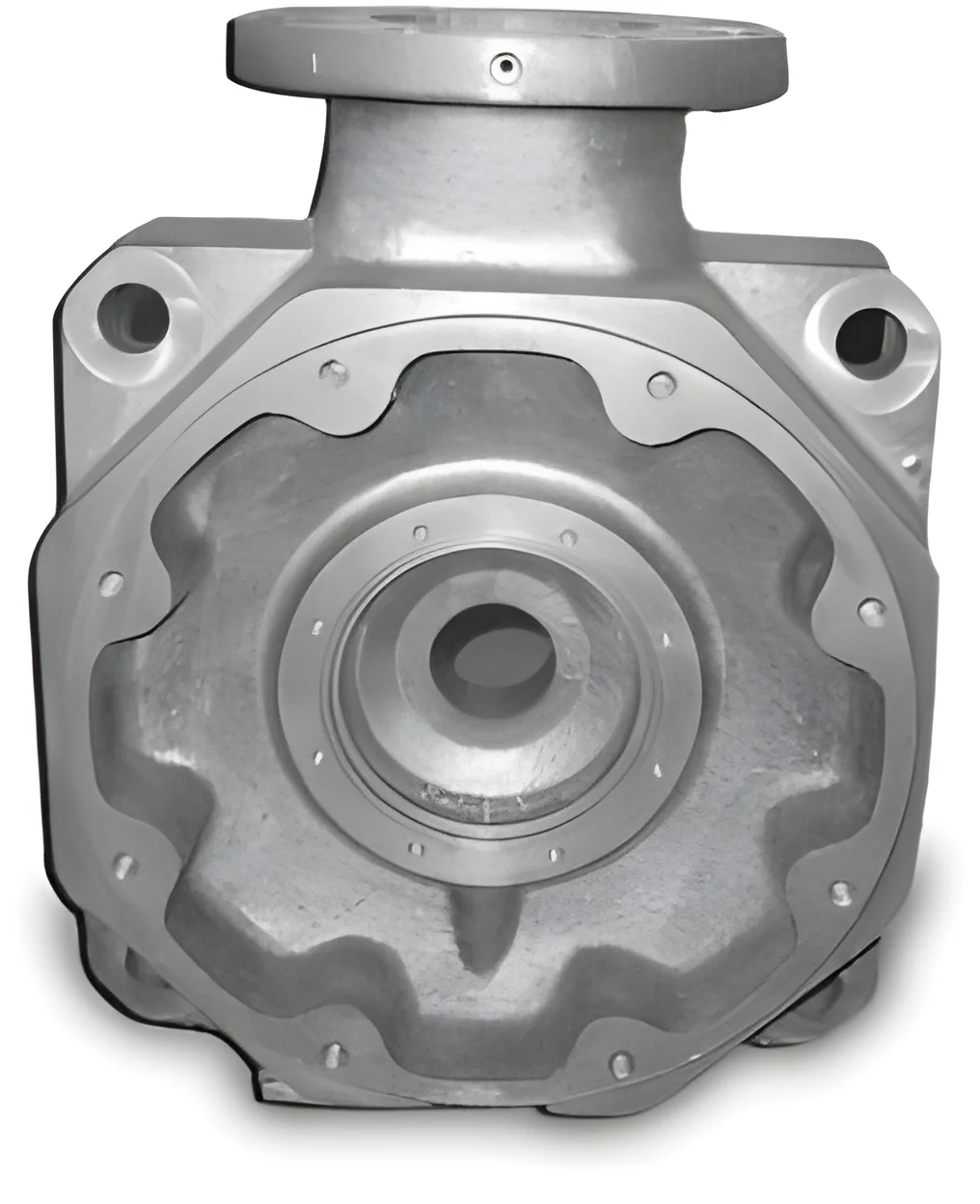
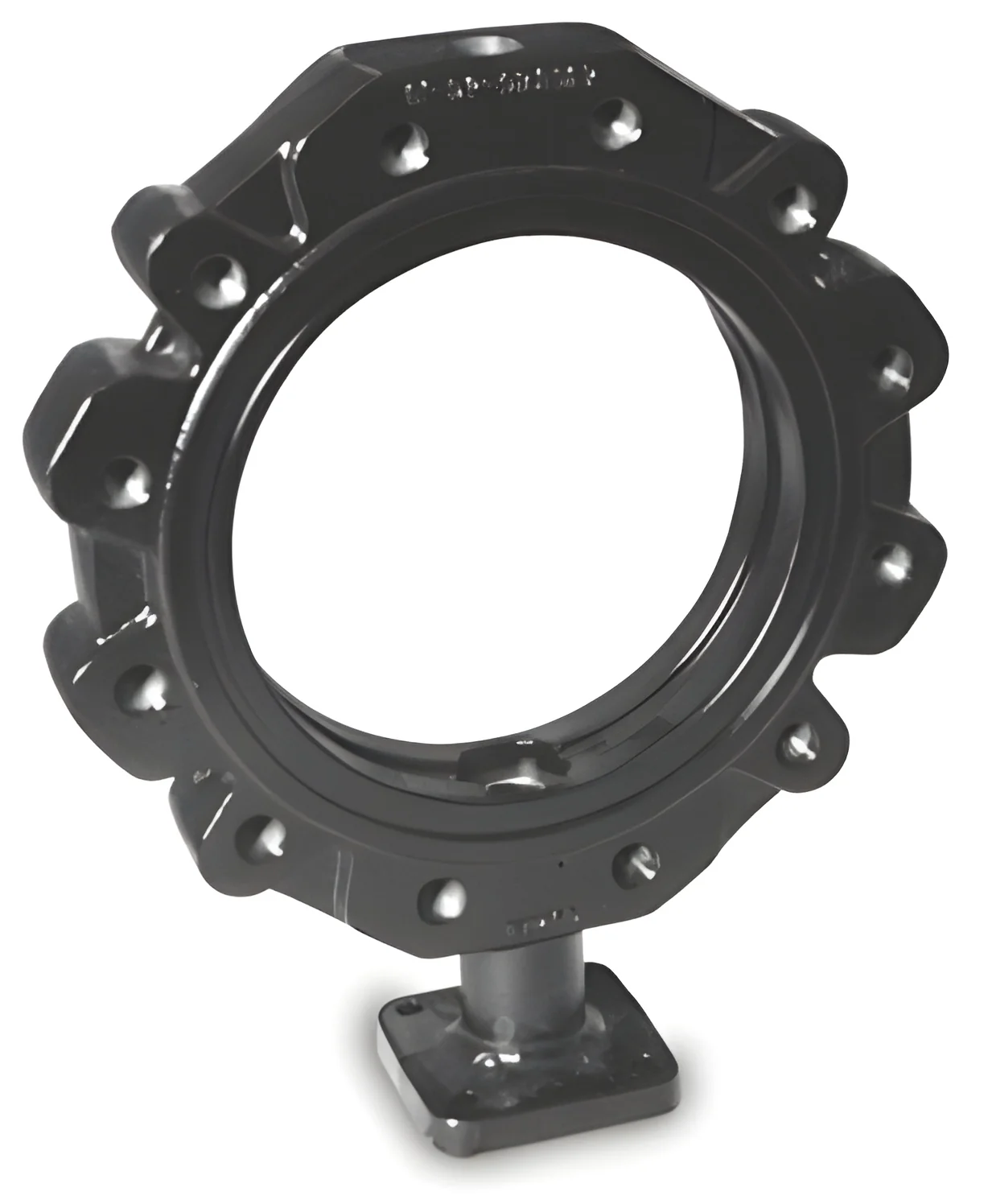
Premium elevator parts castings represent high-quality manufactured components specifically engineered for vertical transportation systems. These castings provide the structural foundation and mechanical functionality essential for elevator operation, manufactured to precise specifications using advanced foundry techniques and durable materials. Their robust construction ensures consistent performance under continuous use, maintaining integrity through years of service while meeting international quality standards. These components are designed for compatibility with various elevator systems, offering reliable solutions for both new installations and existing infrastructure upgrades where dependability and longevity are paramount considerations for building owners and service providers.

These specialized castings find extensive utilization across construction projects, property development, and facility management sectors. Elevator original equipment manufacturers incorporate them int...
Premium elevator parts castings represent high-quality manufactured components specifically engineered for vertical transportation systems. These castings provide the structural foundation and mechanical functionality essential for elevator operation, manufactured to precise specifications using advanced foundry techniques and durable materials. Their robust construction ensures consistent performance under continuous use, maintaining integrity through years of service while meeting international quality standards. These components are designed for compatibility with various elevator systems, offering reliable solutions for both new installations and existing infrastructure upgrades where dependability and longevity are paramount considerations for building owners and service providers.

These specialized castings find extensive utilization across construction projects, property development, and facility management sectors. Elevator original equipment manufacturers incorporate them into new system production, while maintenance companies rely on them for modernization projects and replacement part inventories. Their application spans diverse environments including corporate towers, residential complexes, healthcare institutions, retail establishments, and transportation hubs where efficient vertical mobility directly impacts operational continuity and user experience. The adaptability of these components makes them suitable for various elevator configurations and building heights, addressing the evolving demands of modern infrastructure and architectural designs while complying with stringent safety regulations worldwide.

Selecting premium elevator parts castings delivers substantial business advantages through enhanced operational reliability and reduced maintenance requirements. These components undergo rigorous testing protocols to verify strength, precision, and compliance with industry standards, ensuring they perform effectively under demanding conditions and stress factors. Their consistent quality minimizes system failures and operational disruptions, leading to lower lifetime costs and improved customer satisfaction. By incorporating these trusted components, businesses strengthen their reputation for delivering reliable solutions, build lasting client relationships through dependable performance, and optimize supply chain efficiency for timely project completion and consistent service delivery across multiple installations and maintenance contracts.

Key Features:
- High-strength materials providing resistance to wear, corrosion, and mechanical stress
- Precision engineering ensuring exact fitment and compatibility with elevator systems
- Customizable designs accommodating specific project requirements and standards
- Comprehensive quality control and testing procedures for durability and safety compliance
- Superior surface finish and dimensional accuracy facilitating straightforward installation

Benefits:
- Extended component lifespan reducing replacement frequency and associated costs
- Enhanced system reliability minimizing operational disruptions and downtime
- Improved safety performance meeting regulatory requirements and building codes
- Simplified installation processes saving time and labor expenses
- Consistent quality assurance supporting long-term operational efficiency
Specifications
| Additional Information | |
|---|---|
| Country of Origin | India |
Application
Elevator parts castings serve as fundamental components in manufacturing and maintaining vertical transportation systems across commercial, residential, and industrial sectors. These precision-engineered parts ensure operational safety, smooth functionality, and extended service life for elevators in various building types, meeting rigorous industry regulations and performance demands for reliable daily operation and passenger security.
These castings support multiple industries including construction, facility management, and elevator original equipment manufacturers. Their applications range from high-rise office complexes and residential towers to healthcare facilities, shopping centers, and hospitality venues where dependable elevator performance is essential for user convenience, accessibility, and continuous building operations without interruption or safety concerns.
- Elevator car frames and structural supports providing stability under heavy loads
- Guide shoes and roller assemblies ensuring smooth vertical movement along rails
- Counterweight components balancing elevator systems for energy efficiency
- Door operator mechanisms enabling reliable opening and closing functions
- Safety gear and braking system parts meeting emergency stop requirements
Trade Details
| Available Stock | In Stock |
| Sample Availability | No |
Payment Terms
| Payment Terms |
|
Company Profile
Accord Inducto Cast, Gujarat
 Gujarat, India
Gujarat, IndiaRaw Materials & Chemicals•Manufacturer•Importer / Exporter
Factory Details
Factory SizeBelow 1000 sqm
Annual Production Capacity0
Premium Elevator Parts Castings For Reliability And Durability
Premium elevator parts castings deliver superior reliability and durable performance for elevator manufacturers and maintenance firms. These high-quality components ensure long-lasting operation and meet strict industry standards for safety and efficiency.
Min. Order Quantity: 1 unit
Shipping
Shipping fee and delivery date to be negotiated. Contact supplier now for more details.
Accord Inducto Cast
 Gujarat, India
Gujarat, IndiaRaw Materials & ChemicalsManufacturer