IN
₹
Apparel & Fashion
Description
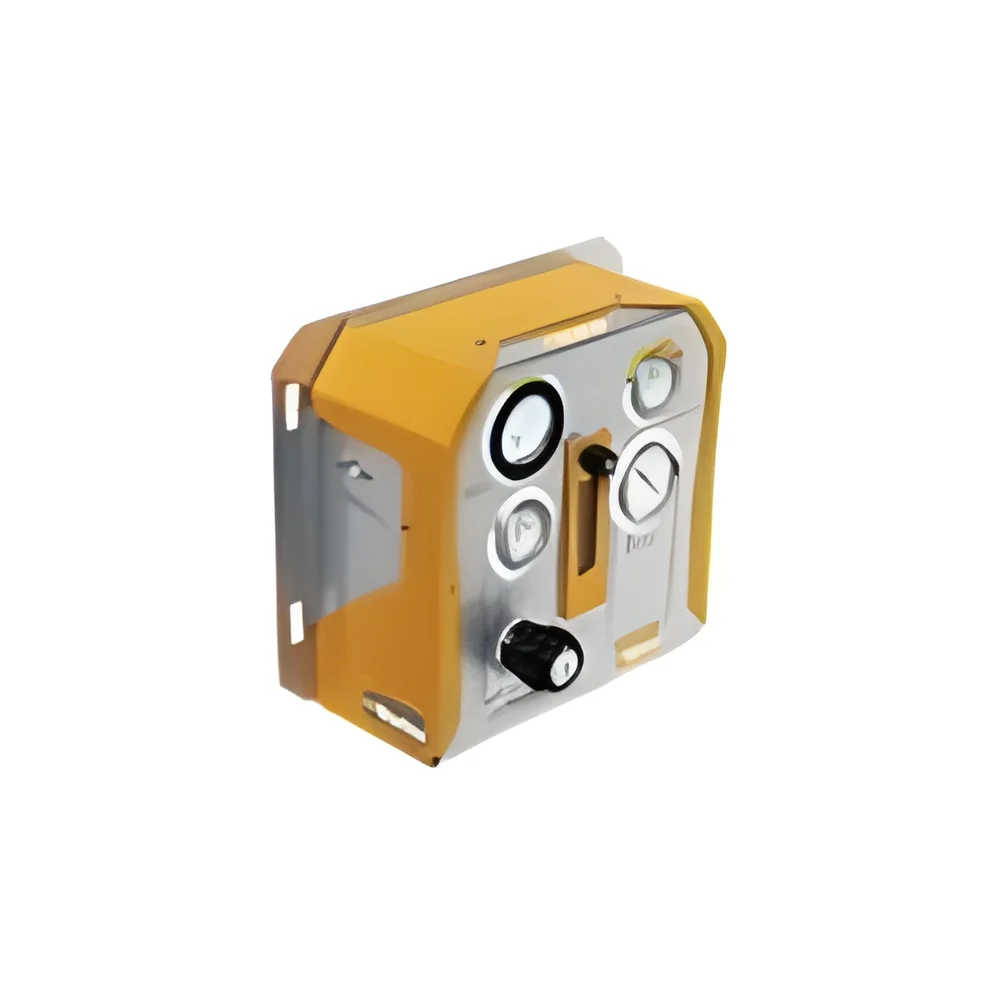
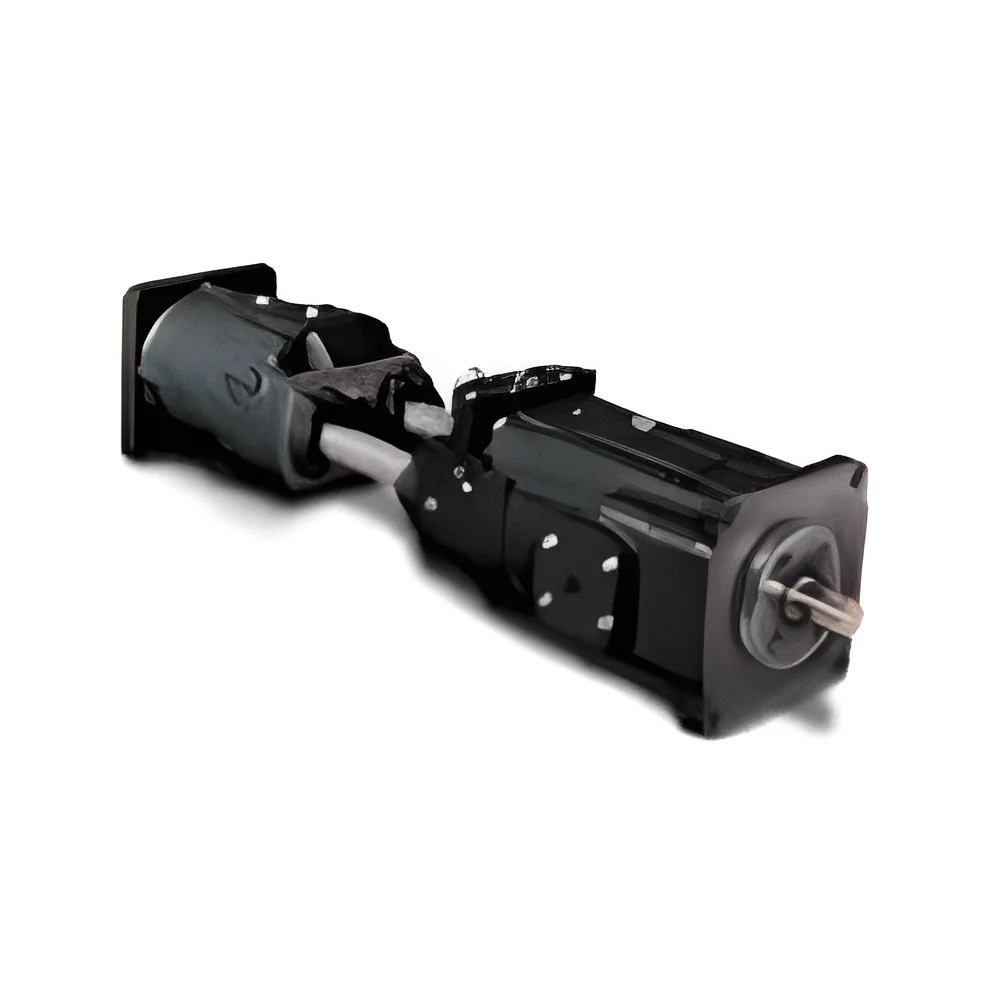
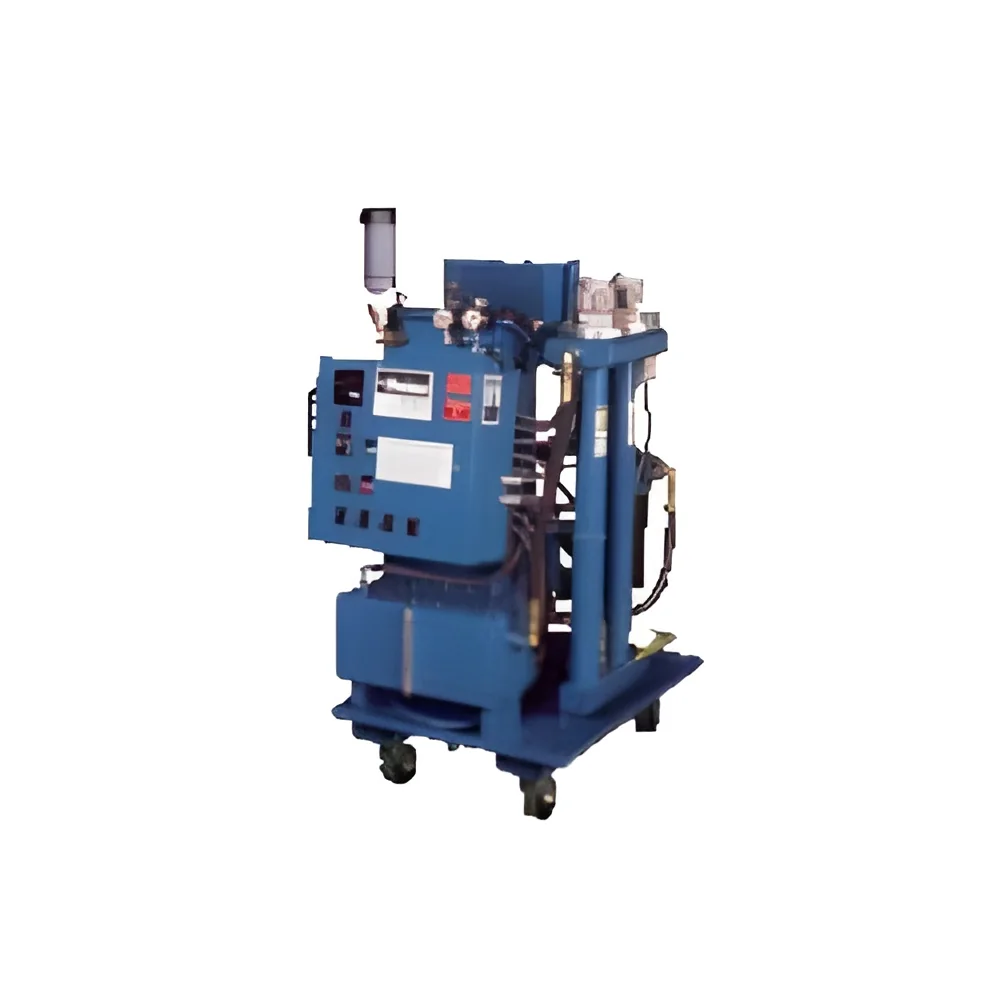
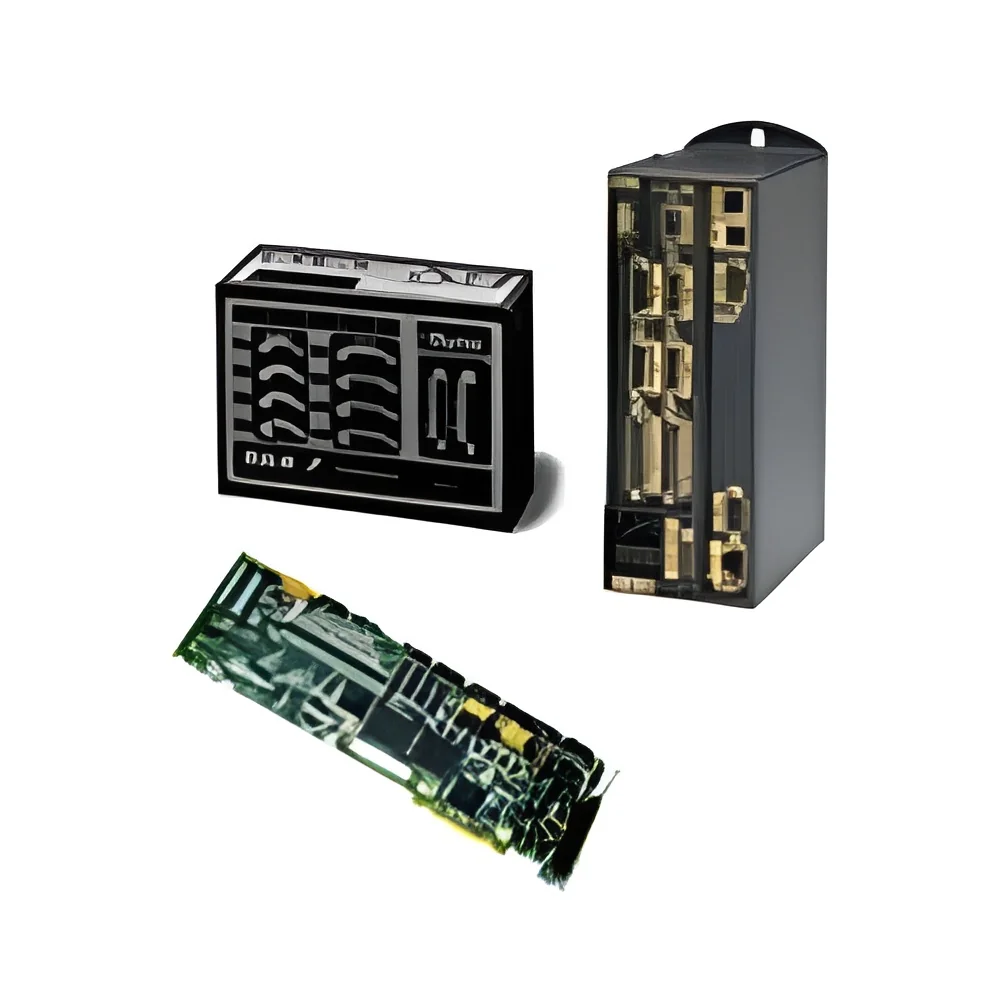
The Industrial Automation Electronic Controller represents advanced precision control technology designed for modern industrial environments. This high-performance device combines sophisticated microprocessor technology with intuitive interfaces to deliver exceptional control accuracy across various applications. Engineered for durability and reliability, it operates consistently in challenging conditions including extreme temperatures, high humidity, and electromagnetic interference environments. The controller supports multiple input and output configurations, enabling seamless connectivity with sensors, actuators, and enterprise management systems. Its modular architecture facilitates straightforward upgrades and maintenance procedures, significantly reducing operational downtime while extending equipment service life.

This electronic controller finds extensive application across critical industrial sectors where precision and reliability are paramount. Manufacturing facilities uti...
The Industrial Automation Electronic Controller represents advanced precision control technology designed for modern industrial environments. This high-performance device combines sophisticated microprocessor technology with intuitive interfaces to deliver exceptional control accuracy across various applications. Engineered for durability and reliability, it operates consistently in challenging conditions including extreme temperatures, high humidity, and electromagnetic interference environments. The controller supports multiple input and output configurations, enabling seamless connectivity with sensors, actuators, and enterprise management systems. Its modular architecture facilitates straightforward upgrades and maintenance procedures, significantly reducing operational downtime while extending equipment service life.

This electronic controller finds extensive application across critical industrial sectors where precision and reliability are paramount. Manufacturing facilities utilize it for automating assembly lines, robotic systems, and quality control processes. The energy sector employs it for optimizing power distribution networks and managing renewable energy installations. Pharmaceutical manufacturers depend on its precision for maintaining strict environmental controls in production areas and clean rooms. Infrastructure projects incorporate it for smart building management, traffic control systems, and water treatment facilities. Additional industries benefiting from its capabilities include aerospace component manufacturing, automotive testing facilities, and food processing plants, where it ensures compliance with industry-specific standards and regulatory requirements.

The controller delivers substantial business value by enhancing operational efficiency, reducing energy consumption, and minimizing human error through automated precision control. Its proven reliability translates to lower maintenance costs and fewer system failures, protecting production schedules and output quality. Manufactured using high-quality components and subjected to rigorous testing protocols, it offers long-term durability and consistent performance under demanding conditions. The device's flexibility allows adaptation to specific industrial processes, providing companies with competitive advantages in their respective markets. Support for remote monitoring capabilities and integration with modern industrial platforms ensures future-ready operations, enabling data-driven decision-making and enhanced operational transparency across organizations.

Key Features:
- High-precision microprocessor technology for accurate real-time control adjustments
- Robust construction designed to withstand dust, moisture, and extreme temperature conditions
- Multiple industrial communication protocols including Modbus, Ethernet/IP, and Profinet
- Customizable operational parameters to meet specific industrial process requirements
- Comprehensive diagnostic and monitoring tools for proactive maintenance planning

Benefits:
- Enhanced operational efficiency through precise automated control systems
- Reduced maintenance requirements and costs due to reliable performance
- Improved process accuracy leading to higher quality output and reduced waste
- Flexible integration capabilities with existing industrial equipment and systems
- Long-term durability and consistent performance in challenging environments
Specifications
| Additional Information | |
|---|---|
| Country of Origin | India |
Application
This industrial automation electronic controller is engineered for demanding manufacturing environments where precision control is critical. It seamlessly integrates with machinery, robotic systems, and process control setups, providing accurate command and monitoring capabilities across various industrial operations. The controller maintains consistent performance under varying load conditions and is suitable for both new installations and equipment upgrades.
Versatile enough for multiple sectors, this controller supports applications in manufacturing plants, energy management systems, and infrastructure projects. Its robust design ensures compatibility with international standards while delivering reliable performance in challenging industrial settings. The device adapts to specific operational requirements across different industries from automotive to pharmaceuticals and beyond.
- Precision control of assembly line operations in automotive manufacturing facilities
- Environmental monitoring and regulation in pharmaceutical production clean rooms
- Energy management and optimization in commercial HVAC systems
- Conveyor system control and monitoring in logistics and warehousing operations
- Process automation in water treatment plants for flow regulation and quality control
Trade Details
| Available Stock | In Stock |
| Sample Availability | No |
Payment Terms
| Payment Terms |
|
Company Profile
Anshul Automation, Gujarat
 Gujarat, India
Industrial Equipment & Machinery•Trading Company•Importer / Exporter
Factory Details
Factory Size1000-5000 sqm
Annual Production Capacity0
Main Markets
North America
Oceania
Northern Europe
South America
Mid East
Southern Europe
Eastern Europe
Eastern Asia
South Asia
Southeast Asia
Western Europe
Africa
Central America
Domestic
Industrial Automation Electronic Controller For Precision Control
Industrial Automation Electronic Controller delivers precision control for manufacturing and process industries. This high-performance device ensures reliable operation, seamless integration, and supports customization for diverse industrial applications.
Min. Order Quantity: 1 unit
Shipping
Shipping fee and delivery date to be negotiated. Contact supplier now for more details.
Anshul Automation
 Gujarat, India
Industrial Equipment & MachineryTrading Company