IN
INundefined
Description
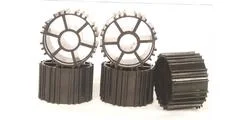
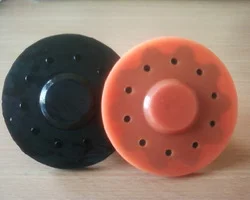
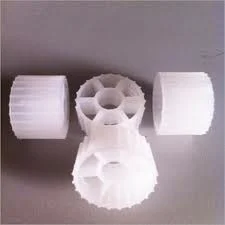
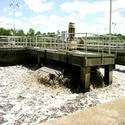
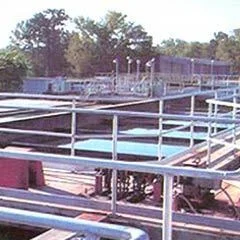
Industrial effluent water treatment systems provide comprehensive solutions for managing complex wastewater streams from manufacturing and processing operations. These systems empl...
Industrial effluent water treatment systems provide comprehensive solutions for managing complex wastewater streams from manufacturing and processing operations. These systems employ advanced treatment technologies that efficiently remove contaminants, pollutants, and harmful substances through integrated physical, chemical, and biological processes. The treatment sequence typically includes preliminary screening, primary treatment for solid removal, secondary biological treatment, and tertiary polishing stages to ensure water quality meets required standards. Designed for operational efficiency, these systems feature automated controls, real-time monitoring capabilities, and user-friendly interfaces that simplify operation while maintaining consistent treatment performance. The robust engineering ensures reliable operation even when handling aggressive industrial effluents with varying characteristics and fluctuating flow rates.

These treatment systems serve critical functions across multiple industrial sectors where wastewater generation is inherent to production processes. Textile manufacturing facilities utilize them for effective color removal and chemical oxygen demand reduction in dyeing and printing wastewater. Chemical processing plants employ these systems to treat effluents containing solvents, acids, and various process chemicals. Pharmaceutical production units rely on them for removing active pharmaceutical ingredients and complex organic compounds. Food processing operations benefit from biological treatment capabilities that efficiently handle high organic loads. Metal finishing and electroplating industries use specialized configurations for heavy metal removal and cyanide destruction, ensuring compliance with stringent discharge regulations across all applications.

The implementation of our effluent treatment systems delivers substantial business value beyond regulatory compliance. These systems significantly reduce environmental impact fees and potential penalties by ensuring consistent discharge quality that meets local and international standards. They create water recycling opportunities that lower freshwater consumption and reduce overall water procurement costs. The inherent reliability minimizes operational downtime and maintenance requirements, ensuring continuous production without wastewater-related interruptions. The adaptable design allows optimization of treatment processes according to specific effluent characteristics, enhancing treatment efficiency and controlling operational expenses. The long-term durability and consistent performance provide excellent return on investment while demonstrating environmental responsibility to stakeholders and regulatory authorities.

Key Features:
- Customizable design adaptable to specific industry requirements and effluent characteristics
- Multi-stage treatment process incorporating physical, chemical, and biological methods
- Automated control systems with real-time monitoring and adjustment capabilities
- Robust construction using corrosion-resistant materials for long service life
- Scalable capacity options suitable for small facilities to large industrial plants

Benefits:
- Ensures regulatory compliance with environmental discharge standards
- Reduces operational costs through efficient treatment processes
- Lowers environmental impact fees and potential penalties
- Enables water recycling opportunities for reduced consumption
- Provides reliable performance with minimal maintenance requirements
Specifications
| Additional Information | |
|---|---|
| Country of Origin | India |
| Customisable | No |
Application
Our industrial effluent treatment systems handle diverse wastewater streams from manufacturing processes, effectively removing contaminants to meet discharge standards. These solutions maintain consistent performance under varying load conditions while ensuring environmental compliance across different industrial sectors. The systems adapt to specific effluent characteristics, providing reliable treatment for complex wastewater compositions from multiple production processes.

These treatment solutions serve textile manufacturing, chemical processing, pharmaceutical production, food processing, and metal finishing industries. Each system offers scalable capacity options suitable for small facilities to large industrial plants requiring high-volume processing. The adaptable design accommodates varying flow rates and contaminant concentrations while maintaining treatment efficiency and operational reliability.
- Treating dye and chemical-laden wastewater from textile manufacturing units
- Processing pharmaceutical wastewater containing organic compounds and drug residues
- Managing high-BOD waste streams from food and beverage production facilities
- Removing heavy metals and toxic substances from metal finishing operations
- Treating chemical plant effluents containing solvents, acids, and alkaline compounds
Trade Details
| Available Stock | In stock |
| Sample Availability | No |
Payment Terms
| Payment Terms |
|
Company Profile

Bajrang Enviro Engineers, Andhra Pradesh
 Andhra Pradesh, India
Andhra Pradesh, IndiaIndustrial Equipment & Machinery•ManufacturerDistributor / Wholesaler
Factory Details
Factory SizeBelow 1000 sqm
Annual Production Capacity0
Industrial Effluent Water Treatment Systems For Compliance And Cost Savings
Industrial effluent water treatment systems ensure regulatory compliance and reduce operational costs for manufacturing industries. These reliable systems effectively treat wastewater while lowering environmental impact and maintaining consistent performance.
Min. Order Quantity: 1 units
Shipping
Shipping fee and delivery date to be negotiated. Contact supplier now for more details.
Bajrang Enviro Engineers Andhra Pradesh, India
Andhra Pradesh, IndiaIndustrial Equipment & MachineryManufacturer