IN
IN₹
Apparel & Fashion
Description
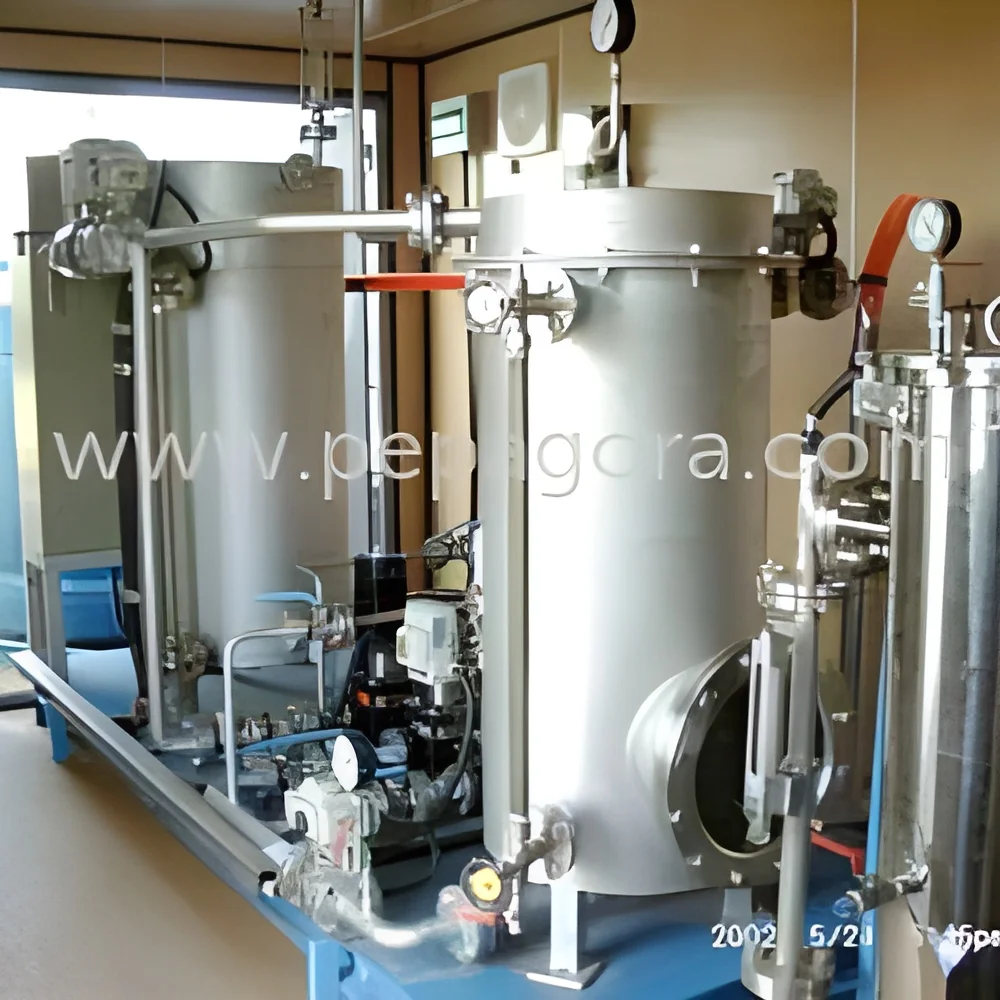
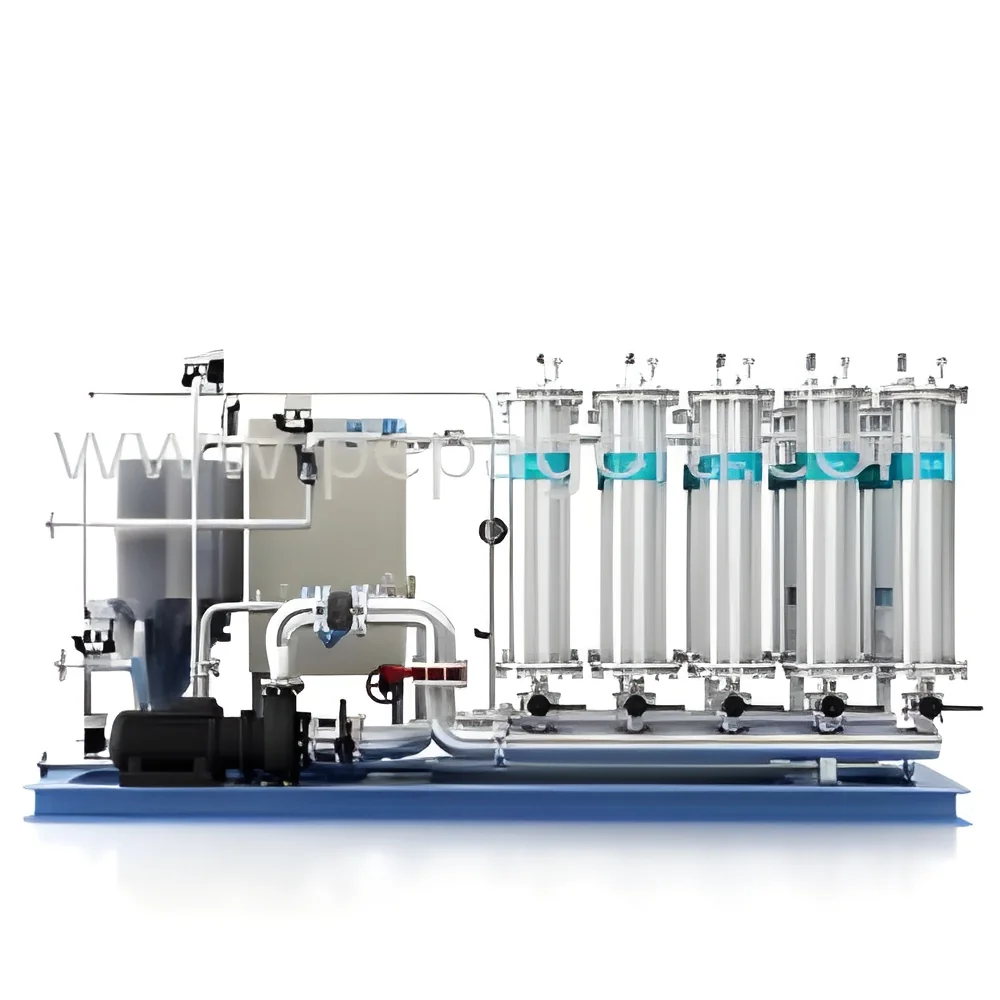
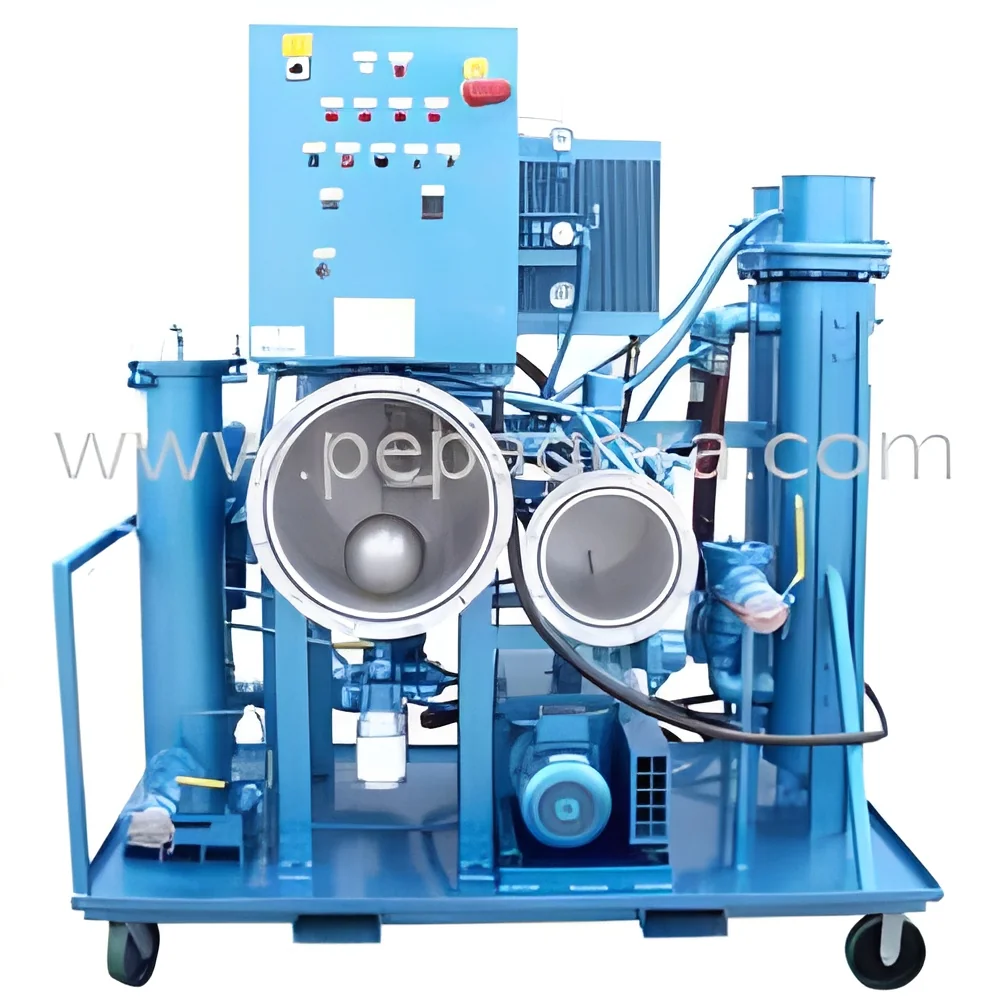
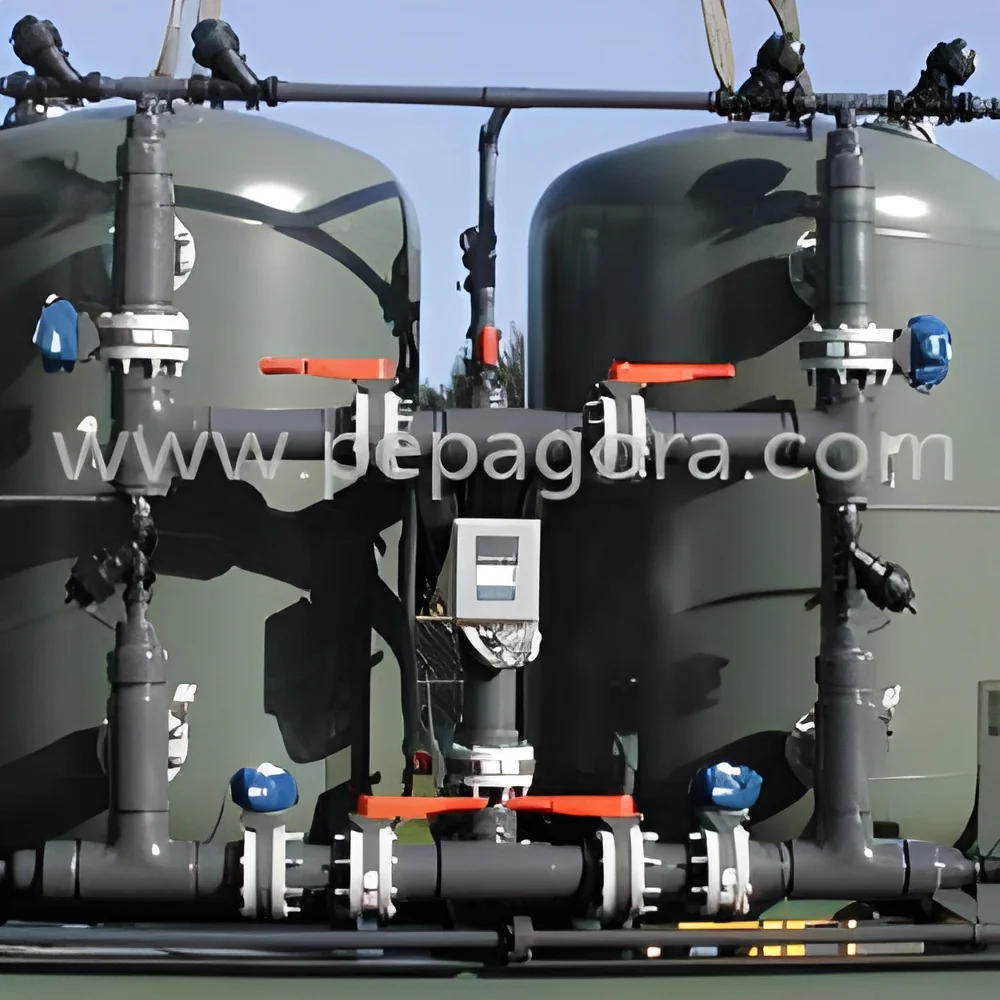
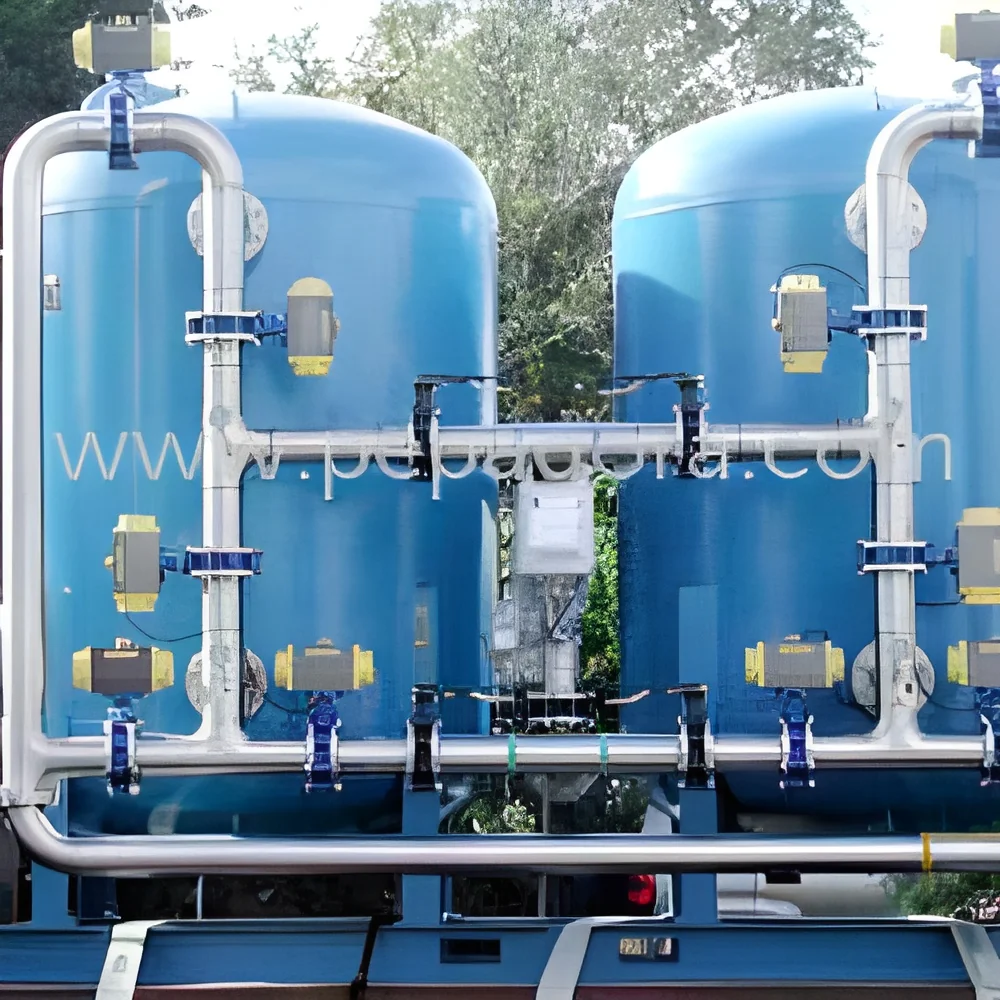
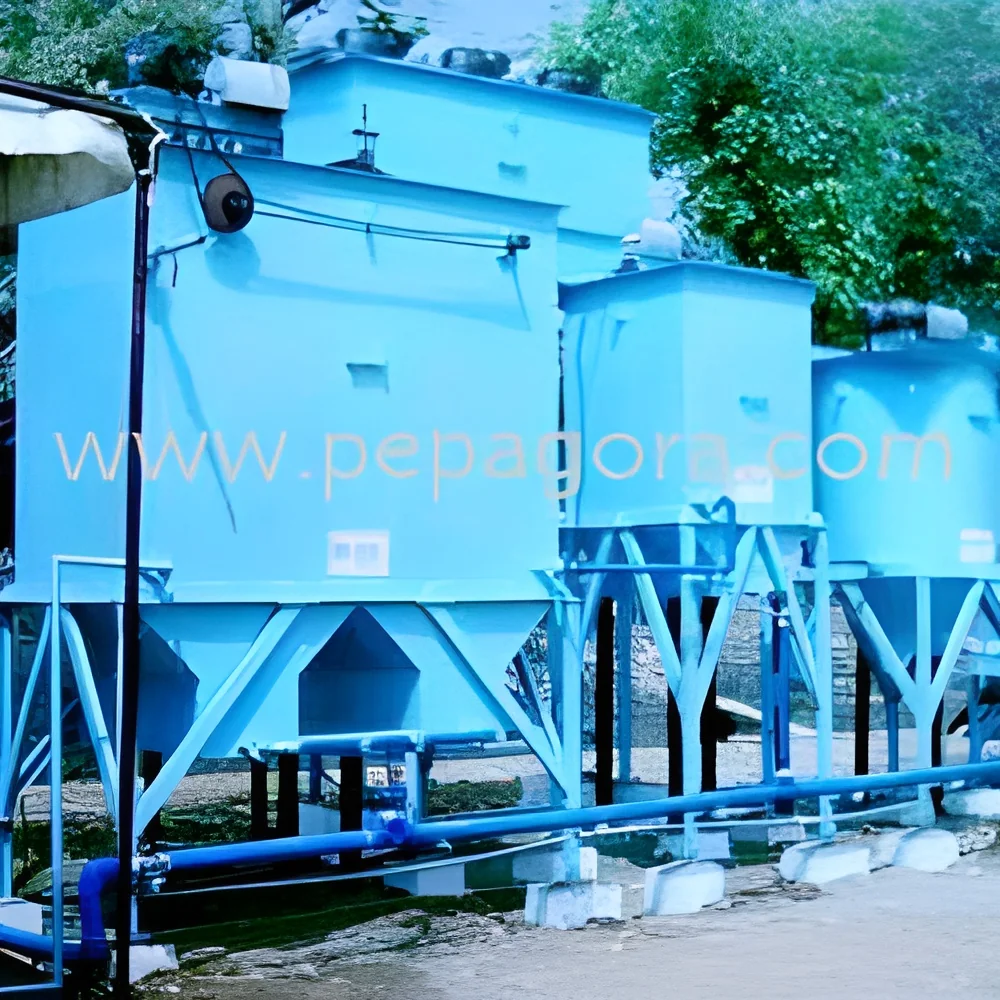
Industrial Effluent Treatment Plants represent advanced wastewater management solutions designed for reliable performance in demanding industrial environments. These systems incorporate sophisticated treatment technologies to process contaminated water from various sources, ensuring output meets stringent environmental regulations. Built with durability and efficiency in mind, these plants handle diverse waste streams including chemical, organic, and inorganic contaminants. The comprehensive approach covers everything from initial design through installation and ongoing operational support, providing businesses with complete wastewater management solutions that prioritize both compliance and environmental responsibility.

These treatment plants find extensive application across multiple industrial sectors where wastewater generation is inherent to operations. Pharmaceutical facilities utilize them to process water containing active pharmaceutical ingredients and solvents. Textile manuf...
Industrial Effluent Treatment Plants represent advanced wastewater management solutions designed for reliable performance in demanding industrial environments. These systems incorporate sophisticated treatment technologies to process contaminated water from various sources, ensuring output meets stringent environmental regulations. Built with durability and efficiency in mind, these plants handle diverse waste streams including chemical, organic, and inorganic contaminants. The comprehensive approach covers everything from initial design through installation and ongoing operational support, providing businesses with complete wastewater management solutions that prioritize both compliance and environmental responsibility.

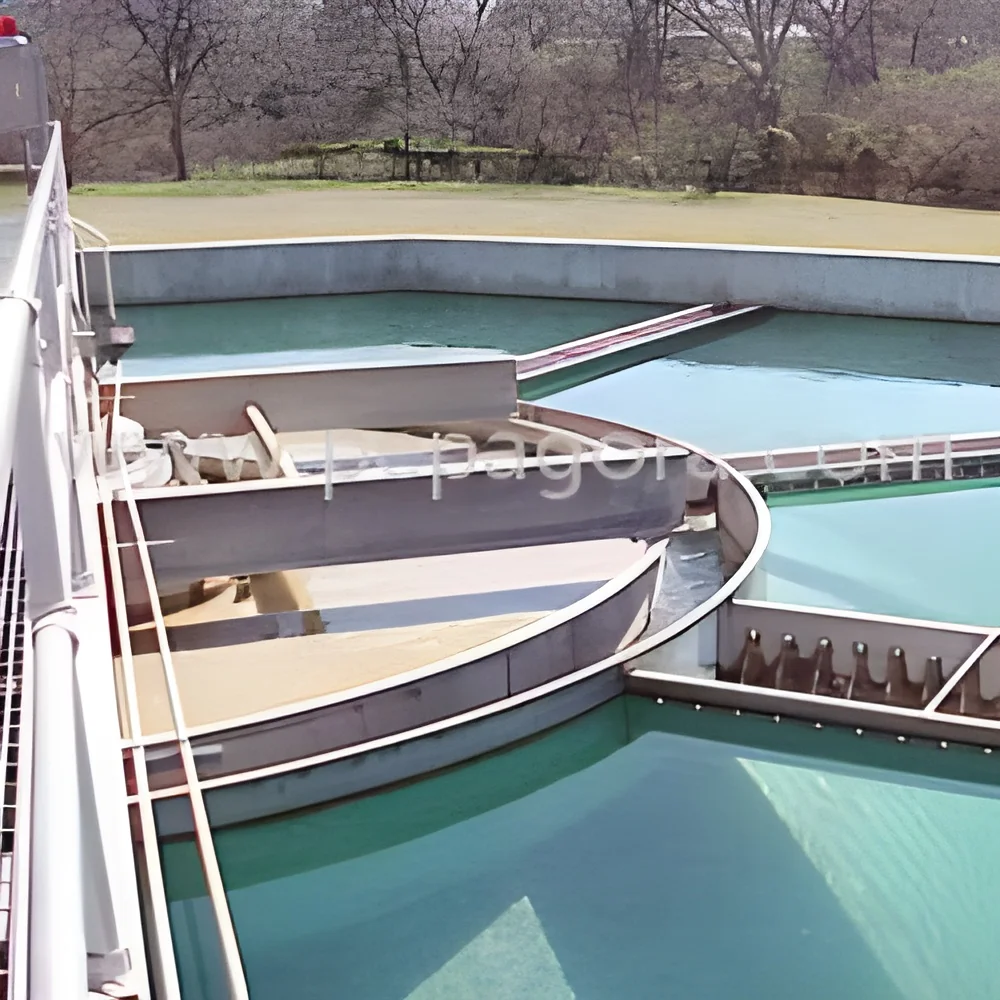
These treatment plants find extensive application across multiple industrial sectors where wastewater generation is inherent to operations. Pharmaceutical facilities utilize them to process water containing active pharmaceutical ingredients and solvents. Textile manufacturers depend on them for removing complex dyes and chemical additives from production wastewater. Food processing plants employ these systems to manage organic waste loads, while chemical industries rely on them for treating hazardous substance-laden effluents. Municipalities implement these plants for urban wastewater management, ensuring public health protection and environmental conservation through effective sewage treatment.

The business value of these effluent treatment systems extends beyond regulatory compliance to operational efficiency and risk mitigation. Their robust construction and advanced engineering minimize maintenance requirements and operational disruptions, leading to consistent performance and reduced lifecycle costs. The scalability of these systems supports business growth and changing production volumes without compromising treatment effectiveness. Long-term reliability translates to predictable operational costs and protected brand reputation through consistent environmental compliance. These factors combine to deliver substantial return on investment while ensuring sustainable operations and community environmental stewardship.

Key Features:
- Advanced treatment processes for efficient contaminant removal across various waste types
- Robust construction using corrosion-resistant materials for extended operational lifespan
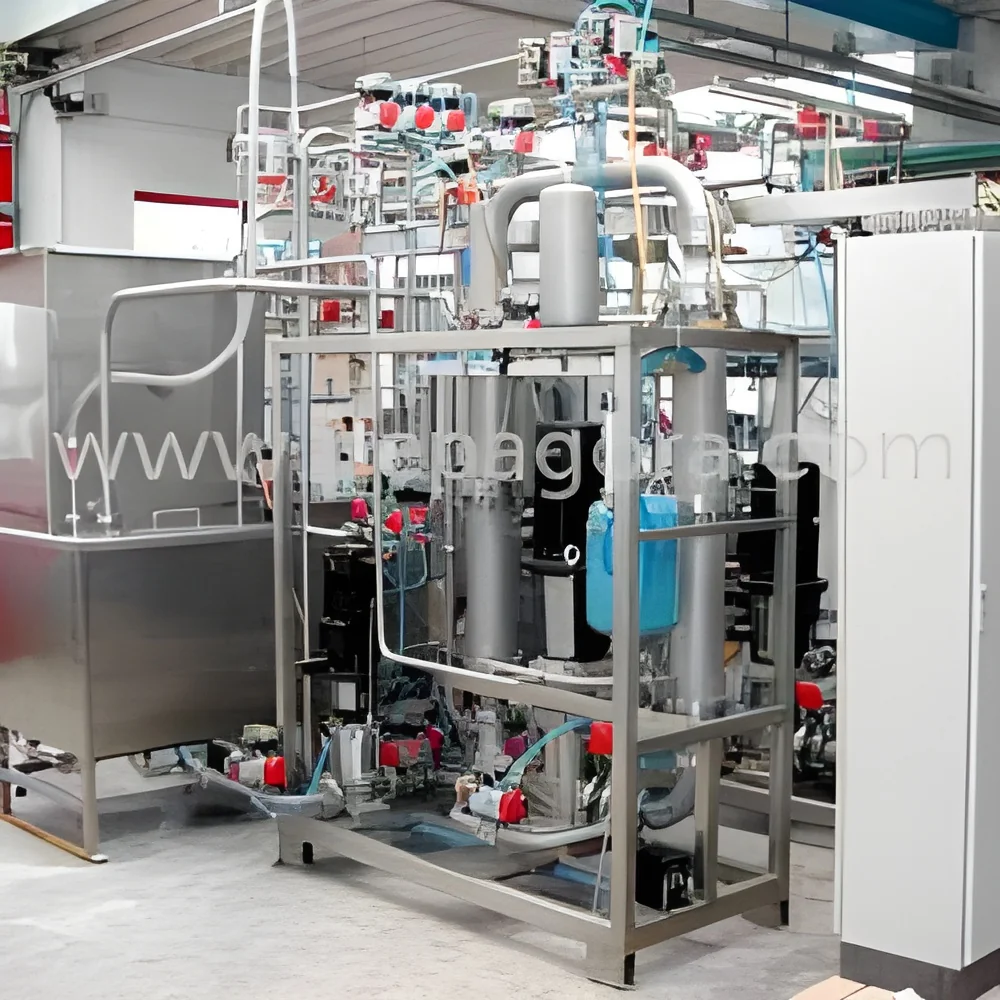
- Automated control systems enabling precise monitoring and operational efficiency
- Compliance-driven design meeting international environmental standards and regulations
- Flexible configurations accommodating different space constraints and flow requirements

Benefits:
- Ensures continuous regulatory compliance avoiding penalties and operational interruptions
- Reduces environmental impact through effective pollutant removal and water treatment
- Lowers operational costs with energy-efficient processes and minimal maintenance needs
- Provides reliable performance with consistent treatment results under varying conditions
- Supports sustainable operations enabling water reuse and environmental responsibility
Specifications
| Additional Information | |
|---|---|
| Country of Origin | India |
Application
Industrial Effluent Treatment Plants are essential for processing contaminated water from manufacturing and production activities. These robust systems effectively remove pollutants, chemicals, and organic matter, transforming wastewater into safe, compliant water suitable for discharge or reuse. They handle diverse industrial effluents while meeting strict environmental standards across multiple sectors.
These treatment solutions serve industries like pharmaceuticals, textiles, food processing, chemicals, and municipal facilities. Each system adapts to specific waste profiles and operational requirements, providing consistent performance for various contamination levels. The plants ensure reliable treatment capacity for continuous industrial operations while maintaining regulatory compliance and environmental protection.
- Pharmaceutical manufacturing wastewater treatment removing chemical residues and active ingredients
- Textile industry effluent processing to eliminate dyes, heavy metals, and toxic substances
- Food and beverage production wastewater management reducing organic load and contaminants
- Municipal sewage treatment plants ensuring community wastewater meets safety standards
- Chemical manufacturing effluent processing neutralizing industrial chemicals and pollutants
Trade Details
| Available Stock | In Stock |
| Sample Availability | No |
Payment Terms
| Payment Terms |
|
Company Profile
Membrane Engineering (P) Ltd, New Delhi
 New Delhi, India
New Delhi, IndiaManufacturer•Importer / Exporter
Factory Details
Factory SizeBelow 1000 sqm
Annual Production Capacity0
Industrial Effluent Treatment Plants For Wastewater Management
Industrial Effluent Treatment Plants manage wastewater with reliable performance for manufacturing, chemical, and municipal sectors. Advanced systems ensure regulatory compliance and environmental safety.
Min. Order Quantity: 1 unit
Shipping
Shipping fee and delivery date to be negotiated. Contact supplier now for more details.
Membrane Engineering (P) Ltd
 New Delhi, India
New Delhi, IndiaManufacturer