IN
₹
Description
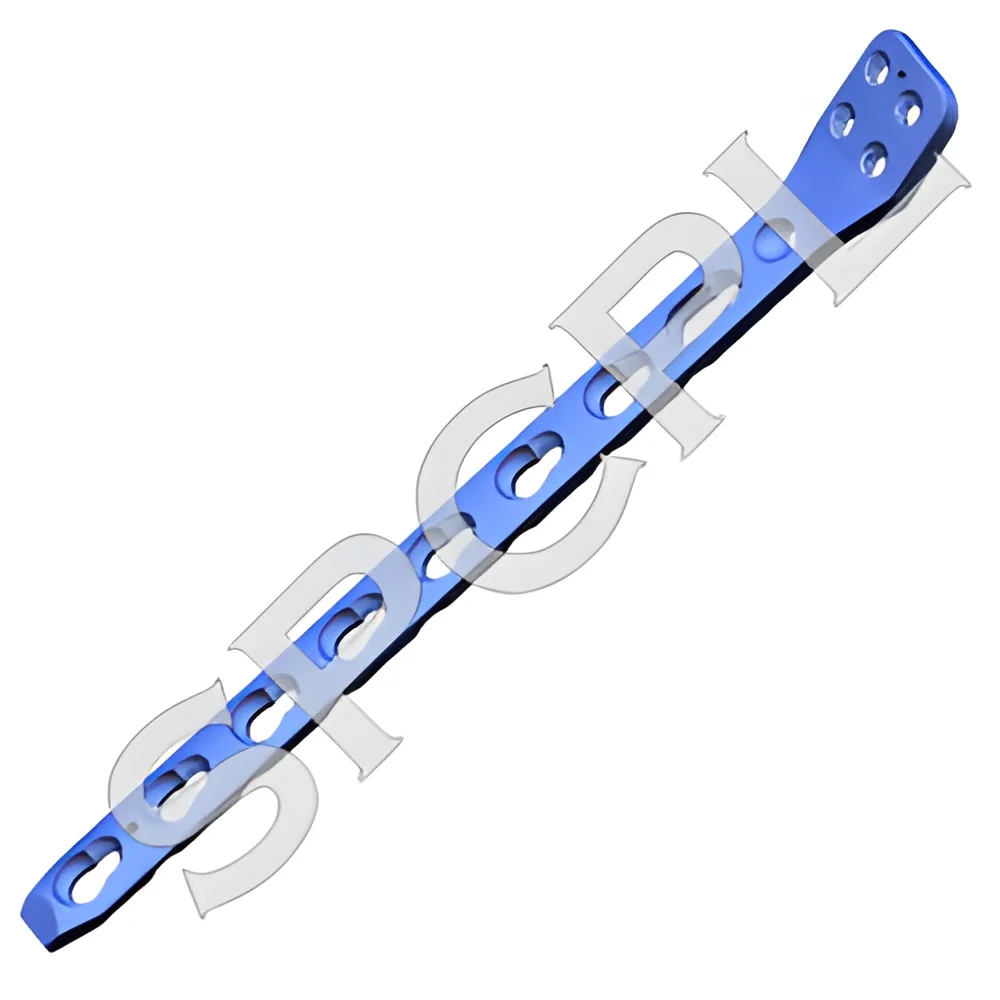
The Orthopedic Distal Tibia Anatomical Locked Plate L-r represents advanced implant technology specifically engineered for complex lower extremity procedures. This specialized plate features an anatomical contour that precisely matches the natural shape of the distal tibia, ensuring optimal bone contact and stability throughout the healing process. Available in both stainless steel and titanium variants, the implant offers surgical teams material selection flexibility based on specific procedural requirements and patient anatomical considerations. The plate incorporates multiple hole options ranging from 3 to 12 holes, providing customized fixation solutions for various clinical scenarios. Its locked plating technology enables angular stability while minimizing soft tissue irritation, establishing it as an essential tool in modern orthopedic trauma surgery and reconstructive procedures.

This orthopedic implant serves critical functions across multiple healthcare environments including...
The Orthopedic Distal Tibia Anatomical Locked Plate L-r represents advanced implant technology specifically engineered for complex lower extremity procedures. This specialized plate features an anatomical contour that precisely matches the natural shape of the distal tibia, ensuring optimal bone contact and stability throughout the healing process. Available in both stainless steel and titanium variants, the implant offers surgical teams material selection flexibility based on specific procedural requirements and patient anatomical considerations. The plate incorporates multiple hole options ranging from 3 to 12 holes, providing customized fixation solutions for various clinical scenarios. Its locked plating technology enables angular stability while minimizing soft tissue irritation, establishing it as an essential tool in modern orthopedic trauma surgery and reconstructive procedures.

This orthopedic implant serves critical functions across multiple healthcare environments including trauma centers, orthopedic specialty hospitals, and surgical facilities. Orthopedic surgeons consistently utilize this plate for managing complex distal tibia fractures, performing corrective osteotomies, and conducting revision surgeries. The medical device proves particularly valuable in cases involving compromised bone quality, comminuted fractures, and situations demanding enhanced stability beyond conventional plating systems. Hospitals and surgical centers specializing in trauma care, sports medicine, and reconstructive orthopedics depend on this implant for its demonstrated performance in challenging surgical cases involving the lower extremity, ensuring consistent results across diverse patient populations.

The Distal Tibia Anatomical Locked Plate delivers substantial value through its reliability, surgical versatility, and positive impact on patient outcomes. Medical distributors and healthcare providers benefit from streamlined inventory management due to the plate's multiple hole configuration options that address various surgical needs within a single product line. The implant's compatibility with different screw systems and standard instrumentation reduces procedural complexity while maintaining high standards of surgical care. Healthcare facilities appreciate the operational efficiency achieved through reduced surgery time and improved patient recovery rates. The product's manufacturing consistency ensures predictable performance case after case, building confidence among surgical teams and strengthening relationships with healthcare purchasing departments.

Key Features:
- Anatomical design precisely contoured to match distal tibia morphology
- Available in medical-grade stainless steel and titanium material options
- Multiple hole configurations ranging from 3 to 12 holes for surgical flexibility
- Locking mechanism providing angular stable fixation
- Compatible with standard orthopedic instrumentation systems

Benefits:
- Enhanced stability through anatomical contouring and locking technology
- Material options suitable for various patient needs and surgical preferences
- Surgical flexibility with multiple hole configuration choices
- Reduced soft tissue irritation through optimized plate design
- Streamlined procedures with compatibility to existing instrumentation
Specifications
| Additional Information | |
|---|---|
| Country of Origin | India |
Application
The Distal Tibia Anatomical Locked Plate L-r delivers precise anatomical contouring for optimal bone contact in complex lower tibia procedures. Its locking mechanism ensures stable fixation throughout the healing process, making it essential for surgeons addressing fractures, deformities, and reconstructive needs in the distal tibia region. This reliable orthopedic implant supports proper alignment and stable fixation, which are critical for successful patient outcomes in orthopedic trauma cases.
Manufactured from medical-grade stainless steel or titanium, this implant offers excellent biocompatibility and strength for long-term stability. Available in multiple hole configurations from 3 to 12 holes, it provides surgical teams with flexibility during procedure planning and execution. The plate's design minimizes soft tissue irritation while maintaining angular stability, making it suitable for various clinical scenarios requiring rigid internal fixation in the distal tibia area.
- Treatment of complex distal tibia fractures requiring stable internal fixation
- Corrective osteotomy procedures for tibial malunions or deformities
- Reconstructive surgery following trauma or previous surgical interventions
- Arthrodesis procedures requiring rigid stabilization of the ankle joint
- Revision surgeries where previous fixation methods have failed
Trade Details
| Available Stock | In Stock |
| Sample Availability | No |
Payment Terms
| Payment Terms |
|
Company Profile

Bharucha Associates, Gujarat
 Gujarat, India
Health & Personal Care•Distributor / Wholesaler•Retailer•Importer / Exporter
Factory Details
Factory SizeBelow 1000 sqm
Annual Production Capacity0
Orthopedic Distal Tibia Anatomical Locked Plate L r Stainless Steel Titanium
Orthopedic Distal Tibia Anatomical Locked Plate L-r provides reliable fixation for osteotomy procedures. Made from medical-grade stainless steel or titanium with 3-12 hole options for trauma and reconstructive surgery applications.
Min. Order Quantity: 1 unit
Shipping
Shipping fee and delivery date to be negotiated. Contact supplier now for more details.
Bharucha Associates
 Gujarat, India
Health & Personal CareDistributor / Wholesaler