IN
₹
Apparel & Fashion
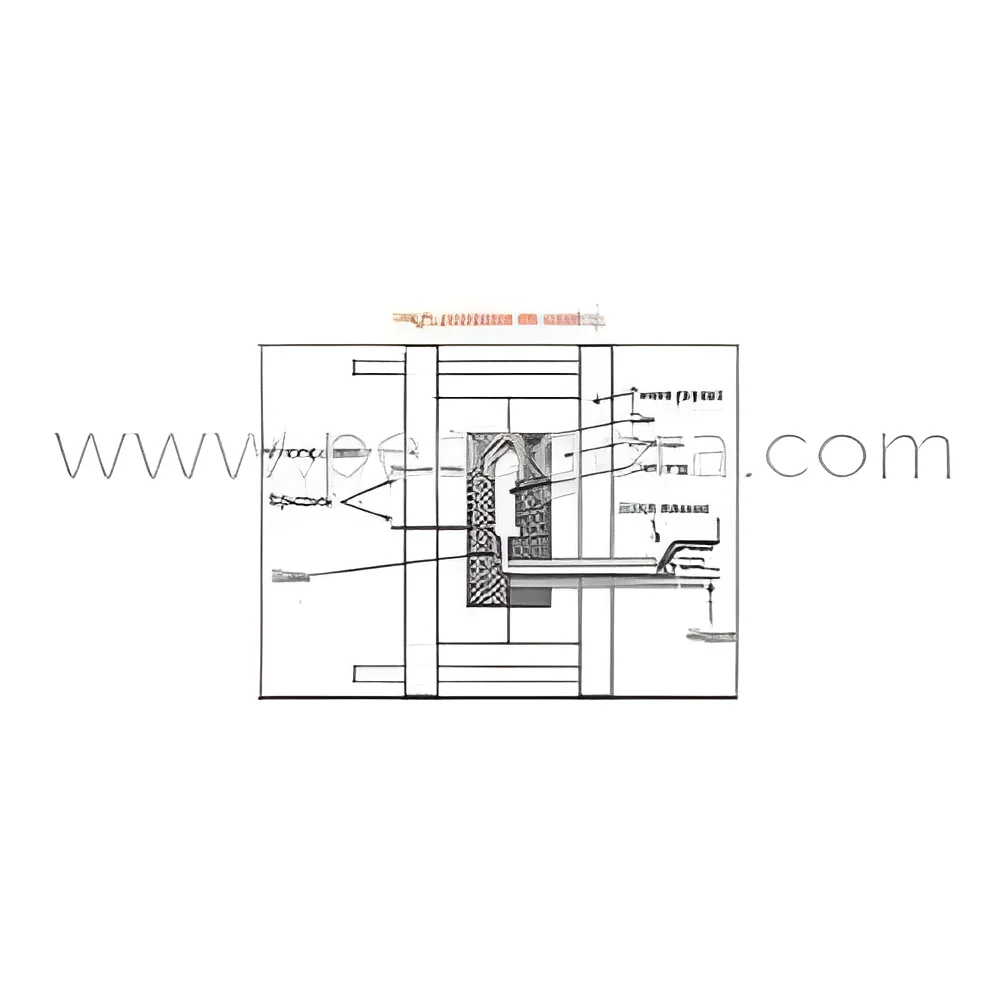
Description
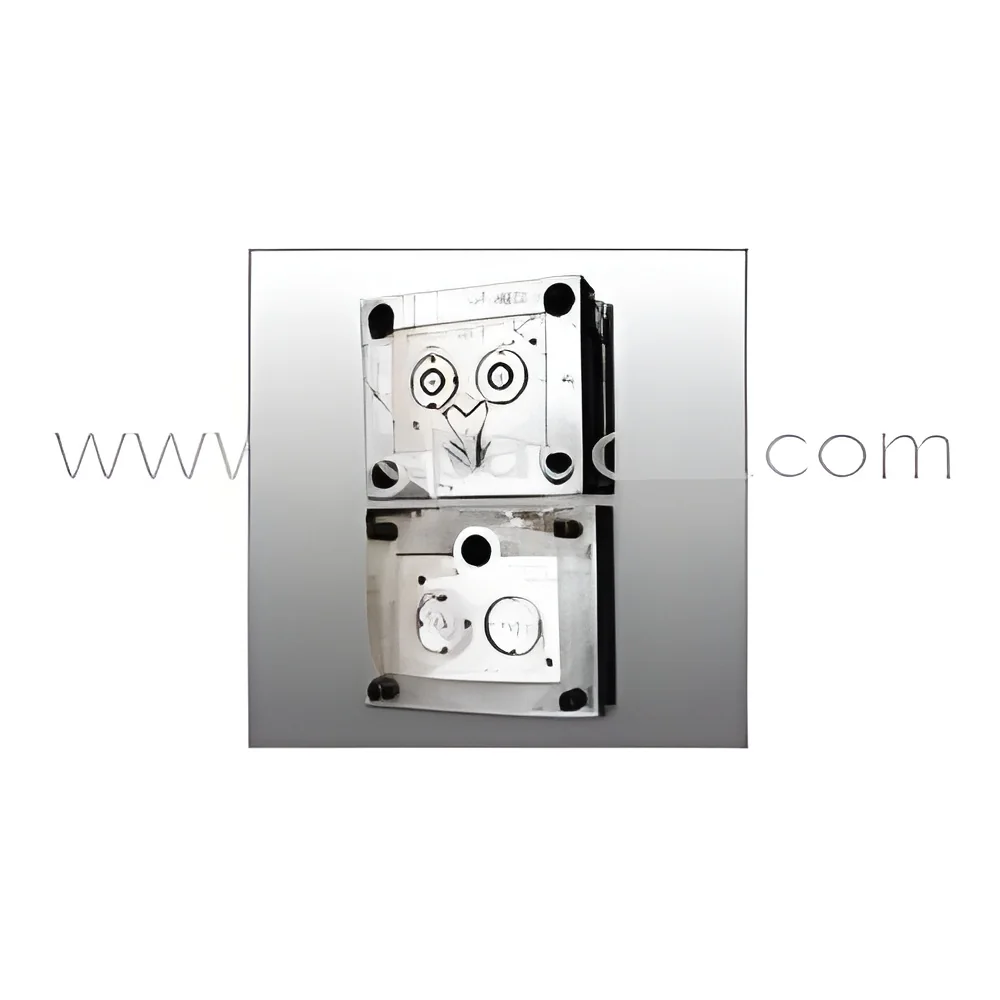
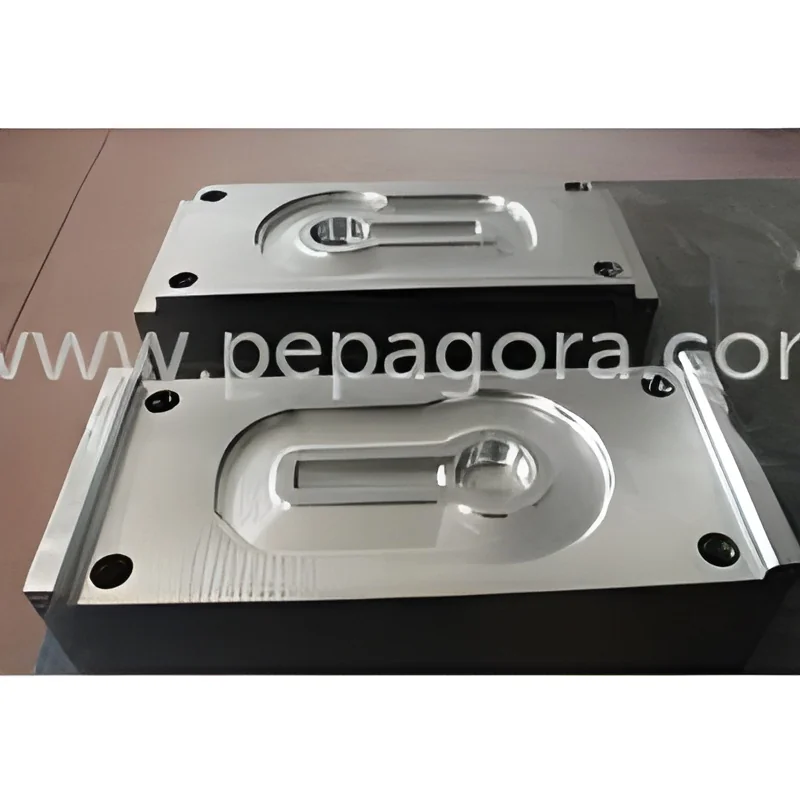
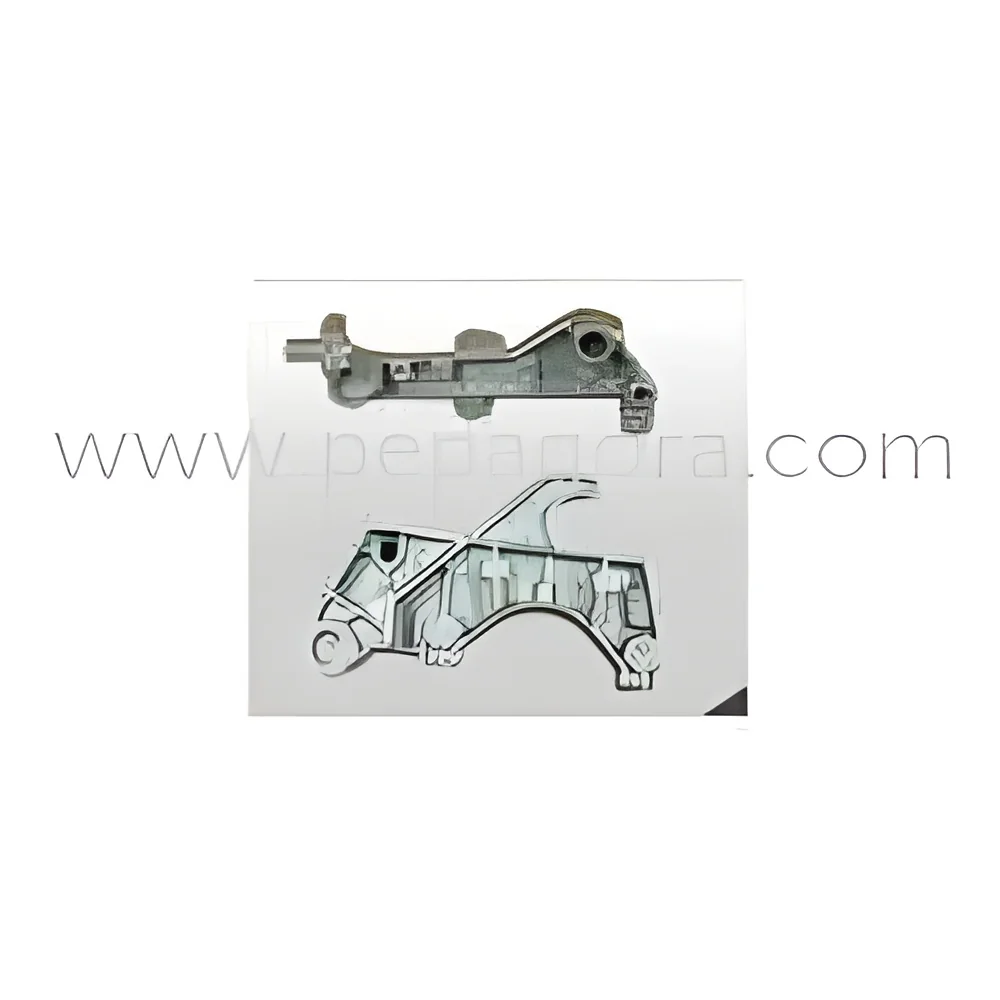
High Volume Precision Metal Parts Die Casting is a sophisticated manufacturing process where molten metal is forced under high pressure into reusable, precision-engineered steel molds (dies). This technique is renowned for producing metal components with exceptional dimensional accuracy, complex geometries, and superior surface finishes straight from the mold. It is specifically designed for high-volume production, offering unmatched repeatability and consistency across thousands of parts. The process minimizes the need for secondary machining, significantly reducing material waste and production lead times. By utilizing metals such as aluminum, zinc, and magnesium alloys, it provides optimal solutions for varying requirements of strength, weight reduction, and corrosion resistance, making it a cornerstone of modern industrial manufacturing.

The automotive industry is a primary beneficiary, employing die-cast parts for critical applications like engine blocks, transmission cases, and ...
High Volume Precision Metal Parts Die Casting is a sophisticated manufacturing process where molten metal is forced under high pressure into reusable, precision-engineered steel molds (dies). This technique is renowned for producing metal components with exceptional dimensional accuracy, complex geometries, and superior surface finishes straight from the mold. It is specifically designed for high-volume production, offering unmatched repeatability and consistency across thousands of parts. The process minimizes the need for secondary machining, significantly reducing material waste and production lead times. By utilizing metals such as aluminum, zinc, and magnesium alloys, it provides optimal solutions for varying requirements of strength, weight reduction, and corrosion resistance, making it a cornerstone of modern industrial manufacturing.

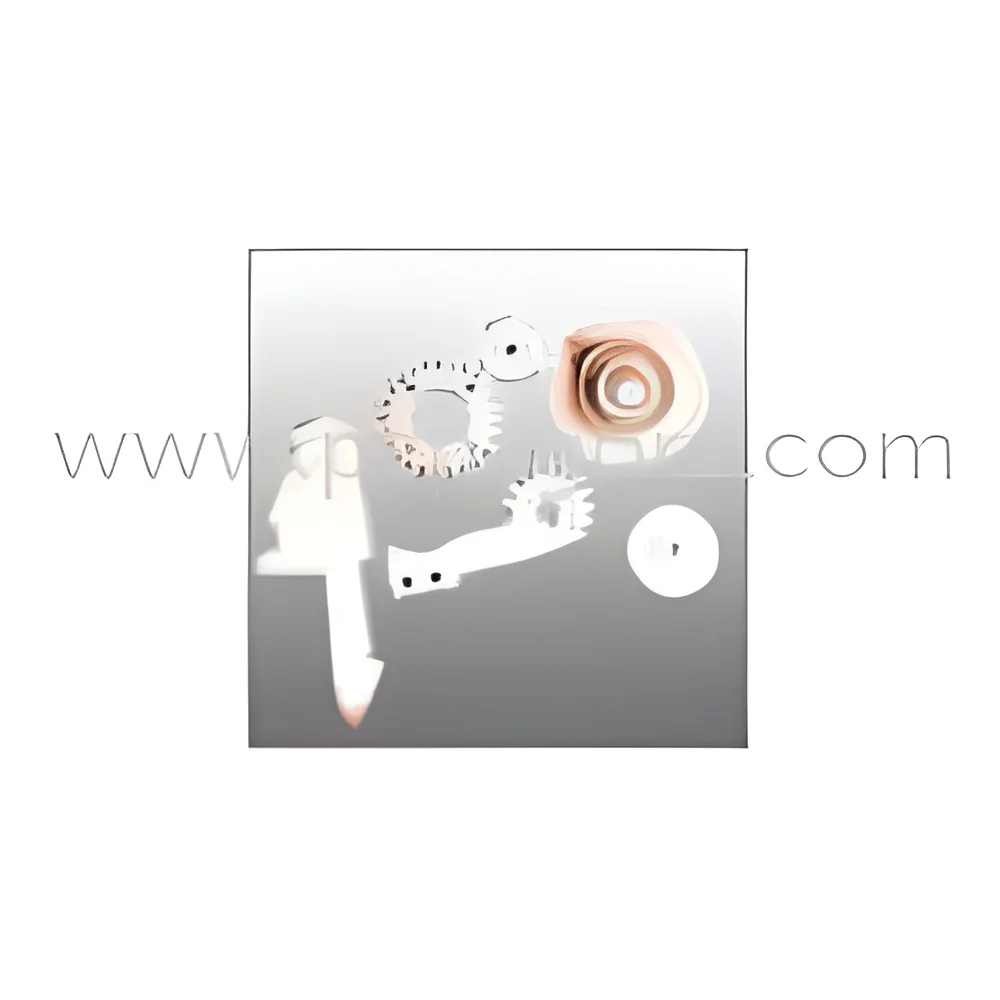
The automotive industry is a primary beneficiary, employing die-cast parts for critical applications like engine blocks, transmission cases, and structural components where lightweight durability is essential for fuel efficiency and performance. In industrial manufacturing, die casting produces robust parts for machinery, including pump housings, valve bodies, and motor frames that must withstand high stress and harsh environments. The electronics sector relies on it for precision components such as connector housings and electromagnetic interference shields that require tight tolerances. Furthermore, sectors like aerospace utilize these parts for non-critical structural elements and housings where reliability and precision are paramount, demonstrating the process's broad utility across technology-driven fields.

For businesses, investing in die-cast parts translates to significant long-term value and operational reliability. The high-speed production capability ensures cost-efficiency at scale, lowering per-unit costs and improving project timelines. The inherent consistency of the process drastically reduces defect rates, enhancing the overall reliability of the final assembled product and minimizing costly recalls or warranty issues. Parts produced are inherently durable and long-lasting, which reduces maintenance and replacement cycles for end-users. Furthermore, the ability to consolidate multiple features into a single, complex die-cast component simplifies supply chains, reduces assembly steps, and improves the final product's structural integrity and performance, delivering a tangible competitive advantage.

Key Features:
- High-pressure metal injection for precise replication of complex, intricate part geometries.
- Durable, reusable steel molds that ensure consistent part quality across high-volume production runs.
- Excellent as-cast surface finishes, often requiring minimal to no secondary machining or finishing.
- Compatibility with a range of alloys including aluminum, zinc, and magnesium for tailored material properties.
- Capable of achieving very tight dimensional tolerances for parts requiring high precision and interchangeability.

Benefits:
- Ideal for high-volume production, offering excellent economies of scale and lower per-part cost.
- Delivers exceptional part-to-part consistency and repeatability, ensuring reliable assembly and performance.
- Reduces material waste and secondary processing needs, leading to more efficient and sustainable manufacturing.
- Produces strong, lightweight components that contribute to product performance and efficiency.
- Enables design consolidation, reducing the number of parts in an assembly and simplifying production logistics.
Specifications
| Additional Information | |
|---|---|
| Country of Origin | India |
Application
Die casting is the go-to process for manufacturing complex, high-tolerance metal components that demand both strength and precision. Its capability to produce durable, lightweight parts with excellent surface finishes makes it indispensable for high-volume production runs where consistency, cost-efficiency, and minimal post-processing are critical. This method supports a vast range of applications, from robust automotive assemblies to delicate electronic enclosures, ensuring every part meets stringent performance and aesthetic standards.
Industries worldwide rely on die casting for its exceptional versatility in creating net-shape or near-net-shape parts. It is extensively utilized in automotive, aerospace, electronics, and industrial machinery sectors, where part integrity, repeatability, and dimensional accuracy are non-negotiable. The process accommodates various alloys like aluminum, zinc, and magnesium, providing engineers with the flexibility to meet specific mechanical, weight, and environmental resistance requirements for any project.
- Automotive components including engine blocks, transmission housings, structural brackets, and sensor casings.
- Industrial machinery parts such as pump bodies, valve housings, gearbox cases, and hydraulic components.
- Electronic enclosures and heat sinks for computers, telecommunications equipment, and power management systems.
- Durable hardware and architectural elements like door handles, locks, hinges, and decorative fittings.
- Precision components for aerospace applications, including avionics housings, radar supports, and instrumentation parts.
Trade Details
| Available Stock | In Stock |
| Sample Availability | No |
Payment Terms
| Payment Terms |
|
Company Profile
Avtar Tools, Punjab
 Punjab, India
Raw Materials & Chemicals•Manufacturer•Retailer•Importer / Exporter
Factory Details
Factory SizeBelow 1000 sqm
Annual Production Capacity0
High Volume Precision Metal Parts Die Casting For Automotive And Industrial
High Volume Precision Metal Parts Die Casting delivers superior accuracy and smooth finishes for automotive and industrial manufacturing, ensuring reliability and consistent quality for complex component production.
Min. Order Quantity: 1 unit
Shipping
Shipping fee and delivery date to be negotiated. Contact supplier now for more details.
Avtar Tools
 Punjab, India
Raw Materials & ChemicalsManufacturer