IN
IN₹
Apparel & Fashion
Description
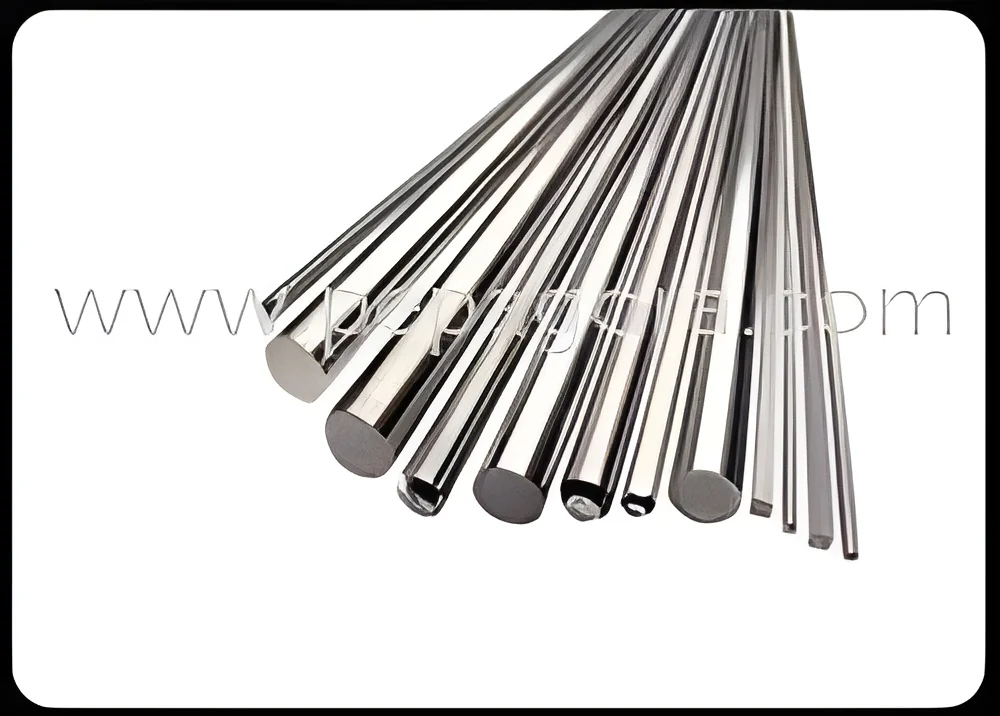
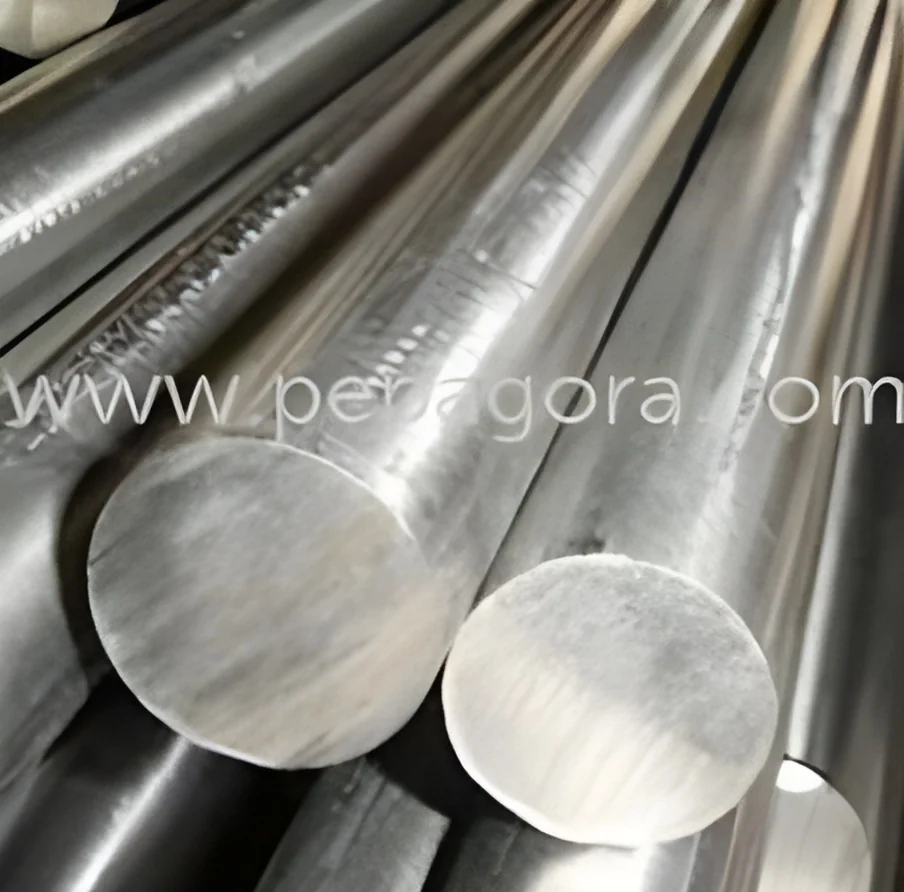
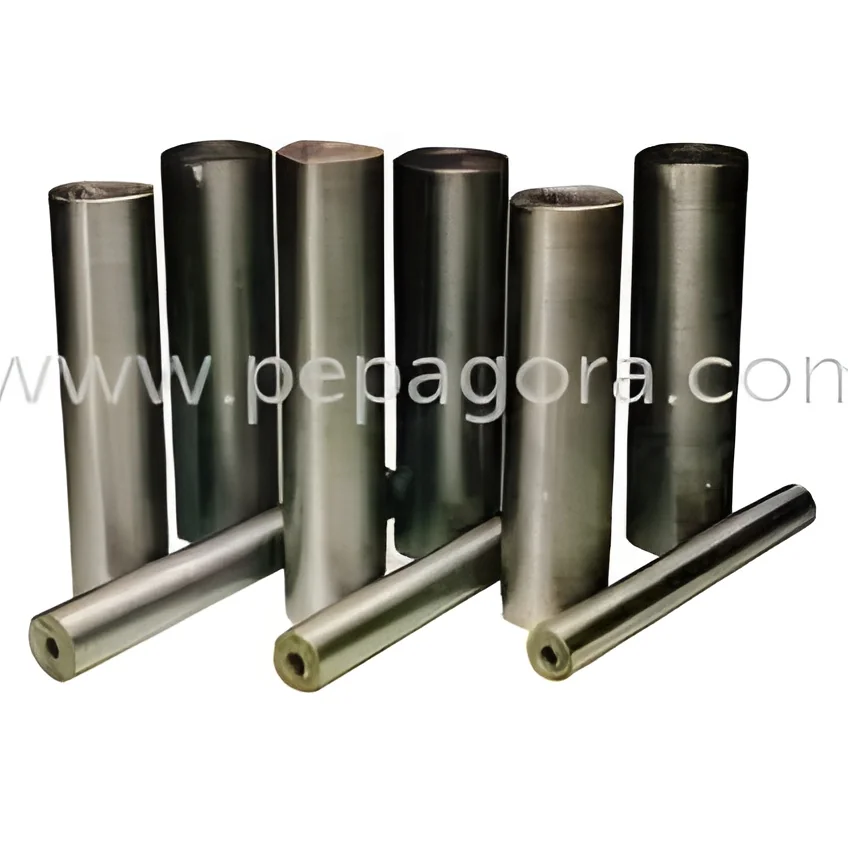
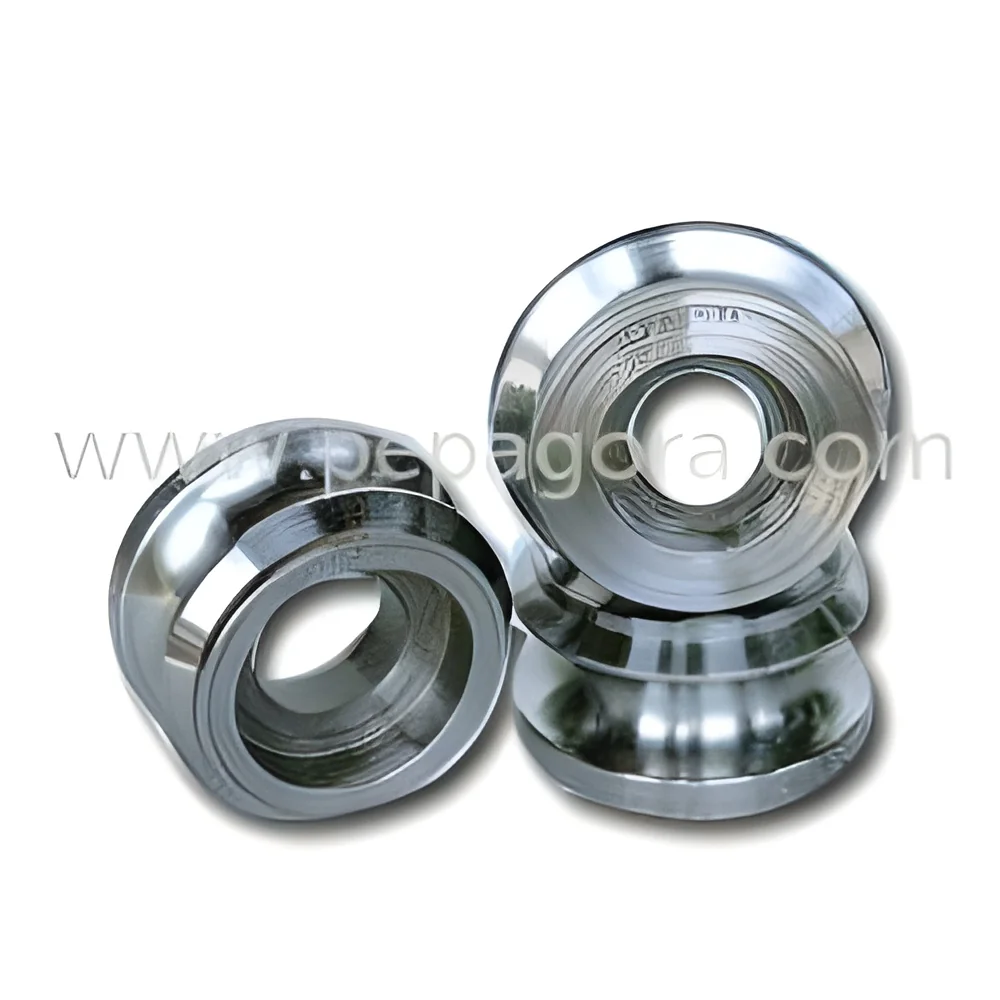
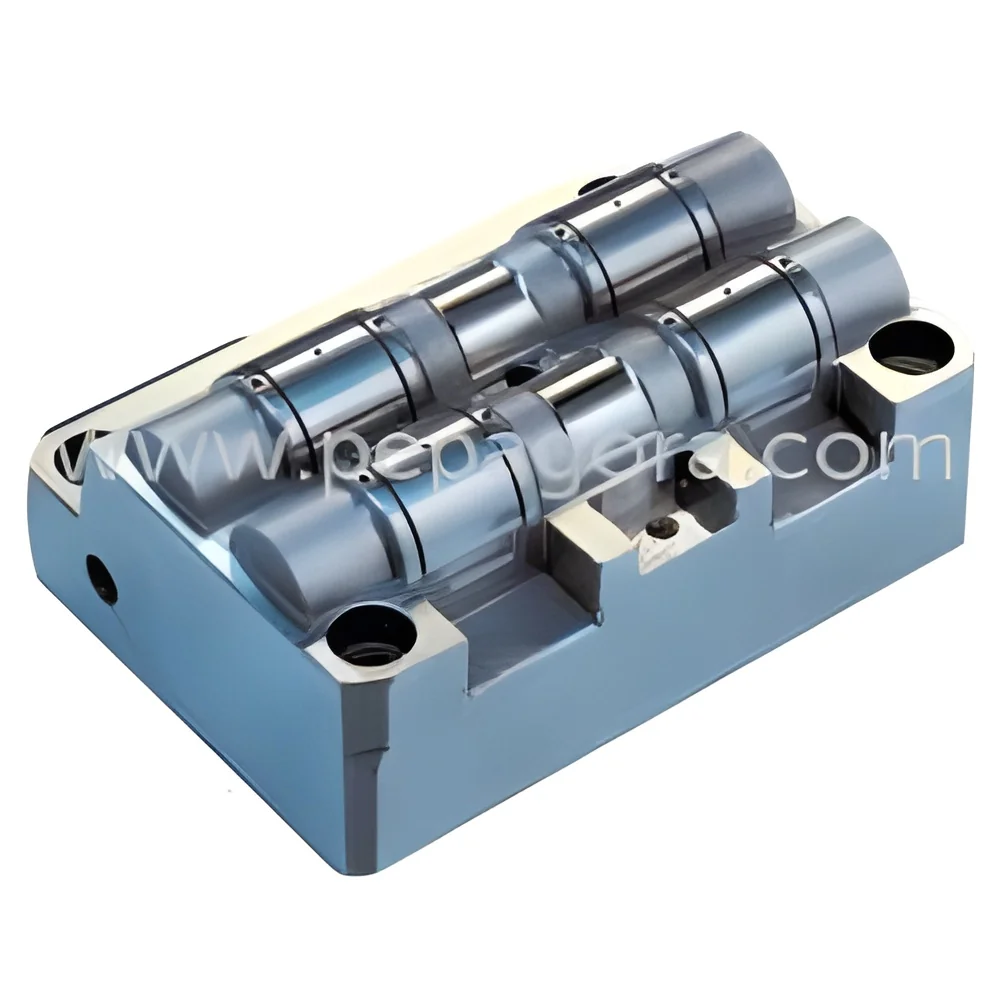
Industrial cutting steels represent a critical investment for businesses where metal fabrication precision directly determines product quality and operational efficiency. Engineered from high-grade materials, these cutting tools are manufactured to withstand the rigors of continuous industrial use while maintaining exact cutting specifications. The focus on material science and production consistency ensures each steel delivers predictable performance, reducing variables in your manufacturing process and providing reliable results shift after shift. This reliability translates to fewer production interruptions and consistent output quality across all your metalworking operations.

These cutting steels serve foundational roles across multiple industrial sectors. In manufacturing and fabrication, they enable the precise shaping of components for machinery, equipment, and structural systems. The automotive and transportation industries utilize them for producing engine parts, suspension c...
Industrial cutting steels represent a critical investment for businesses where metal fabrication precision directly determines product quality and operational efficiency. Engineered from high-grade materials, these cutting tools are manufactured to withstand the rigors of continuous industrial use while maintaining exact cutting specifications. The focus on material science and production consistency ensures each steel delivers predictable performance, reducing variables in your manufacturing process and providing reliable results shift after shift. This reliability translates to fewer production interruptions and consistent output quality across all your metalworking operations.

These cutting steels serve foundational roles across multiple industrial sectors. In manufacturing and fabrication, they enable the precise shaping of components for machinery, equipment, and structural systems. The automotive and transportation industries utilize them for producing engine parts, suspension components, and body elements that require exact specifications. Construction and infrastructure projects depend on these steels for processing structural beams, reinforcement materials, and custom architectural elements. Heavy industries including shipbuilding, mining equipment manufacturing, and industrial machinery production rely on their durability when working with thick materials and high-strength alloys that demand robust cutting solutions.

The business value extends beyond initial purchase to deliver measurable operational advantages. Superior durability reduces replacement frequency and lowers long-term tooling costs while minimizing production downtime for tool changes. Precision engineering decreases material waste through accurate cuts, improving material utilization and reducing scrap expenses. Consistent performance ensures predictable production schedules and reliable output quality, supporting just-in-time manufacturing and quality assurance programs. The reliability of these cutting steels reduces risks associated with tool failure, preventing costly production halts and material damage. These factors combine to provide a compelling return on investment through improved efficiency, reduced waste, and enhanced production reliability.

Key Features:
- Precision-engineered cutting edges for accurate metal fabrication and consistent results.
- High-grade steel composition providing exceptional durability and wear resistance.
- Rigorous quality control ensuring dimensional accuracy and material consistency.
- Optimized heat treatment for maintaining hardness and edge retention through use.
- Standardized manufacturing processes for reliable performance across all production batches.

Benefits:
- Reduced material waste through precise cutting accuracy and consistent performance.
- Lower long-term costs from extended tool life and reduced replacement frequency.
- Enhanced production efficiency with reliable performance and minimal downtime.
- Improved output quality through consistent cutting specifications and edge integrity.
- Operational reliability supporting predictable manufacturing schedules and quality standards.
Specifications
| Additional Information | |
|---|---|
| Country of Origin | India |
Application
These industrial cutting steels are engineered for precision metalworking where accuracy and tool longevity directly impact production quality and cost. They perform reliably in high-volume operations, maintaining sharp edges and structural integrity through demanding cutting cycles on various metals and alloys.
Essential for sectors requiring dependable material processing, these steels support operations from initial component fabrication to final assembly. Their consistent performance reduces downtime and ensures repeatable results, making them a trusted choice for serious manufacturers focused on operational efficiency and output reliability.
- Metal fabrication shops for cutting structural beams, plates, and custom components with tight tolerances.
- Automotive part manufacturing for producing engine blocks, transmission components, and chassis elements.
- Construction equipment production for processing reinforcement bars, I-beams, and structural supports.
- Industrial machinery workshops for creating gears, shafts, and precision assembly parts.
- Heavy equipment manufacturing for cutting thick steel plates and specialized alloys in shipbuilding and mining machinery.
Trade Details
| Available Stock | In Stock |
| Sample Availability | No |
Payment Terms
| Payment Terms |
|
Company Profile

Bansal Technico, Haryana
 Haryana, India
Haryana, IndiaRaw Materials & Chemicals•Manufacturer•Distributor / Wholesaler•Importer / Exporter
Factory Details
Factory SizeBelow 1000 sqm
Annual Production Capacity0
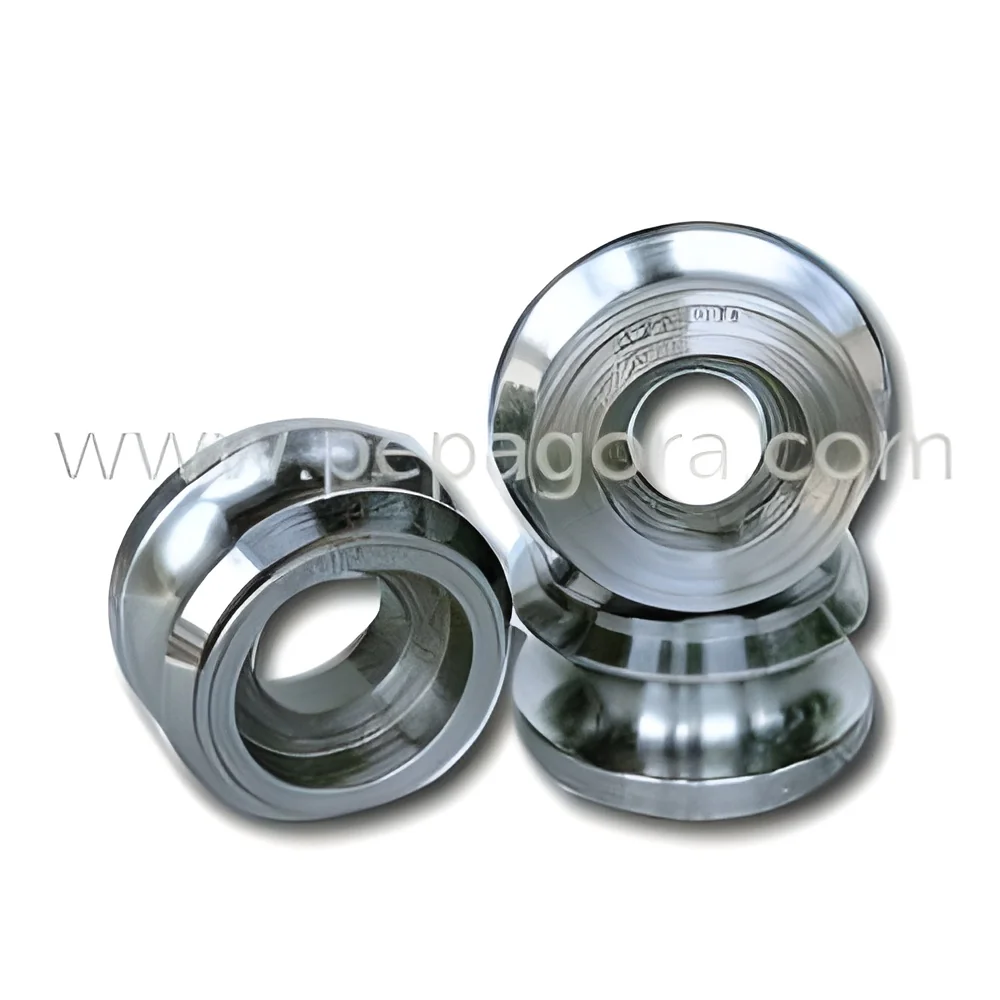
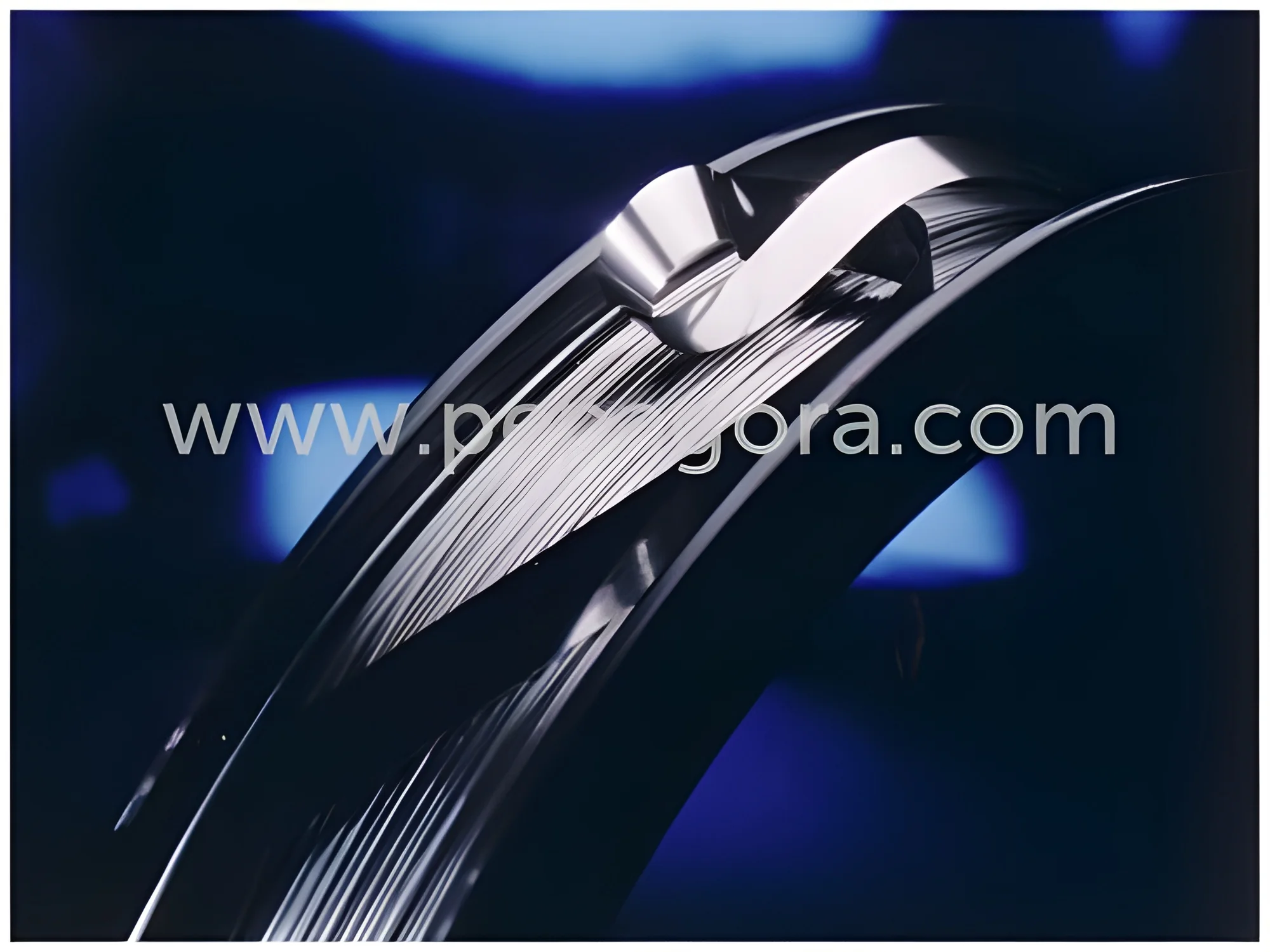
Industrial Cutting Steels For Metal Fabrication Precision Durability
Industrial cutting steels for metal fabrication deliver precision cutting, durability, and reliable performance. High-grade materials ensure consistent results for manufacturing, automotive, and construction applications.
Min. Order Quantity: 1 unit
Shipping
Shipping fee and delivery date to be negotiated. Contact supplier now for more details.
Bansal Technico
 Haryana, India
Haryana, IndiaRaw Materials & ChemicalsManufacturer