IN
IN₹
Apparel & Fashion
Description
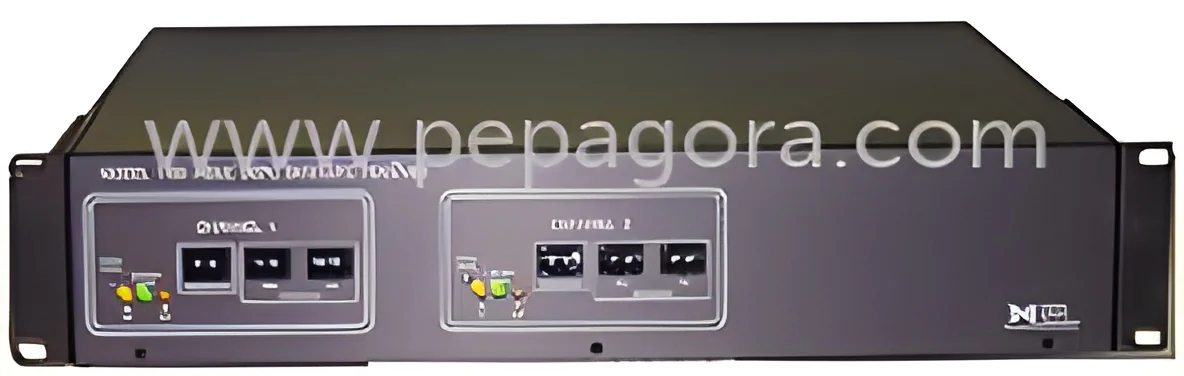
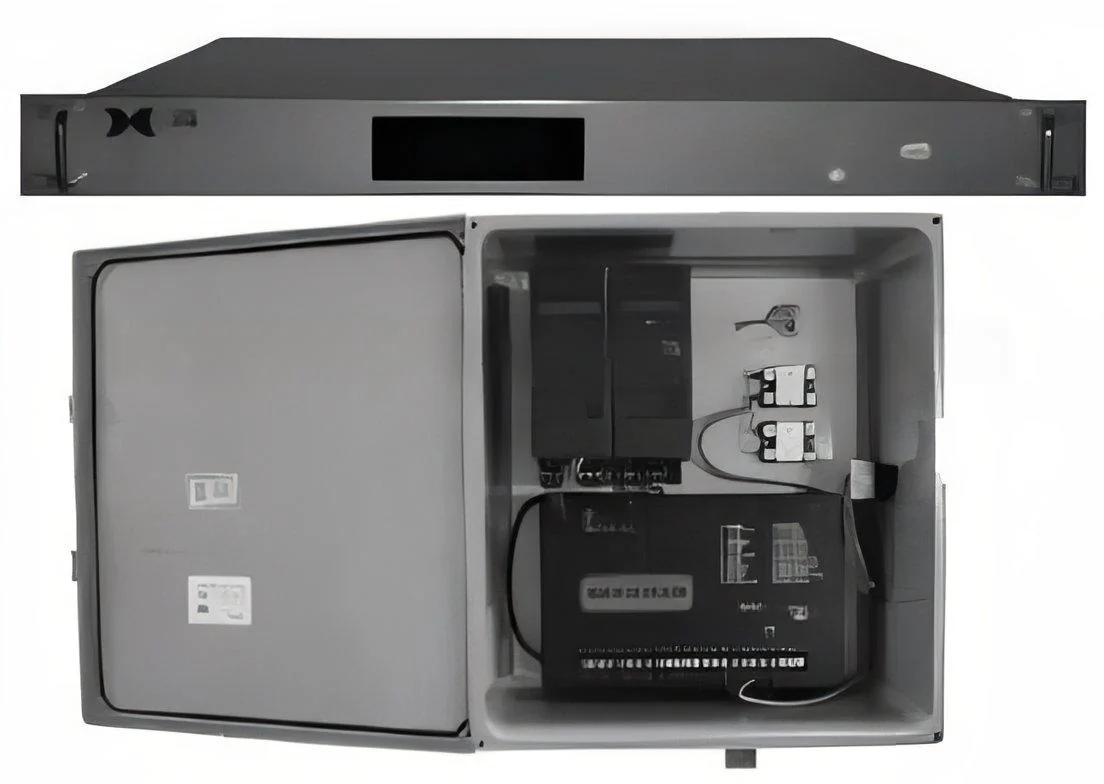
Satellite System Corporation industrial frequency controllers are advanced electronic devices designed to precisely control the speed and torque of AC induction motors. By varying the frequency and voltage supplied to the motor, they enable smooth acceleration, deceleration, and accurate speed maintenance. This technology not only improves process control but also delivers substantial energy savings by matching motor power to actual load requirements. Built with high-quality components and rigorous manufacturing standards, these controllers ensure reliable operation, safety compliance, and compatibility with a wide range of industrial motors and machinery. Their robust design provides excellent protection against challenging environmental factors and electrical anomalies.

These frequency controllers find essential applications across numerous sectors. In manufacturing, they are used to control conveyor systems, machine tools, and automated production lines, ensuring consistent speed a...
Satellite System Corporation industrial frequency controllers are advanced electronic devices designed to precisely control the speed and torque of AC induction motors. By varying the frequency and voltage supplied to the motor, they enable smooth acceleration, deceleration, and accurate speed maintenance. This technology not only improves process control but also delivers substantial energy savings by matching motor power to actual load requirements. Built with high-quality components and rigorous manufacturing standards, these controllers ensure reliable operation, safety compliance, and compatibility with a wide range of industrial motors and machinery. Their robust design provides excellent protection against challenging environmental factors and electrical anomalies.

These frequency controllers find essential applications across numerous sectors. In manufacturing, they are used to control conveyor systems, machine tools, and automated production lines, ensuring consistent speed and reducing product variability. For building management, they optimize the operation of HVAC fans, pumps, and cooling tower motors, improving climate control efficiency. The water and wastewater industry relies on them for precise control of pumping stations and aeration systems. Additionally, they are vital in material handling, textile production, food processing, and pharmaceutical manufacturing, where precise motor control directly impacts product quality, throughput, and operational costs.

The business value of implementing these frequency controllers is significant and measurable. Their primary advantage is energy efficiency, leading to direct reductions in electricity consumption and lower utility bills, often achieving payback within a short period. They enhance process reliability by providing consistent motor performance, which minimizes variations in output and reduces material waste. By enabling soft starts and controlled acceleration, they drastically reduce mechanical stress on motors, gears, and driven equipment, extending asset life and decreasing maintenance frequency and costs. This reliability translates to less unplanned downtime, higher overall equipment effectiveness (OEE), and improved productivity, delivering a strong return on investment through both cost savings and enhanced operational capability.

Key Features:
- Precise AC motor speed and torque control via variable frequency drive technology
- Energy-saving operation that adjusts power to match motor load demand
- Durable construction designed for reliable performance in harsh industrial environments
- Comprehensive protection features against overcurrent, overvoltage, overheating, and short circuits
- User-friendly interface for parameter setting, monitoring, and diagnostics

Benefits:
- Significant reduction in energy consumption leading to lower operational expenses
- Extended lifespan of motors and connected machinery due to reduced mechanical stress
- Improved process consistency and product quality through accurate speed regulation
- Decreased maintenance costs and frequency from smoother motor operation
- Enhanced system reliability and reduced production downtime
Specifications
| Additional Information | |
|---|---|
| Country of Origin | India |
Application
Satellite System Corporation industrial frequency controllers provide precise regulation of motor speed and torque, ensuring smooth operation of machinery while reducing mechanical wear and energy consumption. Their adaptive control algorithms optimize performance across various equipment types, from pumps and fans to conveyor systems and processing machinery, enhancing overall process efficiency.
These controllers are engineered for seamless integration into diverse industrial setups, maintaining consistent operation under demanding conditions. They protect connected motors from voltage spikes, overheating, and other electrical disturbances, ensuring longevity and reliability. This makes them suitable for continuous operation in plants where uptime and consistent output are critical.
- Controlling pump and fan speeds in HVAC systems for commercial buildings and industrial facilities
- Regulating conveyor belt and assembly line speeds in manufacturing and packaging plants
- Managing motor speeds for mixers, agitators, and processing equipment in chemical and food industries
- Optimizing water pump operation in municipal water supply and wastewater treatment plants
- Adjusting spindle and feed motor speeds in CNC machines and automated manufacturing equipment
Trade Details
| Available Stock | In Stock |
| Sample Availability | No |
Payment Terms
| Payment Terms |
|
Company Profile
Meltek, Maharashtra
 Maharashtra, India
Maharashtra, IndiaIndustrial Equipment & Machinery•Trading Company•Distributor / Wholesaler
Factory Details
Factory SizeBelow 1000 sqm
Annual Production Capacity0
Industrial Frequency Controllers For Motor Speed Control And Energy Savings
Satellite System Corporation industrial frequency controllers deliver precise AC motor speed control and energy savings for manufacturing, HVAC, and water treatment applications, featuring robust construction and reliable performance.
Min. Order Quantity: 1 unit
Shipping
Shipping fee and delivery date to be negotiated. Contact supplier now for more details.
Meltek
 Maharashtra, India
Maharashtra, IndiaIndustrial Equipment & MachineryTrading Company