IN
IN₹
Apparel & Fashion
Loading subcategories...
View More
Description
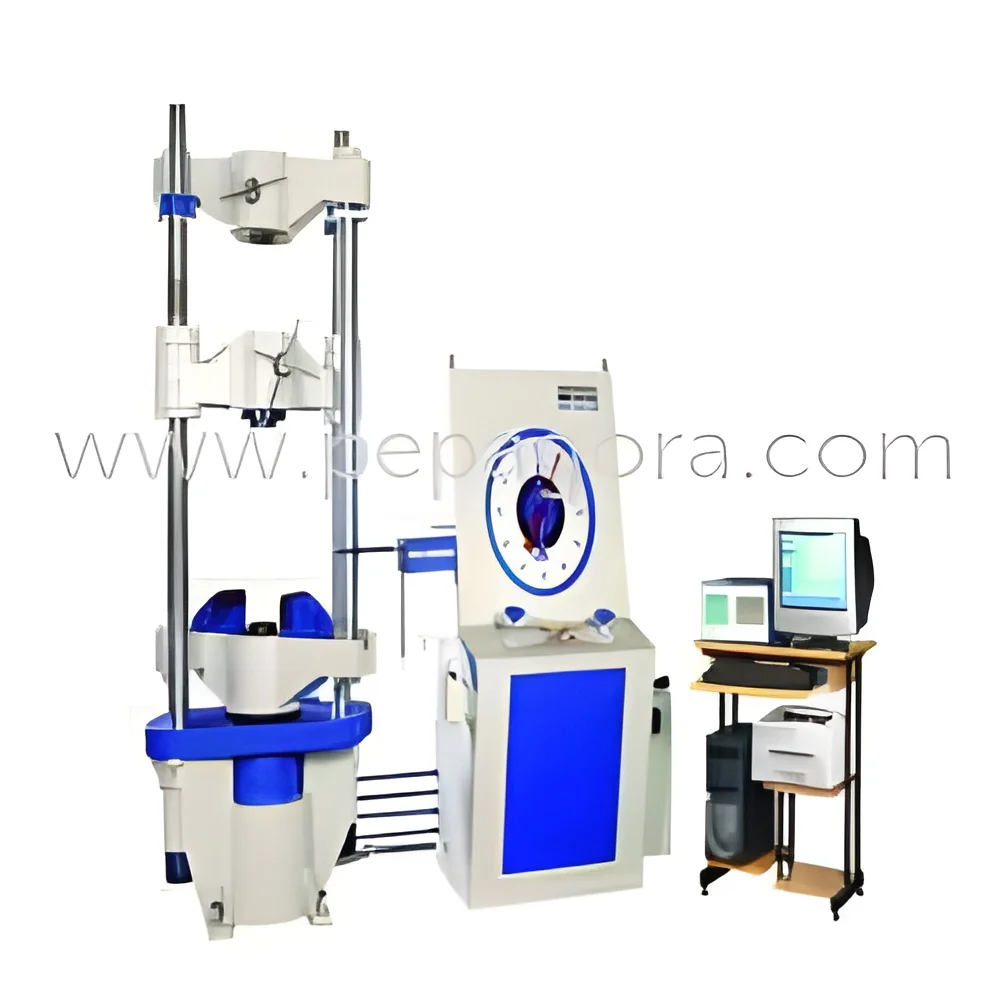
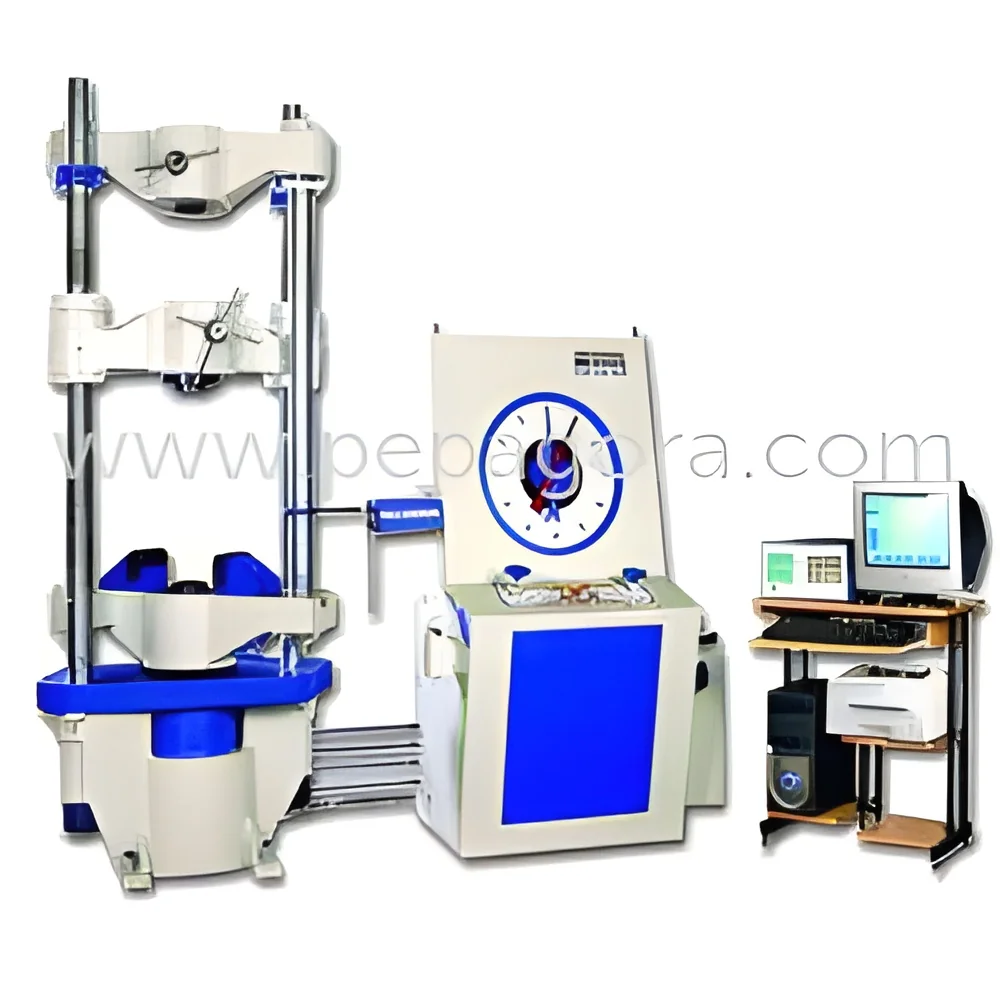
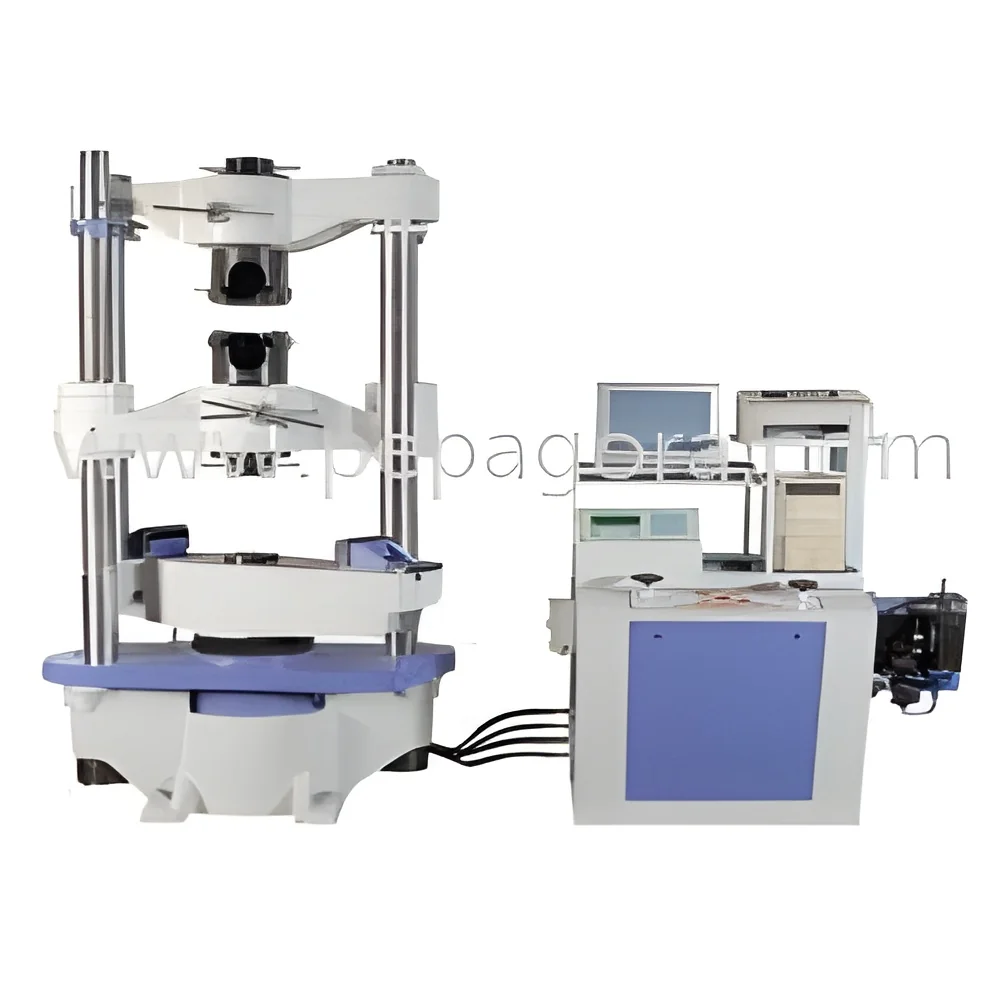
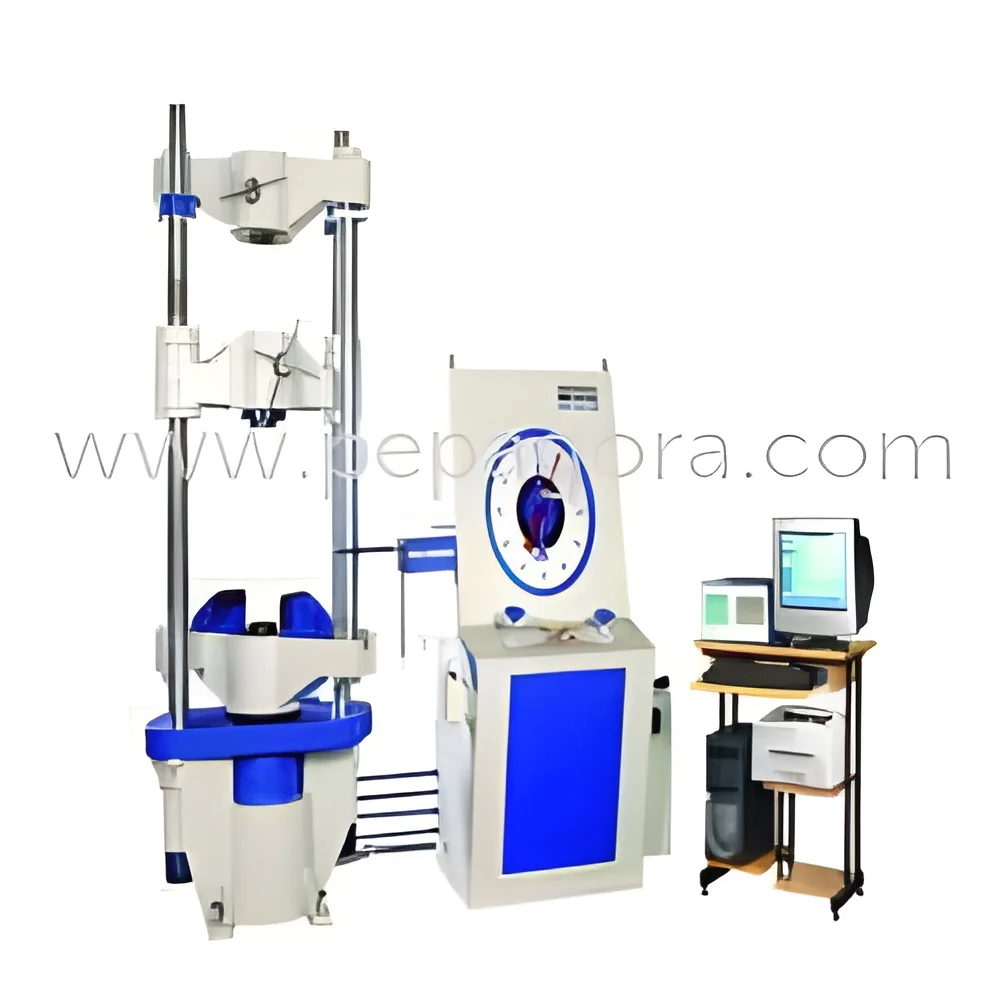
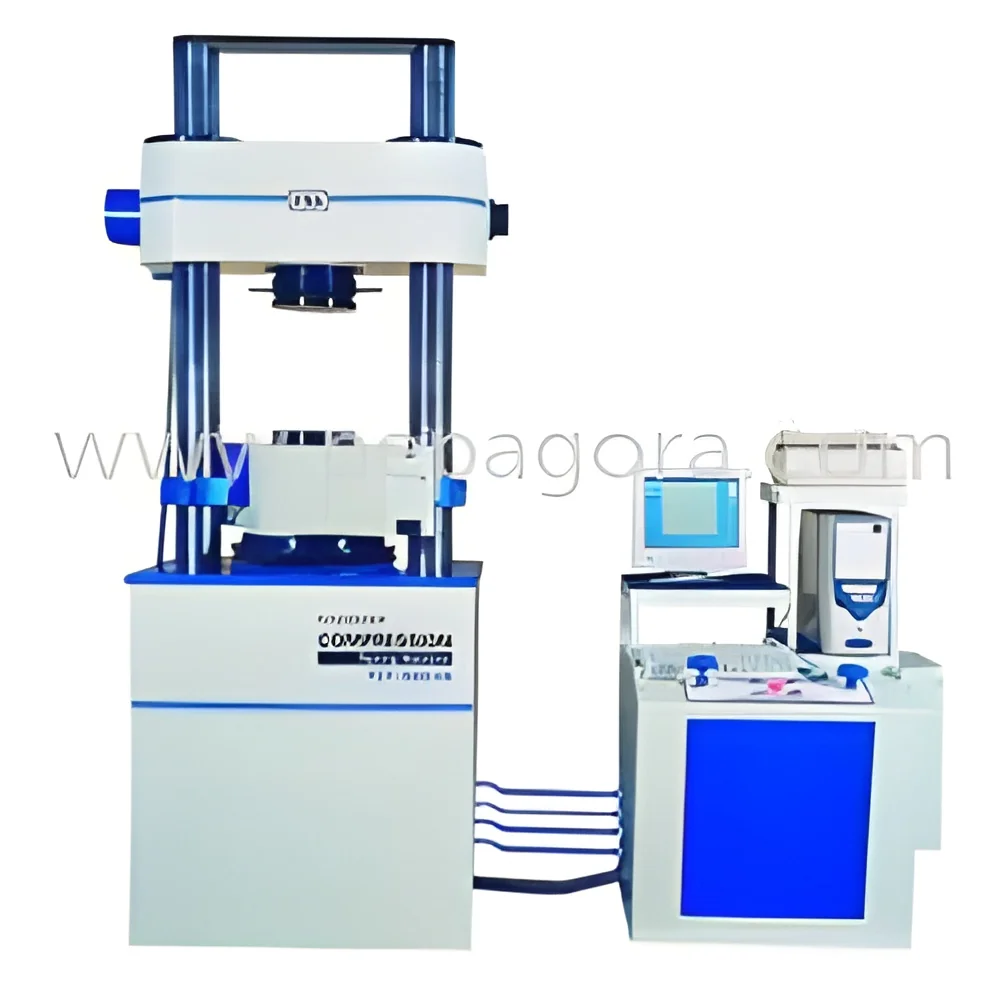
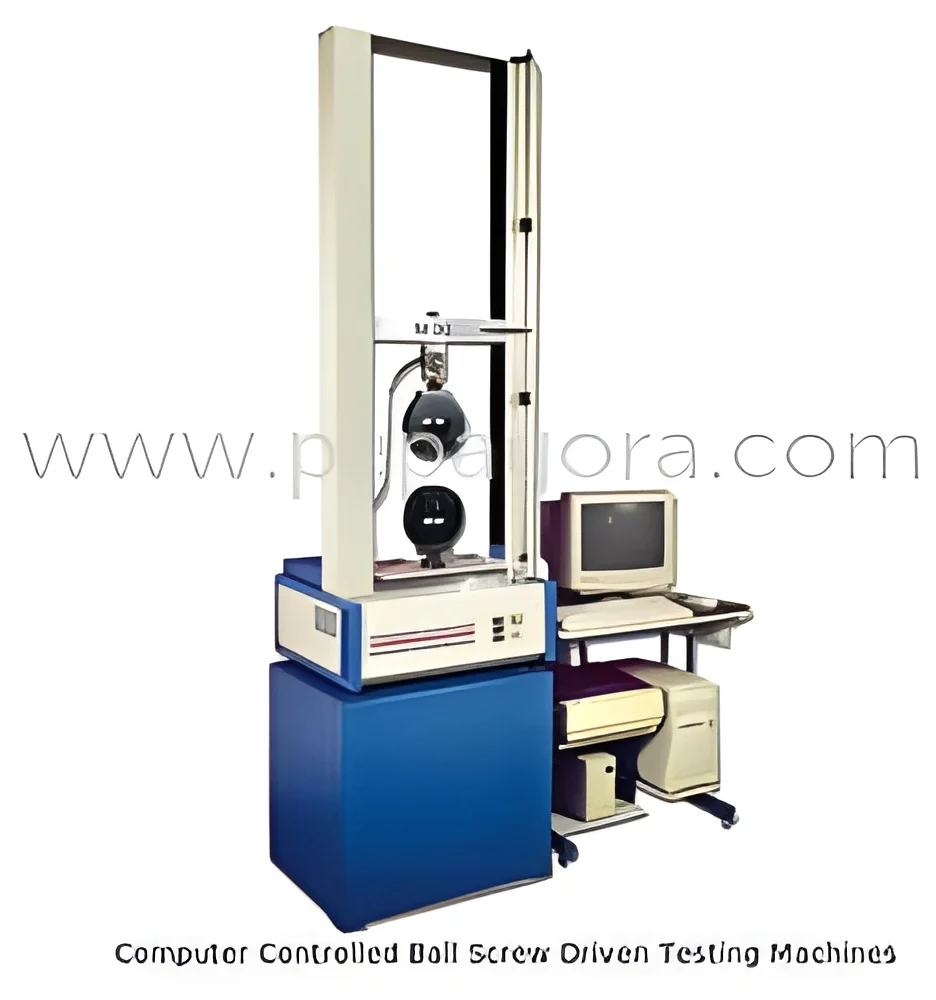
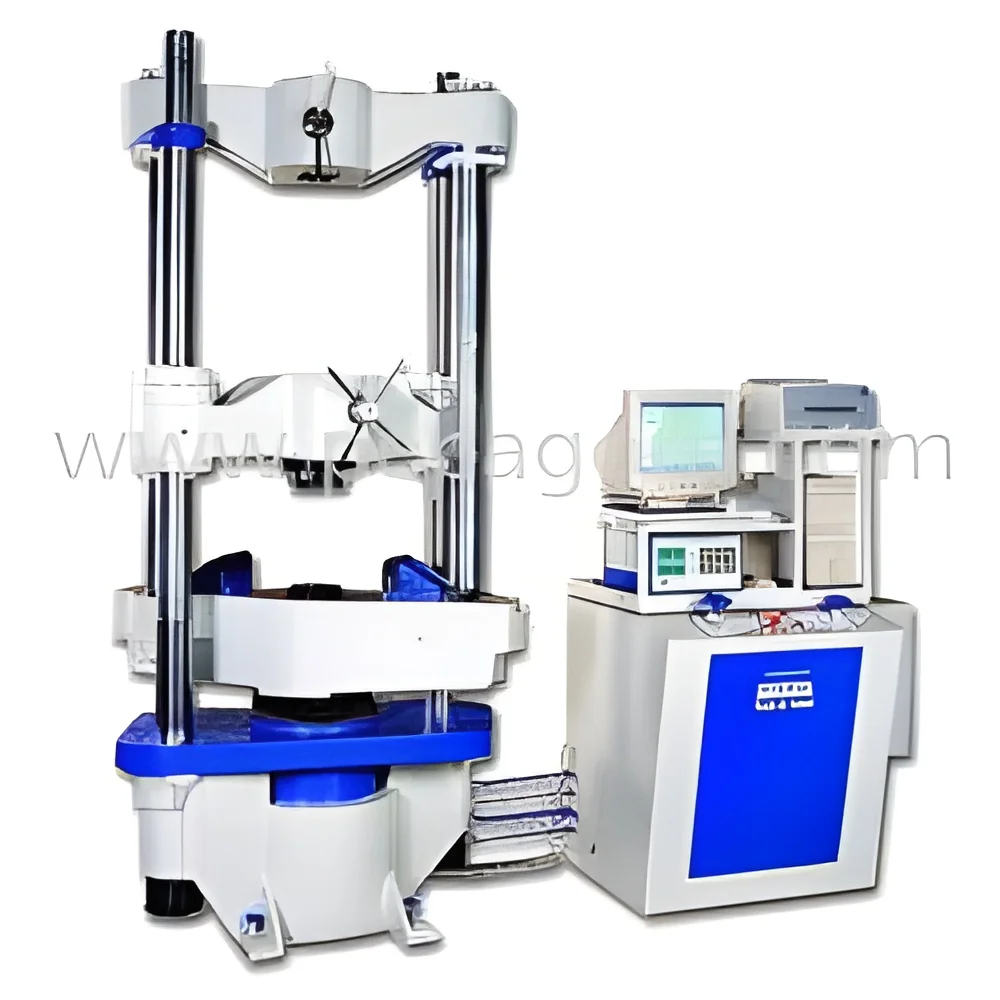
Computerized Universal Testing Machines represent the pinnacle of material testing technology, designed to deliver precise and reliable mechanical property analysis. These advanced systems automate the entire testing process from data capture to result calculation, featuring real-time graphical displays and comprehensive data storage capabilities. Built to comply with international standards including ISO and ASTM, they incorporate sophisticated safety mechanisms that prevent overloading and ensure operational reliability. The user-friendly interface combined with digital printing capabilities makes these machines accessible for both routine quality control and complex research applications, providing consistent performance across thousands of testing cycles.

These testing systems find extensive application across diverse industrial sectors where material performance is critical. Automotive manufacturers rely on them to verify component strength and durability for safety compliance, w...
Computerized Universal Testing Machines represent the pinnacle of material testing technology, designed to deliver precise and reliable mechanical property analysis. These advanced systems automate the entire testing process from data capture to result calculation, featuring real-time graphical displays and comprehensive data storage capabilities. Built to comply with international standards including ISO and ASTM, they incorporate sophisticated safety mechanisms that prevent overloading and ensure operational reliability. The user-friendly interface combined with digital printing capabilities makes these machines accessible for both routine quality control and complex research applications, providing consistent performance across thousands of testing cycles.

These testing systems find extensive application across diverse industrial sectors where material performance is critical. Automotive manufacturers rely on them to verify component strength and durability for safety compliance, while aerospace companies utilize them for testing advanced composites under extreme conditions. Construction industries depend on these machines for evaluating structural materials like concrete, rebar, and construction alloys. Manufacturing plants integrate them into production lines for quality assurance of plastics, rubber, metals, and textiles. Research institutions and universities employ these systems for material science studies and product development, enabling innovation through precise measurement and analysis.

The business value of Computerized Universal Testing Machines extends beyond basic testing capabilities to deliver significant operational advantages. Their automated operation reduces testing time and minimizes human error, leading to more consistent results and improved productivity. The reliability and accuracy of these systems help businesses prevent costly material failures and product recalls, while ensuring compliance with industry regulations and quality standards. The durable construction and low maintenance requirements provide long-term cost savings, and the digital integration supports data-driven decision making for quality improvement initiatives. These machines represent a smart investment for organizations committed to excellence in material verification and product quality.

Key Features:
- Fully automated operation with precise data capture and secure storage capabilities
- Real-time graphical display with on-screen calculations for immediate analysis
- Integrated safety features including overload protection and automatic shutdown
- Digital printer connectivity for comprehensive test reporting and documentation
- User-configurable testing parameters compliant with international standards

Benefits:
- Enhanced testing accuracy and repeatability across multiple operators
- Reduced testing time and increased laboratory throughput efficiency
- Comprehensive data management for traceability and quality documentation
- Improved safety through automated protection systems and fail-safe mechanisms
- Long-term reliability with minimal maintenance requirements and durable construction
Specifications
| Additional Information | |
|---|---|
| Country of Origin | India |
| Customisable | No |
Application
Computerized Universal Testing Machines provide accurate evaluation of material properties including tensile strength, compression resistance, and elasticity. These systems feature automated data capture with real-time graphical displays, ensuring reliable testing processes with minimal human error. They support both destructive and non-destructive testing across diverse materials like metals, plastics, textiles, and composite materials while maintaining compliance with international standards.
These testing systems serve critical roles across multiple sectors where material integrity is paramount. Manufacturing facilities utilize them for quality verification during production processes, while construction industries depend on them for structural material validation. Research laboratories leverage their precision for material development and innovation, and educational institutions employ them for training and advanced material studies. The safety features and digital integration make them suitable for high-volume testing environments.
- Tensile strength testing of automotive components to ensure vehicle safety and durability standards
- Compression testing of construction materials like concrete and steel for building integrity verification
- Quality control testing of plastic and polymer materials in consumer goods manufacturing
- Fabric strength and elasticity testing in textile and apparel production facilities
- Material research and development for aerospace components using advanced composite materials
Trade Details
| Available Stock | In Stock |
| Sample Availability | No |
Payment Terms
| Payment Terms |
|
Company Profile
Fine Spavy Associates Engineers Pvt Ltd, Maharashtra
 Maharashtra, India
Maharashtra, IndiaManufacturer•Retailer•Importer / Exporter
Factory Details
Factory SizeBelow 1000 sqm
Annual Production Capacity0
Computerized Universal Testing Machine For Material Quality Control
Computerized Universal Testing Machine delivers precise material quality control with automatic data capture, real-time calculations, and safety mechanisms for manufacturing, construction, and laboratory applications.
Min. Order Quantity: 1 unit
Shipping
Shipping fee and delivery date to be negotiated. Contact supplier now for more details.
Fine Spavy Associates Engineers Pvt Ltd
 Maharashtra, India
Maharashtra, IndiaManufacturer