IN
IN₹
Apparel & Fashion
Description
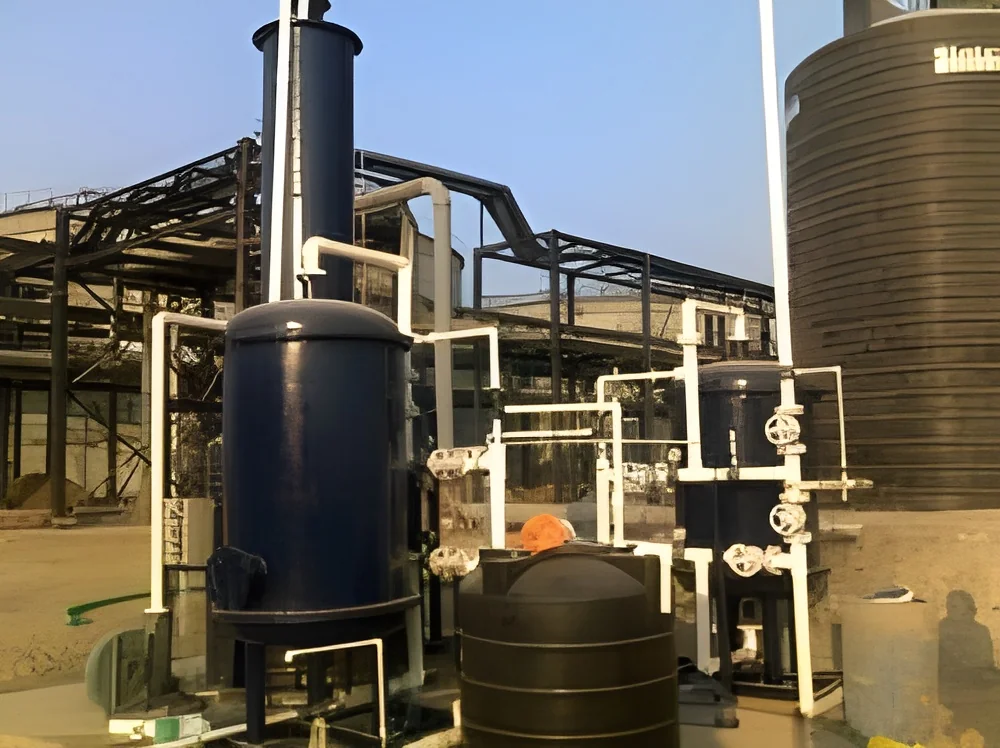
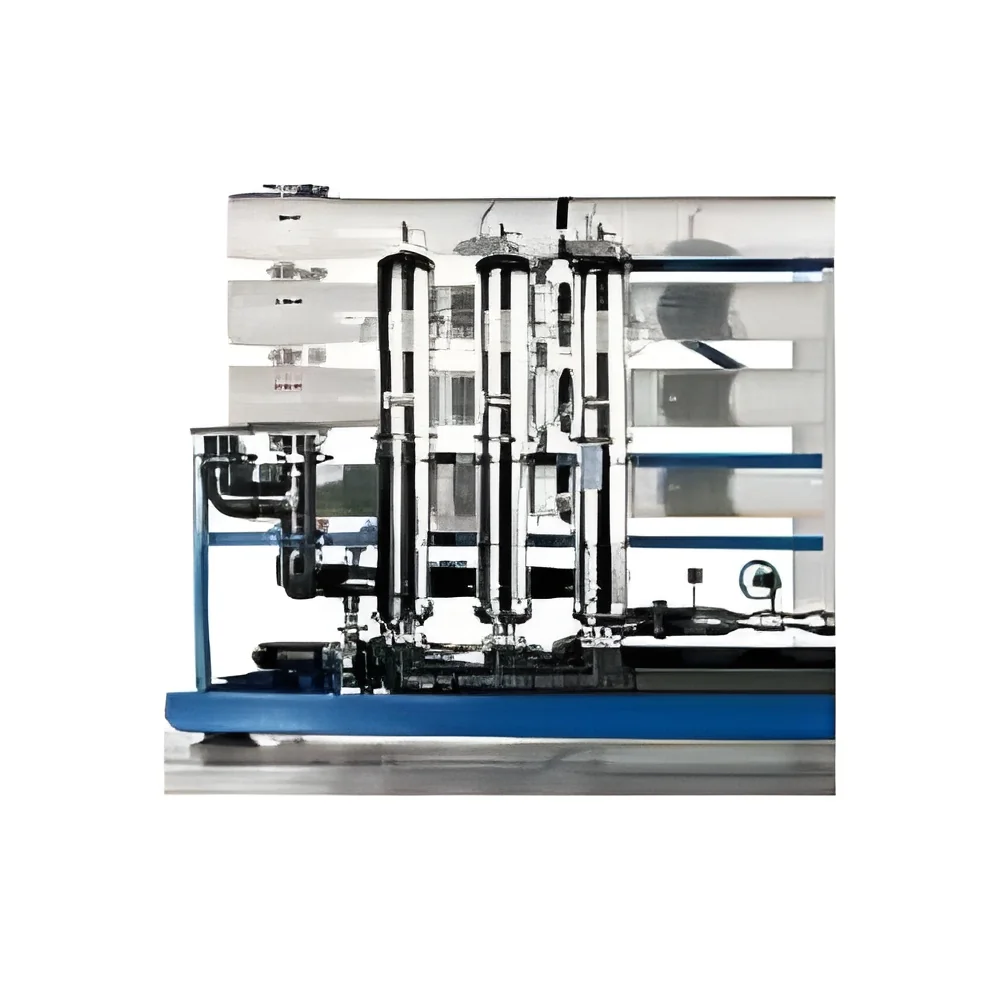
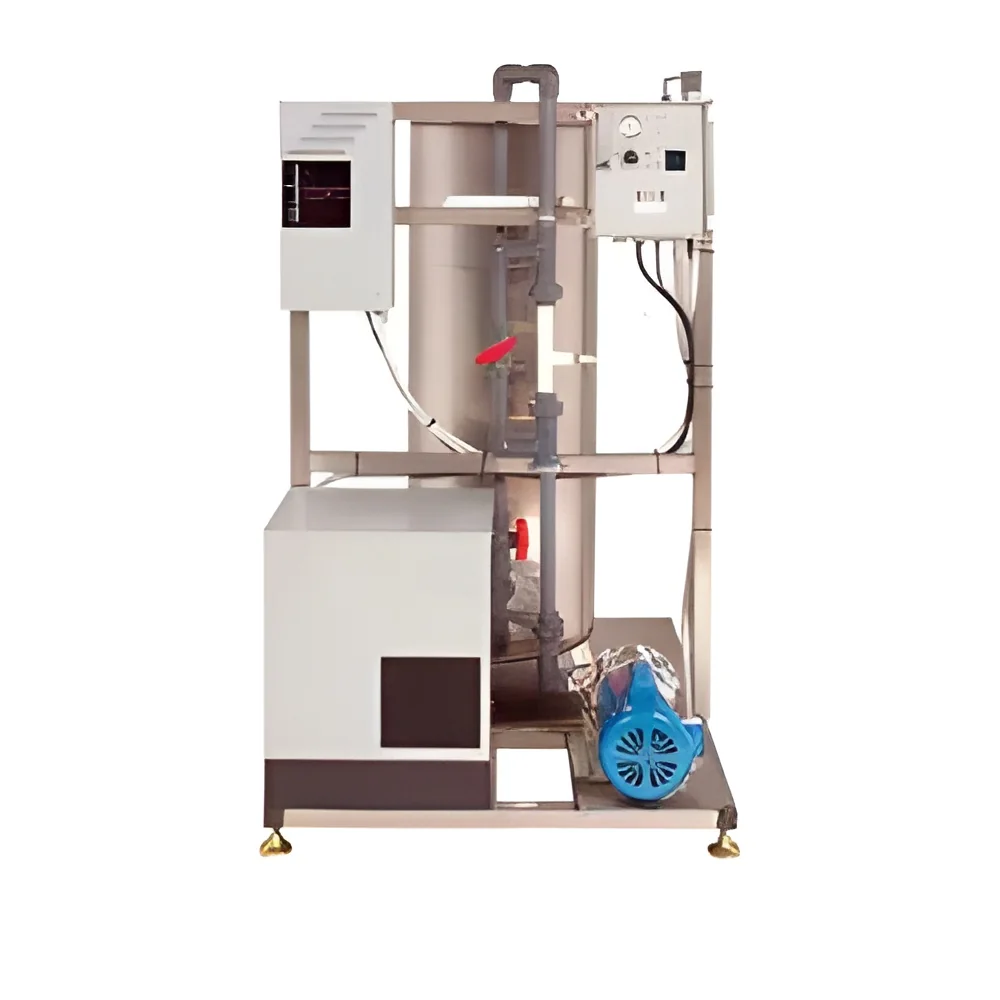
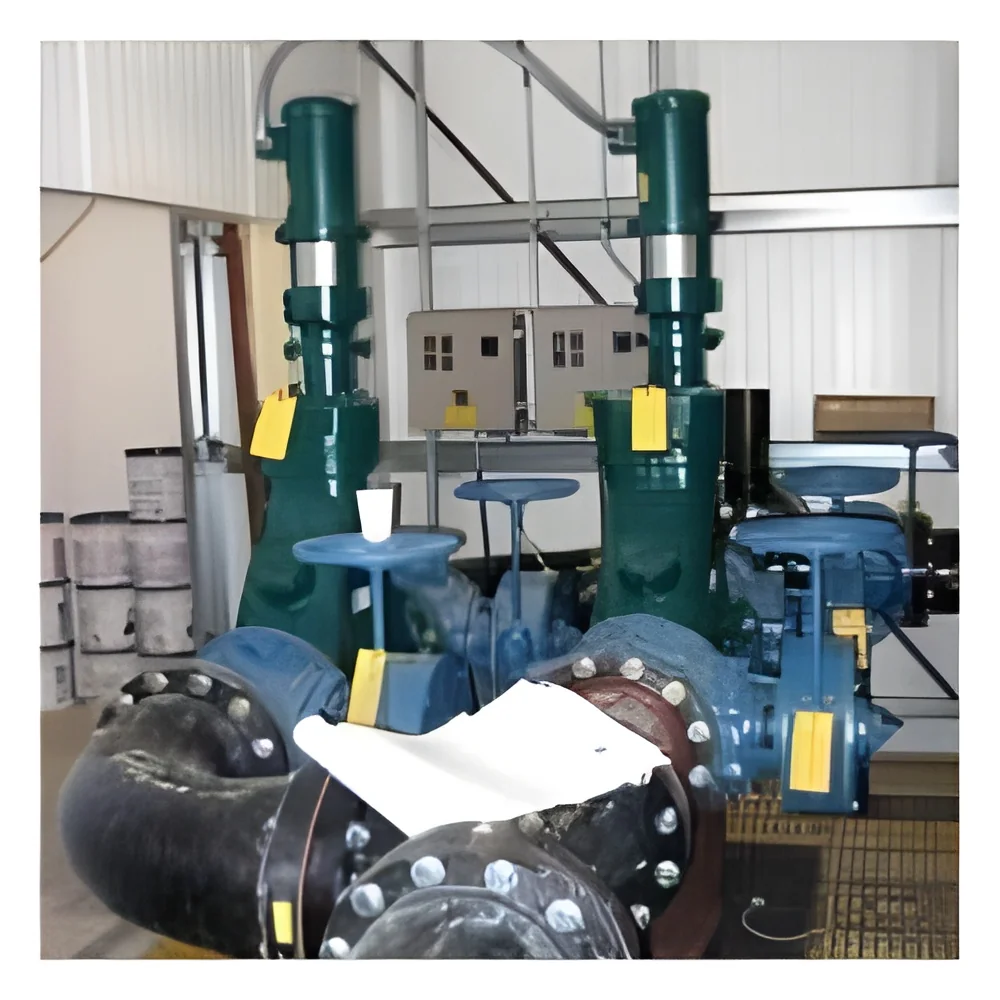
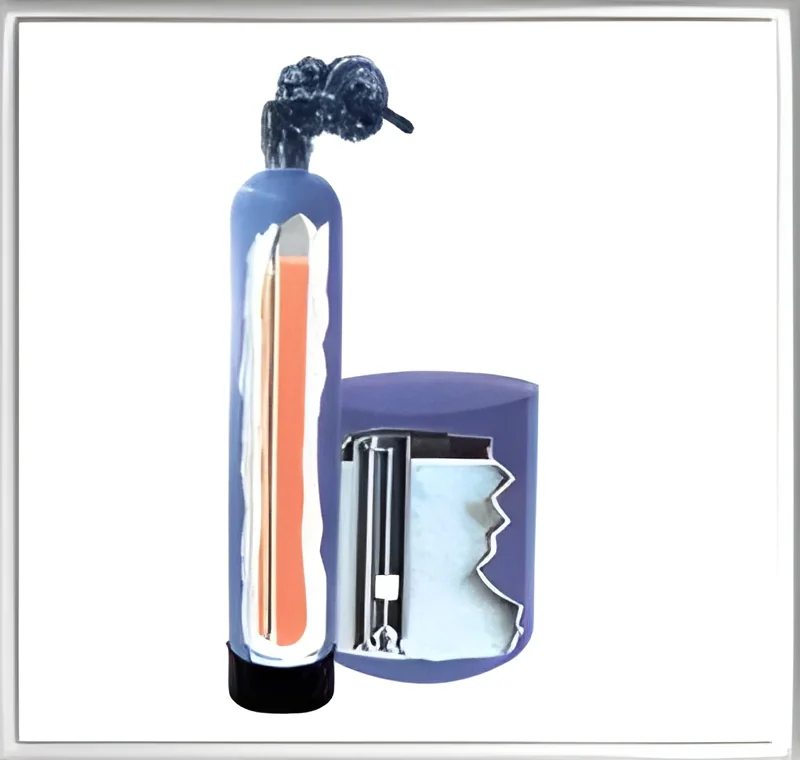
Commercial water softeners address the critical challenge of hard water by effectively removing calcium and magnesium ions through advanced ion exchange technology. Hard water causes significant operational problems including scale buildup in pipes and equipment, reduced heating efficiency, and increased soap consumption. These systems work by passing water through a resin bed charged with sodium ions, which swap places with the hardness minerals. The regeneration process using brine solution restores the resin's softening capacity, ensuring continuous operation. This proven technology provides businesses with a cost-effective solution compared to filtration methods, making it ideal for commercial-scale water treatment applications across various industries.

Various industries benefit from commercial water softeners, particularly those where water quality impacts operational efficiency and equipment longevity. The hospitality sector relies on these systems to enhance guest experiences...
Commercial water softeners address the critical challenge of hard water by effectively removing calcium and magnesium ions through advanced ion exchange technology. Hard water causes significant operational problems including scale buildup in pipes and equipment, reduced heating efficiency, and increased soap consumption. These systems work by passing water through a resin bed charged with sodium ions, which swap places with the hardness minerals. The regeneration process using brine solution restores the resin's softening capacity, ensuring continuous operation. This proven technology provides businesses with a cost-effective solution compared to filtration methods, making it ideal for commercial-scale water treatment applications across various industries.

Various industries benefit from commercial water softeners, particularly those where water quality impacts operational efficiency and equipment longevity. The hospitality sector relies on these systems to enhance guest experiences through better water quality while reducing maintenance costs. Manufacturing plants implement water softeners to protect boilers, cooling systems, and production equipment from scale damage that causes energy waste and premature failure. Food processing facilities require consistent water quality for production processes and sanitation compliance. Healthcare institutions use softened water to ensure reliable sterilization processes and protect medical equipment. Commercial laundry services and car wash businesses achieve better cleaning results with reduced chemical usage when using softened water.

Commercial water softeners deliver substantial business value through reduced maintenance costs, extended equipment lifespan, and improved operational efficiency. These systems prevent scale buildup that causes increased energy consumption, frequent repairs, and premature equipment replacement. The reliability of ion exchange technology ensures consistent water quality with minimal downtime, while modern control systems optimize salt and water usage during regeneration cycles. Businesses benefit from lower operational costs through reduced chemical consumption, decreased energy requirements, and minimized maintenance interventions. The systems are designed for commercial environments with durable construction and reliable operation, ensuring optimal performance and return on investment.

Key Features:
- Advanced ion exchange technology using high-capacity resin beads for efficient hardness removal
- Automated regeneration systems with programmable controls for optimal salt and water usage
- Durable construction with corrosion-resistant materials suitable for commercial environments
- Multiple capacity options to match specific business water volume requirements
- Multi-port valve systems for reliable operation and easy maintenance access

Benefits:
- Prevents scale buildup in pipes, boilers, and equipment to extend system lifespan
- Reduces maintenance costs and minimizes equipment downtime for repairs
- Improves operational efficiency by maintaining consistent water quality
- Lowers energy consumption by preventing scale-related heating inefficiencies
- Decreases soap and detergent usage while improving cleaning effectiveness
Specifications
| Additional Information | |
|---|---|
| Country of Origin | India |
Application
Commercial water softeners provide essential protection against hard water problems that impact equipment performance and operational expenses. These systems work through proven ion exchange technology, replacing calcium and magnesium ions with sodium ions to prevent scale formation in pipes, boilers, and water-using equipment. This process ensures consistent water quality while reducing maintenance requirements and improving overall system efficiency across diverse commercial settings.
From manufacturing facilities to service businesses, water softeners protect valuable equipment from mineral buildup that causes reduced efficiency and premature failure. The technology maintains optimal water quality while minimizing soap and detergent consumption, leading to significant cost savings. Industries implementing these systems benefit from extended equipment lifespan, reduced energy consumption, and improved operational reliability without the constant threat of scale-related breakdowns and maintenance interventions.
- Hotels and resorts use water softeners to enhance guest bathing experiences while protecting plumbing systems and reducing soap consumption
- Food processing plants implement these systems to maintain consistent water quality for production processes and prevent mineral buildup in equipment
- Hospitals and healthcare facilities utilize water softeners to ensure reliable water quality for sterilization processes and medical equipment operation
- Manufacturing plants install water softeners to protect boilers, cooling systems, and production machinery from scale damage and efficiency loss
- Car washes and laundry businesses employ water softening systems to improve cleaning efficiency, reduce detergent usage, and prevent nozzle clogging
Trade Details
| Available Stock | In Stock |
| Sample Availability | No |
Payment Terms
| Payment Terms |
|
Company Profile

Watertec Enterprises, New Delhi
 New Delhi, India
New Delhi, IndiaManufacturer•Importer / Exporter
Factory Details
Factory SizeBelow 1000 sqm
Annual Production Capacity0
Main Markets
South Asia
Commercial Water Softeners For Scale Prevention And Efficiency
Commercial water softeners prevent scale buildup using ion exchange technology to remove calcium and magnesium ions, improving efficiency and reducing maintenance costs for businesses across various industries.
Min. Order Quantity: 1 unit
Shipping
Shipping fee and delivery date to be negotiated. Contact supplier now for more details.
Watertec Enterprises
 New Delhi, India
New Delhi, IndiaManufacturer