IN
IN₹

Description
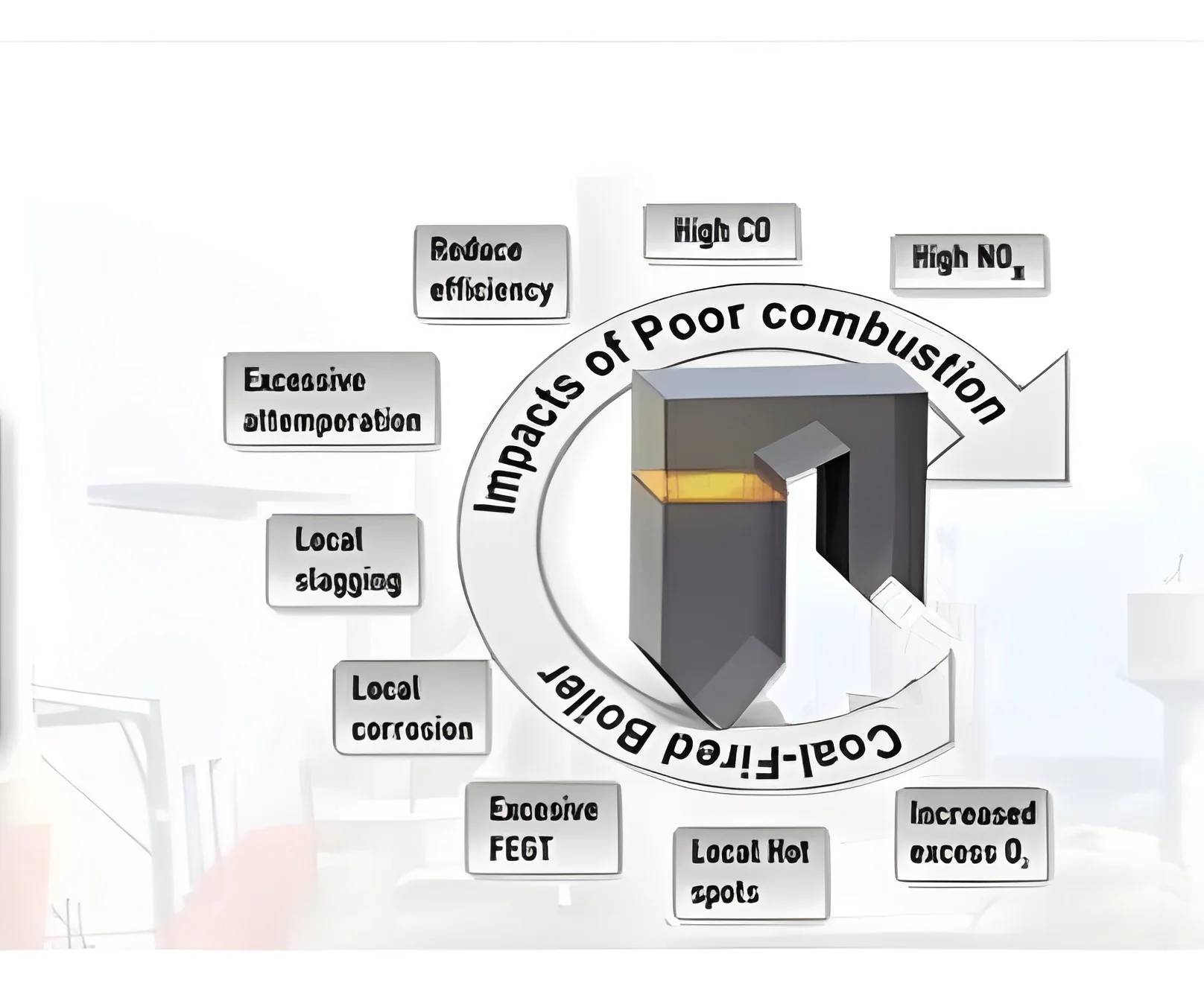
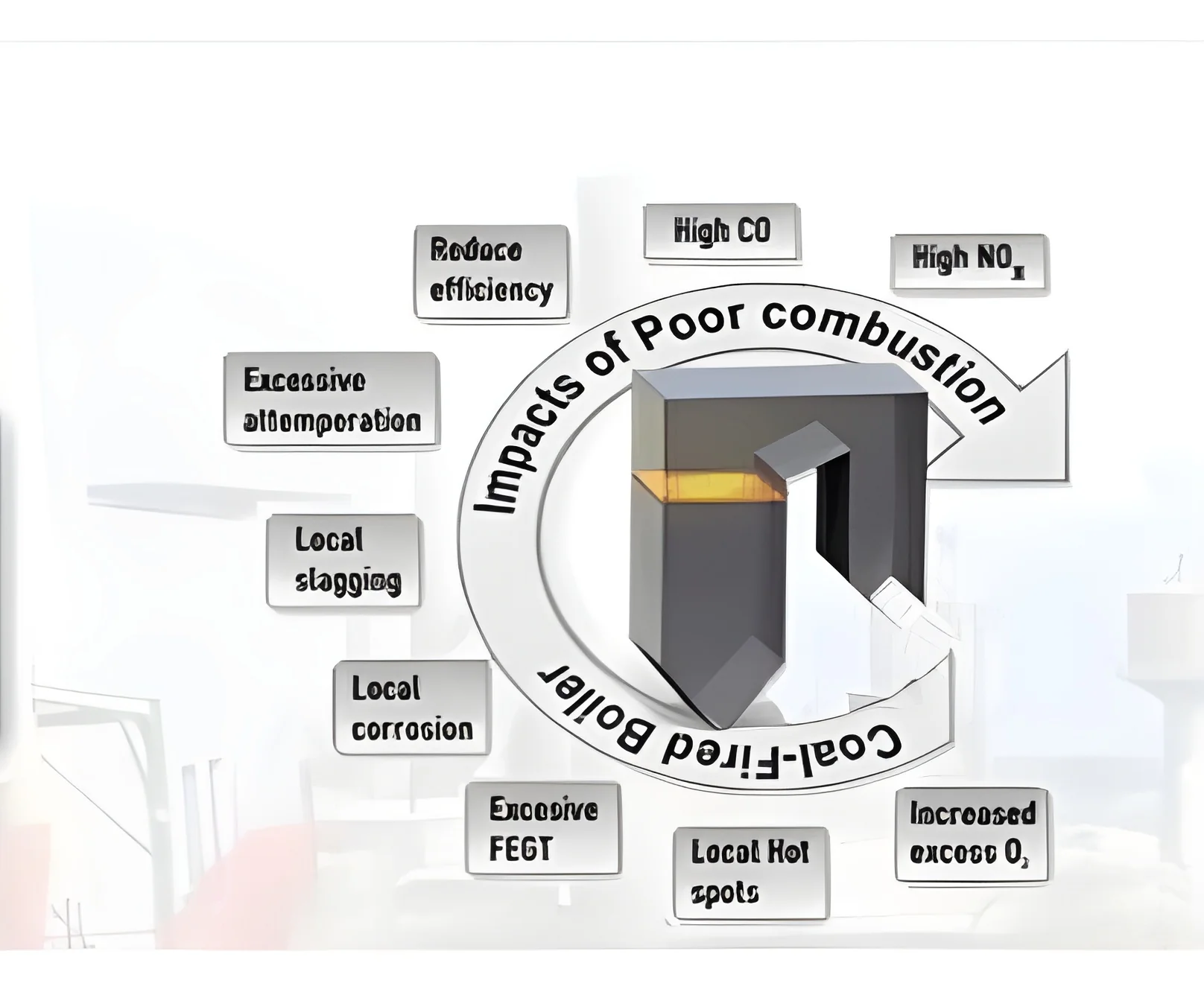
Coal Monitoring Systems are advanced industrial solutions designed to provide real-time tracking and analysis of coal quality, flow rates, and combustion efficiency. Utilizing sensors, analyzers, and data processing technologies, these systems measure critical parameters such as moisture content, ash levels, particle size distribution, and calorific value. By delivering accurate, continuous data, they enable operators to optimize fuel consumption, maintain consistent energy production, and reduce harmful emissions. These systems are engineered for reliability and can be customized to fit specific operational needs, ensuring they integrate smoothly into existing infrastructure while supporting both economic and environmental goals.

These monitoring systems are widely deployed across coal-intensive industries, including thermal power generation, steel manufacturing, and cement production. In power plants, they help maximize efficiency by ensuring optimal coal combustion, which directly ...
Coal Monitoring Systems are advanced industrial solutions designed to provide real-time tracking and analysis of coal quality, flow rates, and combustion efficiency. Utilizing sensors, analyzers, and data processing technologies, these systems measure critical parameters such as moisture content, ash levels, particle size distribution, and calorific value. By delivering accurate, continuous data, they enable operators to optimize fuel consumption, maintain consistent energy production, and reduce harmful emissions. These systems are engineered for reliability and can be customized to fit specific operational needs, ensuring they integrate smoothly into existing infrastructure while supporting both economic and environmental goals.

These monitoring systems are widely deployed across coal-intensive industries, including thermal power generation, steel manufacturing, and cement production. In power plants, they help maximize efficiency by ensuring optimal coal combustion, which directly impacts electricity output and operating costs. Steel mills use them to monitor coke quality and combustion stability in blast furnaces, while cement factories rely on them to maintain precise kiln temperatures and product consistency. Their adaptability makes them suitable for any industry where coal is a primary fuel, providing valuable insights that enhance process control, reduce waste, and support compliance with industry regulations and environmental standards.

Investing in Coal Monitoring Systems delivers significant business value by lowering fuel costs, minimizing downtime, and extending equipment lifespan through proactive maintenance. Their reliability stems from robust construction and precision engineering, ensuring consistent performance even in harsh industrial environments. Customization options allow businesses to tailor the systems to their unique processes, enhancing suitability and ROI. By improving combustion efficiency and reducing emissions, these systems also help companies meet sustainability targets and regulatory requirements, strengthening their market reputation and operational resilience in competitive industries.

Key Features:
- Real-time monitoring of coal quality parameters including moisture, ash, and calorific value.
- Continuous flow measurement to ensure consistent fuel supply and prevent operational disruptions.
- Combustion efficiency tracking for optimized energy output and reduced unburned carbon.
- Customizable configurations to adapt to specific industrial processes and requirements.
- Robust sensor technology designed for durability in demanding industrial environments.

Benefits:
- Lower fuel consumption and operating costs through optimized coal usage.
- Enhanced operational safety by detecting irregularities in coal flow and combustion.
- Reduced emissions and environmental impact via efficient combustion control.
- Improved equipment longevity and reduced maintenance needs from proactive monitoring.
- Reliable data insights for informed decision-making and regulatory compliance.
Specifications
| Additional Information | |
|---|---|
| Country of Origin | India |
Application
Coal Monitoring Systems are essential for industries relying on coal-fired operations, providing continuous oversight of fuel quality and combustion performance. These systems integrate seamlessly into power generation, manufacturing, and processing plants where coal is a primary energy source, delivering actionable insights for operational excellence and regulatory compliance across diverse industrial environments.
From thermal power stations to heavy manufacturing facilities, these monitoring solutions support critical decision-making by tracking key parameters like moisture content, ash levels, and calorific value. They help maintain consistent energy output, prevent equipment damage, and ensure compliance with environmental standards, making them indispensable for sectors prioritizing efficiency, safety, and sustainability in coal-dependent processes. Real-world applications:
Real-world applications:
- Continuous coal quality monitoring in thermal power plants to optimize combustion and reduce unburned carbon.
- Real-time flow measurement in cement manufacturing to maintain consistent kiln temperatures and product quality.
- Emission control in steel production by tracking coal combustion efficiency and minimizing pollutant release.
- Fuel blending optimization in industrial boilers to achieve cost savings and meet energy output targets.
- Safety monitoring in coal handling systems to detect flow blockages, prevent fires, and ensure operational reliability.
Trade Details
| Available Stock | In Stock |
| Sample Availability | No |
Payment Terms
| Payment Terms |
|
Company Profile

LUCENT MARCONS PVT. LTD., New Delhi
 New Delhi, India
New Delhi, IndiaIndustrial Equipment & Machinery•Manufacturer•Distributor / Wholesaler
Factory Details
Factory SizeBelow 1000 sqm
Industrial Coal Monitoring Systems For Power Plants And Manufacturing
Coal Monitoring Systems track coal quality, flow, and combustion efficiency for power plants and industrial applications, ensuring optimized fuel usage, reduced emissions, and enhanced operational safety with reliable real-time data.
Min. Order Quantity: 1
Shipping
Shipping fee and delivery date to be negotiated. Contact supplier now for more details.
LUCENT MARCONS PVT. LTD.
 New Delhi, India
New Delhi, IndiaIndustrial Equipment & MachineryManufacturer