IN
IN₹
Apparel & Fashion
Description
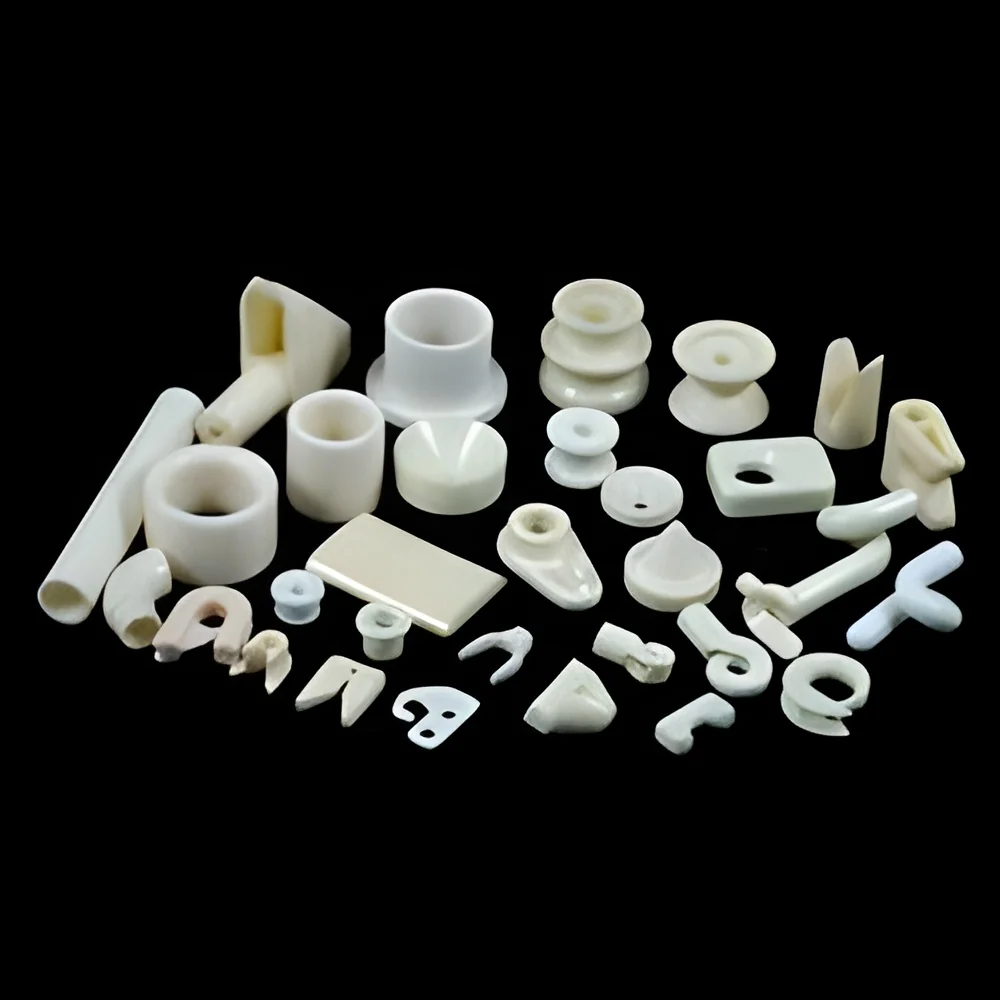
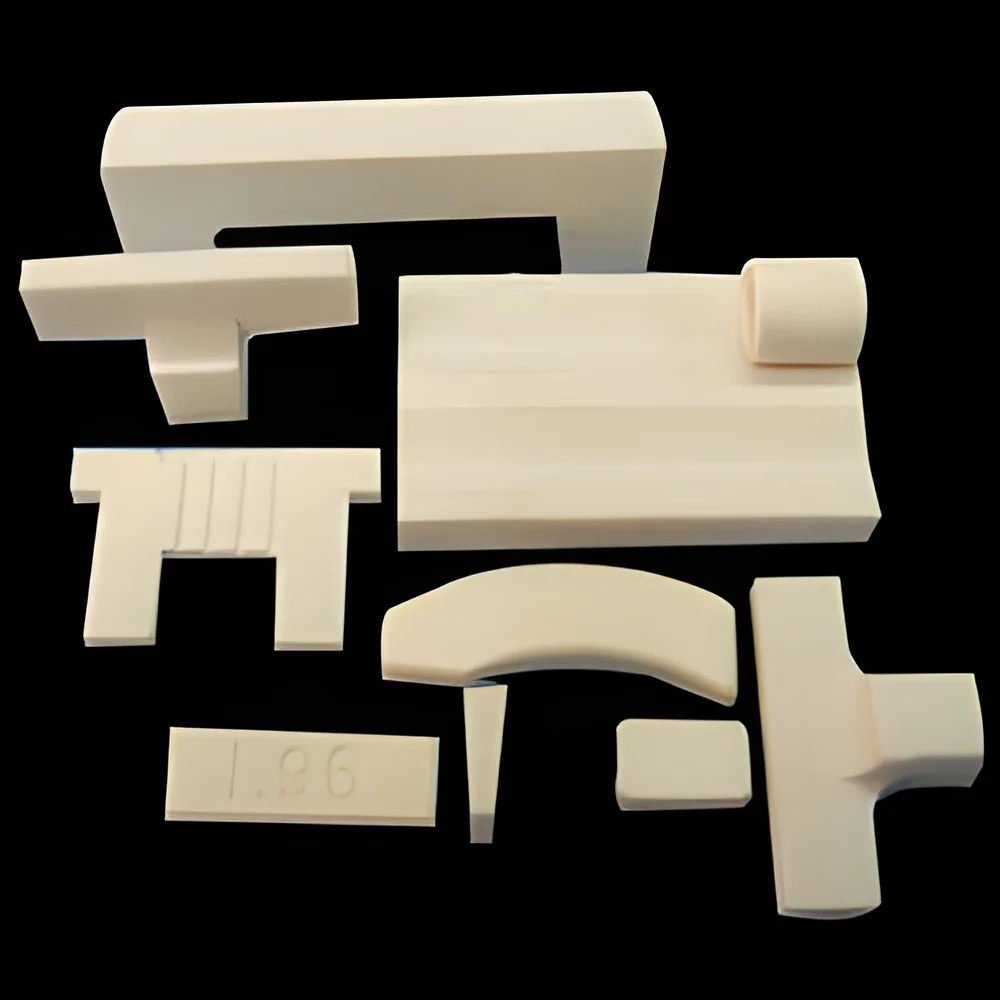
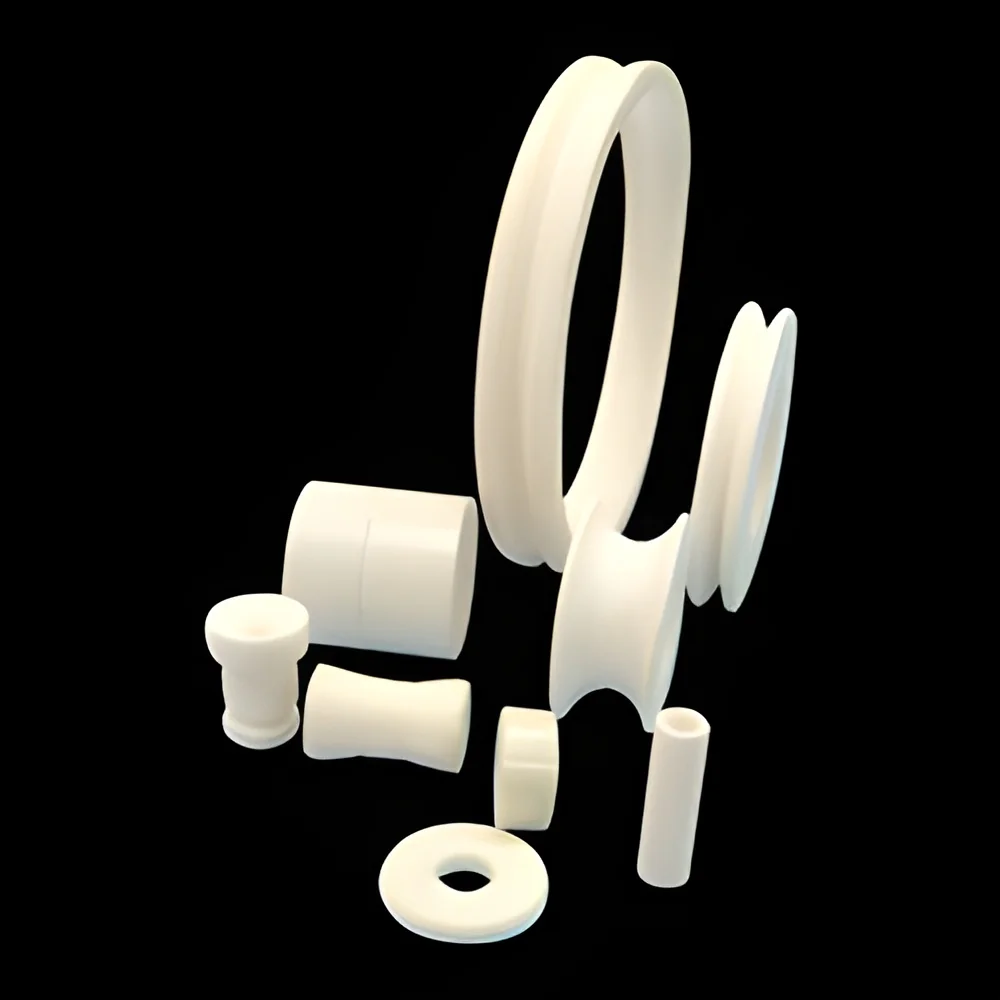
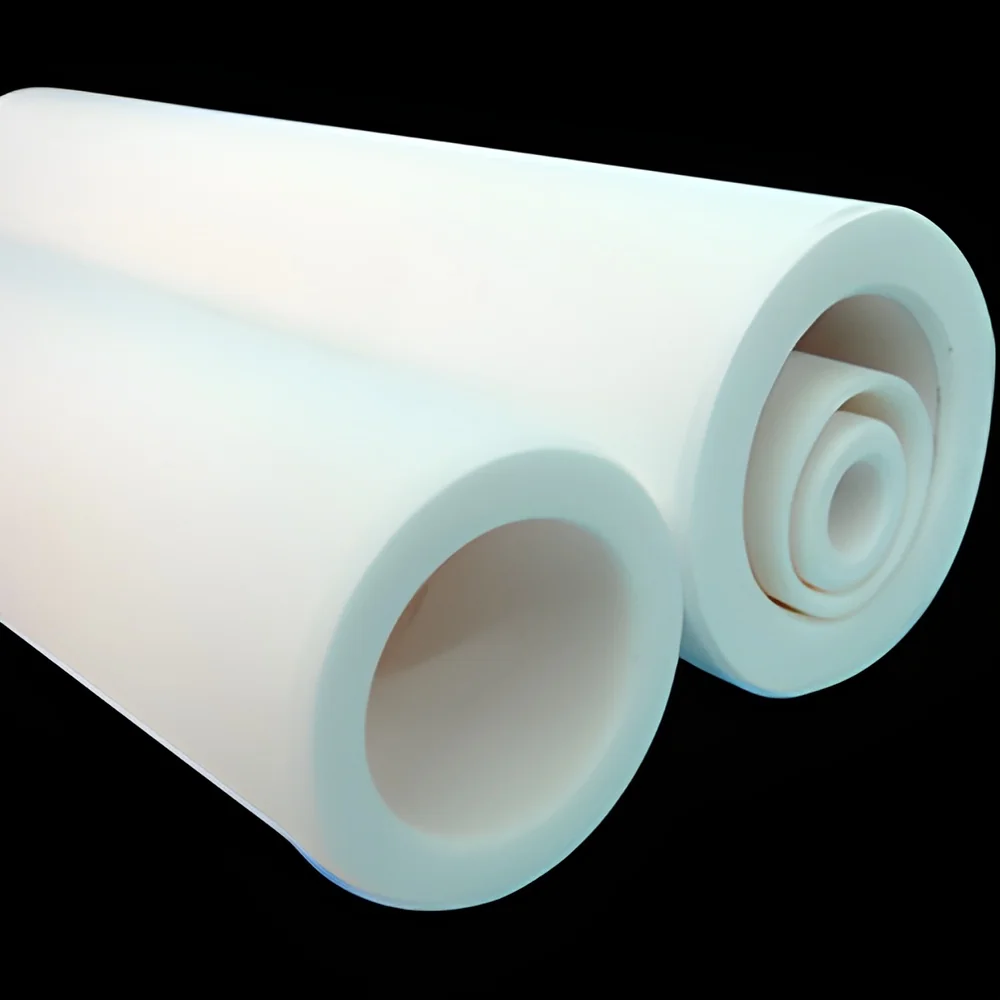
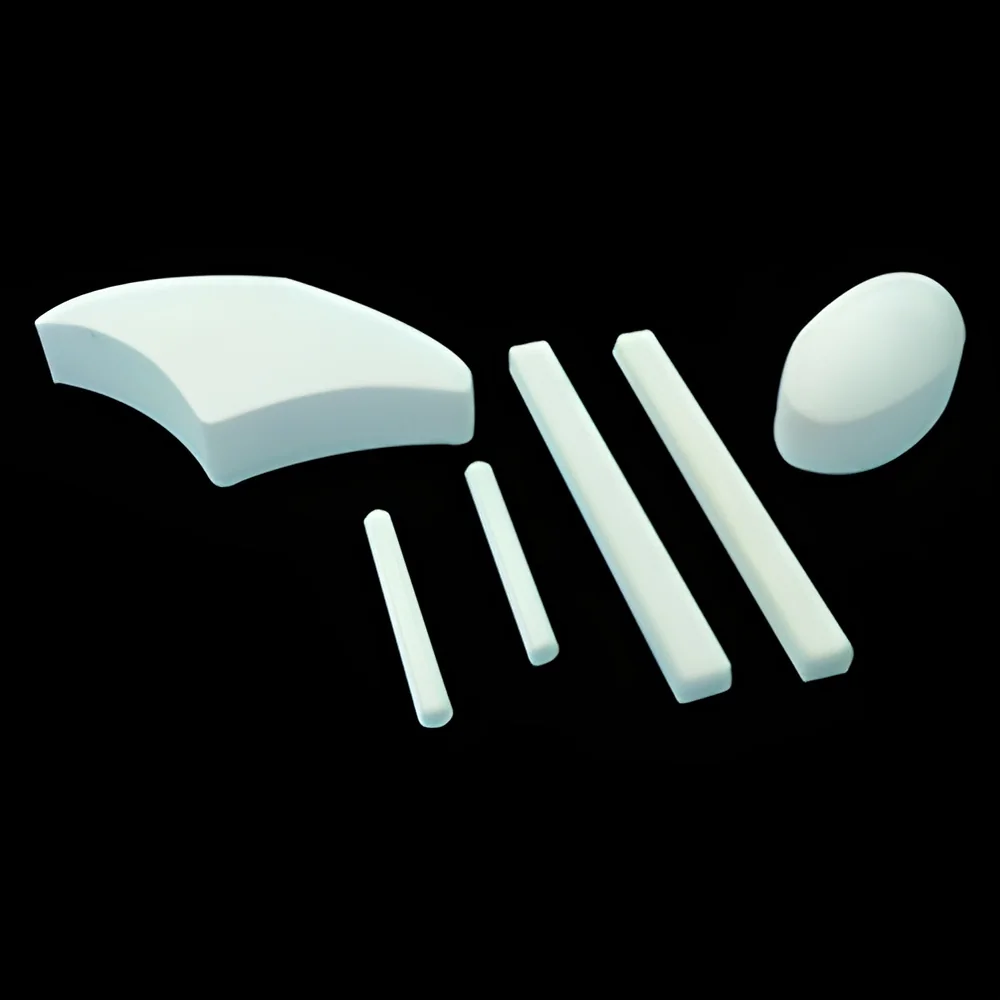
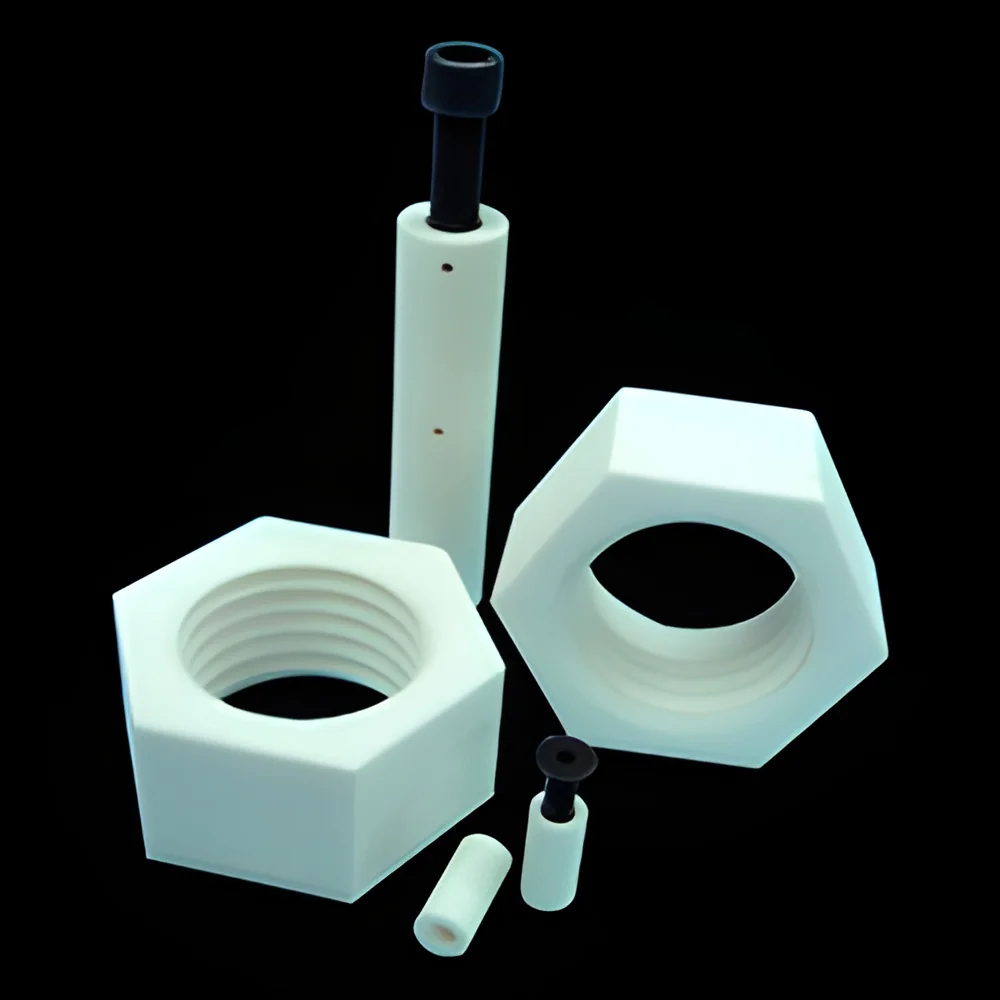
High Precision Ceramic Injection Moulding is an advanced manufacturing process designed to create complex, high-performance ceramic components with exceptional accuracy and consistency. By utilizing premium materials such as 94-99.7% alumina and zirconia, this technology overcomes the limitations of traditional ceramic forming. The process involves blending fine ceramic powder with a specialized binder, injecting the mixture into precision moulds to form intricate shapes, and then carefully removing the binder before high-temperature sintering. This results in fully dense, strong components with excellent mechanical properties, superior surface finishes, and tight dimensional tolerances, making it the preferred choice for applications where failure is not an option and performance is paramount.

This manufacturing method is indispensable across a spectrum of high-tech and demanding industries. In the medical field, it produces sterile, biocompatible parts for surgical instruments, dent...
High Precision Ceramic Injection Moulding is an advanced manufacturing process designed to create complex, high-performance ceramic components with exceptional accuracy and consistency. By utilizing premium materials such as 94-99.7% alumina and zirconia, this technology overcomes the limitations of traditional ceramic forming. The process involves blending fine ceramic powder with a specialized binder, injecting the mixture into precision moulds to form intricate shapes, and then carefully removing the binder before high-temperature sintering. This results in fully dense, strong components with excellent mechanical properties, superior surface finishes, and tight dimensional tolerances, making it the preferred choice for applications where failure is not an option and performance is paramount.

This manufacturing method is indispensable across a spectrum of high-tech and demanding industries. In the medical field, it produces sterile, biocompatible parts for surgical instruments, dental implants, and diagnostic devices. The aerospace and automotive sectors utilize these ceramics for critical components like sensor probes, turbine elements, and engine parts that must endure extreme thermal cycles and corrosive atmospheres. Electronics manufacturers depend on them for insulators, circuit substrates, and protective housings that ensure reliable electrical performance and heat dissipation. Furthermore, general industrial applications benefit from wear-resistant parts such as seals, cutting inserts, and nozzles that significantly improve equipment lifespan and operational efficiency in challenging conditions.

The business value of this ceramic injection moulding service lies in its unique blend of precision, reliability, and scalability, offering tangible advantages over alternative manufacturing techniques. It enables significant reductions in material waste and minimizes the need for costly secondary machining, while consistently producing complex geometries in both low and high volumes. Components manufactured this way adhere to stringent international standards, reducing in-field failure rates and associated maintenance costs. By leveraging high-purity alumina and zirconia, manufacturers can deliver parts tailored to specific thermal, mechanical, and electrical requirements, directly enhancing the performance and durability of the final product. This reliability translates into longer service intervals, improved system efficiency, and a stronger return on investment for procurement teams seeking durable, high-performing solutions.

Key Features:
- Manufactures components from high-purity materials, specifically 94-99.7% alumina and zirconia, for optimal performance.
- Capable of producing highly complex shapes and intricate geometries with exceptional dimensional accuracy and tight tolerances.
- Employs advanced injection moulding and sintering processes to ensure consistent density, strength, and surface finish across all production runs.
- Supports the entire product lifecycle from initial design prototyping to full-scale, high-volume manufacturing with reliable repeatability.
- Provides tailored solutions to meet specific application requirements for material properties, dimensions, and performance characteristics.

Benefits:
- Delivers superior component durability, wear resistance, and longevity in demanding operational environments, reducing replacement frequency.
- Enables the design and production of intricate parts not feasible with conventional methods, unlocking new engineering possibilities.
- Ensures high production consistency and part-to-part uniformity, leading to reliable assembly and performance in final applications.
- Offers a cost-effective manufacturing route for complex parts by minimizing material waste and secondary processing needs.
- Enhances end-product performance and reliability through components with excellent thermal stability, electrical insulation, and corrosion resistance.
Specifications
| Additional Information | |
|---|---|
| Country of Origin | India |
Application
Ceramic injection moulding is the definitive solution for manufacturing complex, high-tolerance components that standard ceramic forming cannot replicate. This advanced process delivers intricate geometries, exceptional surface finishes, and consistent material properties, making it essential for applications where precision, wear resistance, and thermal stability are critical. It is engineered for both prototyping and scalable production, ensuring part integrity from the first unit to the thousandth.
Industries operating under extreme conditions rely on these high-performance ceramic parts for their durability and reliability. From medical devices requiring biocompatibility to automotive sensors facing harsh environments, this technology meets rigorous operational demands. The ability to utilize advanced materials like alumina and zirconia allows for parts that maintain structural integrity, resist corrosion, and provide excellent electrical insulation, directly enhancing end-product performance and longevity.
- Medical and dental components such as surgical tool tips, implantable devices, and diagnostic equipment parts requiring precision and biocompatibility.
- Aerospace and defense parts including turbine blades, sensor housings, and radome components that demand thermal shock resistance and reliability.
- Automotive engine and fuel system components like oxygen sensors, injector nozzles, and valve guides for high-temperature durability.
- Electronics and semiconductor manufacturing fixtures, insulators, substrates, and hermetic packages needing superior electrical insulation and thermal management.
- Industrial machinery wear parts such as cutting tools, pump seals, grinding media, and nozzles for extended service life in abrasive environments.
Trade Details
| Available Stock | In Stock |
| Sample Availability | No |
Payment Terms
| Payment Terms |
|
Company Profile

Bangalore Ceramics, Karnataka
 Karnataka, India
Karnataka, IndiaManufacturer•Importer / Exporter
Factory Details
Factory SizeBelow 1000 sqm
Annual Production Capacity0
High Precision Ceramic Injection Moulding For Complex Components
High Precision Ceramic Injection Moulding produces complex, durable components from 94-99.7% alumina and zirconia for demanding industrial applications requiring intricate, reliable parts.
Min. Order Quantity: 1 unit
Shipping
Shipping fee and delivery date to be negotiated. Contact supplier now for more details.
Bangalore Ceramics
 Karnataka, India
Karnataka, IndiaManufacturer