IN
₹
Apparel & Fashion
Description
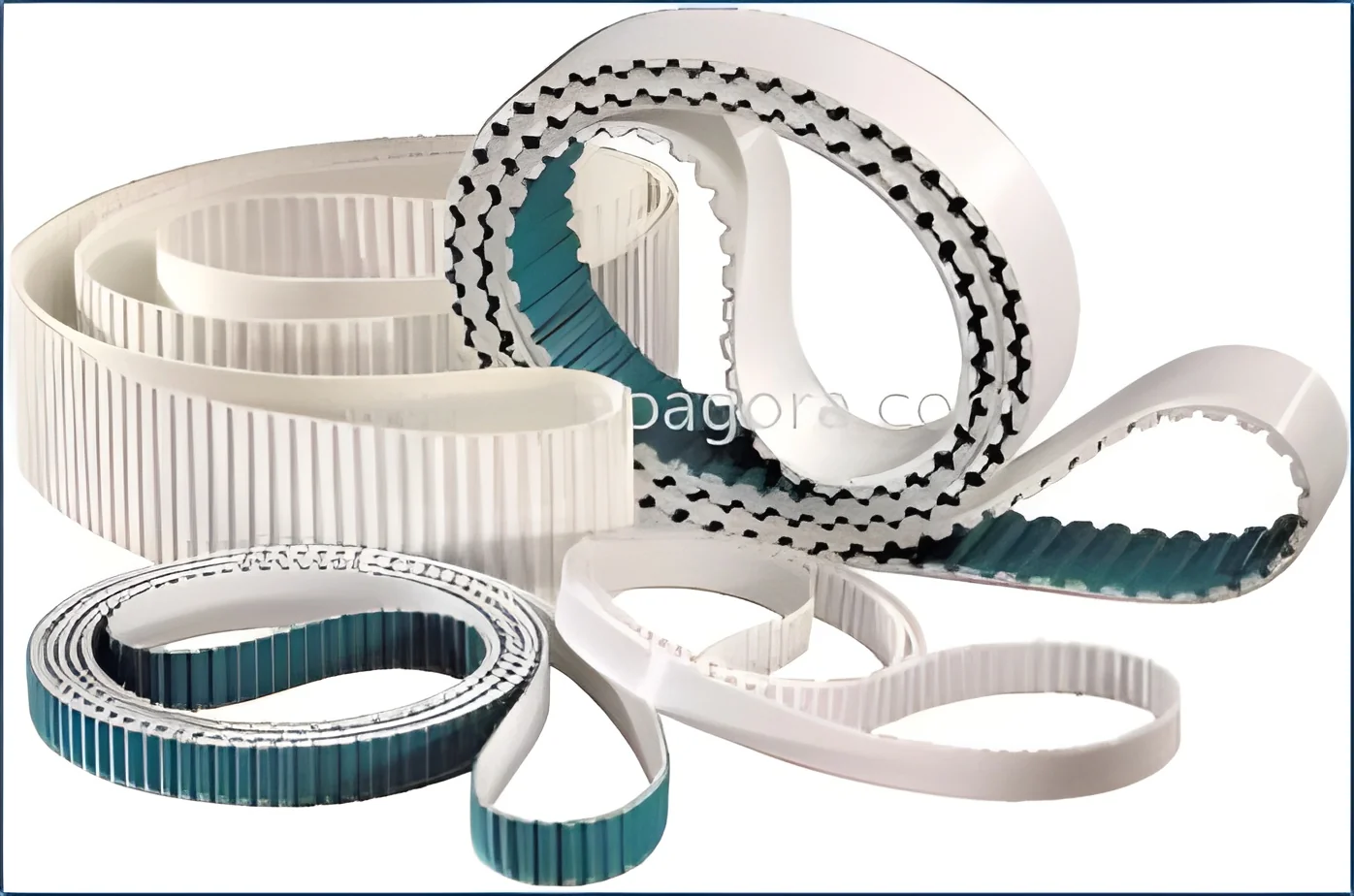
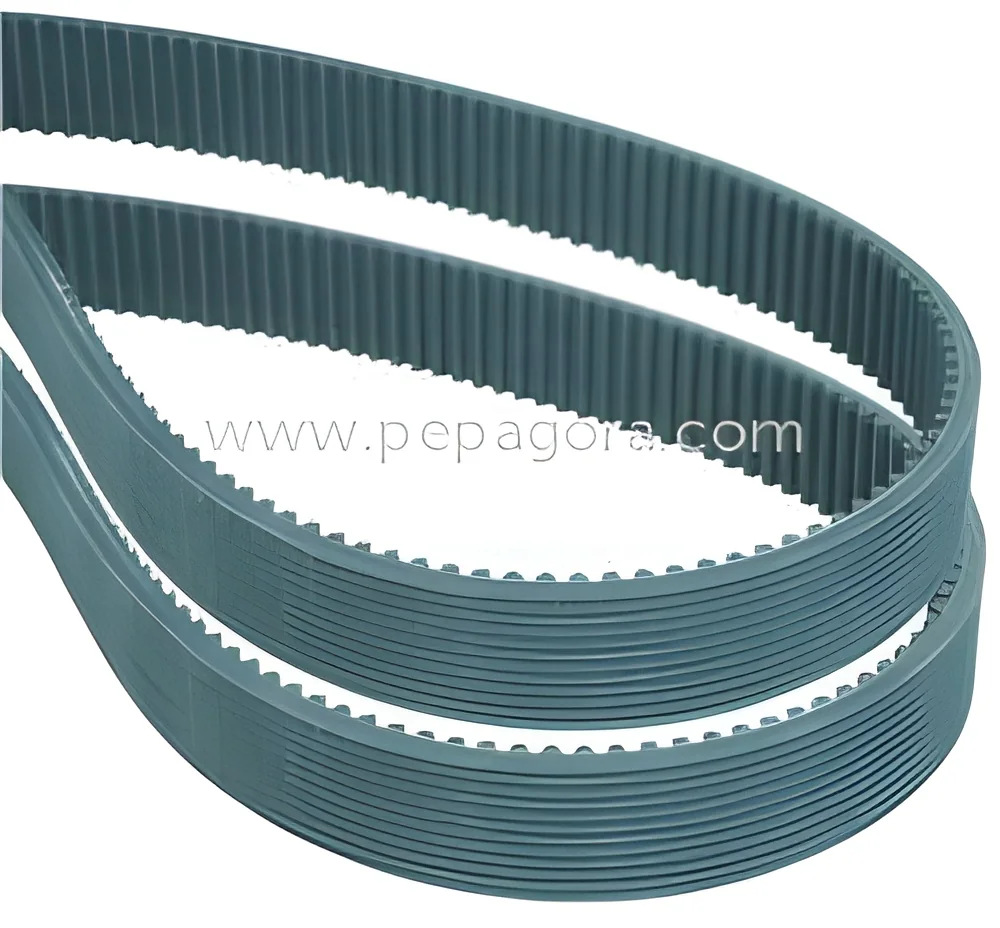
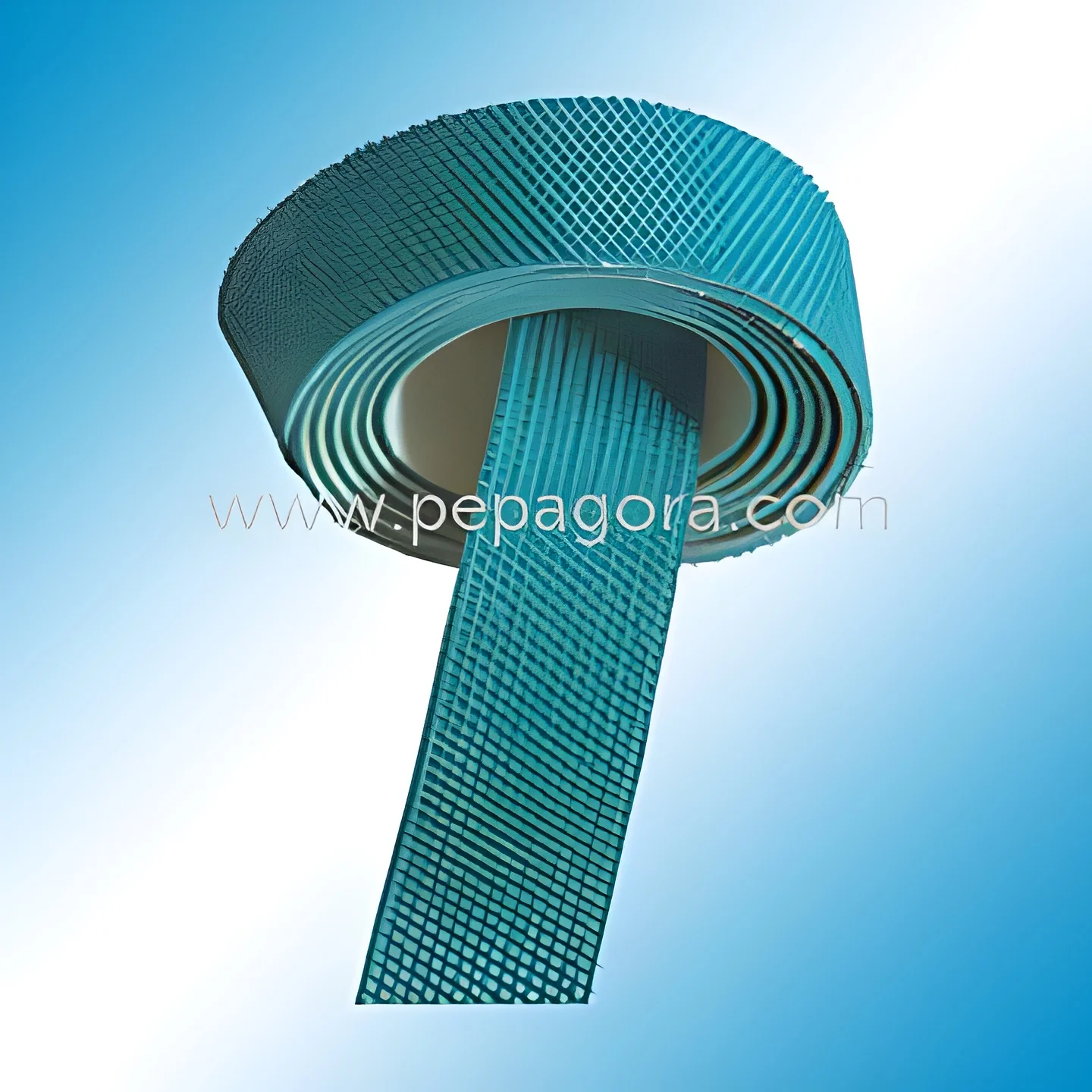
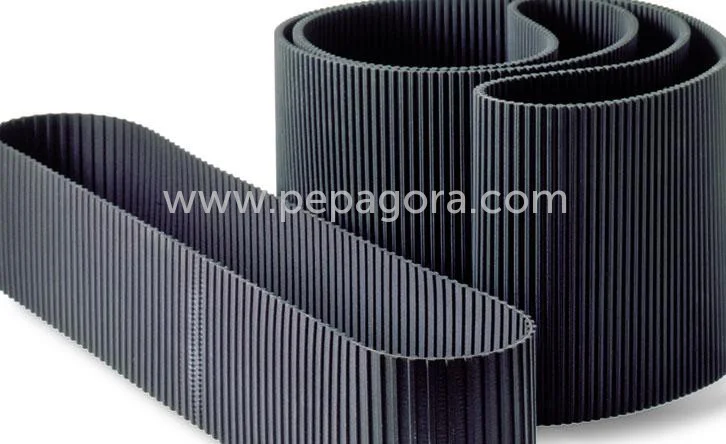
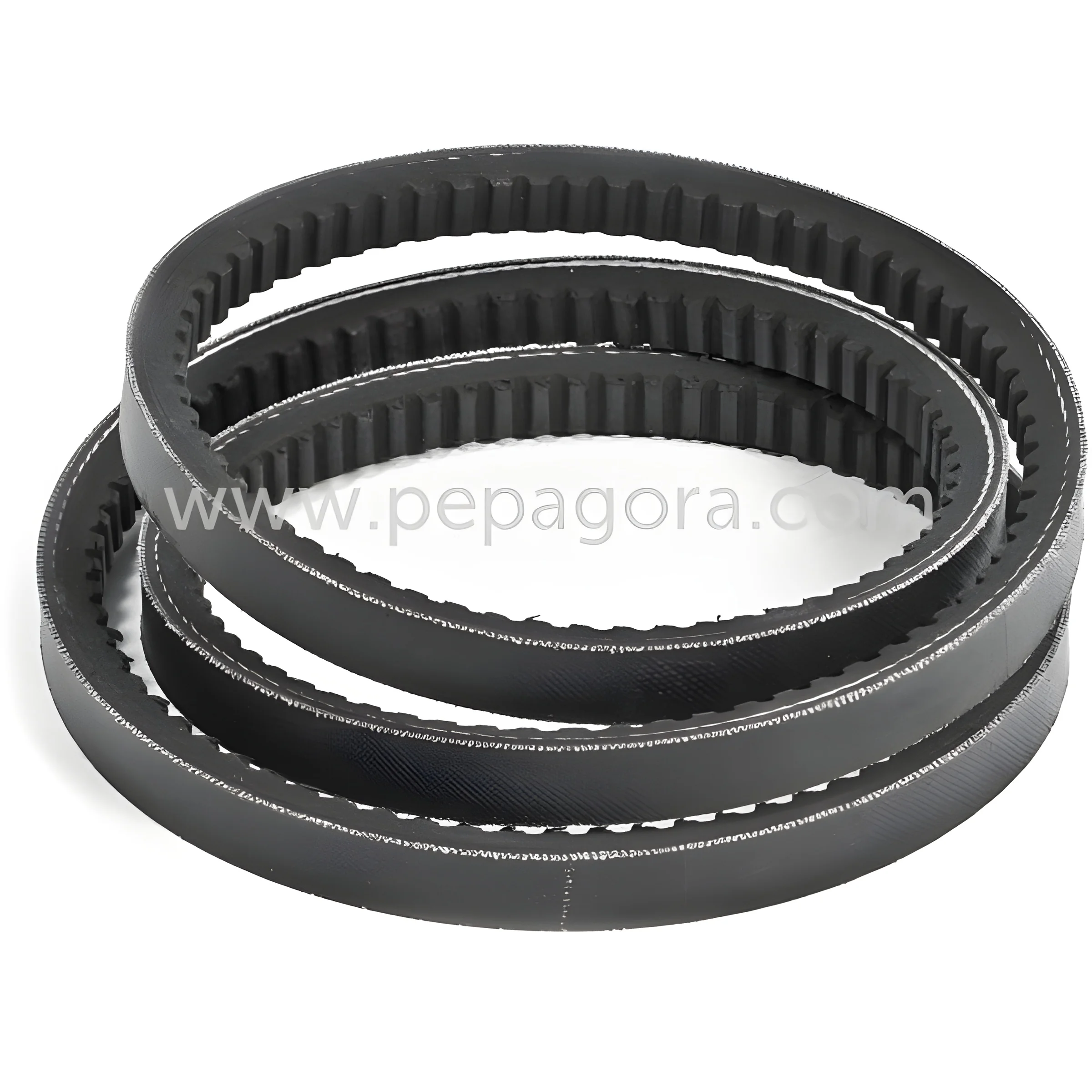
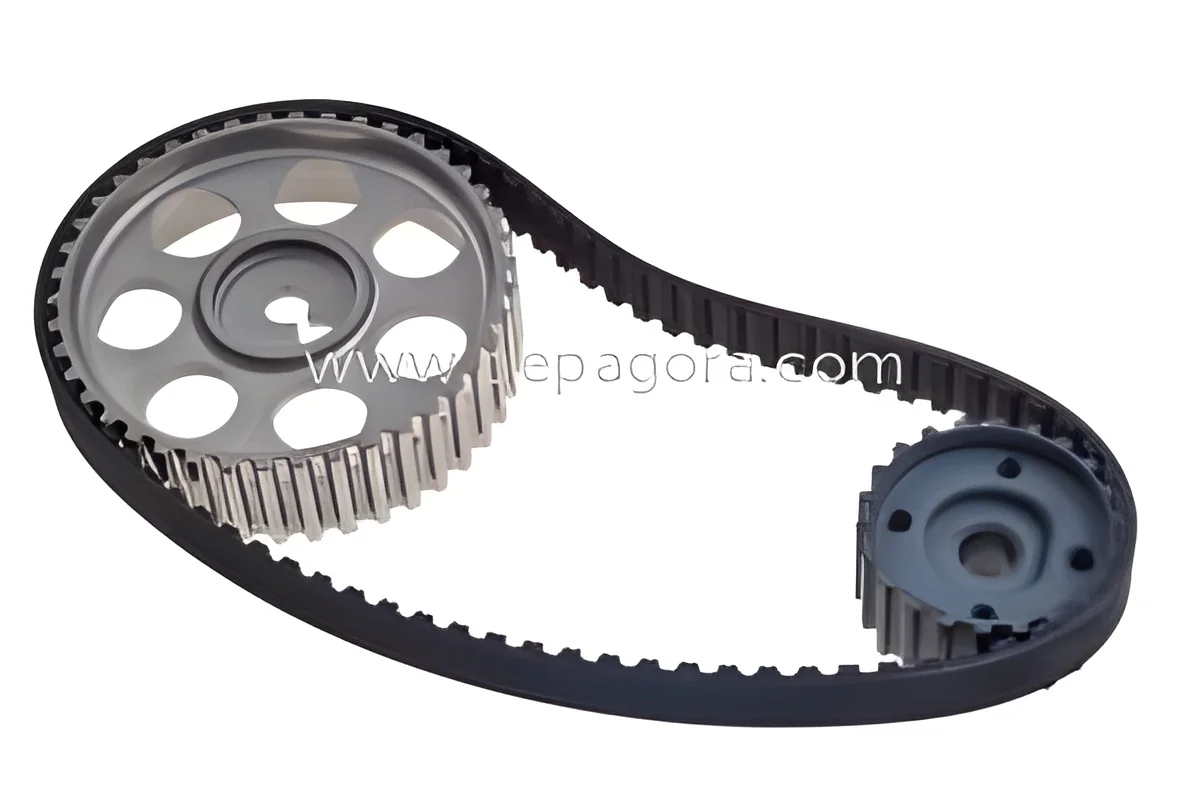
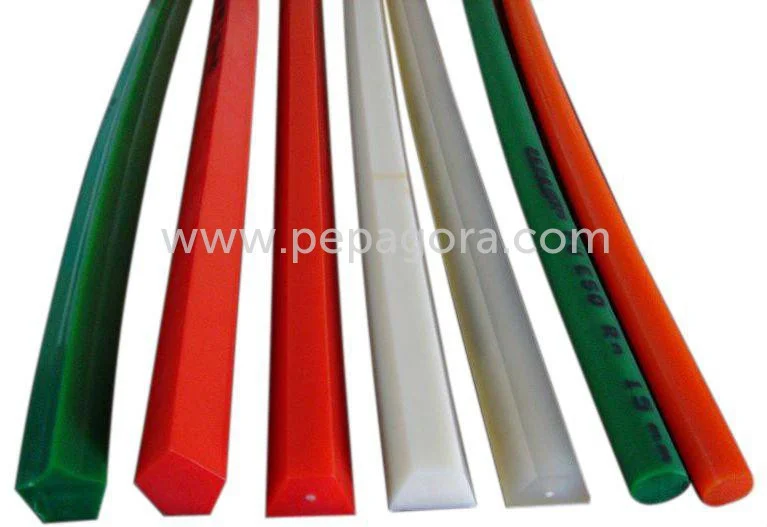
The Industrial Oil Resistant Rubber Standard Timing Belt represents a reliable solution for power transmission in industrial environments where exposure to oils and lubricants is inevitable. Manufactured from high-quality rubber specifically formulated to resist degradation from petroleum-based substances, these timing belts maintain their structural integrity and performance characteristics even when operating in contaminated conditions. The standard design ensures broad compatibility with existing machinery, providing a dependable component that delivers precise synchronization and consistent power transfer. This combination of material resilience and engineering precision makes these belts essential for operations where downtime is costly and reliability is non-negotiable.

These timing belts serve critical functions across multiple industrial sectors where precision and durability are paramount. In automotive manufacturing, they ensure accurate timing in engine systems and reliable...
The Industrial Oil Resistant Rubber Standard Timing Belt represents a reliable solution for power transmission in industrial environments where exposure to oils and lubricants is inevitable. Manufactured from high-quality rubber specifically formulated to resist degradation from petroleum-based substances, these timing belts maintain their structural integrity and performance characteristics even when operating in contaminated conditions. The standard design ensures broad compatibility with existing machinery, providing a dependable component that delivers precise synchronization and consistent power transfer. This combination of material resilience and engineering precision makes these belts essential for operations where downtime is costly and reliability is non-negotiable.

These timing belts serve critical functions across multiple industrial sectors where precision and durability are paramount. In automotive manufacturing, they ensure accurate timing in engine systems and reliable operation of assembly line conveyors. The packaging industry utilizes them in bottling, sealing, and labeling machinery where consistent speed synchronization is essential for production quality. Food processing facilities benefit from their oil-resistant properties in conveyor systems and processing equipment. Heavy manufacturing operations rely on these belts for precise power transmission in production machinery, while agricultural equipment manufacturers incorporate them into heavy-duty machinery that operates in challenging conditions with exposure to hydraulic fluids and lubricants.

The business value of these oil-resistant rubber timing belts extends beyond their technical specifications to deliver tangible operational advantages. Companies implementing these components experience reduced maintenance requirements and extended service intervals due to the material's resistance to common industrial contaminants. The standard design facilitates easy integration with existing equipment, minimizing installation time and ensuring compatibility across various machinery platforms. This reliability translates into improved production uptime, consistent output quality, and reduced operational costs associated with premature belt failure. For equipment operators and maintenance teams, these belts provide confidence in performance, knowing they can withstand the challenging conditions typical of industrial environments.

Key Features:
- Oil-resistant rubber construction that maintains integrity when exposed to lubricants
- Standard timing belt design ensuring compatibility with industrial machinery
- High tensile strength for durability and reliable load transmission
- Precision engineering for accurate synchronization in power transmission
- Durable material composition resistant to common industrial contaminants

Benefits:
- Extended service life in oil-exposed environments reducing replacement frequency
- Reliable performance ensuring consistent machinery operation and output quality
- Reduced maintenance requirements and associated operational downtime
- Broad compatibility with existing industrial equipment and machinery
- Cost-effective solution through improved durability and reduced failure rates
Specifications
| Key Attributes | |
|---|---|
| Material | Rubber |
| Material Feature | Oil Resistant |
| Standardor Nonstandard | Standard |
| Type | Timing Belt |
| Additional Information | |
|---|---|
| Country of Origin | India |
Application
These oil-resistant rubber timing belts are engineered for precision power transmission where exposure to lubricants and industrial fluids is common. Their standard design ensures compatibility with a wide range of machinery, providing consistent performance in demanding operational conditions that require reliable synchronization and minimal maintenance.
Manufacturers across multiple sectors rely on these belts for critical applications where timing accuracy directly impacts production quality and efficiency. The oil-resistant material maintains integrity when exposed to common industrial contaminants, preventing degradation and ensuring long service life in challenging environments that would compromise ordinary belts.
- Automotive manufacturing assembly lines and engine timing systems
- Packaging machinery for bottling, sealing, and labeling operations
- Food processing conveyor systems and production equipment
- Industrial manufacturing equipment requiring precise synchronization
- Agricultural machinery power transmission in heavy-duty applications
Trade Details
| Available Stock | In Stock |
| Sample Availability | No |
Payment Terms
| Payment Terms |
|
Shipping & Logistics
| Port of Dispatch | Madurai |
Company Profile
MICROTURN INDUSTRIES, Tamil Nadu
 Tamil Nadu, India
Raw Materials & Chemicals•Manufacturer•Distributor / Wholesaler•Importer / Exporter
Factory Details
Factory SizeBelow 1000 sqm
Annual Production Capacity0
Main Markets
Eastern Asia
South Asia
Southeast Asia
Industrial Oil Resistant Rubber Standard Timing Belt
Industrial Oil Resistant Rubber Standard Timing Belt delivers reliable power transmission for machinery in automotive, packaging, and manufacturing. High-quality rubber construction ensures durability and performance in oil-exposed environments.
Min. Order Quantity: 1 piece
Shipping
Shipping fee and delivery date to be negotiated. Contact supplier now for more details.
MICROTURN INDUSTRIES
 Tamil Nadu, India
Raw Materials & ChemicalsManufacturer