IN
IN₹
Apparel & Fashion
Description
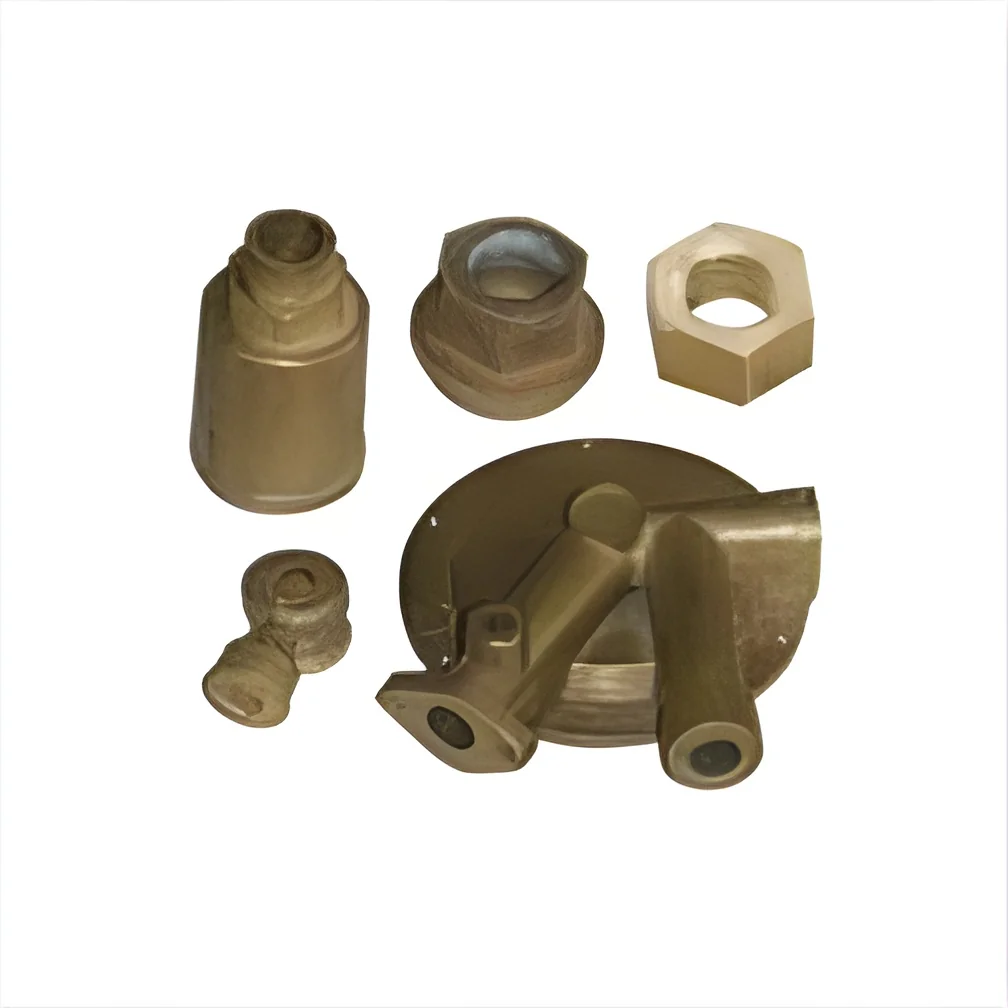
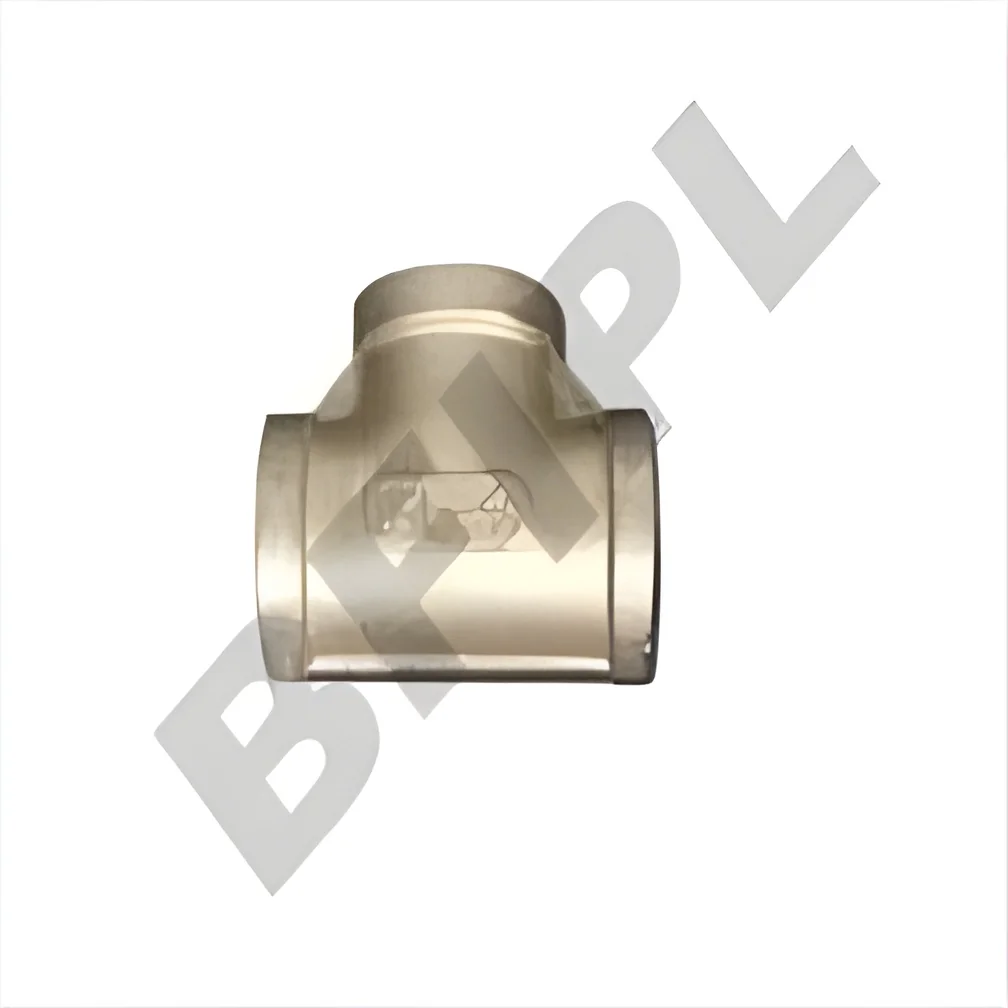
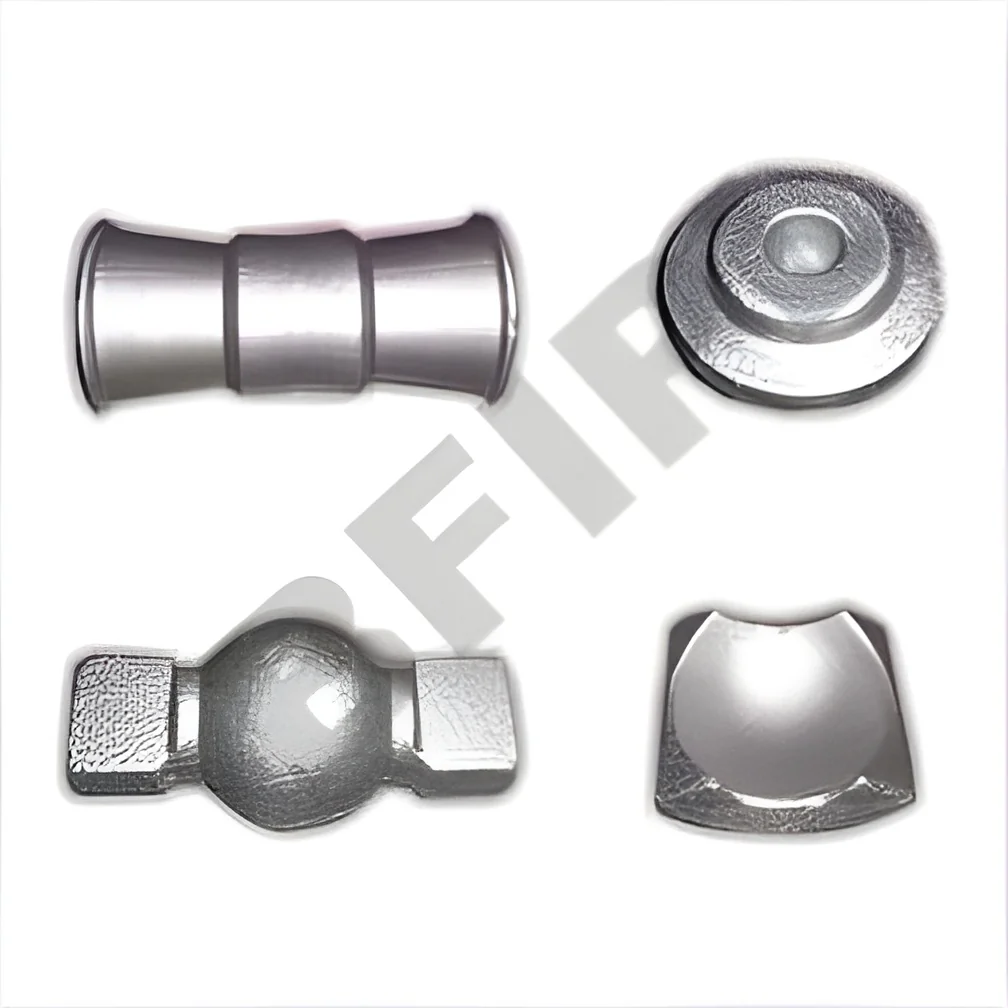
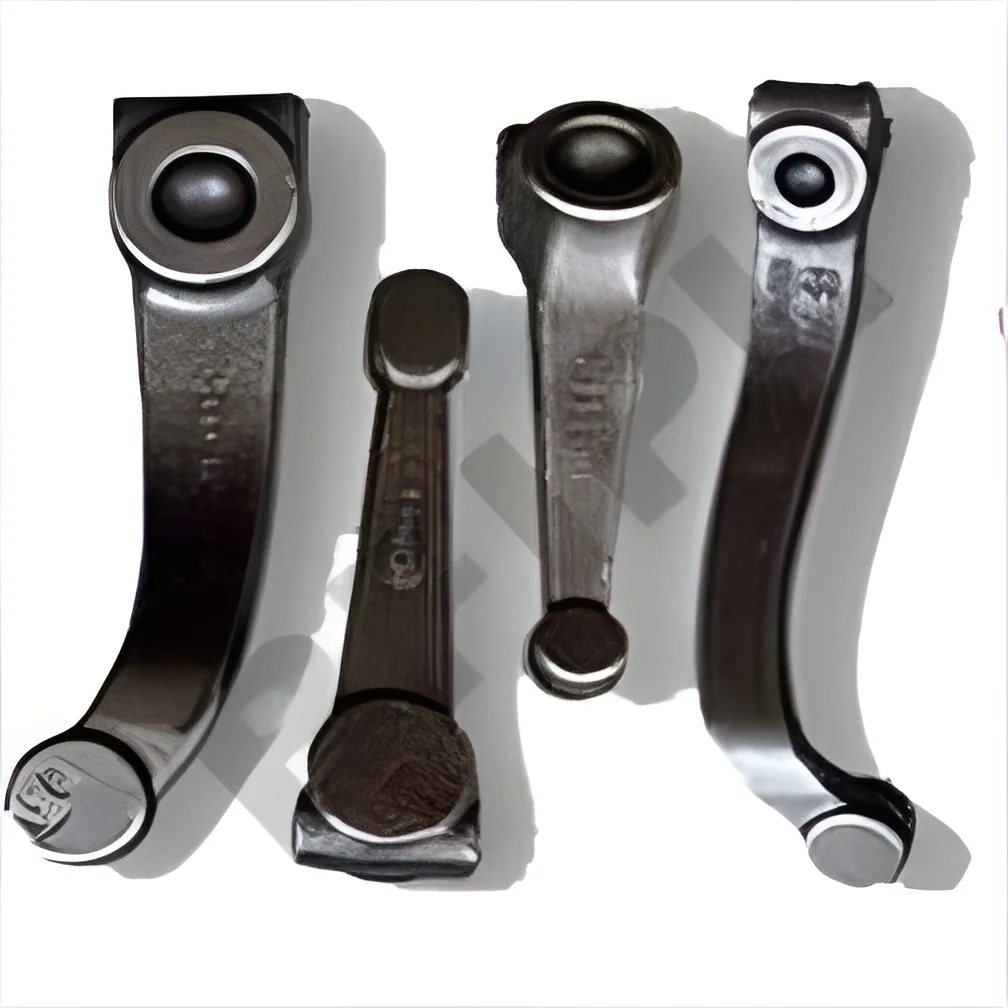
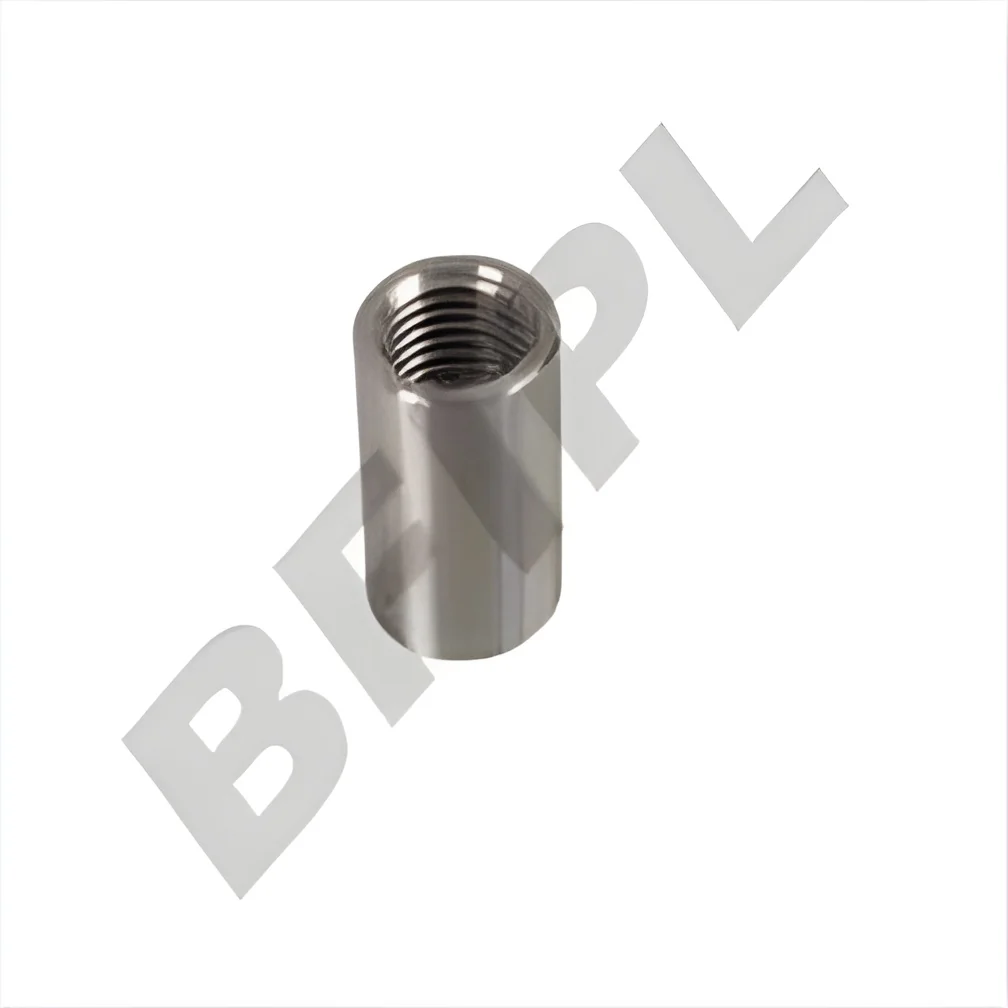
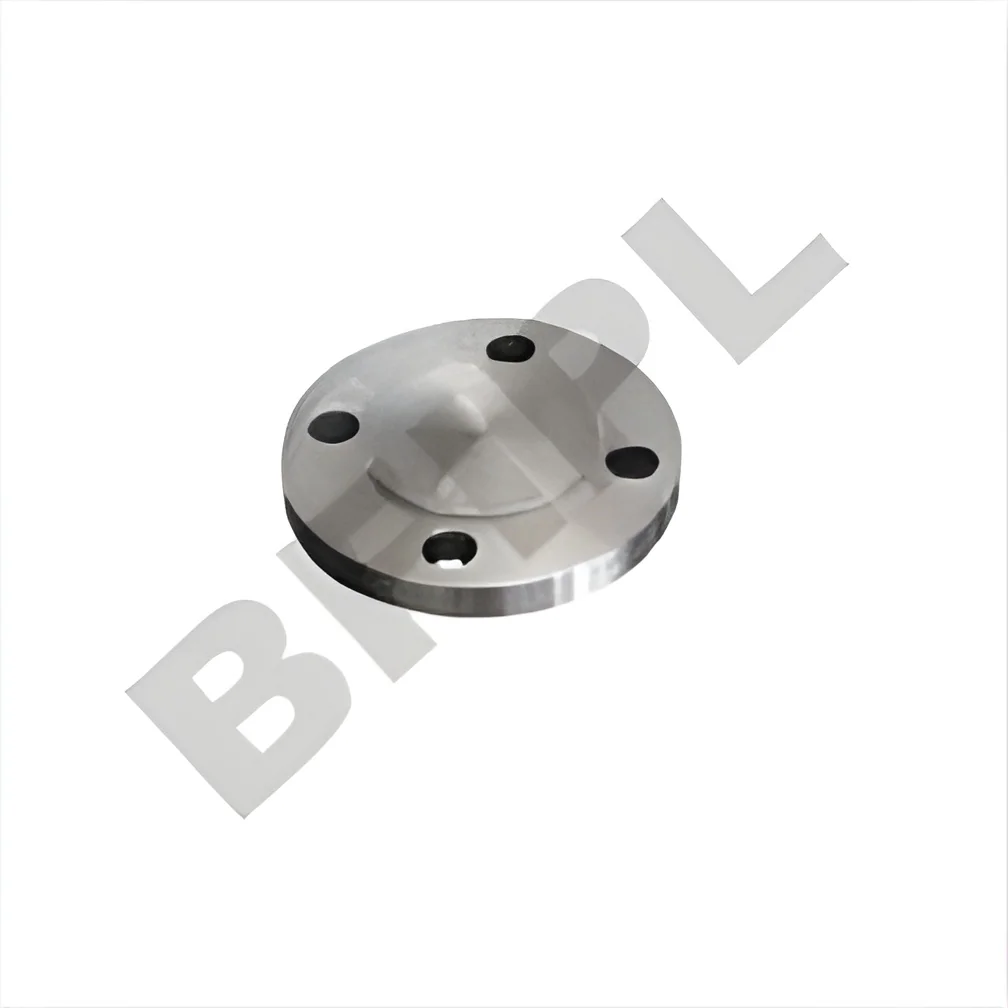
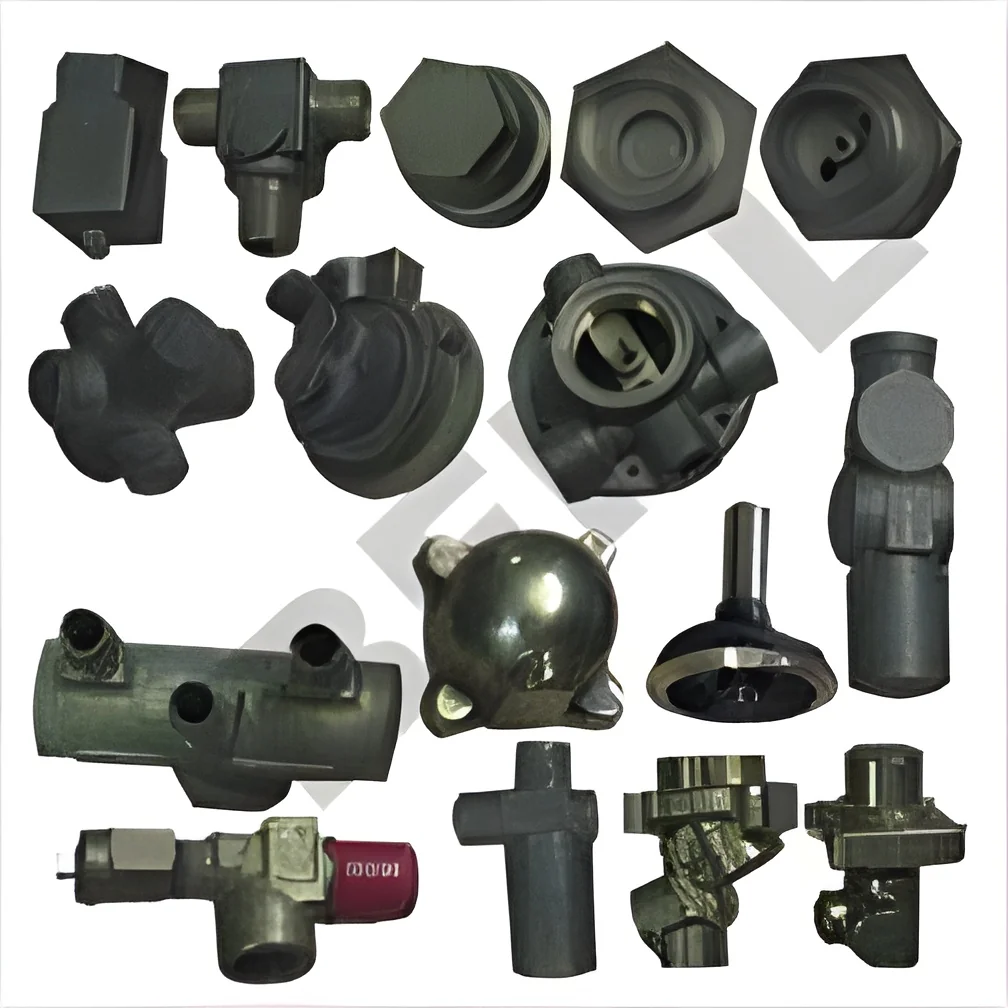
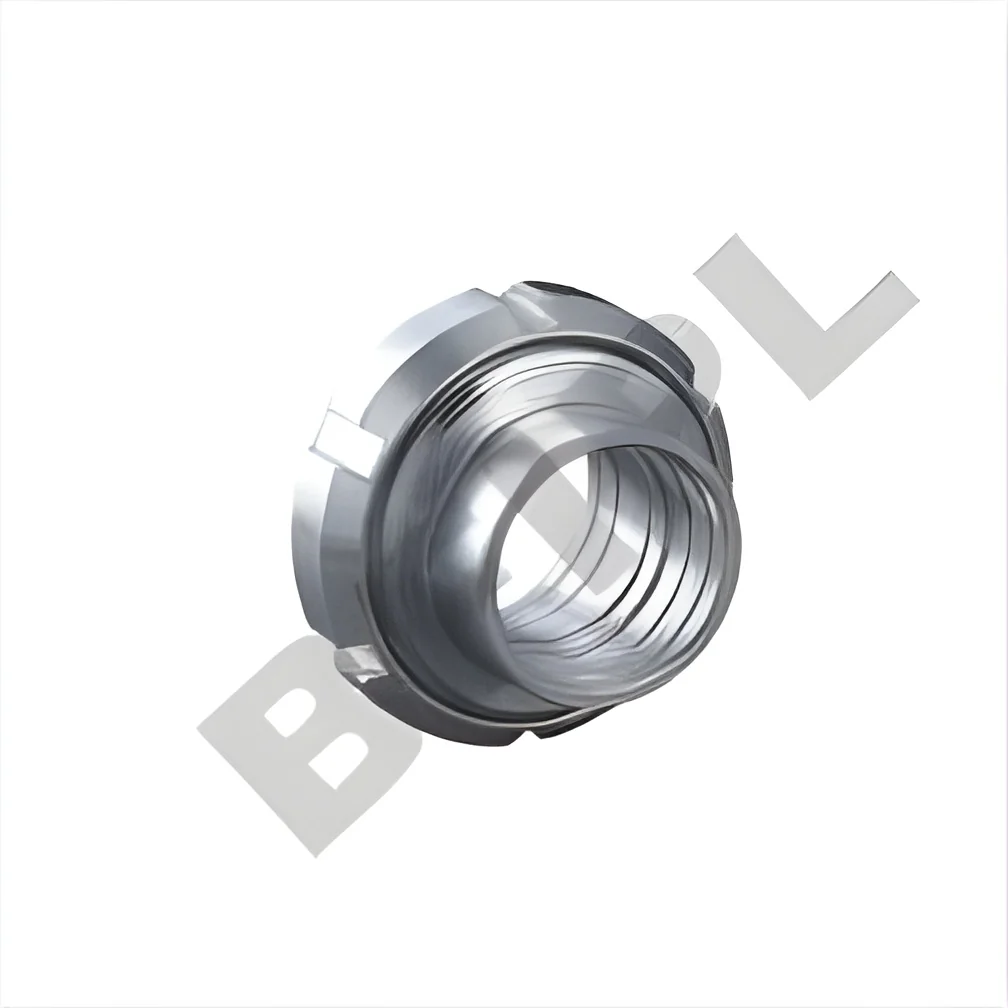
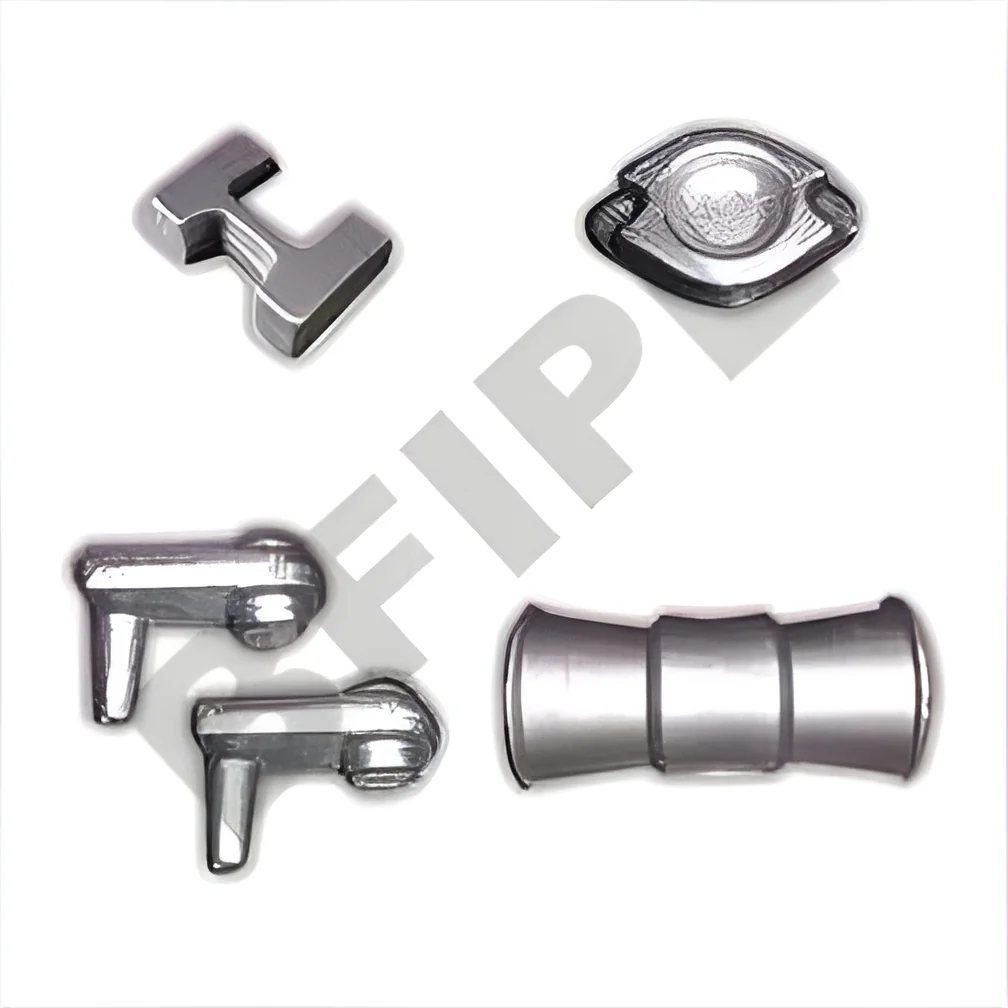
Industrial alloy steel forgings represent precision-engineered components manufactured through controlled forging processes that enhance material properties and structural integrity. These forgings undergo rigorous quality control measures to ensure consistent performance across all production batches. The manufacturing process aligns with standard specifications while accommodating custom dimensional requirements, providing manufacturers with components that integrate seamlessly into existing systems. The result is superior mechanical strength, improved fatigue resistance, and exceptional durability that significantly outperforms alternative manufacturing methods.

These alloy steel components serve critical functions across multiple industrial sectors where performance reliability is paramount. Heavy machinery manufacturers utilize them in equipment frames, moving parts, and structural elements that must withstand constant stress and impact loads. The automotive industry incorporates...
Industrial alloy steel forgings represent precision-engineered components manufactured through controlled forging processes that enhance material properties and structural integrity. These forgings undergo rigorous quality control measures to ensure consistent performance across all production batches. The manufacturing process aligns with standard specifications while accommodating custom dimensional requirements, providing manufacturers with components that integrate seamlessly into existing systems. The result is superior mechanical strength, improved fatigue resistance, and exceptional durability that significantly outperforms alternative manufacturing methods.

These alloy steel components serve critical functions across multiple industrial sectors where performance reliability is paramount. Heavy machinery manufacturers utilize them in equipment frames, moving parts, and structural elements that must withstand constant stress and impact loads. The automotive industry incorporates these forgings in powertrain components, suspension systems, and safety-critical elements where material failure would have severe consequences. Energy sector applications include turbine components, drilling equipment, and power transmission systems operating in demanding environments. Construction and mining equipment rely on these forgings for their ability to maintain integrity under extreme operational conditions and abrasive environments.

The strategic value of these alloy steel forgings extends beyond component procurement to operational excellence and cost management. Manufacturers benefit from reduced equipment downtime, lower maintenance costs, and extended service intervals due to the superior wear resistance and durability of these components. The standard specifications ensure compatibility and ease of integration, while the robust construction minimizes the risk of unexpected failures that could disrupt production schedules. Businesses achieve improved operational safety, reduced total cost of ownership, and enhanced equipment reliability that strengthens their competitive position in the marketplace.

Key Features:
- Alloy steel construction providing superior strength and impact resistance
- Standard specifications ensuring compatibility with industry equipment requirements
- Durable construction capable of withstanding extreme operational conditions
- Custom dimensions available to meet specific application needs
- OEM supply approach guaranteeing consistent quality and manufacturing traceability

Benefits:
- Extended component service life reducing replacement frequency and costs
- Enhanced operational reliability minimizing production downtime and maintenance
- Superior strength-to-weight ratio improving equipment performance and efficiency
- Standard specifications ensuring seamless integration with existing systems
- Consistent quality and manufacturing traceability supporting warranty and compliance needs
Specifications
| Key Attributes | |
|---|---|
| Forging Type | Steel Forging |
| Alloy Or Not | Alloy |
| Material | Steel |
| Condition | New |
| Standard Or Non Standard | Standard |
| Supply Type | OEM |
| Price | Negotiable |
| Dimension | As per Clients Request |
| Construction | Strong And Sturdy |
| Thickenss | As per Clients Request |
| Size | As Per Customer Requirement |
| Features | Functional efficiency and longevity |
| Additional Information | |
|---|---|
| Country of Origin | India |
Application
Our industrial alloy steel forgings provide critical strength solutions where reliability cannot be compromised. These components withstand extreme pressure, heavy loads, and demanding operational conditions while maintaining structural integrity throughout extended service life cycles. The material's superior mechanical properties ensure consistent performance in high-stress environments where component failure would result in significant operational downtime and safety concerns.
Manufacturers across multiple sectors depend on our alloy steel forgings for their most challenging applications. From automotive transmission systems to construction machinery and energy infrastructure, these components deliver the durability needed for continuous operation under strenuous conditions. The standard specifications ensure compatibility with existing equipment while the robust construction provides the resilience necessary for long-term operational efficiency and reduced maintenance requirements.
- Automotive transmission gears and engine components requiring high strength-to-weight ratios
- Construction equipment parts including bulldozer undercarriages and crane structural elements
- Aerospace landing gear components and structural supports demanding fatigue resistance
- Oil and gas industry valves, drilling equipment, and pipeline components for harsh environments
- Power generation turbine shafts, generator components, and energy transmission systems
Trade Details
| Available Stock | In Stock |
| Sample Availability | No |
Payment Terms
| Payment Terms |
|
Company Profile
Best Forging India(P) Ltd, Tamil Nadu
 Tamil Nadu, India
Tamil Nadu, IndiaTools & Hardware•Manufacturer•Distributor / Wholesaler•Importer / Exporter
Factory Details
Factory Size1000-5000 sqm
No. of Production Lines3
Annual Production Capacity0 a:1:{i:0;s:4:"Tons";}
Main Markets
Mid East
Eastern Asia
South Asia
Southeast Asia
Industrial Alloy Steel Forging OEM Standard Strong Durable
Industrial alloy steel forgings deliver OEM-standard strength and durability for heavy machinery applications. These custom-sized components offer superior construction and long functional life for demanding industrial environments.
Min. Order Quantity: 5 Pieces
Shipping
Shipping fee and delivery date to be negotiated. Contact supplier now for more details.
Best Forging India(P) Ltd
 Tamil Nadu, India
Tamil Nadu, IndiaTools & HardwareManufacturer