IN
INundefined
Apparel & Fashion
Loading subcategories...
View More
Description
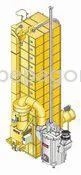
The agricultural biomass grain dryer represents a sustainable and efficient technological solution for post-harvest grain management. By utilizing readily available agricultural wa...
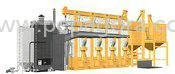
The agricultural biomass grain dryer represents a sustainable and efficient technological solution for post-harvest grain management. By utilizing readily available agricultural waste—such as rice husk, corn cobs, coconut shells, wood chips, or coffee hulls—as its primary thermal fuel, this system provides a cost-effective and eco-conscious alternative to fossil fuel-dependent dryers. Its core operation involves a dedicated biomass furnace that generates clean, indirect hot air, ensuring thorough and uniform drying without any risk of contaminating the grains with smoke, ash, or tar. Engineered for robust performance and reliability, this dryer is built to handle significant capacities, making it an indispensable asset for commercial operations focused on reducing energy expenses and minimizing environmental impact while maintaining superior product quality.

This dryer finds extensive application across the agricultural and food processing sectors. It is the equipment of choice for grain mills, large farming enterprises, cooperatives, and export-oriented agribusinesses that process staples like rice, wheat, maize, pulses, and various oilseeds. The system is specifically advantageous in geographic regions with high agricultural output, where biomass waste is plentiful and often underutilized. By enabling businesses to convert this local waste into a valuable source of thermal energy, the dryer addresses two critical challenges simultaneously: efficient waste management and reduction of drying operational costs. This dual benefit supports business sustainability, improves competitiveness, and helps processors meet stringent quality standards required for both domestic markets and international export.

The inherent business value of this biomass grain dryer is anchored in its proven reliability, substantial operational savings, and straightforward suitability for high-volume processing. The most significant financial advantage comes from the drastic reduction in fuel costs, as it replaces expensive diesel, LPG, or electricity with low-cost or even free biomass materials. This translates to a rapid return on investment and lower cost-per-ton of dried grain. Furthermore, its durable construction and simple, effective design ensure long service life with minimal maintenance requirements, providing a dependable workflow essential for continuous operation. The system's efficient heat transfer and uniform air distribution guarantee consistent drying results batch after batch, protecting your grain quality and your business reputation. This combination of economic efficiency, operational reliability, and consistent performance makes it a prudent and strategic investment for serious buyers dedicated to enhancing productivity and building a more sustainable operation.

Key Features:
- Operates on multiple biomass fuels including rice husk, corn cobs, coconut shells, wood chips, and coffee hulls.
- Features an indirect heating system that completely separates combustion gases from the drying air, preventing grain contamination.
- Engineered for high-capacity drying with advanced airflow design for uniform temperature distribution across the grain bed.
- Constructed with durable, corrosion-resistant materials for long-term reliability in demanding agricultural environments.
- Designed with operational simplicity in mind, facilitating easy loading, unloading, and routine maintenance.

Benefits:
- Drastically reduces drying operational costs by utilizing low-cost or waste biomass fuels instead of conventional energy sources.
- Delivers contamination-free drying, preserving the taste, color, and nutritional quality of rice, maize, wheat, and pulses.
- Provides a sustainable solution by converting agricultural waste into useful energy, supporting environmental responsibility.
- Ensures consistent and efficient drying performance for high-volume batches, improving throughput and processing reliability.
- Offers a robust and dependable system built for continuous use, minimizing downtime and ensuring a steady supply of dried grain.
Specifications
| Additional Information | |
|---|---|
| Country of Origin | India |
| Customisable | No |
Application
This biomass grain dryer is engineered for agricultural processors and large-scale farms requiring a sustainable and economical drying system. It efficiently processes grains like rice, maize, wheat, and pulses by converting biomass waste into thermal energy, significantly reducing reliance on expensive conventional fuels and lowering overall operational costs while preserving grain integrity.

Perfect for grain milling facilities, food processing plants, and agricultural cooperatives, this dryer ensures consistent, high-volume batch processing with uniform heat distribution. It is particularly valuable in regions with abundant agricultural by-products, allowing businesses to transform waste into a valuable resource for drying operations, thereby enhancing both profitability and environmental stewardship.
- Drying harvested rice paddy to achieve safe moisture levels suitable for long-term storage and subsequent milling processes.
- Processing maize and corn crops post-harvest to effectively prevent mold growth and spoilage, ensuring market-ready quality.
- Preparing wheat grains for secure storage or for further processing in flour and bakery ingredient production lines.
- Drying various pulses and legumes to maintain nutritional quality, extend shelf life, and prepare them for packaging and distribution.
- Handling oilseeds and specialty crops like coffee beans to ensure precise moisture content is met for optimal market value and readiness.
Trade Details
| Available Stock | In stock |
| Sample Availability | No |
Payment Terms
| Payment Terms |
|
Company Profile
Peekay Farm Equipments India Pvt Ltd, New Delhi
 New Delhi, India
New Delhi, IndiaFood & Agriculture•Manufacturer
Factory Details
Factory SizeBelow 1000 sqm
Annual Production Capacity0
Agricultural Biomass Grain Dryer For Rice Maize Wheat Pulses
Agricultural biomass grain dryer efficiently dries rice, maize, wheat, and pulses using rice husk, corn cobs, or wood chips as thermal fuel. This eco-friendly solution ensures contamination-free, high-quality output for cost-effective grain processing.
Min. Order Quantity: 1 units
Shipping
Shipping fee and delivery date to be negotiated. Contact supplier now for more details.
Peekay Farm Equipments India Pvt Ltd New Delhi, India
New Delhi, IndiaFood & AgricultureManufacturer