IN
₹
Apparel & Fashion
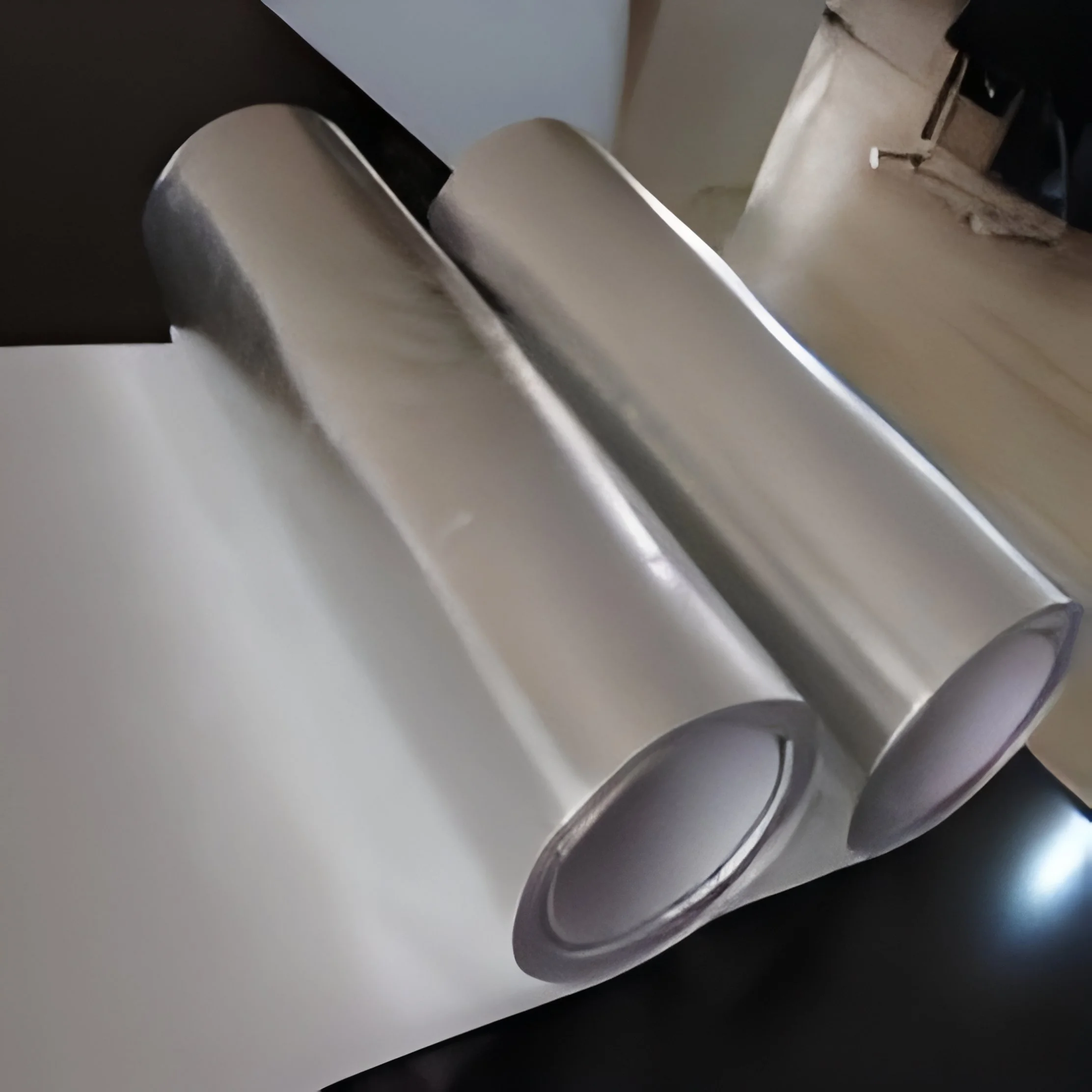
Description
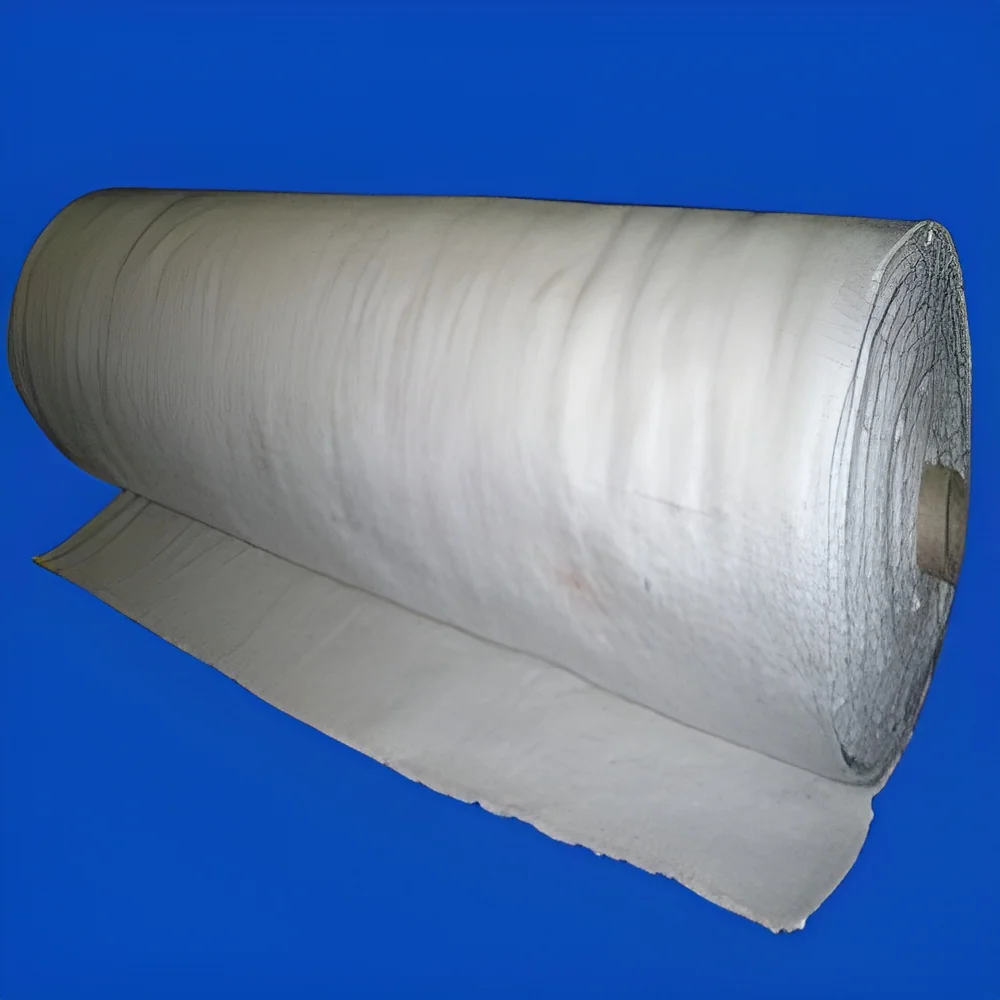
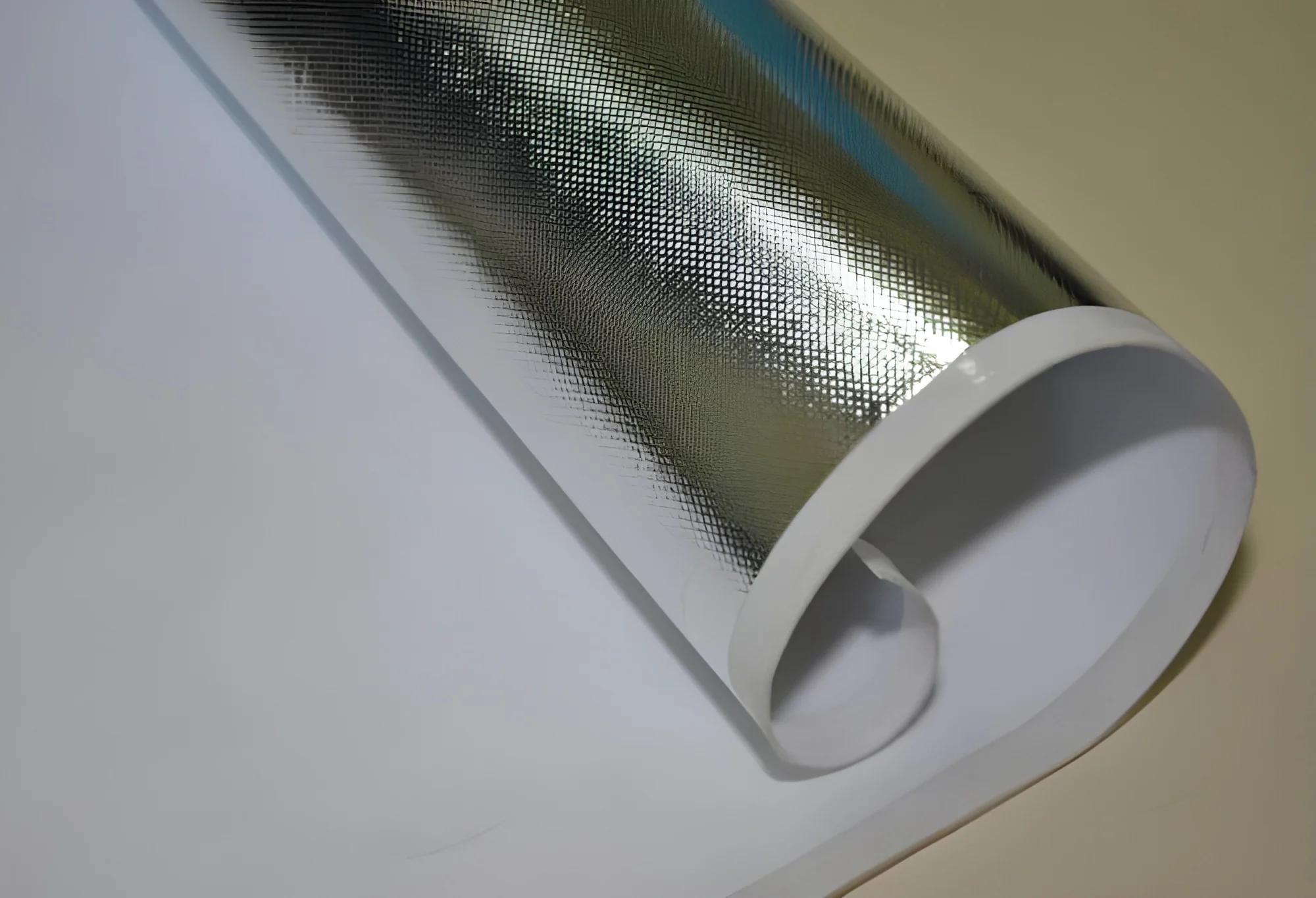
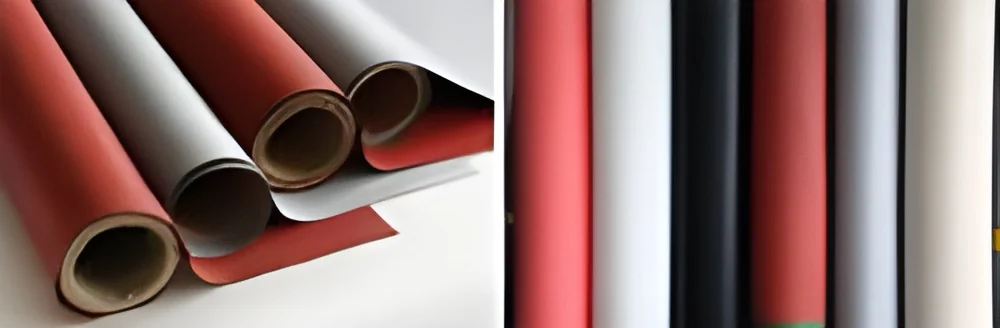
Industrial bellows and expansion joint fabrics are engineered materials designed specifically for applications requiring reliable performance under extreme thermal conditions and mechanical stress. These fabrics provide essential flexibility in systems where thermal expansion, vibration, and structural movement must be accommodated without compromising integrity. Available in aluminized fabrics for temperatures from 100-350°C and silicone-coated fiberglass for 200-450°C ranges, they offer solutions tailored to different operational requirements. Their construction ensures they maintain sealing capabilities and structural function while absorbing movements that would otherwise cause system failure, leaks, or equipment damage.

These materials serve critical functions across multiple industrial sectors. In power generation, they are used in steam and water piping expansion joints to handle thermal cycling. Chemical processing facilities rely on them for reactor and piping systems where a...
Industrial bellows and expansion joint fabrics are engineered materials designed specifically for applications requiring reliable performance under extreme thermal conditions and mechanical stress. These fabrics provide essential flexibility in systems where thermal expansion, vibration, and structural movement must be accommodated without compromising integrity. Available in aluminized fabrics for temperatures from 100-350°C and silicone-coated fiberglass for 200-450°C ranges, they offer solutions tailored to different operational requirements. Their construction ensures they maintain sealing capabilities and structural function while absorbing movements that would otherwise cause system failure, leaks, or equipment damage.

These materials serve critical functions across multiple industrial sectors. In power generation, they are used in steam and water piping expansion joints to handle thermal cycling. Chemical processing facilities rely on them for reactor and piping systems where aggressive media and temperature variations are common. Manufacturing plants incorporate them into exhaust systems and process equipment requiring high-temperature flexibility. The oil and gas industry utilizes these fabrics for pipeline compensation in transport systems, while industrial HVAC applications depend on them for reliable ducting connections that maintain efficiency despite thermal expansion and contraction.

The value proposition centers on reliability, durability, and operational continuity. These fabrics reduce maintenance costs and prevent unplanned downtime by withstanding harsh conditions that degrade ordinary materials. Their consistent performance extends equipment service life and prevents system failures that lead to production losses. The materials' quality ensures they meet the stringent requirements of industrial applications where safety and reliability are non-negotiable. For businesses operating demanding systems, these fabrics represent a cost-effective solution that enhances operational stability and reduces long-term ownership costs through superior durability and dependable performance.

Key Features:
- High-temperature resistance with two material options: aluminized fabrics (100-350°C) and silicone-coated fiberglass (200-450°C)
- Engineered flexibility to accommodate thermal expansion, vibration, and mechanical movement
- Durable construction with excellent tear resistance and long service life
- Reliable sealing performance that prevents leaks in demanding environments
- Consistent quality and performance standards suitable for critical industrial applications

Benefits:
- Prevents system failures and leaks by accommodating thermal expansion and movement
- Reduces maintenance costs and downtime through durable, long-lasting performance
- Enhances operational safety by maintaining system integrity under extreme conditions
- Extends equipment service life by protecting components from stress and wear
- Provides reliable performance that ensures continuous operation in demanding applications
Specifications
| Additional Information | |
|---|---|
| Country of Origin | India |
Application
These specialized fabrics are engineered to solve critical challenges in industrial systems where temperature fluctuations and mechanical movements occur. They maintain system integrity by absorbing thermal expansion, compensating for vibration, and preventing leaks in high-stress environments, ensuring continuous operation and safety across demanding applications.
Manufactured for reliability, these materials withstand extreme conditions while providing consistent performance. They serve as essential components in systems requiring durable flexibility, from power generation plants to chemical processing facilities, offering solutions that address the specific needs of industries where operational continuity depends on material resilience under thermal and mechanical stress.
- Expansion joints and compensators in power plant steam and water piping systems
- High-temperature ducting connectors for industrial HVAC and exhaust ventilation
- Movement compensation in chemical processing equipment and reactor piping
- Flexible connectors for automotive and industrial exhaust systems
- Pipeline expansion joints in oil, gas, and petrochemical transport infrastructure
Trade Details
| Available Stock | In Stock |
| Sample Availability | No |
Payment Terms
| Payment Terms |
|
Company Profile

Arar Impex, Maharashtra
 Maharashtra, India
Raw Materials & Chemicals•Manufacturer•Importer / Exporter
Factory Details
Factory SizeBelow 1000 sqm
Annual Production Capacity0
Industrial Bellows And Expansion Joint Fabrics For High Temperature Flexibility
Industrial bellows and expansion joint fabrics provide high-temperature flexibility (100-450°C) for thermal expansion and movement compensation in demanding industrial piping, ducting, and exhaust systems.
Min. Order Quantity: 1 unit
Shipping
Shipping fee and delivery date to be negotiated. Contact supplier now for more details.
Arar Impex
 Maharashtra, India
Raw Materials & ChemicalsManufacturer