IN
IN₹
Apparel & Fashion
Description
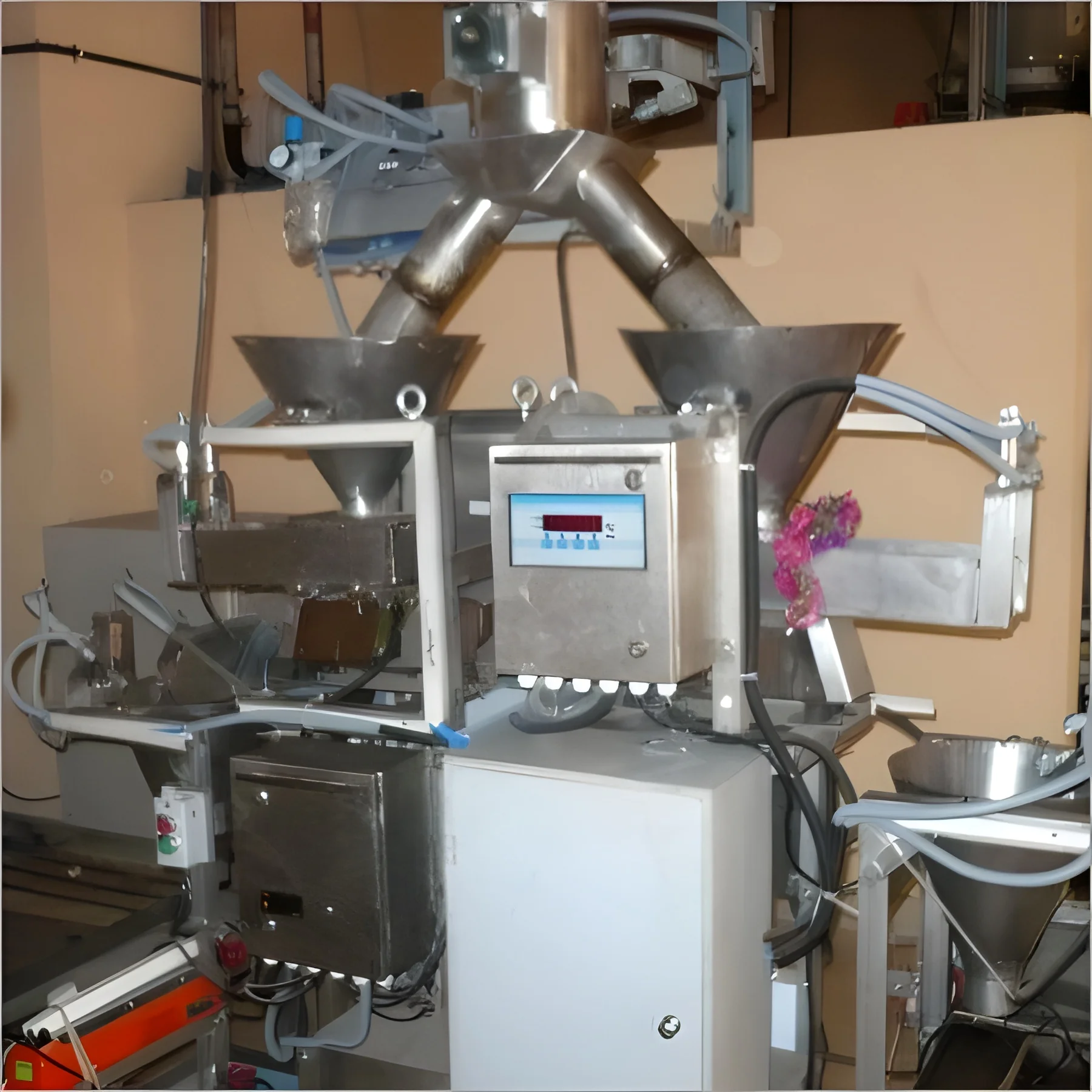
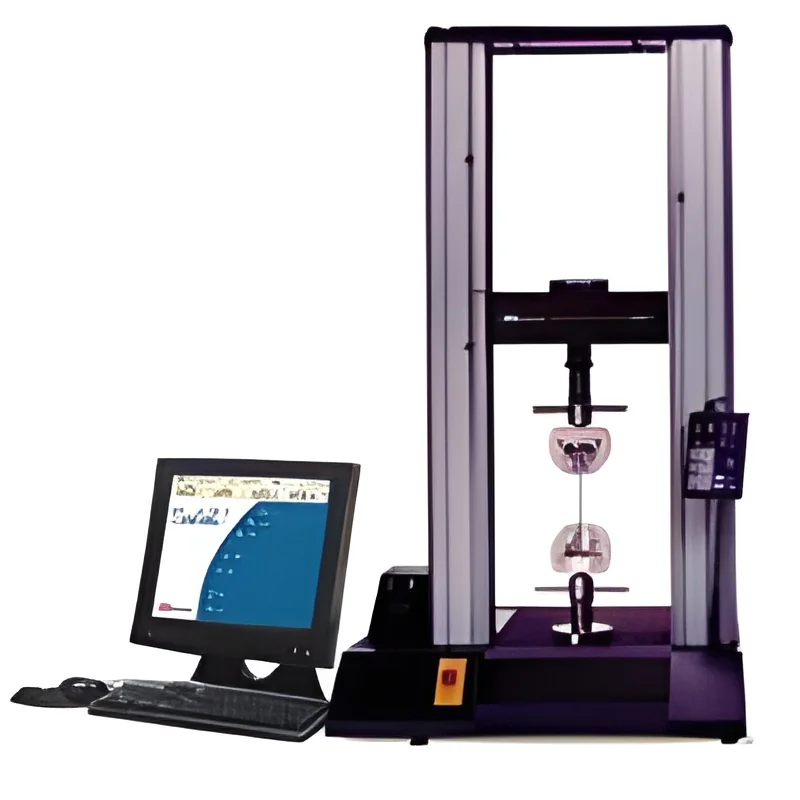
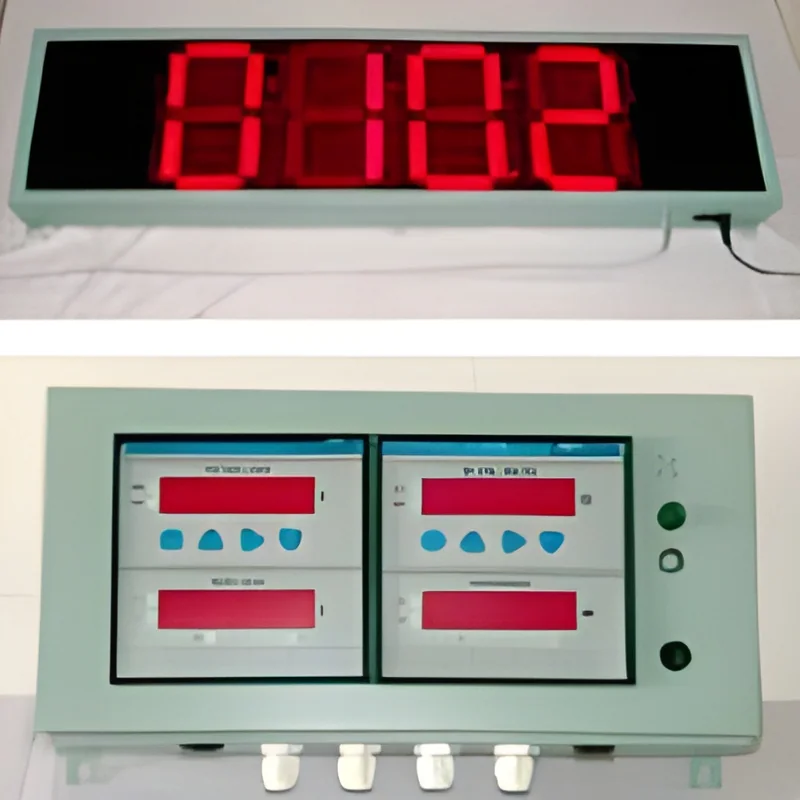
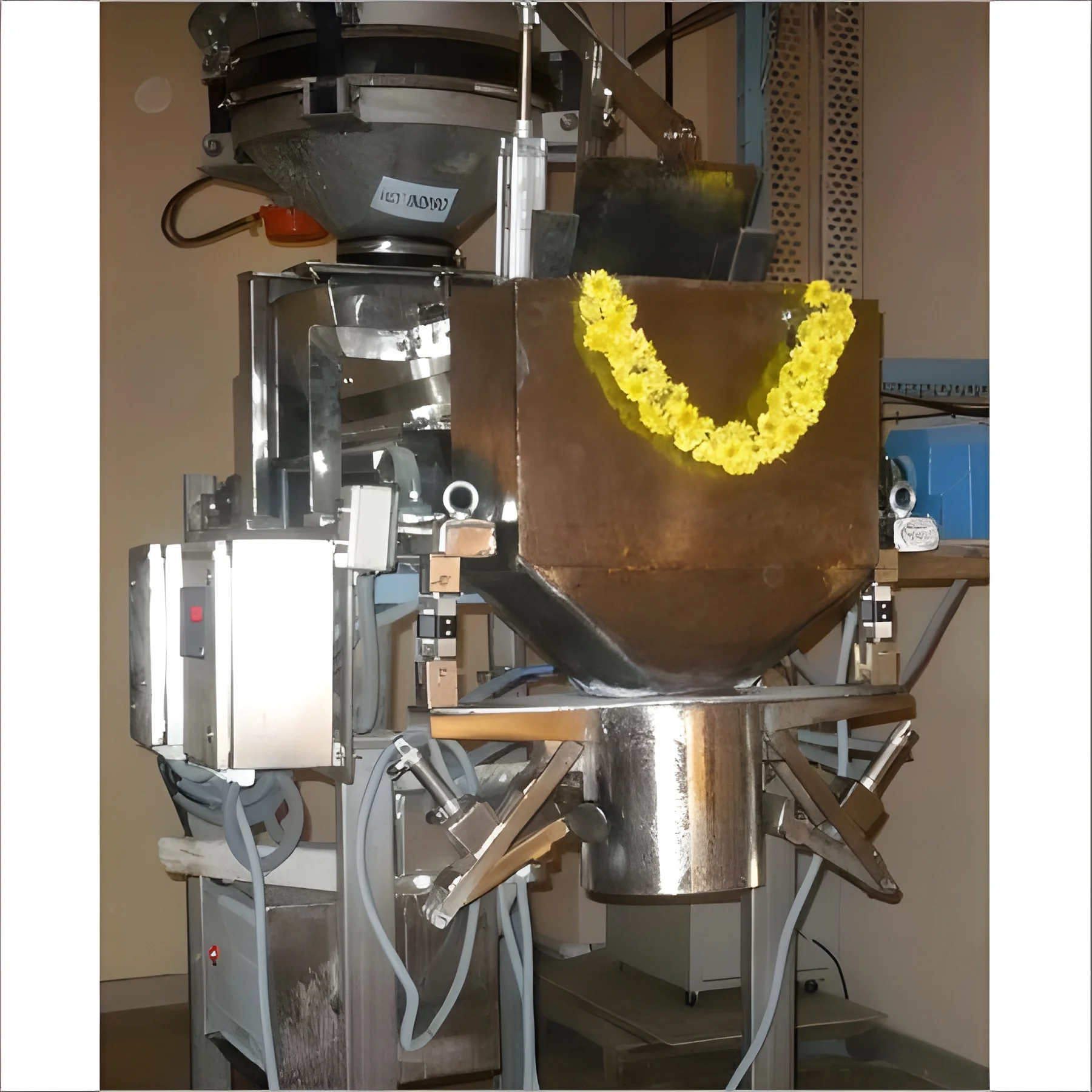
Industrial multicomponent batching systems represent advanced solutions for operations requiring precise control over material handling, weighing, and bagging processes. These sophisticated systems can be configured to handle any number of components and recipes, adapting seamlessly to both simple and highly complex production requirements. Depending on application complexity, the appropriate controller or PLC is carefully selected to ensure optimal accuracy, reliability, and system integration. Operation options span from manual to semi-automatic and fully automatic modes, all tailored to specific operational needs. Core functionalities include relay logic systems, mimic diagrams for visual monitoring, comprehensive safety interlocks, advanced data management capabilities, automatic ticket printing, inventory correction features, detailed status reports, historical data charts, and SCADA integration for centralized control. Built around microprocessor-based load cell electronic weighi...
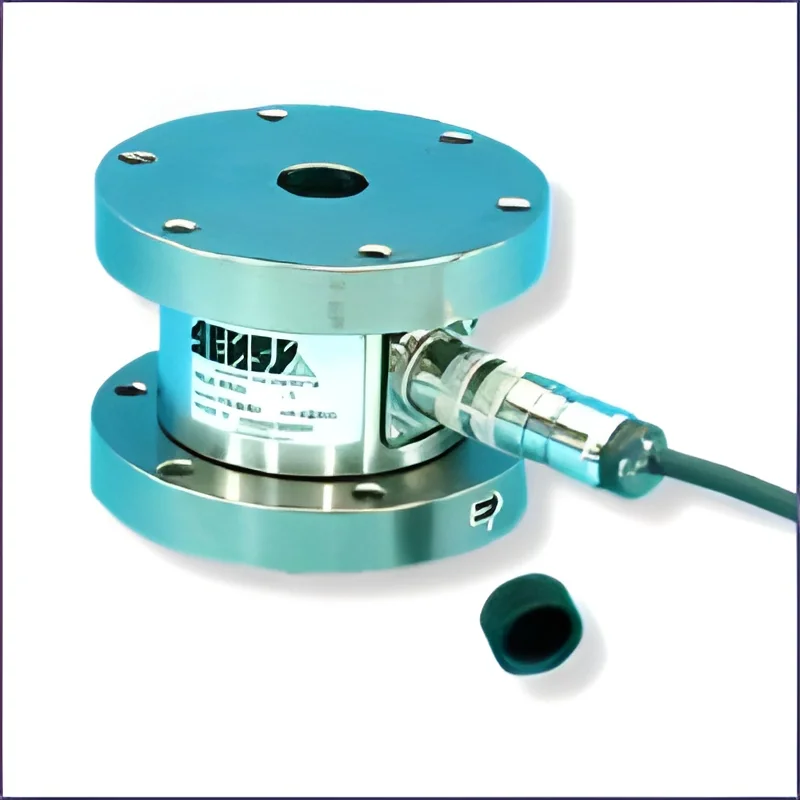
Industrial multicomponent batching systems represent advanced solutions for operations requiring precise control over material handling, weighing, and bagging processes. These sophisticated systems can be configured to handle any number of components and recipes, adapting seamlessly to both simple and highly complex production requirements. Depending on application complexity, the appropriate controller or PLC is carefully selected to ensure optimal accuracy, reliability, and system integration. Operation options span from manual to semi-automatic and fully automatic modes, all tailored to specific operational needs. Core functionalities include relay logic systems, mimic diagrams for visual monitoring, comprehensive safety interlocks, advanced data management capabilities, automatic ticket printing, inventory correction features, detailed status reports, historical data charts, and SCADA integration for centralized control. Built around microprocessor-based load cell electronic weighing technology with digital controllers, these systems deliver consistent performance and complete operational transparency.

These versatile batching and bagging machines serve numerous industries due to their precision and adaptability. In food and beverage manufacturing, they ensure accurate proportioning of ingredients such as flour, spices, and various additives while maintaining strict hygiene standards. Chemical and pharmaceutical producers depend on these systems for handling powders, granules, and liquid components with exact formulation adherence crucial for product quality and regulatory compliance. The construction industry utilizes these batching systems for precise measurement of cement, sand, and other building materials essential for consistent product quality. Agriculture and animal feed production benefit from accurate measurement of fertilizers and nutritional mixes that require specific formulation ratios. Additional significant users include plastics manufacturers, pigment producers, and composite material facilities where recipe accuracy and repeatability are fundamental to maintaining product integrity and meeting industry standards.

The business value of these multicomponent batching systems lies in their proven reliability, operational efficiency, and significant cost reduction capabilities. By automating the batching process, these systems substantially minimize human error while enhancing production speed and ensuring consistent output quality. This automation leads to reduced material waste, lower labor costs, and improved overall operational efficiency. The systems are constructed with robust components and comprehensive safety features, ensuring long-term durability and minimal operational downtime. Advanced customization options enable businesses to tailor equipment to specific workflow requirements, creating scalable solutions that grow with operational demands. With integrated features like sophisticated data management and detailed reporting capabilities, these systems provide valuable insights for continuous process optimization and precise inventory control, supporting informed decision-making and sustained operational excellence.

Key Features:
- Supports multiple components and recipes with flexible configuration options
- Choice of manual, semi-automatic, or fully automatic operation modes
- Microprocessor-based load cell electronic weighing with digital controller
- Integrated data management, automatic ticket printing, and real-time reporting
- Safety features including emergency interlocks, mimic diagrams, and relay logic

Benefits:
- Enhanced production accuracy through precise weighing and recipe control
- Reduced operational costs via automation and waste minimization
- Improved process efficiency with flexible operation modes
- Comprehensive safety protection with advanced interlock systems
- Valuable operational insights through data management and reporting
Specifications
| Additional Information | |
|---|---|
| Country of Origin | India |
Application
Our multicomponent batching systems deliver exceptional accuracy and flexibility across industrial sectors. They handle diverse materials including powders, granules, and liquid ingredients while maintaining precise recipe adherence and consistent batch quality. These systems are engineered for production environments where formulation accuracy, repeatability, and waste reduction are critical operational requirements.
These advanced bagging machines integrate seamlessly into both new and existing production lines. They support manual, semi-automatic, or fully automatic operation with comprehensive options for data management, safety interlocks, and real-time reporting capabilities. Industries including food processing, chemicals, pharmaceuticals, construction materials, and agriculture rely on these systems for efficient, scalable, and error-free batching operations that enhance productivity.
- Precisely batching and bagging cement, sand, and additives in construction material manufacturing facilities
- Automated weighing and packaging of flour, sugar, spices, and premixes in food processing plants
- Handling chemical powders, granules, and liquid ingredients in pharmaceutical and industrial chemical production
- Proportioning animal feed components and agricultural fertilizers with strict recipe compliance and accuracy
- Managing inventory and batch reporting for plastics, pigments, and composite materials in manufacturing operations
Trade Details
| Available Stock | In Stock |
| Sample Availability | No |
Payment Terms
| Payment Terms |
|
Company Profile
N R Enterprises, Maharashtra
 Maharashtra, India
Maharashtra, IndiaIndustrial Equipment & Machinery•Manufacturer•Importer / Exporter
Factory Details
Factory SizeBelow 1000 sqm
Annual Production Capacity0
Main Markets
South Asia
Industrial Multicomponent Batching Systems for Precise Weighing and Bagging
Industrial multicomponent batching systems deliver precise weighing and bagging for manufacturing. These reliable PLC-controlled systems support multiple recipes and automation levels for consistent output across diverse industrial applications.
Min. Order Quantity: 1 unit
Shipping
Shipping fee and delivery date to be negotiated. Contact supplier now for more details.
N R Enterprises
 Maharashtra, India
Maharashtra, IndiaIndustrial Equipment & MachineryManufacturer