IN
IN₹
Apparel & Fashion
Description
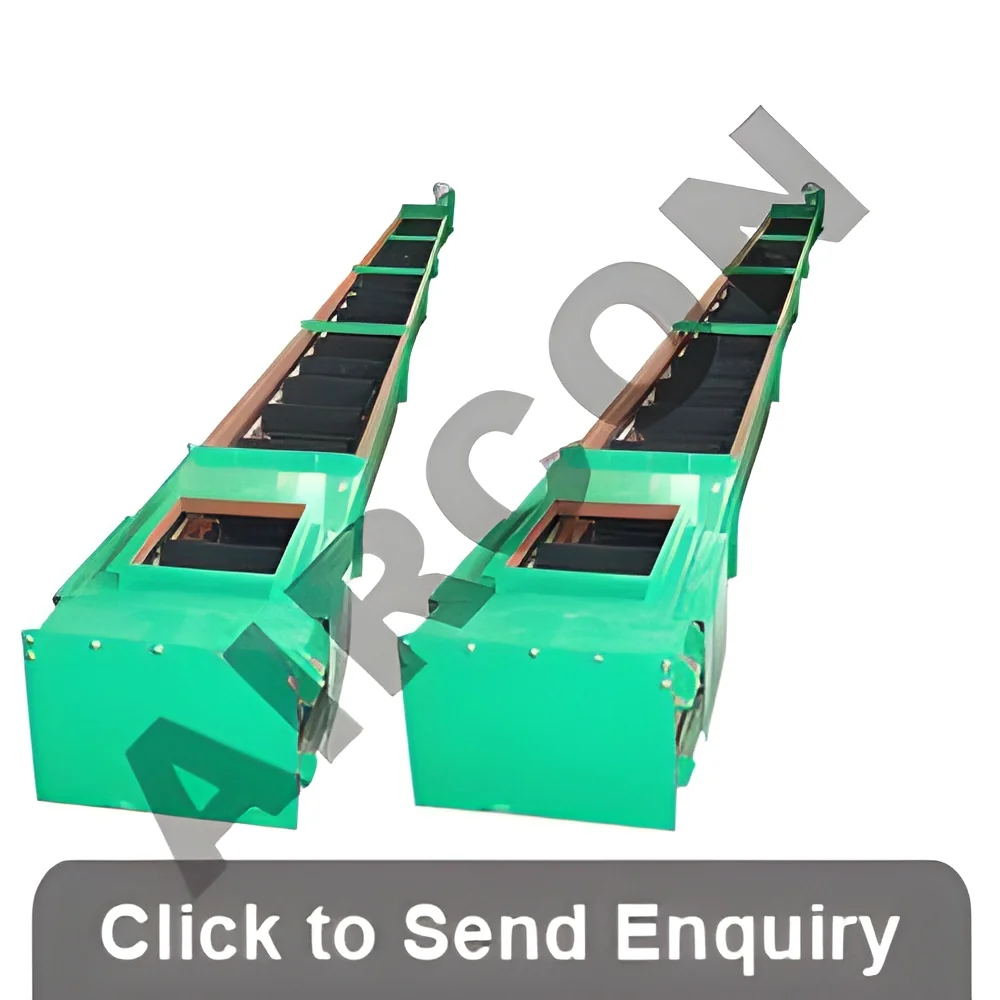
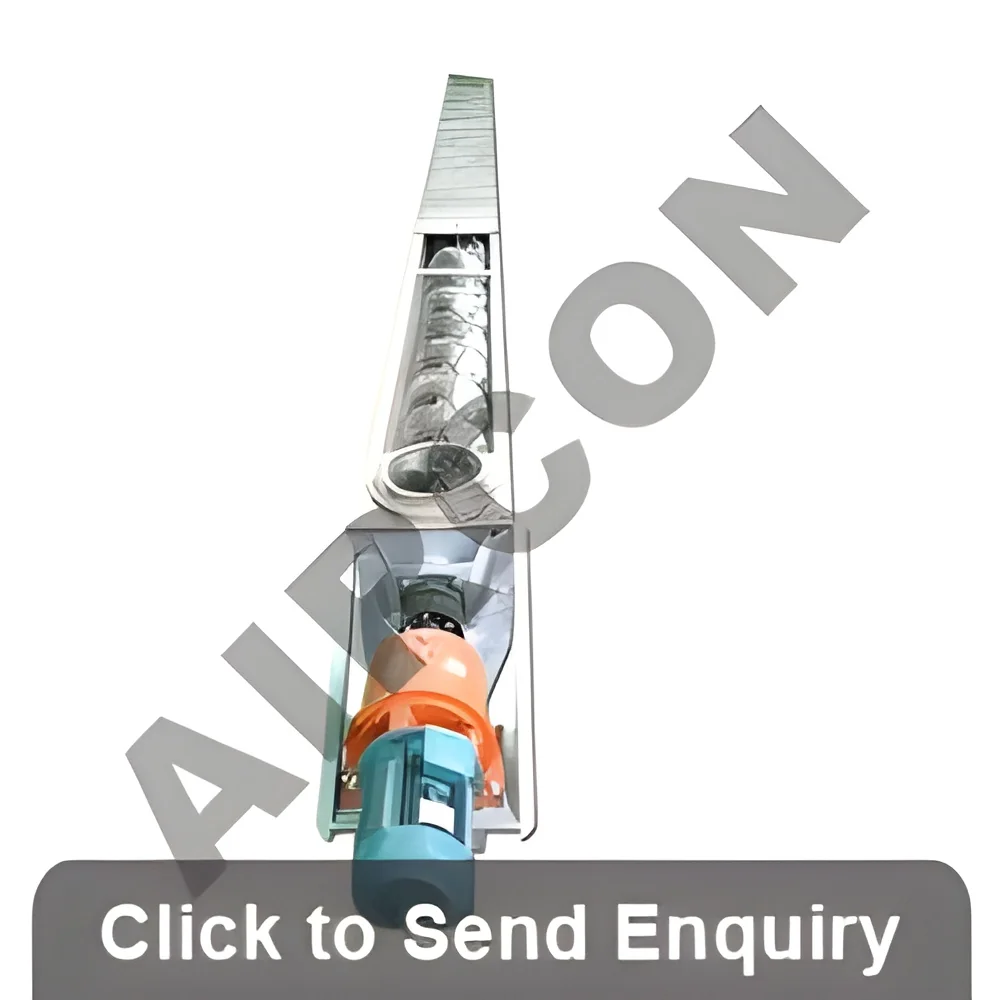
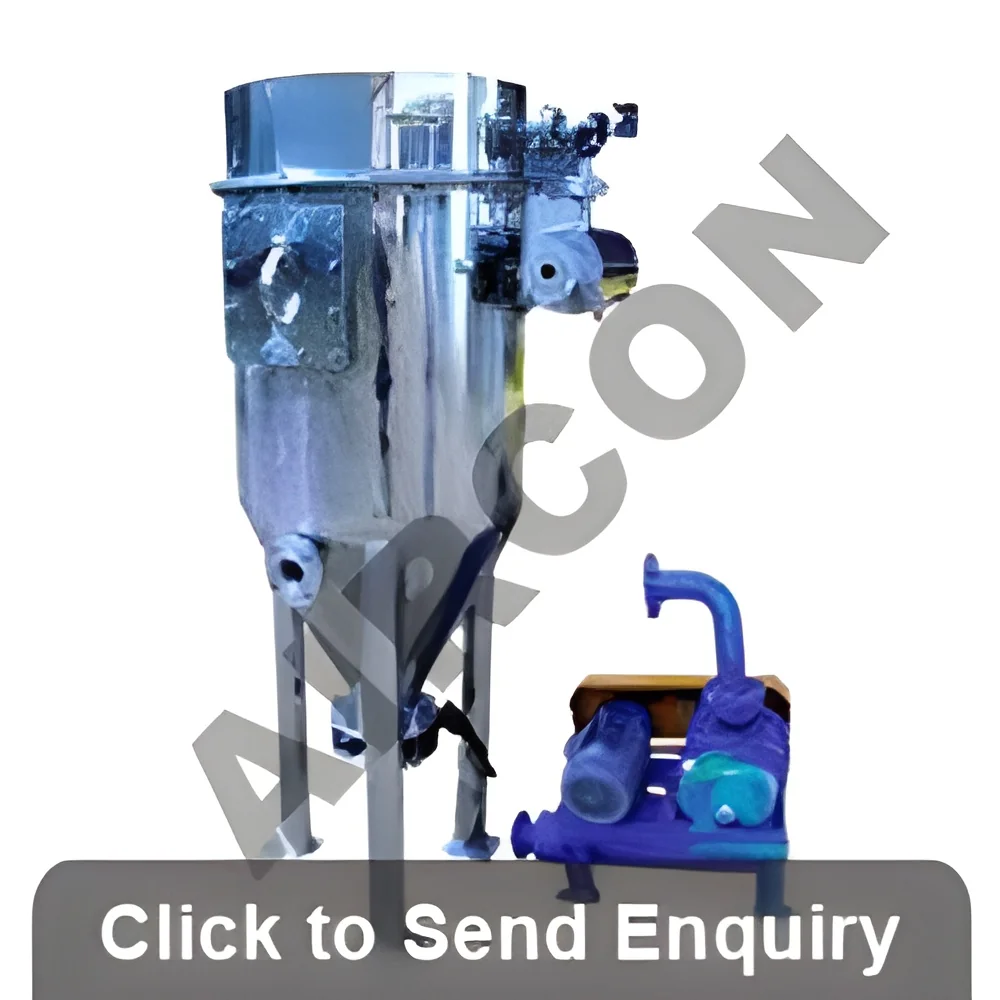
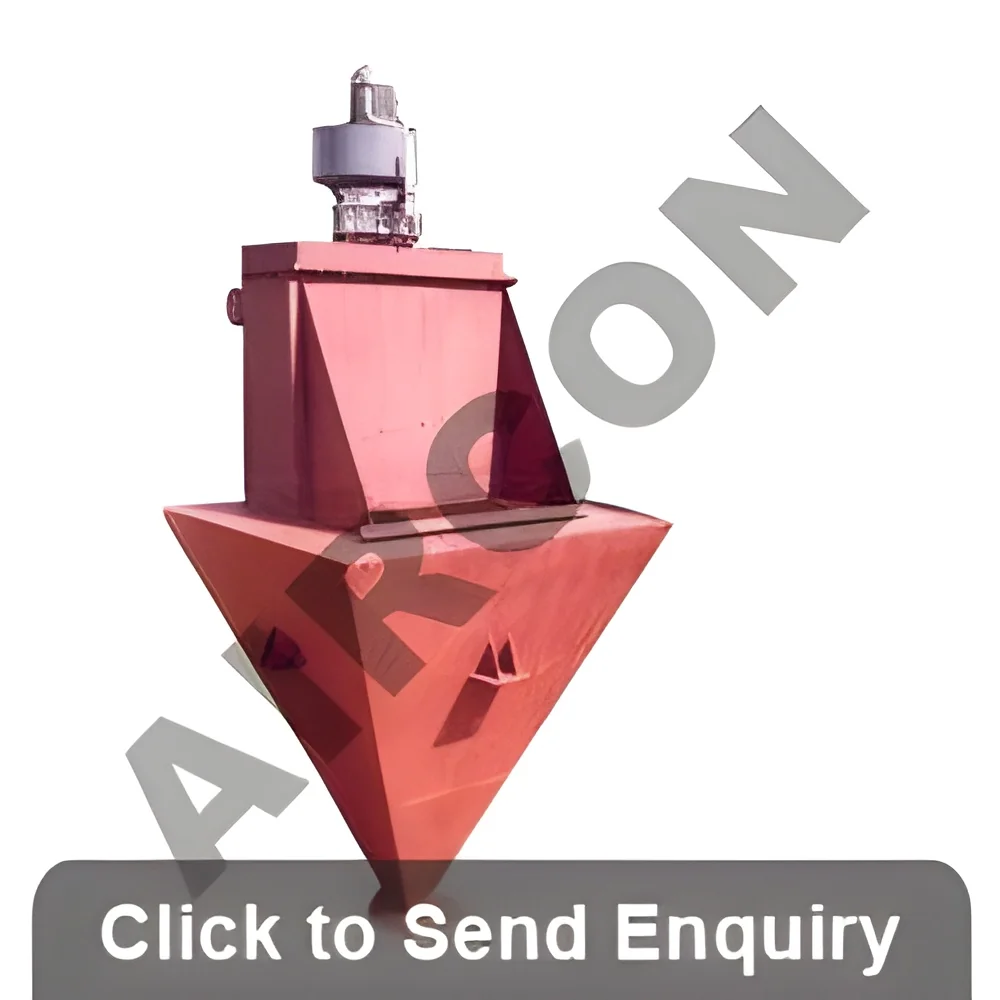
The Industrial Bag Dump System is a purpose-built solution designed to eliminate dust and ensure safety during the manual emptying of bags containing powders and granules. It functions as a primary containment unit, creating a sealed workspace where operators can safely open and empty bags. The system effectively captures airborne particles through integrated filtration or vacuum connections, preventing them from escaping into the workplace atmosphere. This focus on containment directly addresses critical issues of worker health, product loss, and environmental contamination, making it a fundamental piece of equipment for any serious powder handling operation. Its construction prioritizes durability and ease of use, featuring components that withstand industrial wear while simplifying the material loading process.

This system finds critical application across diverse sectors where material integrity and cleanliness are paramount. In food and pharmaceutical manufacturing, it safeguards...
The Industrial Bag Dump System is a purpose-built solution designed to eliminate dust and ensure safety during the manual emptying of bags containing powders and granules. It functions as a primary containment unit, creating a sealed workspace where operators can safely open and empty bags. The system effectively captures airborne particles through integrated filtration or vacuum connections, preventing them from escaping into the workplace atmosphere. This focus on containment directly addresses critical issues of worker health, product loss, and environmental contamination, making it a fundamental piece of equipment for any serious powder handling operation. Its construction prioritizes durability and ease of use, featuring components that withstand industrial wear while simplifying the material loading process.

This system finds critical application across diverse sectors where material integrity and cleanliness are paramount. In food and pharmaceutical manufacturing, it safeguards product quality by preventing foreign particle ingress and cross-contamination between batches. Chemical and plastic industries utilize it to handle a variety of compounds, from fine pigments to polymer granules, safely containing potentially hazardous or sensitive materials. The construction sector employs these systems to manage dusty materials like cement and plaster, significantly improving air quality on the production floor. Furthermore, industries such as agriculture, animal feed production, and specialty chemicals rely on them to maintain precise formulations and protect workers from inhaling particulate matter during daily operations.

Investing in this bag dump system delivers measurable business value through enhanced operational control and risk mitigation. It directly reduces costs associated with product loss from airborne dust, lowers extensive cleanup and maintenance expenses, and minimizes downtime. More importantly, it demonstrates a commitment to workplace safety, helping companies comply with stringent occupational health and environmental regulations regarding airborne particulates. The system's reliable performance ensures consistent material flow into downstream processes, supporting overall production efficiency. Its robust build quality translates to a long service life with minimal upkeep, providing a strong return on investment by protecting both your workforce and your product quality year after year.

Key Features:
- Fully enclosed dumping station with sealing mechanism to prevent dust escape during bag opening and emptying.
- Constructed from heavy-duty, industrial-grade materials suitable for demanding powder and granule handling.
- Designed for easy integration with existing vacuum systems, dust collectors, or process equipment.
- Ergonomic design features for operator safety and ease of loading, including safety interlocks where applicable.
- Built to reliable performance standards for consistent operation in industrial environments.

Benefits:
- Creates a safer workplace by significantly reducing airborne dust and associated inhalation risks for operators.
- Protects product quality and prevents cross-contamination by containing particles within a controlled environment.
- Reduces material waste and loss that occurs when powders become airborne and settle outside the process.
- Lowers facility maintenance costs by minimizing dust accumulation on equipment, floors, and surfaces.
- Enhances operational efficiency by providing a clean, reliable point for introducing raw materials into the production line.
Specifications
| Additional Information | |
|---|---|
| Country of Origin | India |
Application
This industrial bag dump system creates a controlled, sealed environment for emptying bags of powdered or granular materials. It is engineered to capture and contain airborne dust at the source, preventing contamination and protecting sensitive production processes. This makes it essential for operations where product purity, worker safety, and regulatory compliance are non-negotiable.
The system's robust design allows for seamless integration into existing material handling lines, facilitating efficient transfer from bags to mixers, hoppers, or conveyors. It is suitable for a wide range of industrial settings that handle fine powders or small granules, addressing the core challenges of dust control, cross-contamination, and operational cleanliness in demanding environments.
- Food ingredient processing for handling flour, sugar, spices, and additives without contamination.
- Pharmaceutical manufacturing for safe, contained transfer of active ingredients and excipients.
- Chemical production facilities processing plastic resins, pigments, and compound powders.
- Construction material handling for dust-free emptying of cement, gypsum, and dry mix products.
- Agricultural and animal feed operations for controlled transfer of powdered supplements and premixes.
Trade Details
| Available Stock | In Stock |
| Sample Availability | No |
Payment Terms
| Payment Terms |
|
Company Profile

Aircon Handling Systems Private Limited, Karnataka
 Karnataka, India
Karnataka, IndiaIndustrial Equipment & Machinery•Manufacturer•Importer / Exporter
Factory Details
Factory SizeBelow 1000 sqm
Annual Production Capacity0
Main Markets
North America
Oceania
Northern Europe
South America
Mid East
Southern Europe
Eastern Europe
Eastern Asia
South Asia
Southeast Asia
Western Europe
Africa
Central America
Quality & Certification
Our objective is to consistently improve quality and design highly advanced product by familiarizing the latest technology in the globe. From the production stage up to the delivery of the product, always stick to the international standard organization quality terms. We are certified with ISO 9001:2008 certification.
Our objective is to consistently improve quality and design highly advanced product by familiarizing the latest technology in the globe. From the production stage up to the delivery of the product, always stick to the international standard organization quality terms. We are certified with ISO 9001:2008 certification.Our objective is to consistently improve quality and design highly advanced product by familiarizing the latest technology in the globe. From the production stage up to the delivery of the product, always stick to the international standard organization quality terms. We are certified with ISO 9001:2008 certification.
Our objective is to consistently improve quality and design highly advanced product by familiarizing the latest technology in the globe. From the production stage up to the delivery of the product, always stick to the international standard organization quality terms. We are certified with ISO 9001:2008 certification.Our objective is to consistently improve quality and design highly advanced product by familiarizing the latest technology in the globe. From the production stage up to the delivery of the product, always stick to the international standard organization quality terms. We are certified with ISO 9001:2008 certification.
Our objective is to consistently improve quality and design highly advanced product by familiarizing the latest technology in the globe. From the production stage up to the delivery of the product, always stick to the international standard organization quality terms. We are certified with ISO 9001:2008 certification.Our objective is to consistently improve quality and design highly advanced product by familiarizing the latest technology in the globe. From the production stage up to the delivery of the product, always stick to the international standard organization quality terms. We are certified with ISO 9001:2008 certification.
Our objective is to consistently improve quality and design highly advanced product by familiarizing the latest technology in the globe. From the production stage up to the delivery of the product, always stick to the international standard organization quality terms. We are certified with ISO 9001:2008 certification.Our objective is to consistently improve quality and design highly advanced product by familiarizing the latest technology in the globe. From the production stage up to the delivery of the product, always stick to the international standard organization quality terms. We are certified with ISO 9001:2008 certification.
Our objective is to consistently improve quality and design highly advanced product by familiarizing the latest technology in the globe. From the production stage up to the delivery of the product, always stick to the international standard organization quality terms. We are certified with ISO 9001:2008 certification.Industrial Bag Dump System For Dust Free Powder And Granule Handling
Industrial bag dump system for dust-free powder and granule handling. This reliable equipment ensures workplace safety and operational efficiency by containing airborne particles during material transfer, built to international quality standards.
Min. Order Quantity: 1 unit
Shipping
Shipping fee and delivery date to be negotiated. Contact supplier now for more details.
Aircon Handling Systems Private Limited
 Karnataka, India
Karnataka, IndiaIndustrial Equipment & MachineryManufacturer