IN
₹
Description
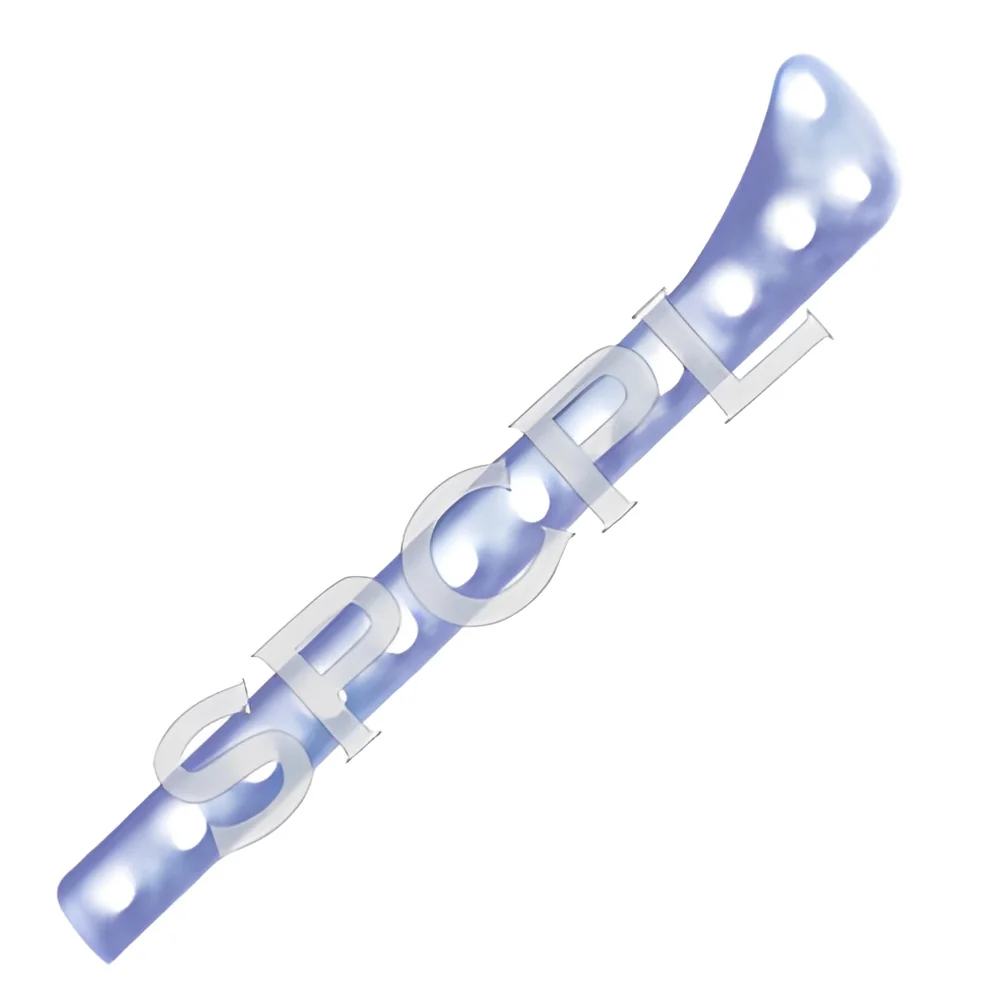
The Orthopedic Anatomical Proximal Medial Tibia Plate is a specialized surgical implant designed for the precise and stable fixation of fractures in the upper section of the tibia, or shin bone. Its key distinction lies in its anatomical design, which is pre-contoured to match the specific medial surface of the proximal tibia, ensuring an optimal fit that minimizes the need for intraoperative bending and reduces soft tissue irritation. Manufactured from high-grade, implantable materials—either robust stainless steel or biocompatible titanium—it provides reliable mechanical support. The implant is available in dedicated left and right configurations and offers a range of hole options, from 4 to 18 holes, granting surgeons significant flexibility in screw placement and fixation strategy to achieve optimal compression and stability for various fracture patterns.

This implant is a cornerstone in orthopedic trauma and reconstructive surgery. It is extensively utilized in hospital operating...
The Orthopedic Anatomical Proximal Medial Tibia Plate is a specialized surgical implant designed for the precise and stable fixation of fractures in the upper section of the tibia, or shin bone. Its key distinction lies in its anatomical design, which is pre-contoured to match the specific medial surface of the proximal tibia, ensuring an optimal fit that minimizes the need for intraoperative bending and reduces soft tissue irritation. Manufactured from high-grade, implantable materials—either robust stainless steel or biocompatible titanium—it provides reliable mechanical support. The implant is available in dedicated left and right configurations and offers a range of hole options, from 4 to 18 holes, granting surgeons significant flexibility in screw placement and fixation strategy to achieve optimal compression and stability for various fracture patterns.

This implant is a cornerstone in orthopedic trauma and reconstructive surgery. It is extensively utilized in hospital operating rooms, dedicated trauma centers, and specialized orthopedic clinics worldwide. Surgeons rely on it for treating complex proximal tibia fractures, which are often challenging due to the bone's critical role in weight-bearing and its proximity to the knee joint. Typical cases include fractures from motor vehicle accidents, sports injuries, and falls, particularly in elderly populations. The plate is essential for procedures requiring open reduction and internal fixation (ORIF), making it a standard part of the inventory for healthcare institutions that manage musculoskeletal trauma and perform elective orthopedic corrections.

The plate delivers substantial value through its proven reliability and surgical efficacy, which translates to trust for medical professionals and the businesses that supply them. Its anatomical design streamlines surgical procedures, potentially reducing operating time and contributing to more predictable patient outcomes, factors that are highly valued in clinical settings. For distributors and suppliers, offering both material options caters to a wider range of hospital procurement preferences and budgetary considerations, from cost-effective stainless steel to premium, low-modulus titanium. The product's focus on precise anatomical fit and versatile fixation options serves as a key differentiator, fostering preference among surgeons and ensuring consistent demand within the medical supply chain.

Key Features:
- Anatomically pre-contoured design specifically for the proximal medial tibia surface.
- Available in dedicated left and right configurations for precise anatomical matching.
- Constructed from certified medical-grade stainless steel or titanium alloy.
- Multiple hole configuration options (typically 4 to 18 holes) for versatile screw placement.
- Engineered for optimal stability and compression in internal fracture fixation.

Benefits:
- Anatomical fit reduces surgical time and minimizes need for plate contouring during surgery.
- Choice of materials allows selection based on strength, biocompatibility, and imaging compatibility.
- Versatile hole patterns accommodate various surgical approaches and patient anatomies.
- Provides reliable, rigid fixation to promote proper bone alignment and healing.
- Trusted design supports consistent surgical outcomes, building confidence for surgeons and suppliers.
Specifications
| Additional Information | |
|---|---|
| Country of Origin | India |
Application
This anatomical proximal medial tibia plate is engineered for the surgical management of complex fractures in the upper shin bone. Its design precisely mirrors the natural contour of the proximal tibia, providing surgeons with a stable and reliable implant for anatomical reduction and rigid internal fixation, which is crucial for proper bone healing and restoration of limb function.
The plate's versatility is enhanced by multiple hole configurations, accommodating various screw diameters and surgical techniques to address different fracture patterns and patient anatomies. Available in both biocompatible stainless steel and lightweight titanium, it offers material choice based on surgical protocol, patient compatibility, and procedural requirements, making it a fundamental tool in modern orthopedic trauma care.
- Surgical fixation of complex proximal tibia fractures resulting from high-impact trauma or accidents.
- Revision procedures for previously failed internal fixations or non-union fractures of the tibia.
- Management of periarticular fractures near the knee joint in orthopedic and trauma surgery.
- Corrective osteotomy procedures for tibial malalignment following improper healing.
- Standard implant inventory for hospital operating theaters and specialized orthopedic surgical centers.
Trade Details
| Available Stock | In Stock |
| Sample Availability | No |
Payment Terms
| Payment Terms |
|
Company Profile

Bharucha Associates, Gujarat
 Gujarat, India
Health & Personal Care•Distributor / Wholesaler•Retailer•Importer / Exporter
Factory Details
Factory SizeBelow 1000 sqm
Annual Production Capacity0
Orthopedic Anatomical Proximal Medial Tibia Plate Stainless Steel Titanium
Premium anatomical proximal medial tibia plate for left and right tibia fracture repair. Made from medical-grade stainless steel or titanium with multiple hole options for precise surgical fixation in orthopedic procedures.
Min. Order Quantity: 1 unit
Shipping
Shipping fee and delivery date to be negotiated. Contact supplier now for more details.
Bharucha Associates
 Gujarat, India
Health & Personal CareDistributor / Wholesaler