IN
IN₹
Apparel & Fashion
Loading subcategories...
View More
Description
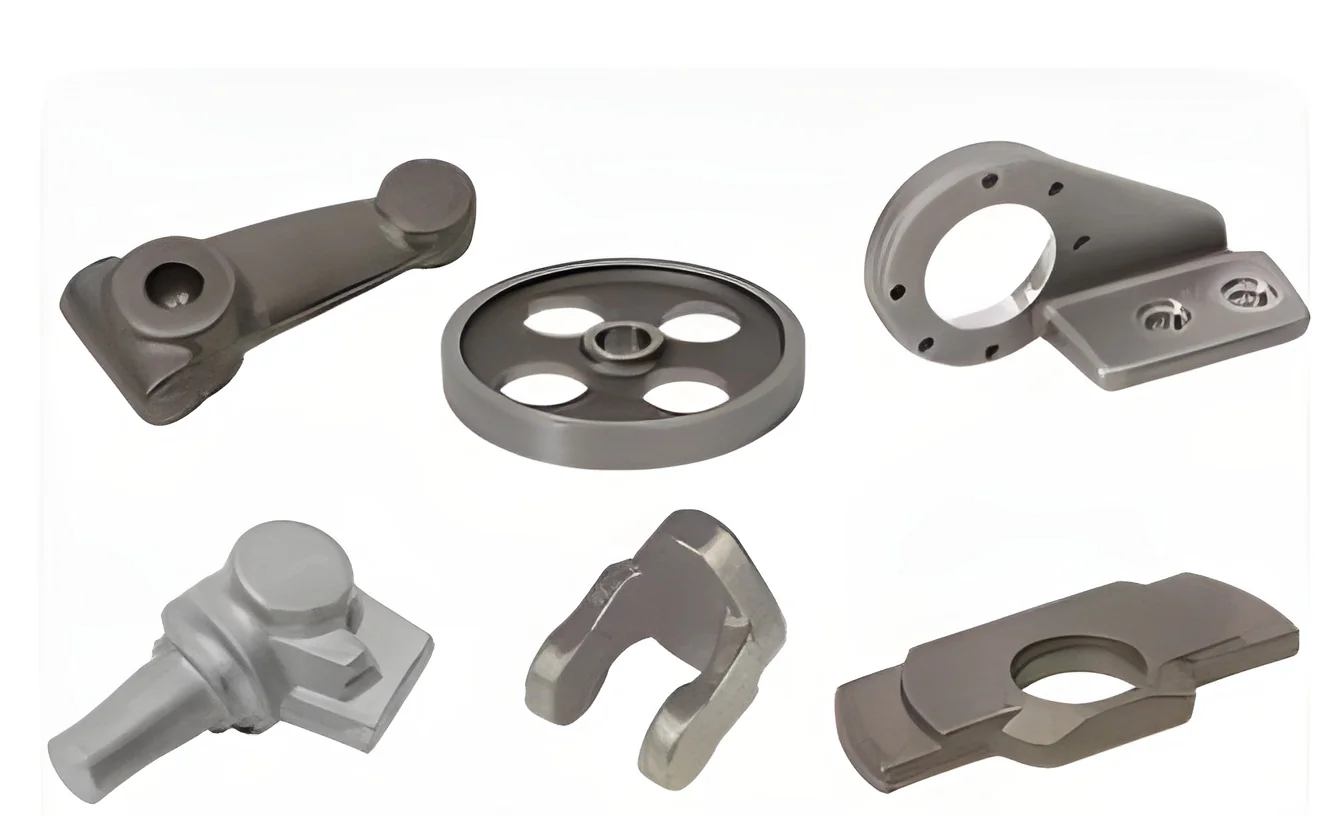
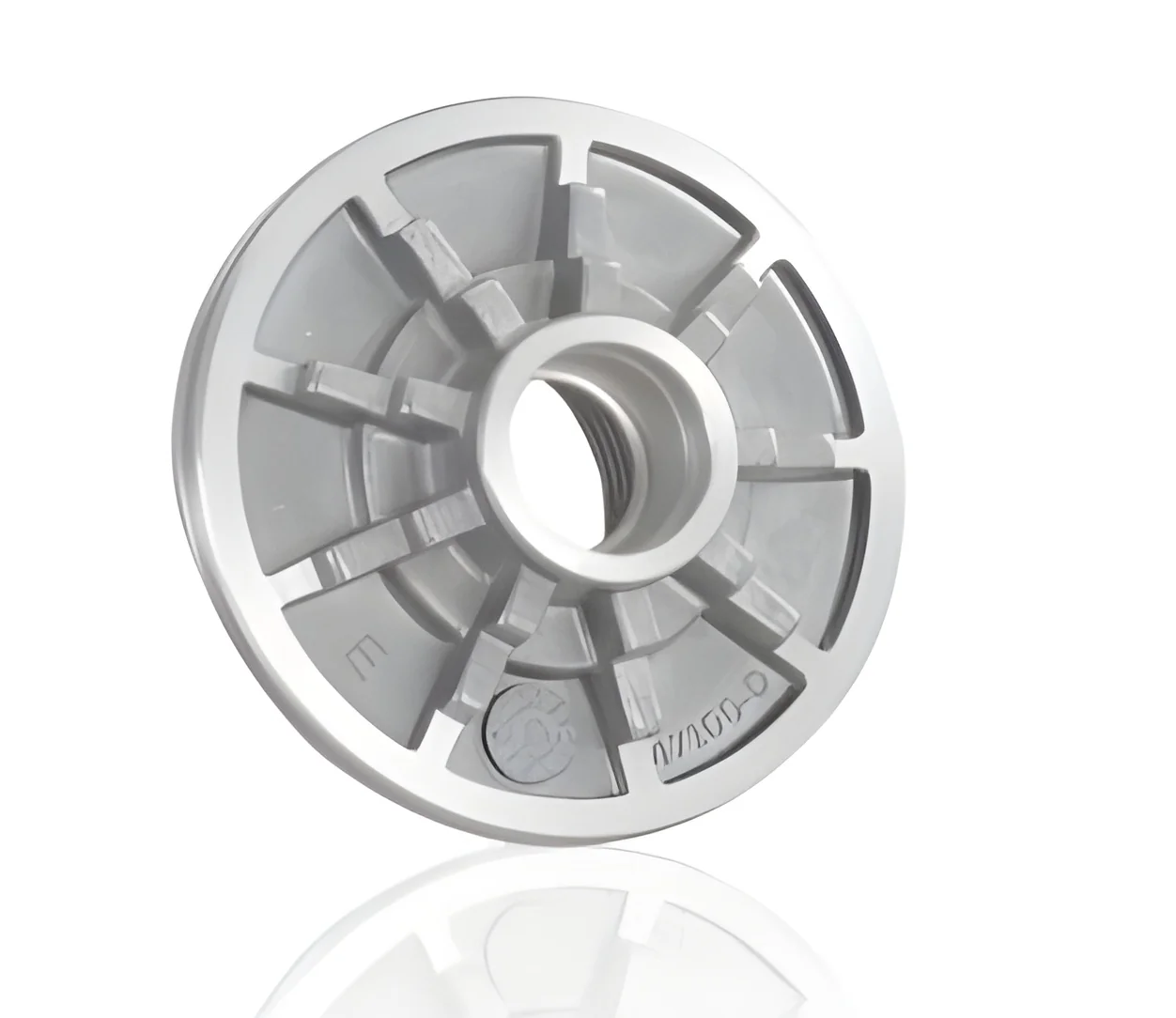
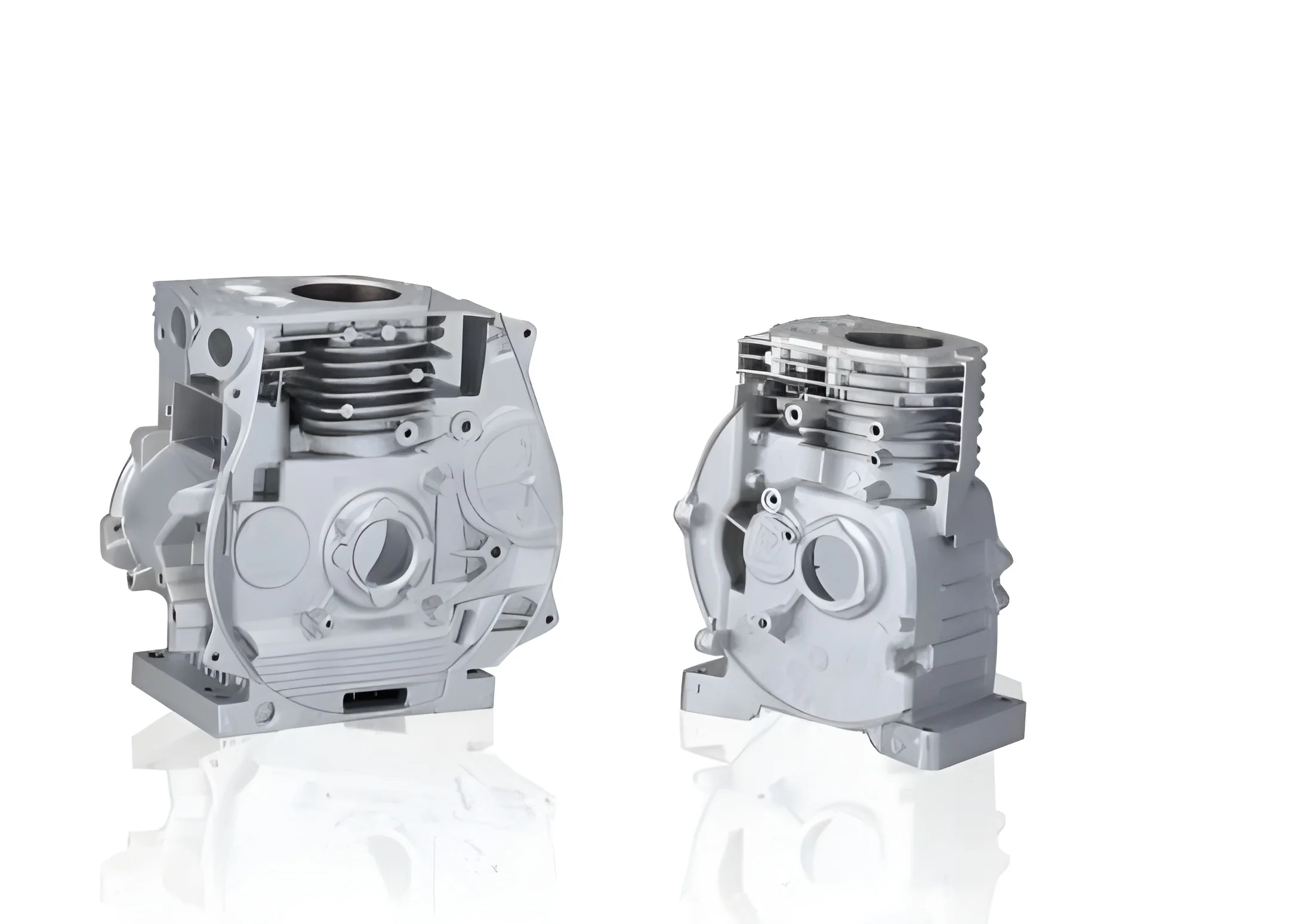
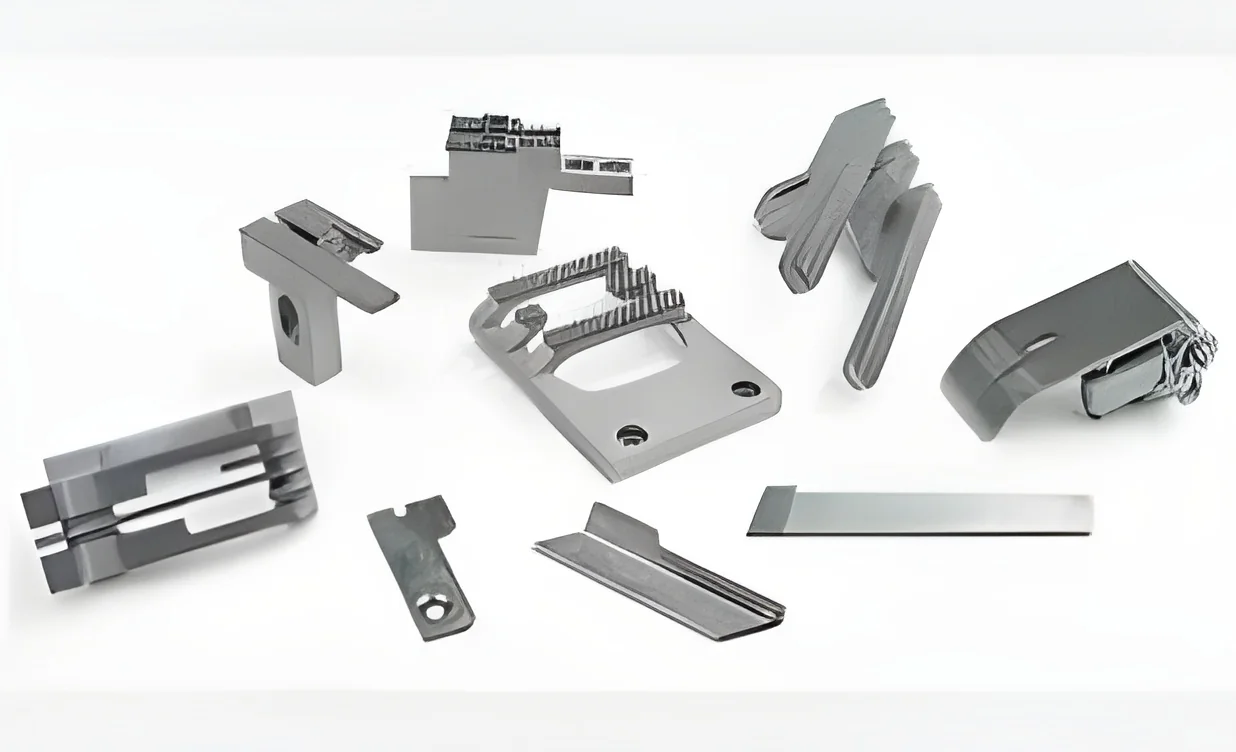
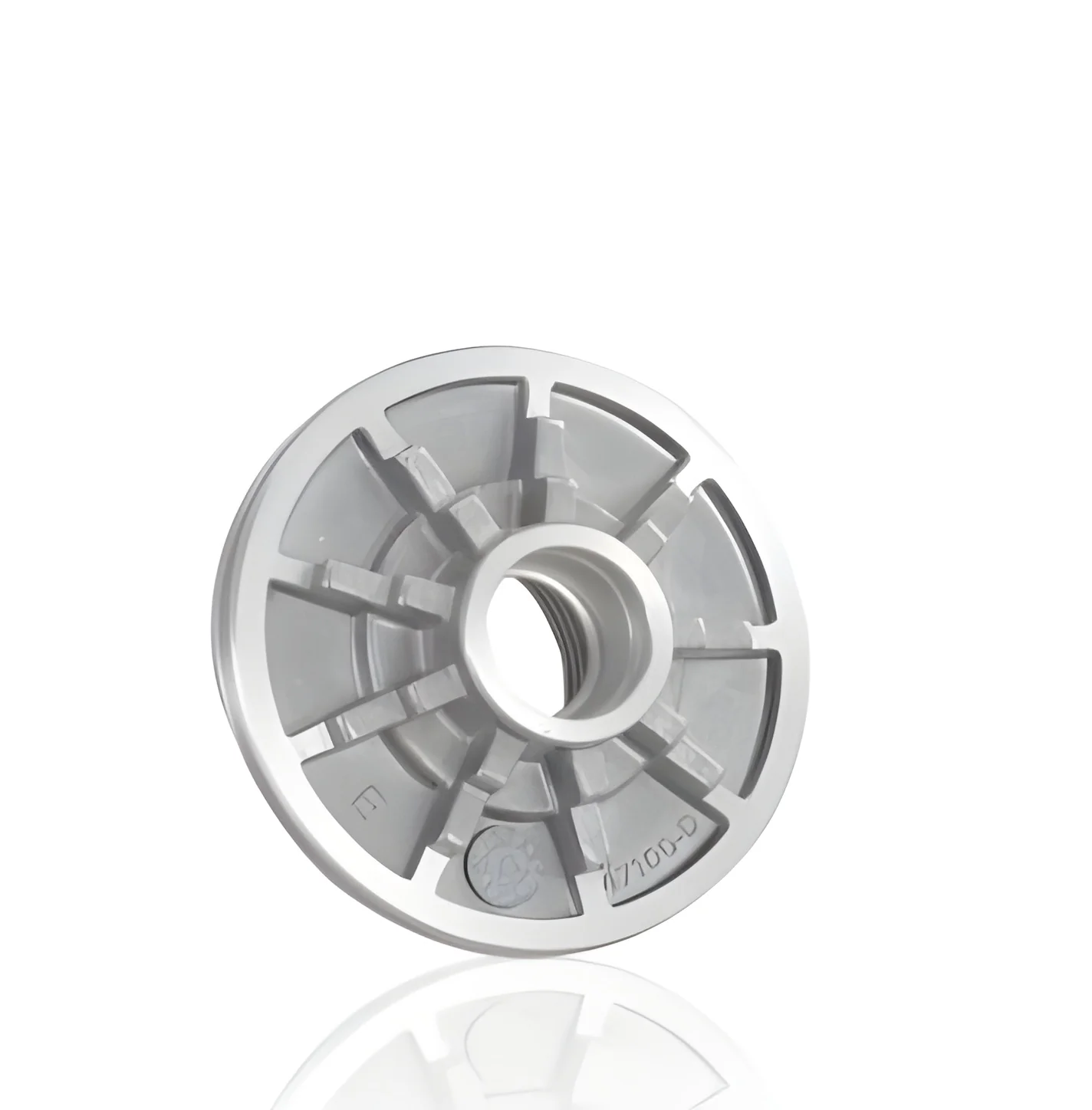
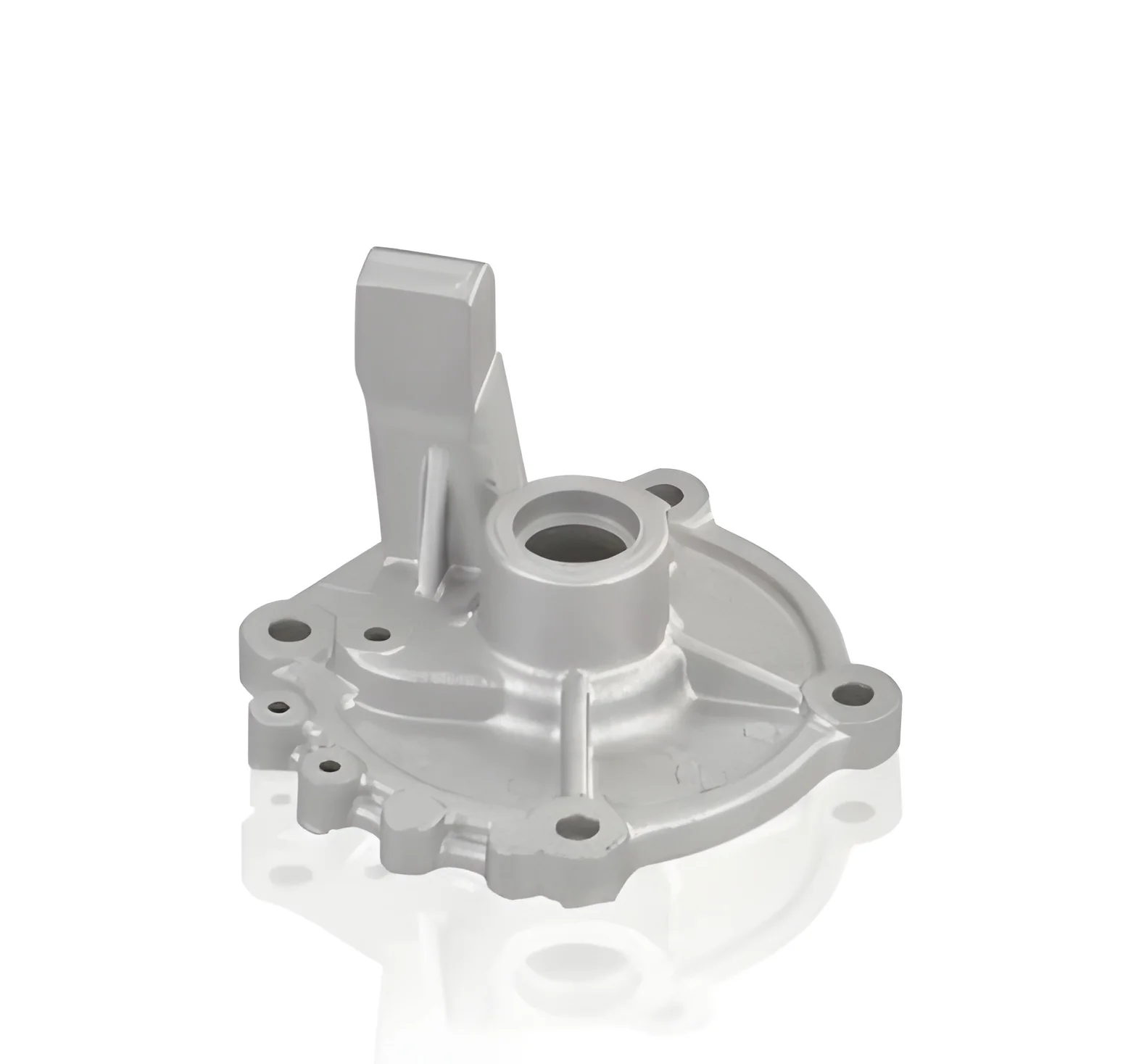
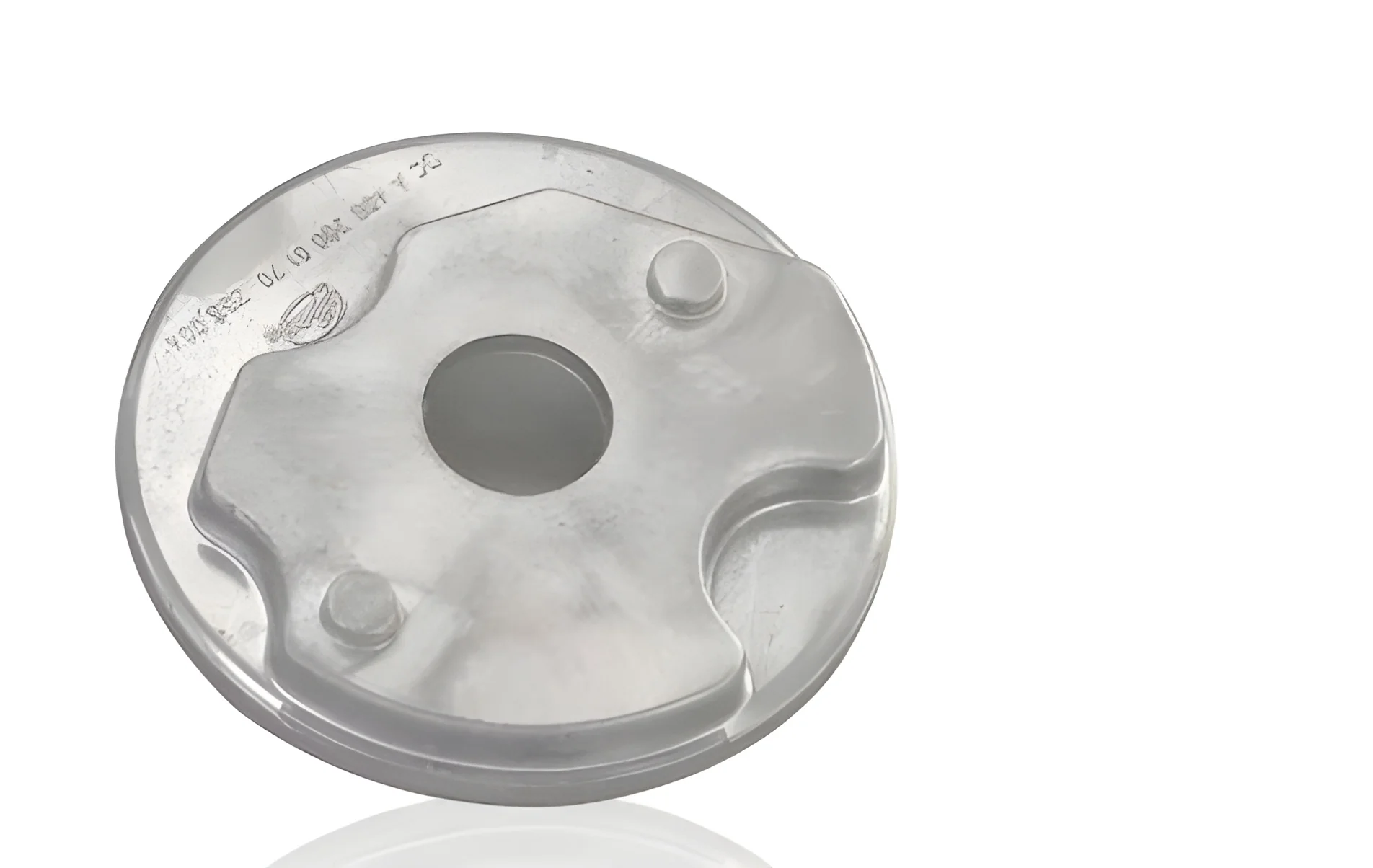
Aluminium die casting is a sophisticated manufacturing technique where molten aluminium is injected under high pressure into precision-engineered steel molds, or dies. This process yields metal components with exceptional dimensional accuracy, complex internal features, and a superior surface finish right out of the mold. The inherent properties of aluminium—being lightweight yet strong—are fully leveraged, resulting in parts that offer an excellent strength-to-weight ratio. This method is ideal for producing high volumes of identical parts with consistent quality, making it a cost-effective solution for demanding production schedules. The process ensures minimal porosity and enhanced structural integrity, which is critical for components subjected to stress or requiring fine details.

This manufacturing solution is indispensable across advanced engineering sectors. In the automotive industry, it is used for producing transmission cases, engine brackets, and structural elements that co...
Aluminium die casting is a sophisticated manufacturing technique where molten aluminium is injected under high pressure into precision-engineered steel molds, or dies. This process yields metal components with exceptional dimensional accuracy, complex internal features, and a superior surface finish right out of the mold. The inherent properties of aluminium—being lightweight yet strong—are fully leveraged, resulting in parts that offer an excellent strength-to-weight ratio. This method is ideal for producing high volumes of identical parts with consistent quality, making it a cost-effective solution for demanding production schedules. The process ensures minimal porosity and enhanced structural integrity, which is critical for components subjected to stress or requiring fine details.

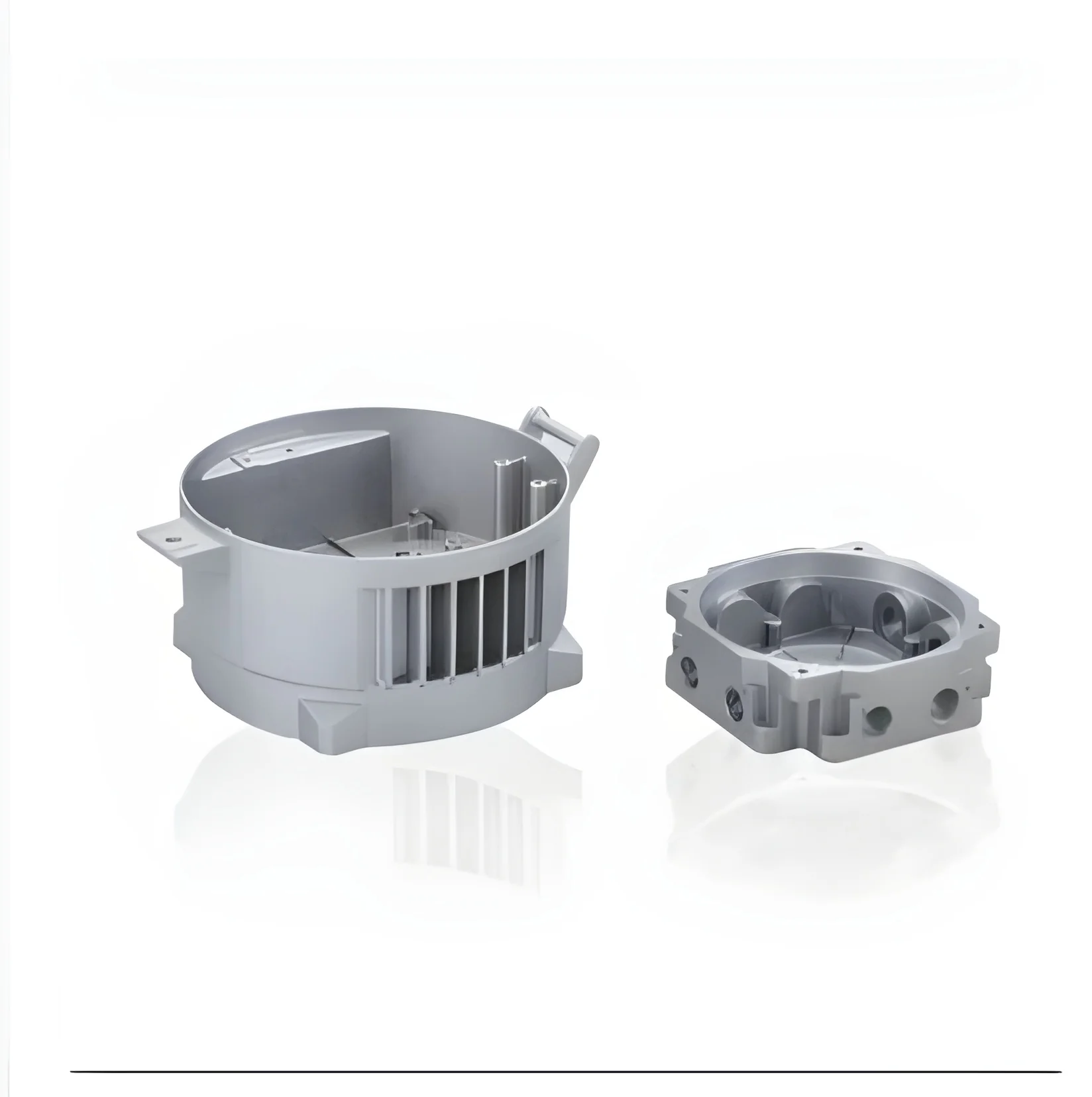
This manufacturing solution is indispensable across advanced engineering sectors. In the automotive industry, it is used for producing transmission cases, engine brackets, and structural elements that contribute to vehicle efficiency and safety. Aerospace applications include critical non-structural parts, housings, and fittings where weight savings are paramount. The electronics sector utilizes these castings for enclosures and heat dissipation components that protect sensitive circuitry. Furthermore, industrial equipment manufacturers rely on die-cast parts for durable machinery housings, frames, and components that operate in harsh environments, ensuring long service life and reduced maintenance.

For businesses, investing in aluminium die casting translates to tangible value and operational reliability. The process delivers parts that are ready for assembly with minimal secondary machining, accelerating time-to-market. The consistency of high-pressure die casting guarantees that every batch meets the same stringent specifications, reducing quality control overheads and assembly line rejects. Components are inherently corrosion-resistant and offer good thermal and electrical conductivity, enhancing the performance of the final product. By choosing this proven method, you secure a reliable supply of robust, precision parts that uphold your product's quality, durability, and market reputation.

Key Features:
- High-pressure injection process for dense, porosity-free components with excellent mechanical properties.
- Capability to produce complex shapes and thin walls with tight dimensional tolerances and fine detail.
- Superior as-cast surface finish that often reduces or eliminates the need for additional finishing operations.
- Utilizes high-grade aluminium alloys for optimal strength, lightweight characteristics, and corrosion resistance.
- Steel mold (die) construction ensures long tool life and consistent part quality over high-volume production runs.

Benefits:
- Significant reduction in component weight without compromising structural strength or durability.
- High production efficiency and speed, ideal for large order quantities and just-in-time manufacturing needs.
- Excellent dimensional stability and part-to-part consistency, ensuring reliable assembly and performance.
- Inherent corrosion resistance and good thermal conductivity of aluminium enhances product lifespan and functionality.
- Cost-effective per-part pricing for mass production, lowering overall manufacturing costs for complex metal parts.
Specifications
| Additional Information | |
|---|---|
| Country of Origin | India |
| Customisable | No |
Application
Our aluminium die casting process is engineered to create durable, intricate metal parts that meet exact specifications. It is the preferred method for industries where component reliability, weight reduction, and complex geometries are non-negotiable. The resulting parts offer exceptional consistency, making them suitable for high-volume production runs and critical assemblies.
From robust automotive engine blocks to delicate electronic housings, these castings serve as foundational elements across sectors. Manufacturers rely on them for their excellent thermal conductivity, corrosion resistance, and ability to maintain tight tolerances. This versatility ensures seamless integration into larger systems, enhancing overall product performance and longevity.
- Automotive: Engine brackets, transmission housings, and structural components that demand high strength-to-weight ratios.
- Aerospace: Lightweight aircraft fittings, instrument housings, and support structures that must withstand extreme conditions.
- Electronics: Heat sinks, device enclosures, and connector bodies requiring precise dimensions and electrical properties.
- Industrial Machinery: Pump housings, gearbox cases, and equipment frames that need durability and dimensional stability.
- Consumer Durables: Components for appliances and tools where lightweight, corrosion-resistant metal parts are essential.
Trade Details
| Available Stock | In Stock |
| Sample Availability | No |
Payment Terms
| Payment Terms |
|
Company Profile

Euro Cast Engineering, Tamil Nadu
 Tamil Nadu, India
Tamil Nadu, IndiaIndustrial Equipment & Machinery•Manufacturer•Retailer•Importer / Exporter
Factory Details
Factory SizeBelow 1000 sqm
Aluminium Die Casting Services For Automotive Aerospace Electronics
Precision aluminium die casting services for high-strength, lightweight metal components with smooth finishes, ideal for automotive, aerospace, electronics, and industrial machinery applications.
Min. Order Quantity: 1
Shipping
Shipping fee and delivery date to be negotiated. Contact supplier now for more details.
Euro Cast Engineering
 Tamil Nadu, India
Tamil Nadu, IndiaIndustrial Equipment & MachineryManufacturer