IN
IN₹
Apparel & Fashion
Loading subcategories...
View More
Description
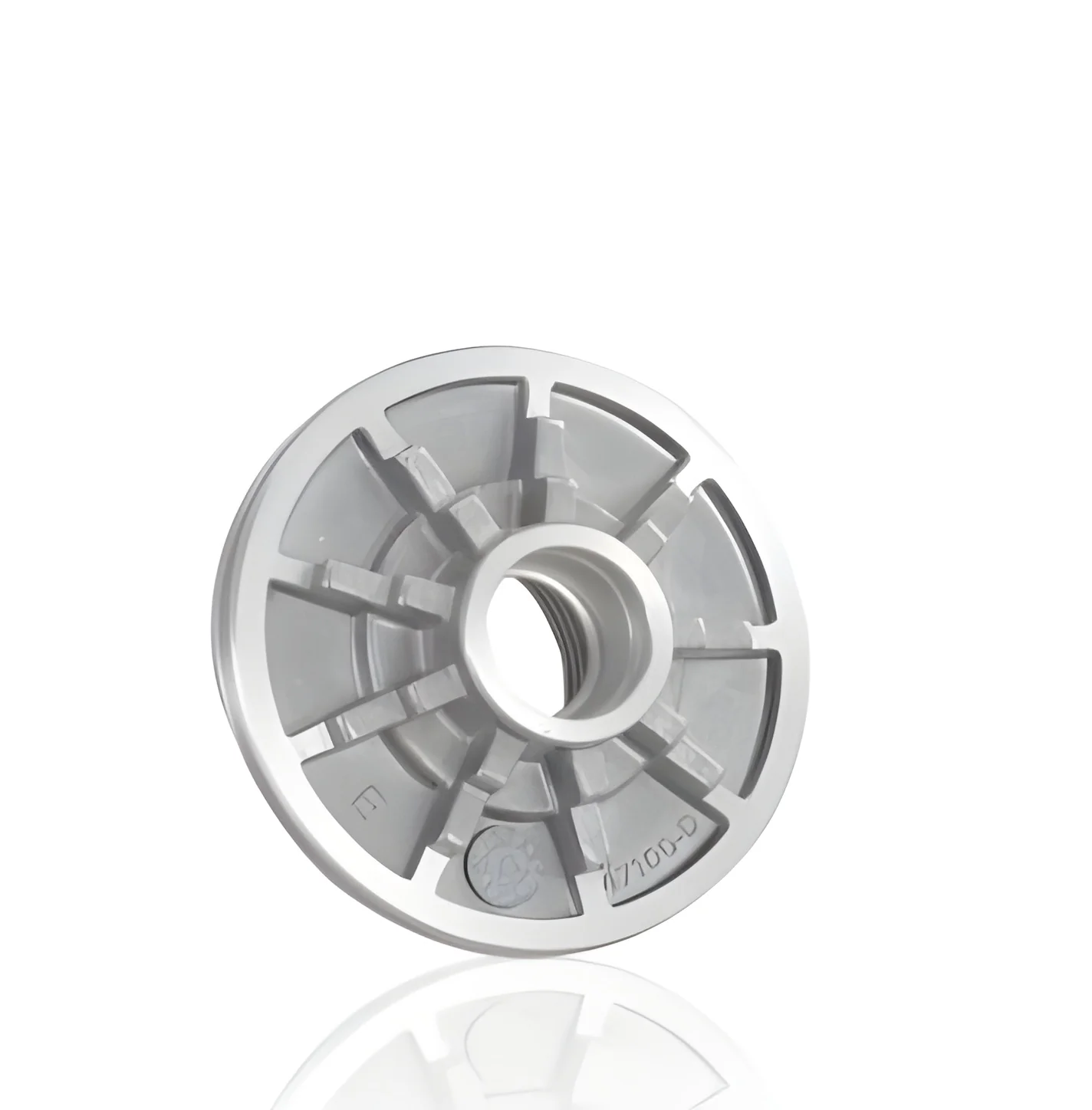
Industrial couplings are fundamental mechanical components designed to create a secure connection between two rotating shafts, enabling the efficient and reliable transmission of power within machinery. Their primary role is to transfer torque from a driving shaft, such as a motor, to a driven component like a pump or compressor, while simultaneously accommodating for inevitable misalignments that occur during installation and operation. This dual function is critical; by allowing for slight angular, parallel, and axial deviations, these couplings prevent damaging stresses, reduce vibration, and absorb shock loads that would otherwise lead to accelerated wear, bearing failure, or shaft breakage. Manufactured from high-strength materials like steel alloys, they are built to withstand demanding industrial environments, offering high torque capacity, durability, and resistance to corrosion, which collectively ensure long-term operational integrity and minimize unplanned downtime.

These c...
Industrial couplings are fundamental mechanical components designed to create a secure connection between two rotating shafts, enabling the efficient and reliable transmission of power within machinery. Their primary role is to transfer torque from a driving shaft, such as a motor, to a driven component like a pump or compressor, while simultaneously accommodating for inevitable misalignments that occur during installation and operation. This dual function is critical; by allowing for slight angular, parallel, and axial deviations, these couplings prevent damaging stresses, reduce vibration, and absorb shock loads that would otherwise lead to accelerated wear, bearing failure, or shaft breakage. Manufactured from high-strength materials like steel alloys, they are built to withstand demanding industrial environments, offering high torque capacity, durability, and resistance to corrosion, which collectively ensure long-term operational integrity and minimize unplanned downtime.

These couplings are indispensable across a broad spectrum of industries that rely on mechanical power transmission. In manufacturing and production lines, they are found in conveyor systems, machine tools, and packaging equipment, where consistent power delivery is crucial for throughput. The mining and material handling sectors utilize them in crushers, screens, and heavy-duty conveyors to move bulk materials under extreme loads. Within energy and utilities, couplings are critical components in pumps for water supply and treatment, compressors for gas pipelines, and in the drive trains of turbines for power generation. The automotive and heavy machinery industries integrate them into gearboxes, drivelines, and auxiliary drives, where they must perform reliably under variable speeds and high torque conditions. Their versatility also extends to sectors like food processing, pharmaceuticals, and chemicals, where specific designs may also meet hygiene or corrosion-resistance standards.

For businesses, investing in high-quality industrial couplings translates directly into enhanced operational value and reliability. These components act as a protective buffer for your entire mechanical system, safeguarding expensive motors, precision gearboxes, and other critical assets from the damaging effects of misalignment and vibration. This protection significantly reduces maintenance frequency and costs associated with component replacement and system downtime. A reliable coupling ensures smooth power transmission, which improves overall energy efficiency and the consistent performance of your machinery, leading to better product quality and higher production output. By choosing couplings known for their durability and precise engineering, you make a strategic investment in the longevity and productivity of your operations, building a foundation for sustained, trouble-free performance that supports your business goals.

Key Features:
- Engineered to accommodate angular, parallel, and axial shaft misalignment.
- High torque transmission capacity for demanding industrial applications.
- Constructed from durable materials like steel alloys for strength and longevity.
- Designed to absorb shock loads and dampen vibrations from the system.
- Simple and robust design for easy installation and reliable service.

Benefits:
- Protects connected machinery like motors and bearings from damage due to misalignment.
- Reduces maintenance requirements and associated operational downtime.
- Ensures smooth and efficient power transmission for consistent equipment performance.
- Enhances the overall service life and reliability of the entire drive system.
- Contributes to operational safety by maintaining mechanical system integrity.
Specifications
| Additional Information | |
|---|---|
| Country of Origin | India |
| Customisable | No |
Application
These industrial couplings are essential for connecting rotating shafts in a wide range of mechanical power transmission systems. They are engineered to handle high torque loads while compensating for angular, parallel, and axial misalignment between connected components, which is common in operational environments. This capability protects machinery from excessive stress and premature failure, ensuring continuous and smooth power flow across the system.
By minimizing vibration and shock loads, these couplings extend the service life of critical equipment like motors, pumps, and gearboxes. Their robust construction makes them suitable for demanding applications where reliability and uptime are paramount, supporting seamless integration into existing mechanical assemblies without requiring frequent adjustments or maintenance interventions.
- Powering pumps and compressors in water treatment plants and manufacturing facilities.
- Driving conveyor belts and material handling systems in logistics and mining operations.
- Transmitting power in gearboxes and mechanical drives for heavy machinery and automotive systems.
- Connecting motors to fans, mixers, and agitators in chemical processing and HVAC systems.
- Ensuring reliable torque transmission in power generation equipment, including turbines and generators.
Trade Details
| Available Stock | In Stock |
| Sample Availability | No |
Payment Terms
| Payment Terms |
|
Company Profile

Euro Cast Engineering, Tamil Nadu
 Tamil Nadu, India
Tamil Nadu, IndiaIndustrial Equipment & Machinery•Manufacturer•Retailer•Importer / Exporter
Factory Details
Factory SizeBelow 1000 sqm
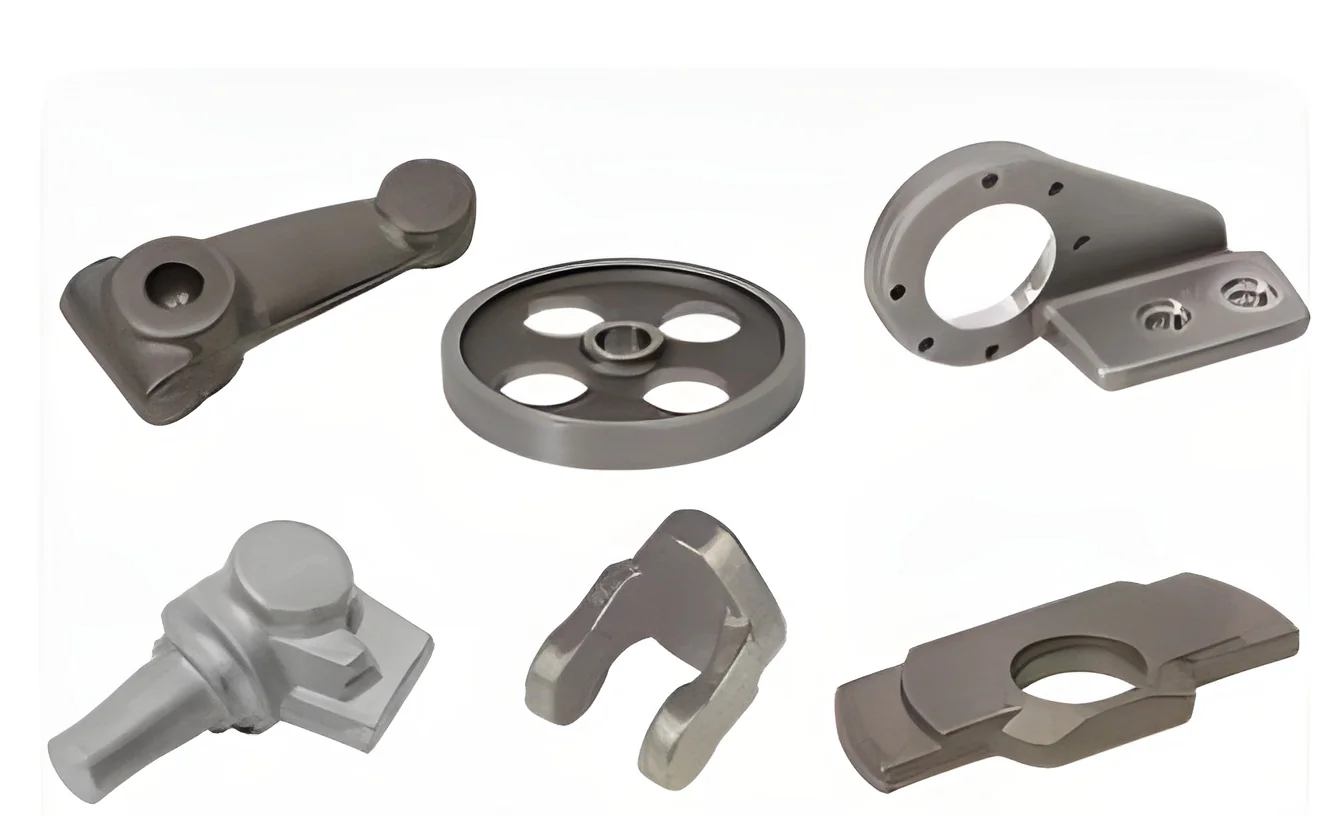
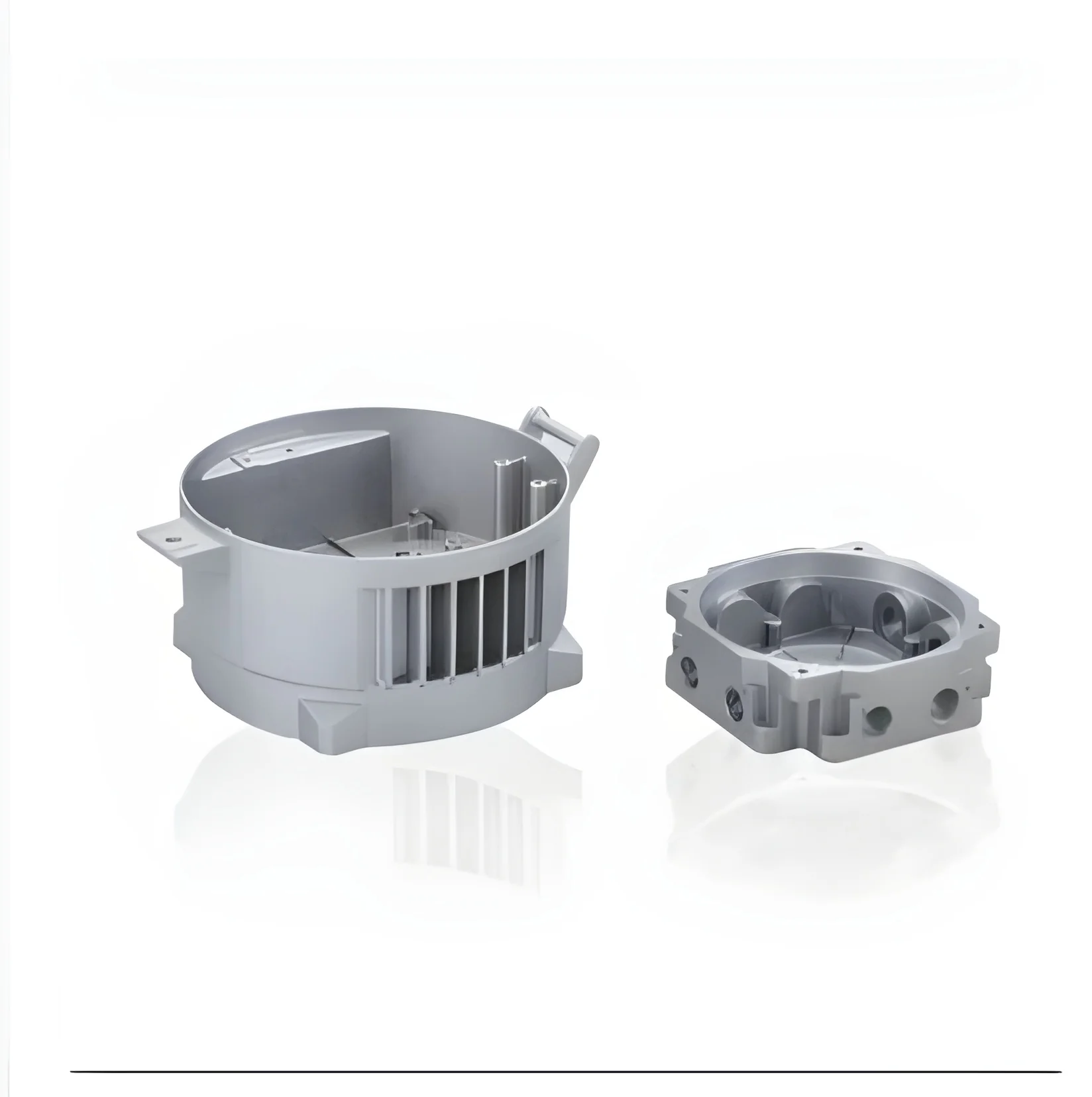
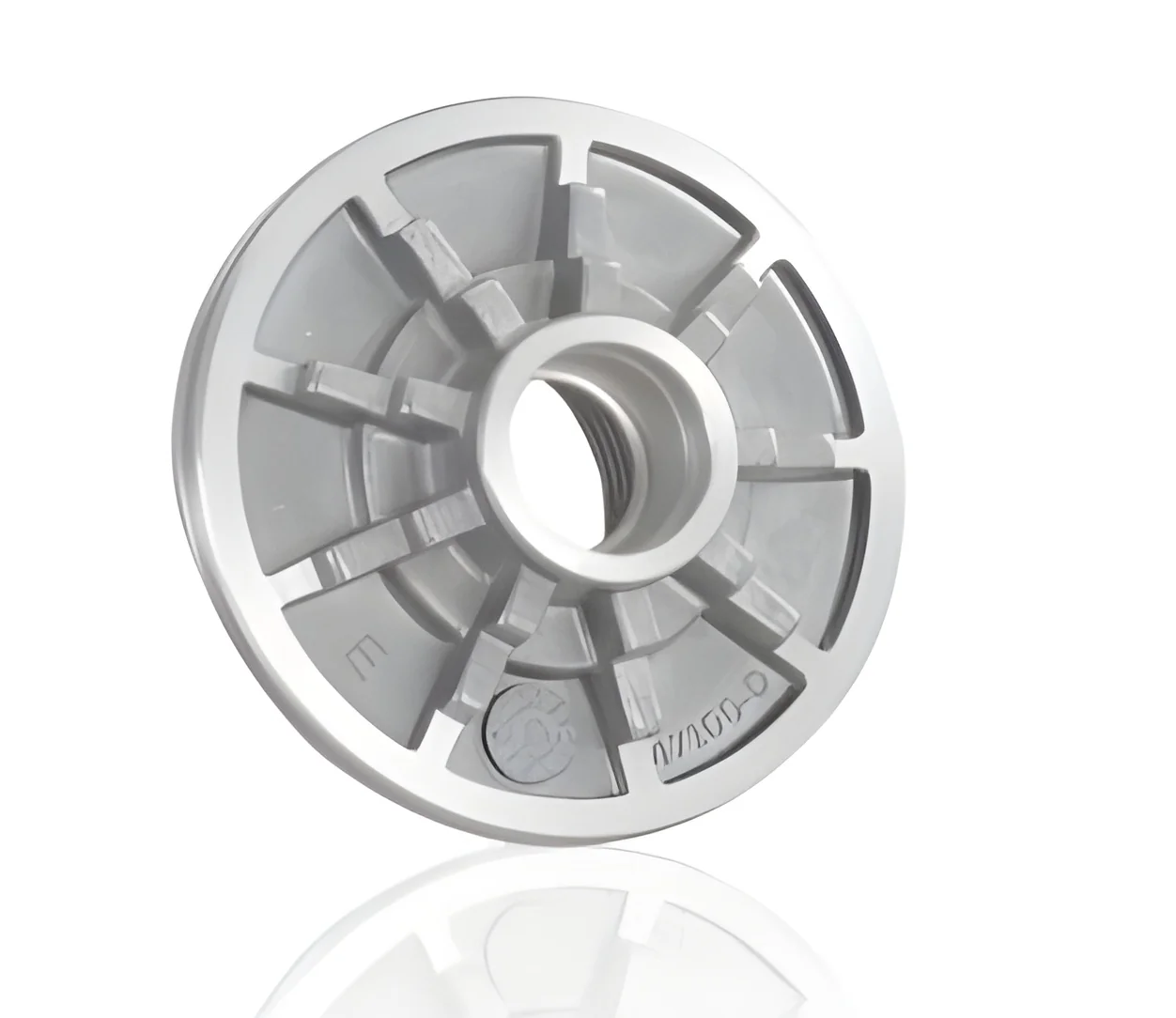
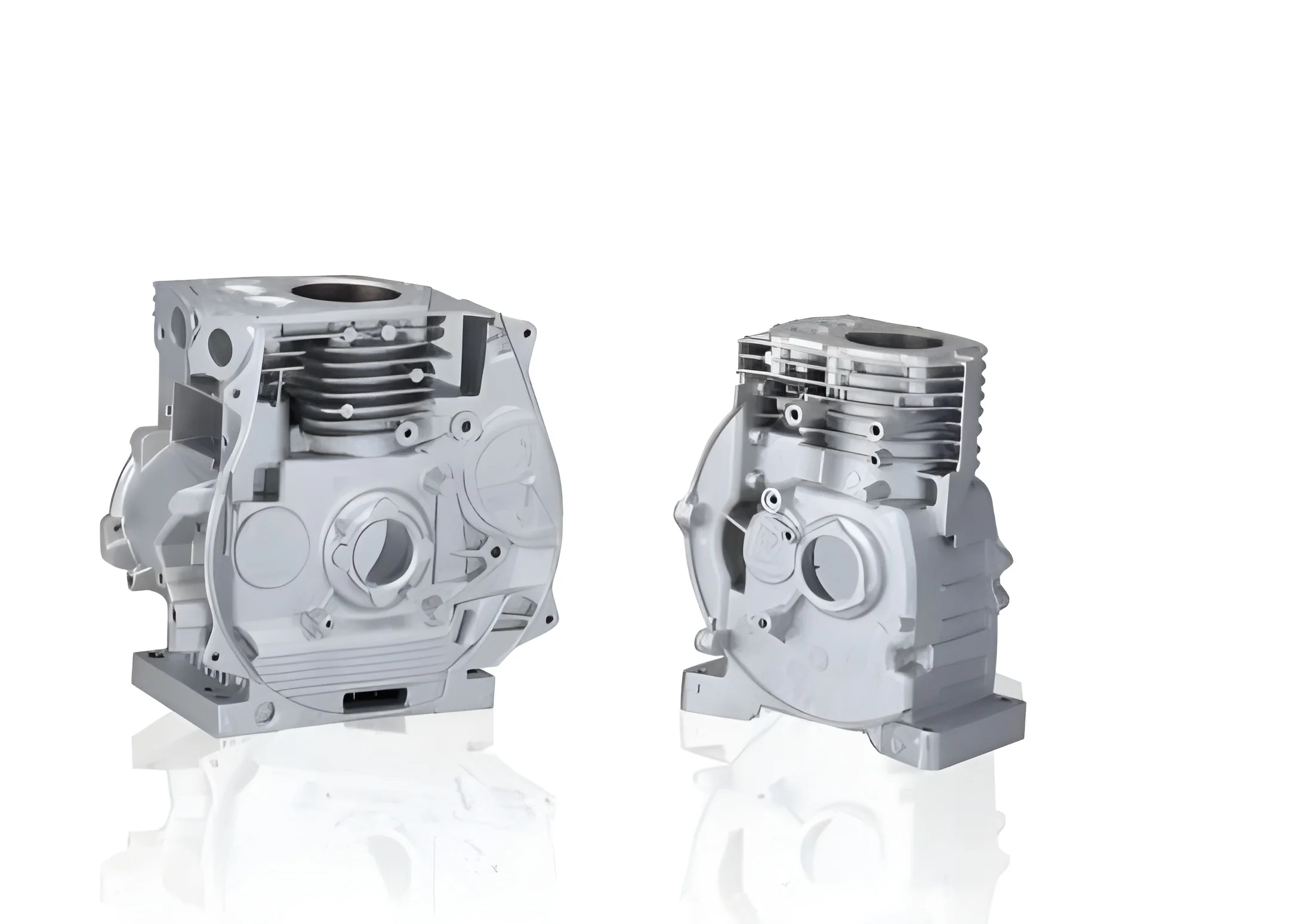
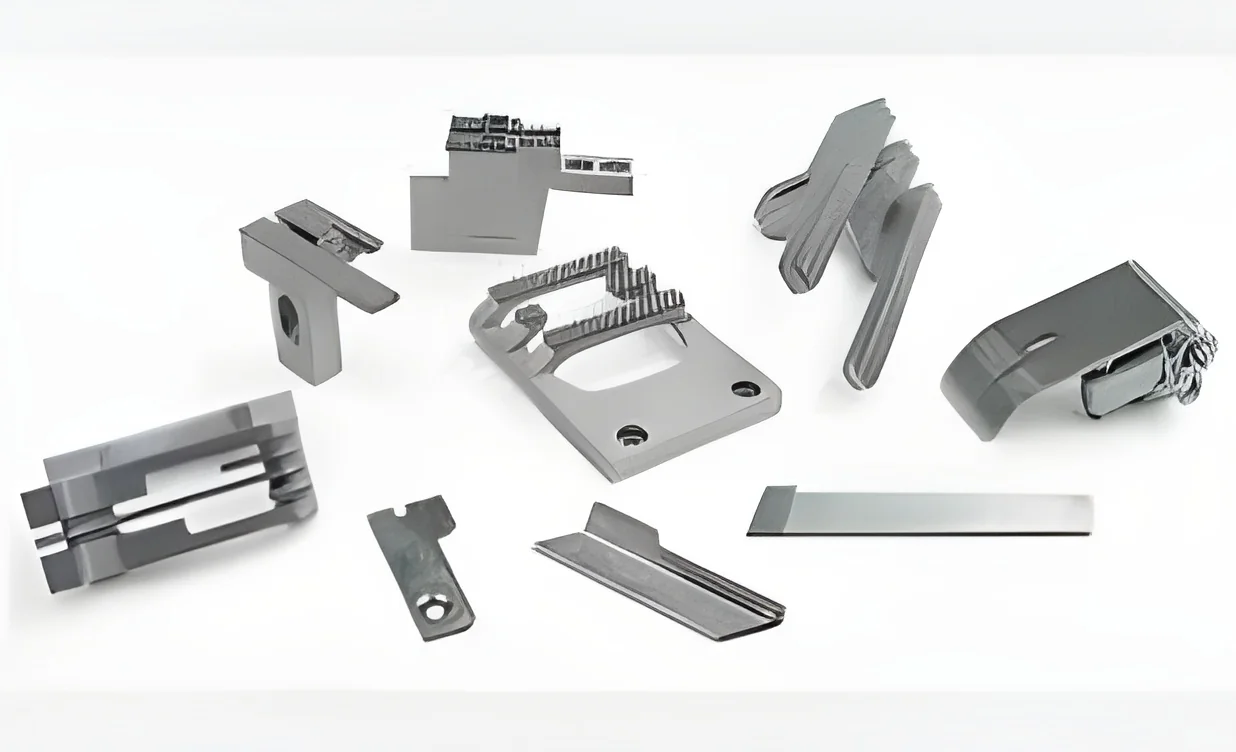
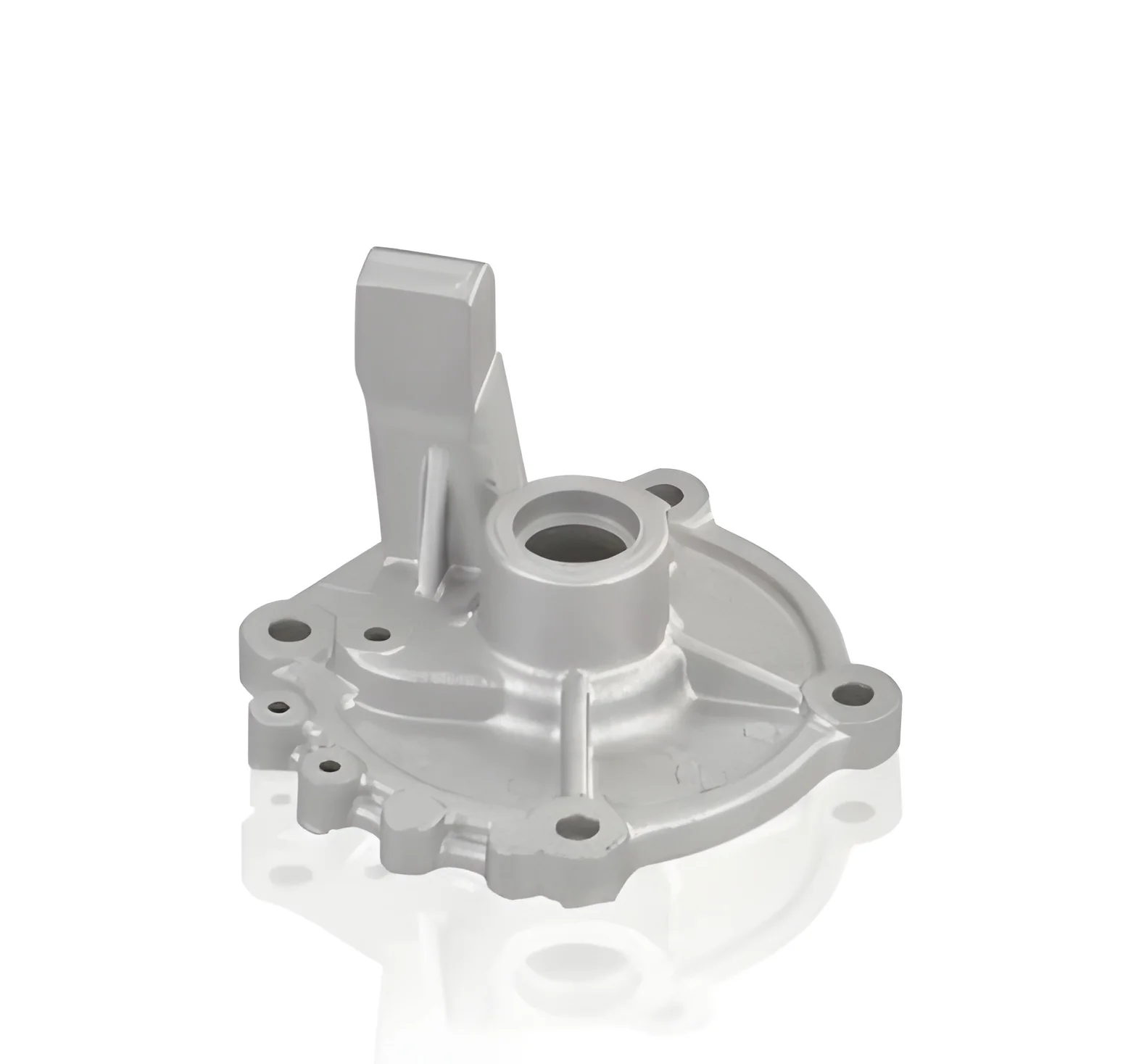
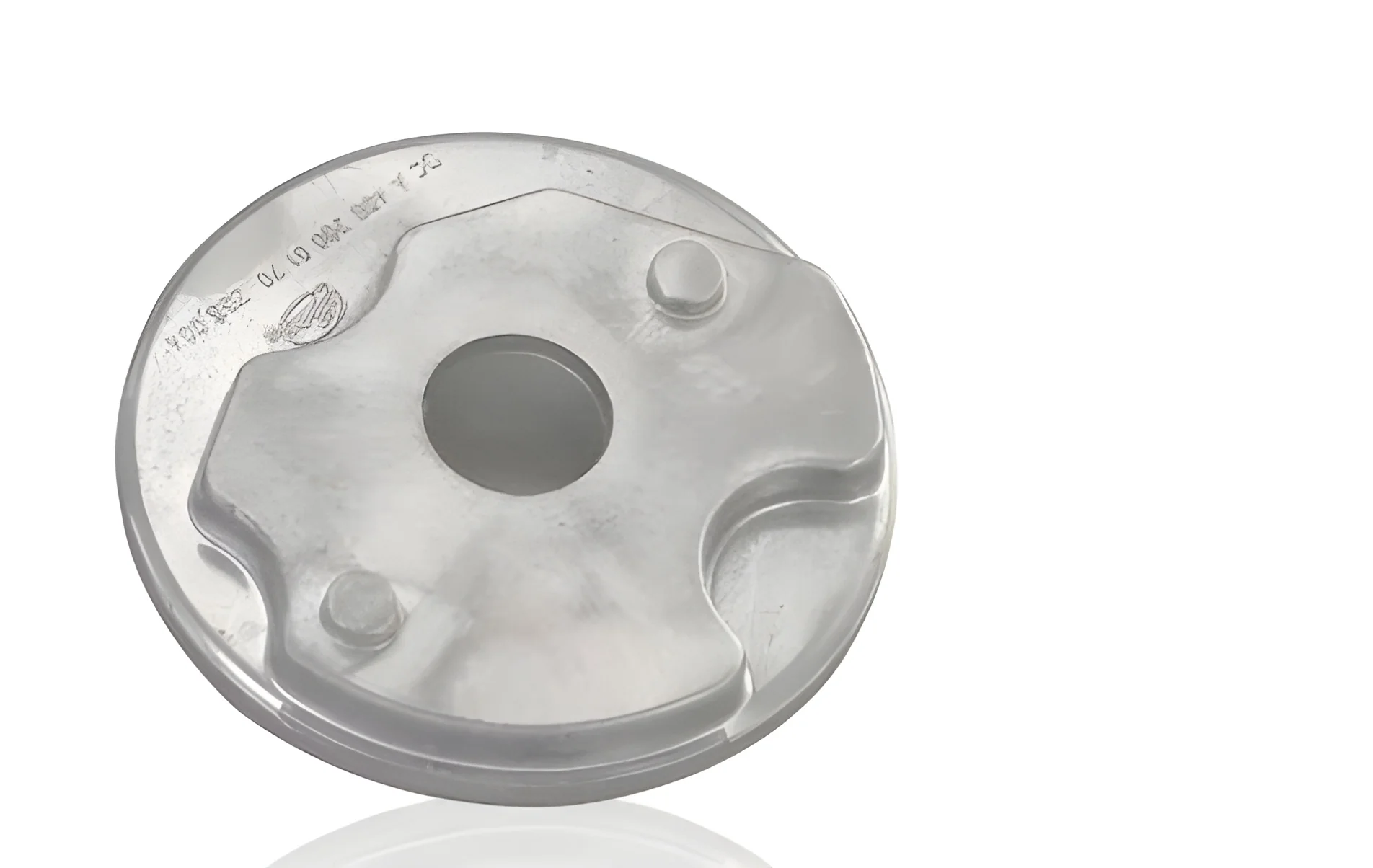
Industrial Couplings For Mechanical Power Transmission Systems
Industrial Couplings for mechanical power transmission systems connect rotating shafts, transmit torque efficiently, and accommodate misalignment to ensure reliable performance and reduced wear in industrial machinery.
Min. Order Quantity: 1
Shipping
Shipping fee and delivery date to be negotiated. Contact supplier now for more details.
Euro Cast Engineering
 Tamil Nadu, India
Tamil Nadu, IndiaIndustrial Equipment & MachineryManufacturer