IN
IN₹
Apparel & Fashion
Loading subcategories...
View More
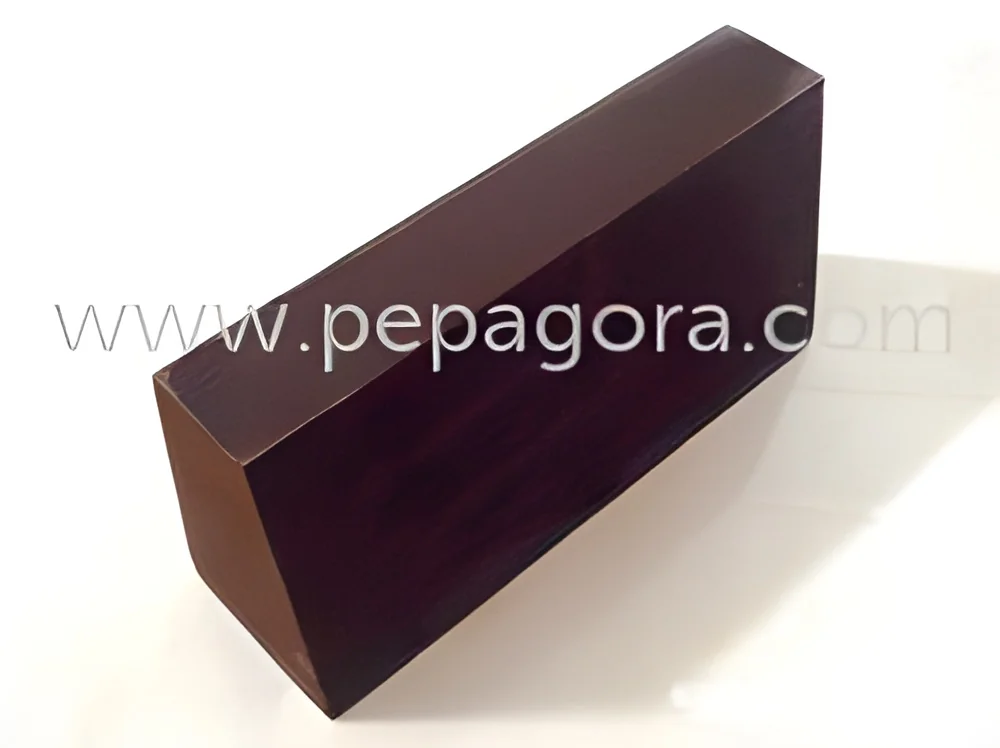
Description
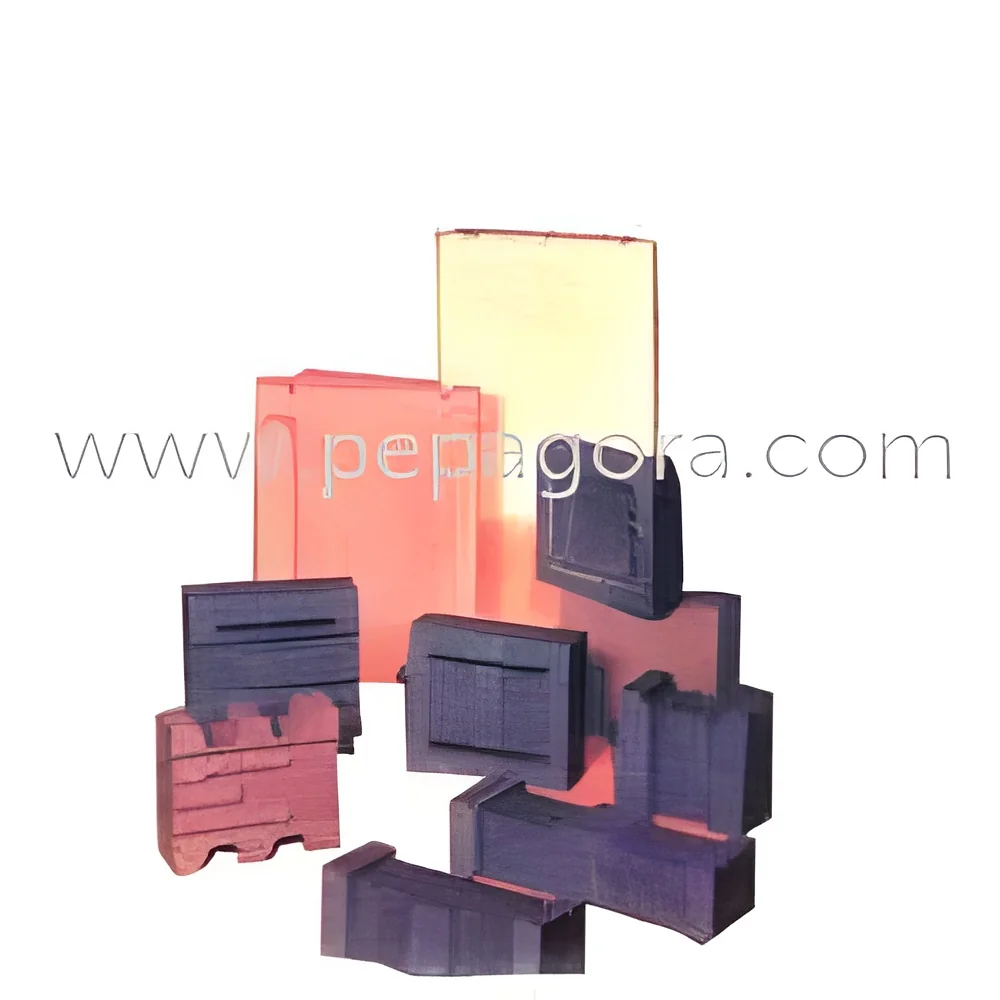
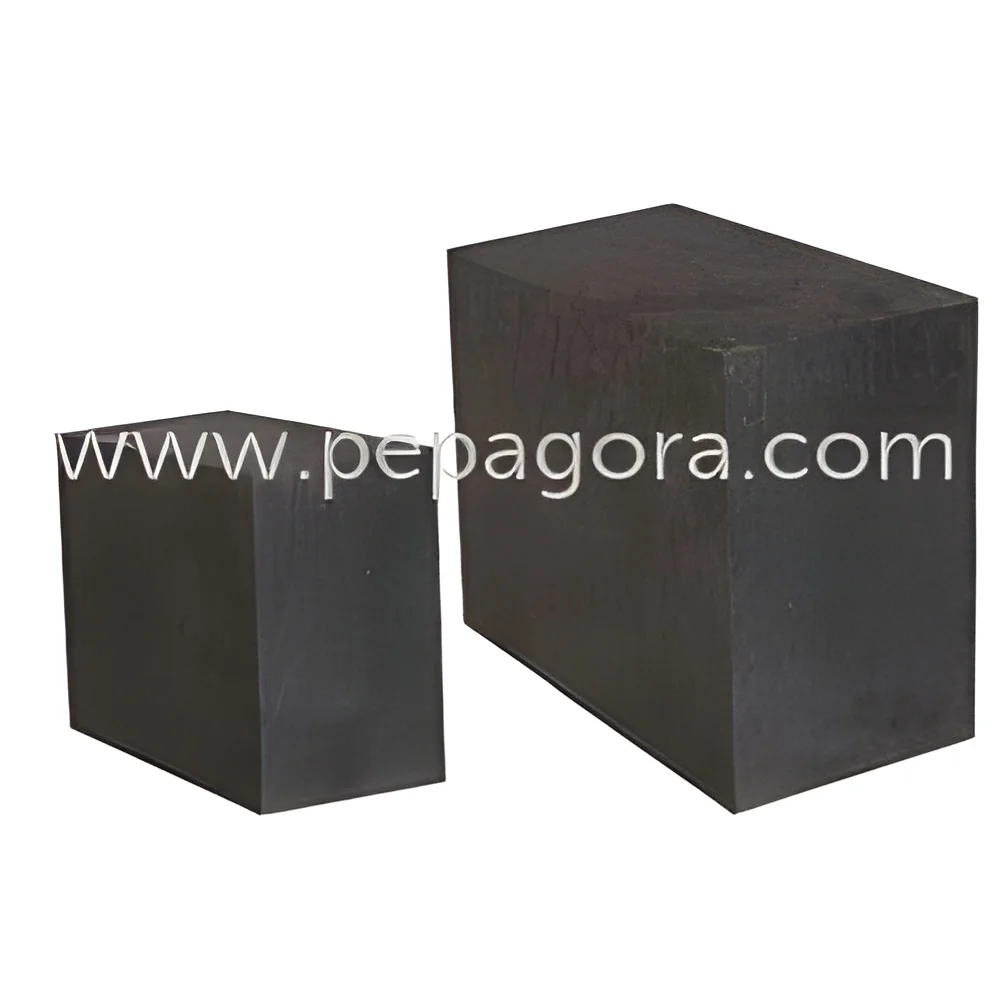
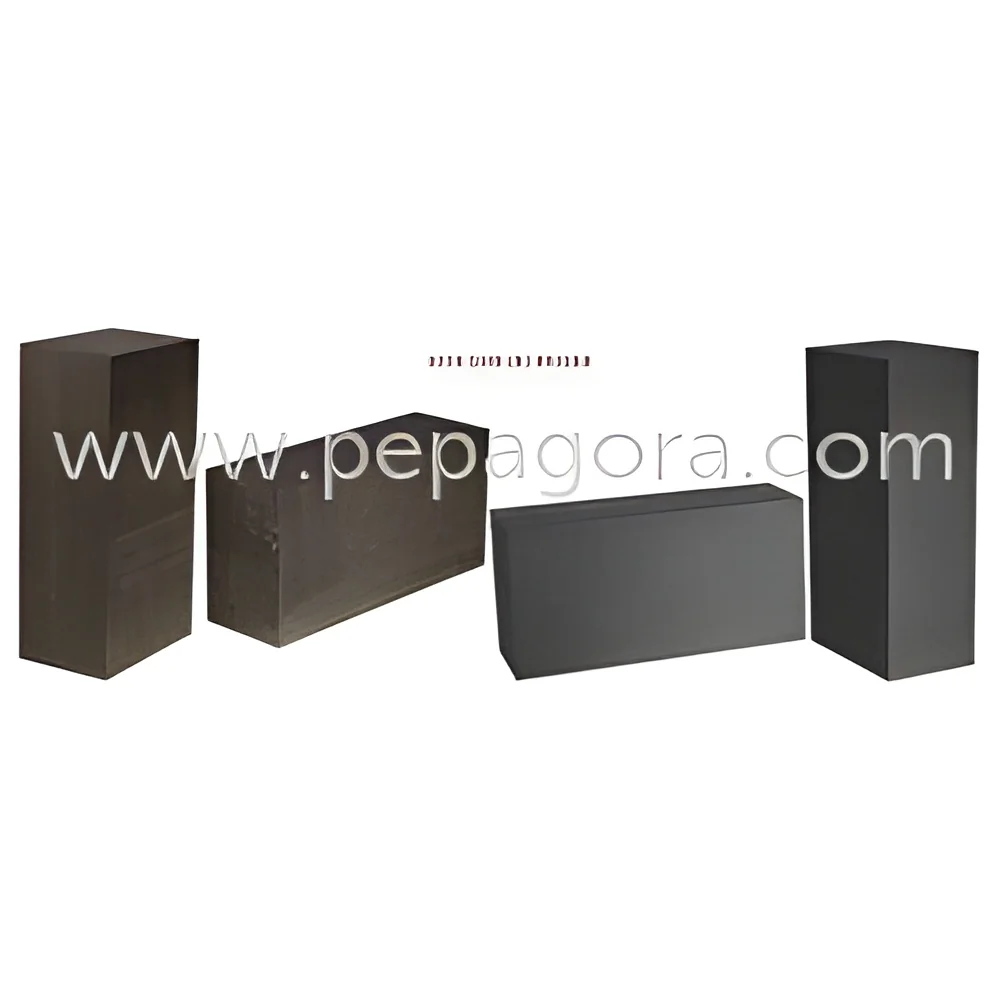
Alumina silicon carbide carbon bricks represent advanced refractory technology that combines three critical materials to deliver superior performance in extreme high-temperature conditions. These bricks integrate high-alumina content for excellent refractory properties, silicon carbide for exceptional thermal conductivity and abrasion resistance, and carbon for enhanced thermal shock resistance and non-wetting characteristics against molten metals. This sophisticated material composition ensures outstanding performance in the most demanding industrial applications where conventional refractories would rapidly deteriorate. Manufactured under strict quality controls using high-purity raw materials and advanced pressing techniques, these bricks achieve consistent density, strength, and thermal properties batch after batch for reliable performance.

These advanced refractory bricks serve critical roles across multiple heavy industries where high temperatures, thermal cycling, and corrosive...
Alumina silicon carbide carbon bricks represent advanced refractory technology that combines three critical materials to deliver superior performance in extreme high-temperature conditions. These bricks integrate high-alumina content for excellent refractory properties, silicon carbide for exceptional thermal conductivity and abrasion resistance, and carbon for enhanced thermal shock resistance and non-wetting characteristics against molten metals. This sophisticated material composition ensures outstanding performance in the most demanding industrial applications where conventional refractories would rapidly deteriorate. Manufactured under strict quality controls using high-purity raw materials and advanced pressing techniques, these bricks achieve consistent density, strength, and thermal properties batch after batch for reliable performance.

These advanced refractory bricks serve critical roles across multiple heavy industries where high temperatures, thermal cycling, and corrosive environments present daily operational challenges. In the steel industry, they line blast furnaces, torpedo cars, and troughs that handle molten iron at temperatures exceeding 1500°C. Cement manufacturers utilize them in rotary kiln burning zones and transition areas where both high temperatures and abrasive conditions exist simultaneously. Foundries depend on these bricks for induction furnace linings that melt ferrous and non-ferrous metals, while processing plants specify them for reactors handling corrosive chemical processes. The waste management sector increasingly adopts these bricks for furnace linings that must withstand both thermal shock and chemical attack from varied waste streams.

The operational value of alumina silicon carbide carbon bricks lies in their ability to significantly extend equipment lifespan while reducing maintenance downtime and operational costs. Their superior thermal shock resistance means fewer emergency shutdowns for repairs, while their corrosion resistance translates to less frequent lining replacements. This reliability directly impacts production continuity and operational efficiency for industrial facilities. The combination of proven performance characteristics and technical consistency makes these bricks a strategic investment for operations prioritizing long-term reliability and consistent production output over initial cost considerations.

Key Features:
- Triple composite structure with alumina, silicon carbide, and carbon
- Exceptional thermal shock resistance for rapid temperature changes
- High cold crushing strength for mechanical durability under load
- Low porosity providing superior resistance to slag penetration
- Consistent quality and performance across production batches

Benefits:
- Extended equipment lifespan reducing replacement frequency
- Reduced maintenance downtime for increased operational uptime
- Superior corrosion protection in harsh chemical environments
- Enhanced thermal stability during rapid temperature fluctuations
- Reliable performance consistency across production cycles
Specifications
| Additional Information | |
|---|---|
| Country of Origin | India |
| Customisable | No |
Application
Alumina silicon carbide carbon bricks are engineered specifically for extreme thermal environments where standard refractories cannot perform. Their unique composition delivers outstanding resistance to thermal shock, abrasion, and chemical corrosion, making them ideal for lining high-temperature industrial furnaces, reactors, and vessels that operate under severe mechanical and thermal stress conditions daily.
These refractory bricks maintain structural integrity in temperatures exceeding 1500°C while withstanding prolonged exposure to molten metals, slags, and alkaline atmospheres. They provide stable performance where other materials would degrade rapidly, making them essential for critical applications in metal processing, waste management, and chemical production where operational reliability cannot be compromised.
- Blast furnace hearths and tuyeres in steel manufacturing plants
- Primary linings in cement rotary kilns with high abrasion areas
- Foundry furnace linings for iron and non-ferrous metal melting
- Waste-to-energy plant incinerators handling corrosive materials
- Chemical reactor vessels in processing industries requiring acid resistance
Trade Details
| Available Stock | In Stock |
| Sample Availability | No |
Payment Terms
| Payment Terms |
|
Company Profile
Gita Refractories (P) Ltd, Karnataka
 Karnataka, India
Karnataka, IndiaManufacturer•Distributor / Wholesaler•Importer / Exporter
Factory Details
Factory SizeBelow 1000 sqm
Annual Production Capacity0
Alumina Silicon Carbide Carbon Bricks for High Temperature Furnace Linings
Premium alumina silicon carbide carbon bricks for high temperature furnace linings offer exceptional thermal shock resistance and corrosion protection for steel, cement, and foundry industries with reliable performance in extreme heat applications.
Min. Order Quantity: 1 unit
Shipping
Shipping fee and delivery date to be negotiated. Contact supplier now for more details.
Gita Refractories (P) Ltd
 Karnataka, India
Karnataka, IndiaManufacturer