IN
IN₹
Apparel & Fashion
Description
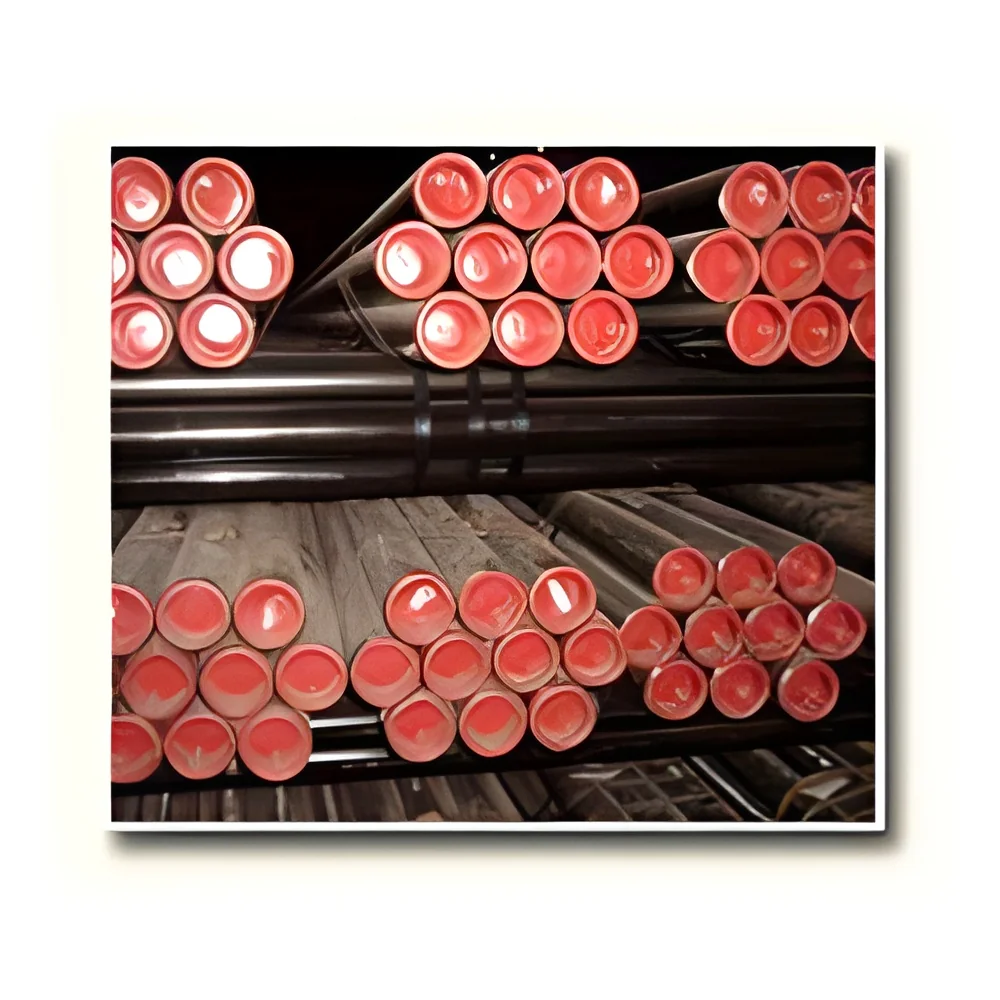
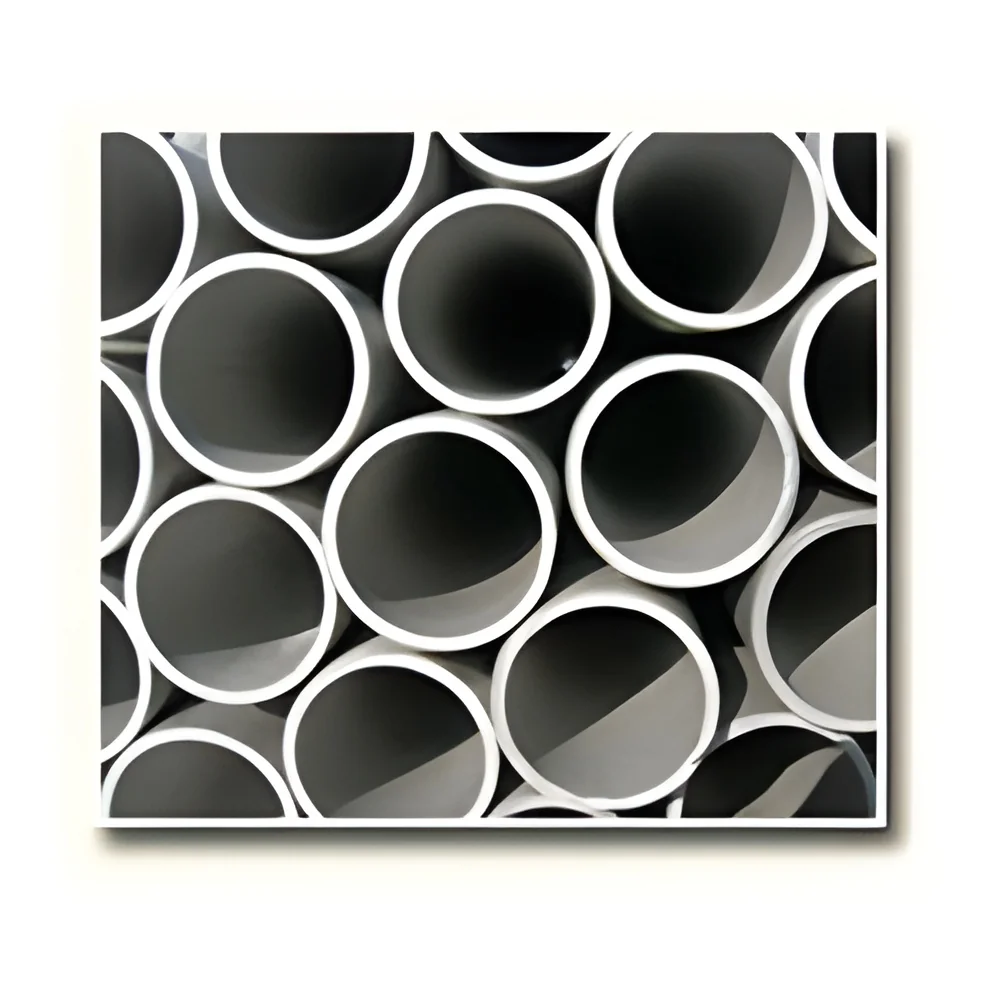
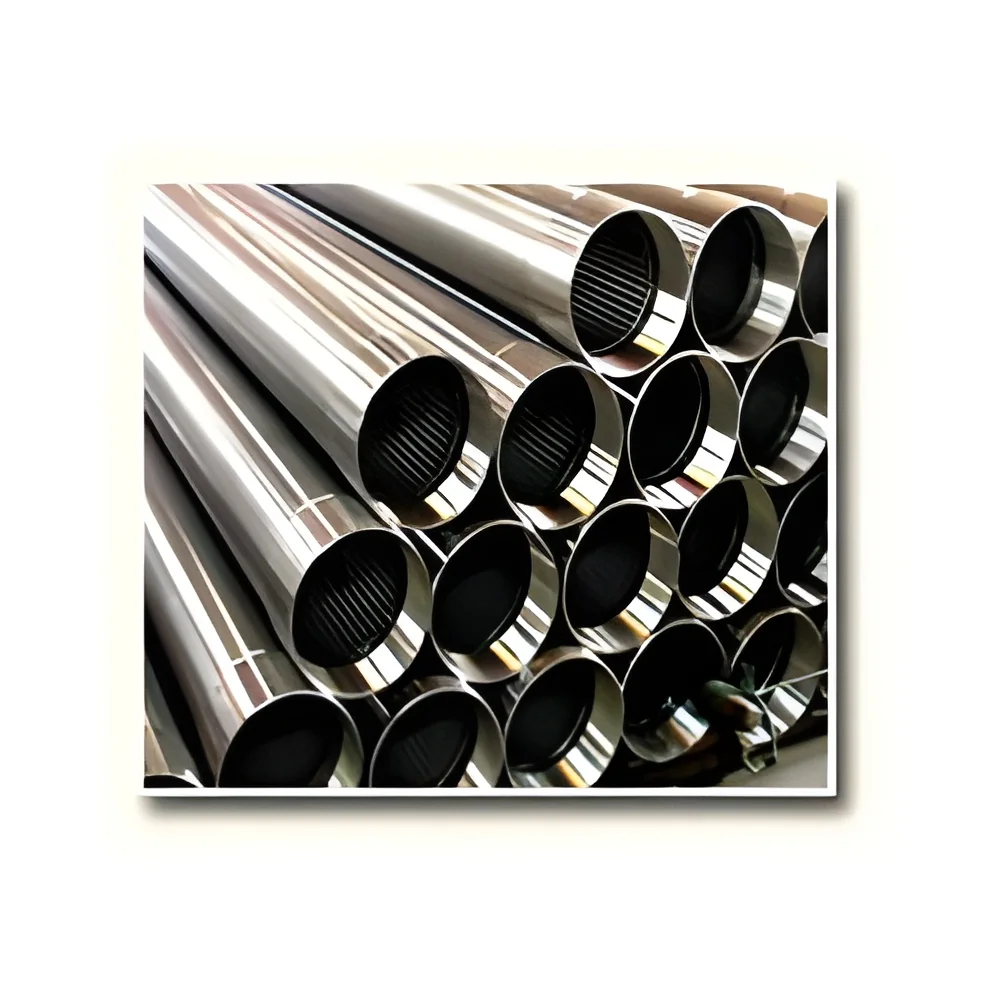
Industrial Alloy Steel Pipes, specifically grades like A335 P91 and P92, represent a specialized category of high-performance piping designed for extreme service conditions. These pipes are manufactured from alloy steels containing precise additions of chromium, molybdenum, and other elements, which impart exceptional strength and durability at elevated temperatures. Unlike standard carbon steel pipes, they maintain their structural integrity under high pressure and thermal stress, preventing creep and fatigue failures. This makes them the material of choice for applications where safety, longevity, and reliability are paramount. Their availability in various diameters and lengths ensures they can be integrated into both new projects and existing infrastructure upgrades, providing a robust solution for demanding industrial fluid and gas transport.

These high-strength alloy steel pipes are indispensable across several core heavy industries. In the power generation sector, they form the...
Industrial Alloy Steel Pipes, specifically grades like A335 P91 and P92, represent a specialized category of high-performance piping designed for extreme service conditions. These pipes are manufactured from alloy steels containing precise additions of chromium, molybdenum, and other elements, which impart exceptional strength and durability at elevated temperatures. Unlike standard carbon steel pipes, they maintain their structural integrity under high pressure and thermal stress, preventing creep and fatigue failures. This makes them the material of choice for applications where safety, longevity, and reliability are paramount. Their availability in various diameters and lengths ensures they can be integrated into both new projects and existing infrastructure upgrades, providing a robust solution for demanding industrial fluid and gas transport.

These high-strength alloy steel pipes are indispensable across several core heavy industries. In the power generation sector, they form the critical backbone of steam lines, main steam piping, and hot reheat lines in fossil fuel and nuclear plants, where they must withstand temperatures exceeding 500°C. The oil and gas industry relies on them for refinery process units, high-pressure transmission lines, and components in exploration and production where sour service resistance is needed. Chemical processing plants utilize these pipes to safely convey aggressive, corrosive chemicals at high pressures and temperatures. Furthermore, they are vital in cogeneration plants, industrial boilers, and any system involving high-temperature heat transfer, providing a reliable conduit that ensures continuous and safe operation.

The business value of sourcing these specific alloy steel pipes lies in their direct contribution to operational efficiency, safety, and total cost of ownership. Their inherent high strength and resistance to degradation reduce the frequency of maintenance interventions and unplanned shutdowns, maximizing plant uptime and productivity. The long service life and reliability under extreme conditions translate into lower lifecycle costs, protecting capital investment. By specifying proven grades like P91 and P92, engineers and procurement managers mitigate project risk, ensuring compliance with international pressure vessel and piping codes. This reliability builds trust in your supply chain and end-products, making these pipes a strategic investment for businesses focused on sustainable, safe, and efficient industrial operations.

Key Features:
- Manufactured from high-grade alloy steel for exceptional tensile and yield strength.
- Superior resistance to high-temperature creep, oxidation, and thermal fatigue.
- Excellent corrosion resistance suitable for harsh chemical and refinery environments.
- Available in standard grades A335, P91, and P92, meeting specific mechanical property requirements.
- Precise dimensional accuracy and excellent surface finish for reliable welding and installation.

Benefits:
- Ensures long-term system integrity and safety in high-pressure, high-temperature applications.
- Reduces maintenance costs and extends service life, lowering total cost of ownership.
- Provides reliable performance that minimizes operational downtime and production losses.
- Meets stringent international standards for critical industrial piping systems.
- Offers a proven solution for enhancing the durability and efficiency of industrial infrastructure.
Specifications
| Additional Information | |
|---|---|
| Country of Origin | India |
Application
Industrial Alloy Steel Pipes A335 P91 P92 are engineered for environments where standard materials fail. Their superior mechanical properties, including high tensile strength and excellent resistance to corrosion and extreme temperatures, make them essential for critical infrastructure. These pipes are designed to maintain integrity under severe operational stress, ensuring reliable performance in the most challenging industrial settings.
Available in specific grades like A335, P91, and P92, each formulation meets precise technical requirements for pressure, temperature, and chemical exposure. This allows for exact specification matching to project needs, ensuring system compatibility and operational safety. The product's reliability under continuous high-stress conditions makes it a fundamental component for industries where failure is not an option.
- Power generation plants for high-temperature steam lines and boiler feed systems.
- Oil and gas refineries for process piping, transmission lines, and high-pressure applications.
- Chemical and petrochemical plants handling corrosive fluids and high-temperature processes.
- Thermal power stations and combined cycle plants for critical high-pressure piping.
- Industrial heating systems, heat exchangers, and furnace applications requiring thermal stability.
Trade Details
| Available Stock | In Stock |
| Sample Availability | No |
Payment Terms
| Payment Terms |
|
Company Profile
Balaji Trade Centre, West Bengal
 West Bengal, India
West Bengal, IndiaRaw Materials & Chemicals•Trading Company•Distributor / Wholesaler•Importer / Exporter
Factory Details
Factory SizeBelow 1000 sqm
Annual Production Capacity0
Industrial Alloy Steel Pipes A335 P91 P92 High Strength
Industrial Alloy Steel Pipes A335 P91 P92 offer high strength and corrosion resistance for demanding industrial applications. Available in various diameters, lengths, and grades including A335, P91, and P92.
Min. Order Quantity: 1 unit
Shipping
Shipping fee and delivery date to be negotiated. Contact supplier now for more details.
Balaji Trade Centre
 West Bengal, India
West Bengal, IndiaRaw Materials & ChemicalsTrading Company