IN
IN₹
Apparel & Fashion
Loading subcategories...
View More
Description
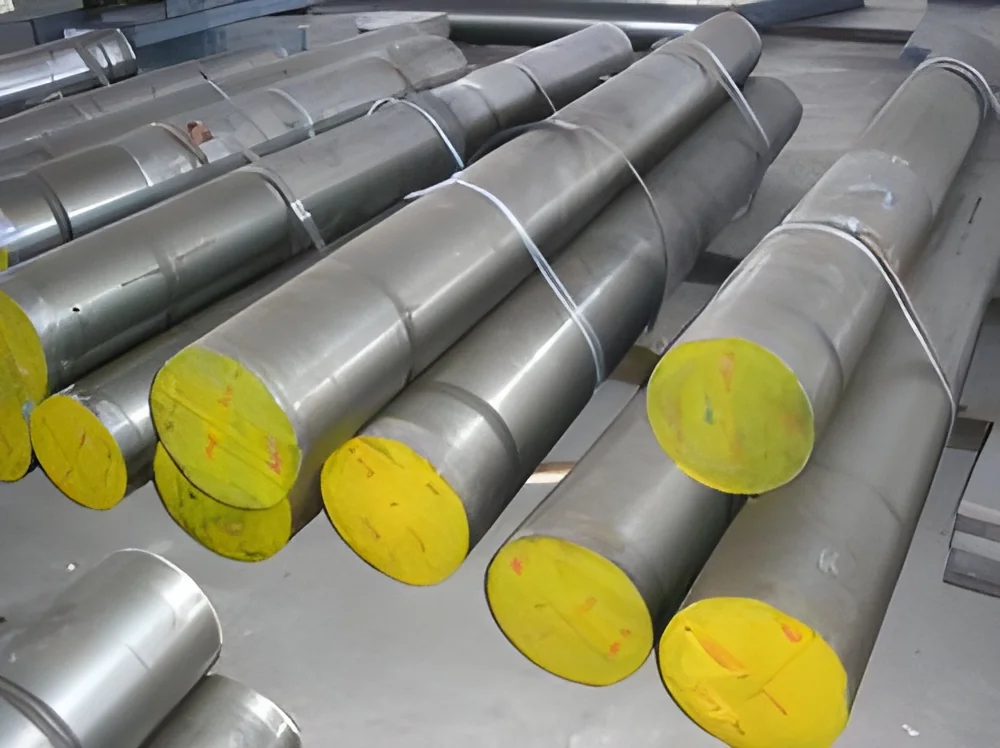
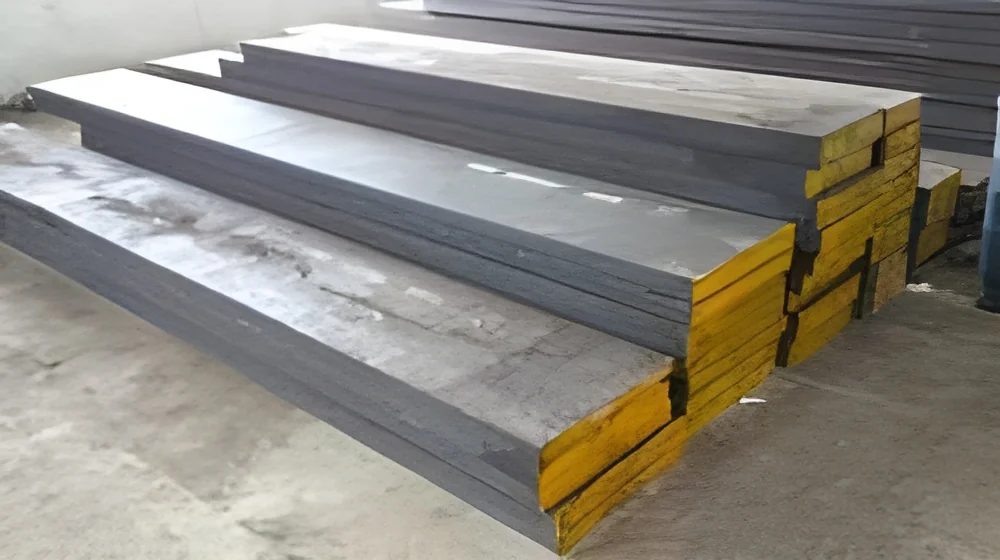
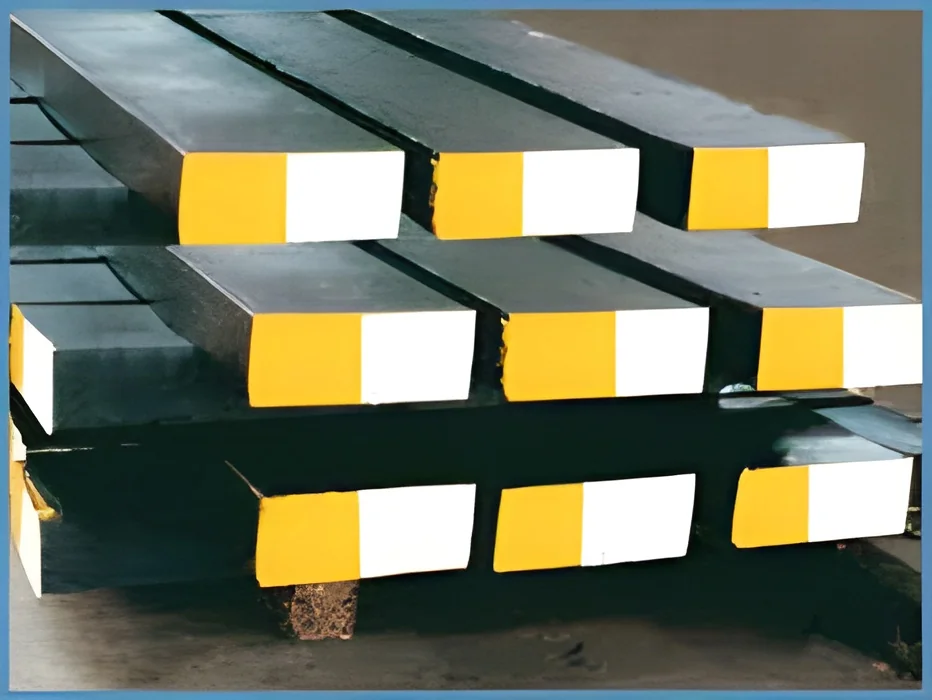
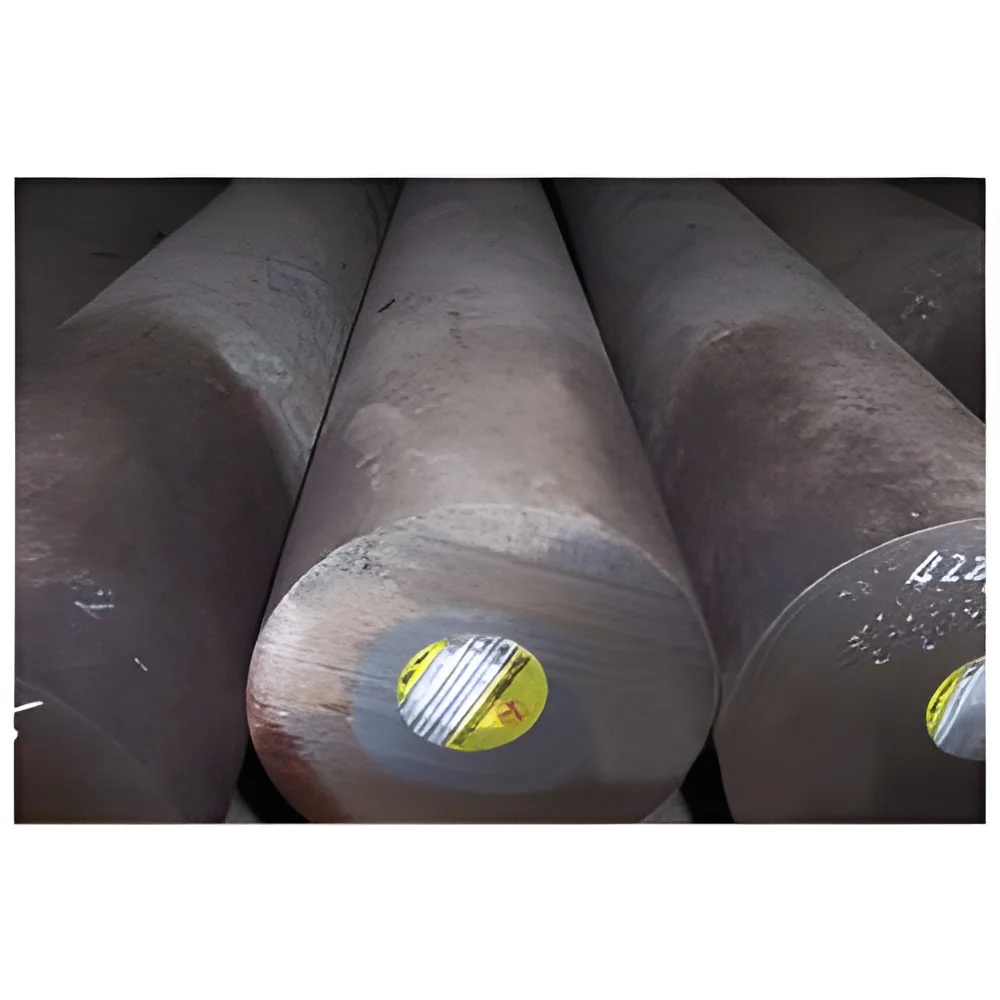
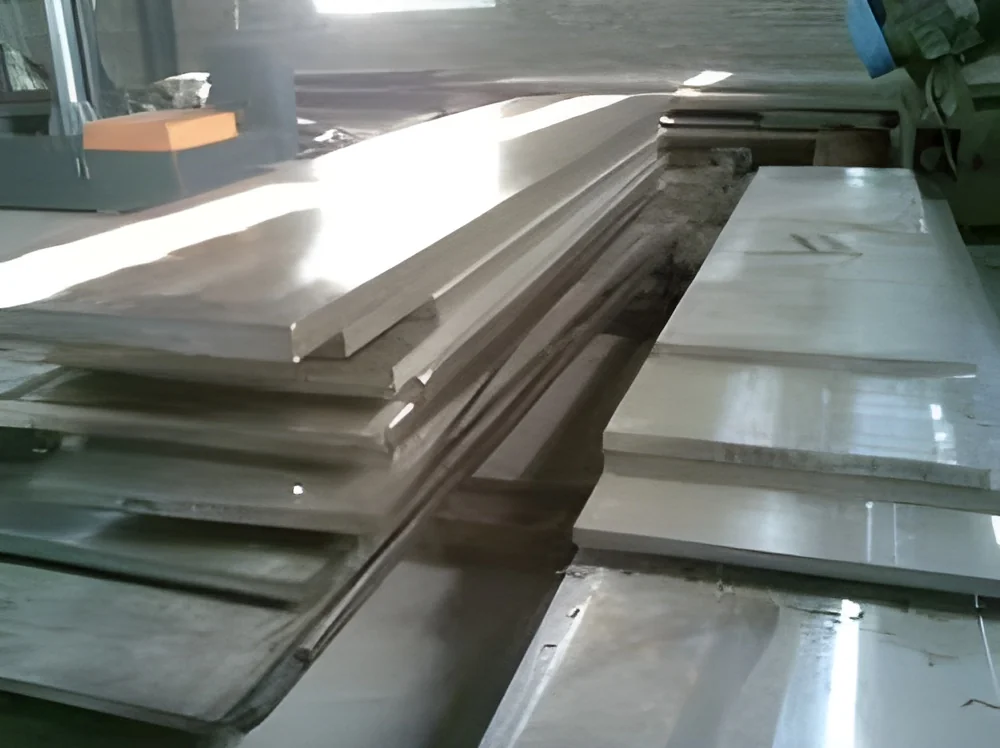
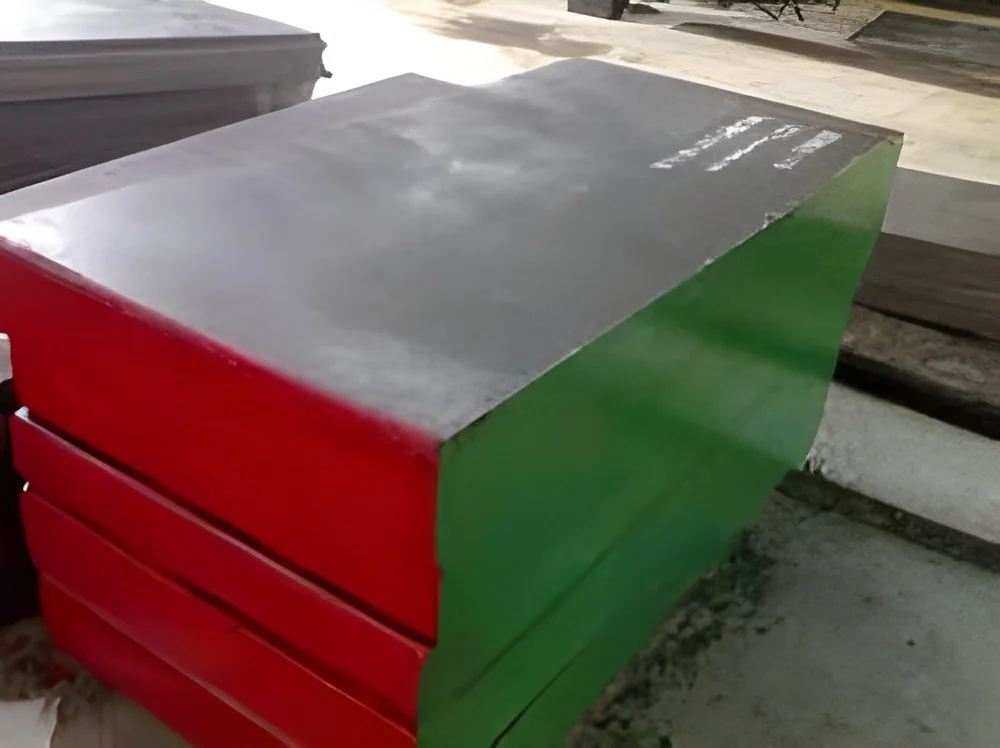
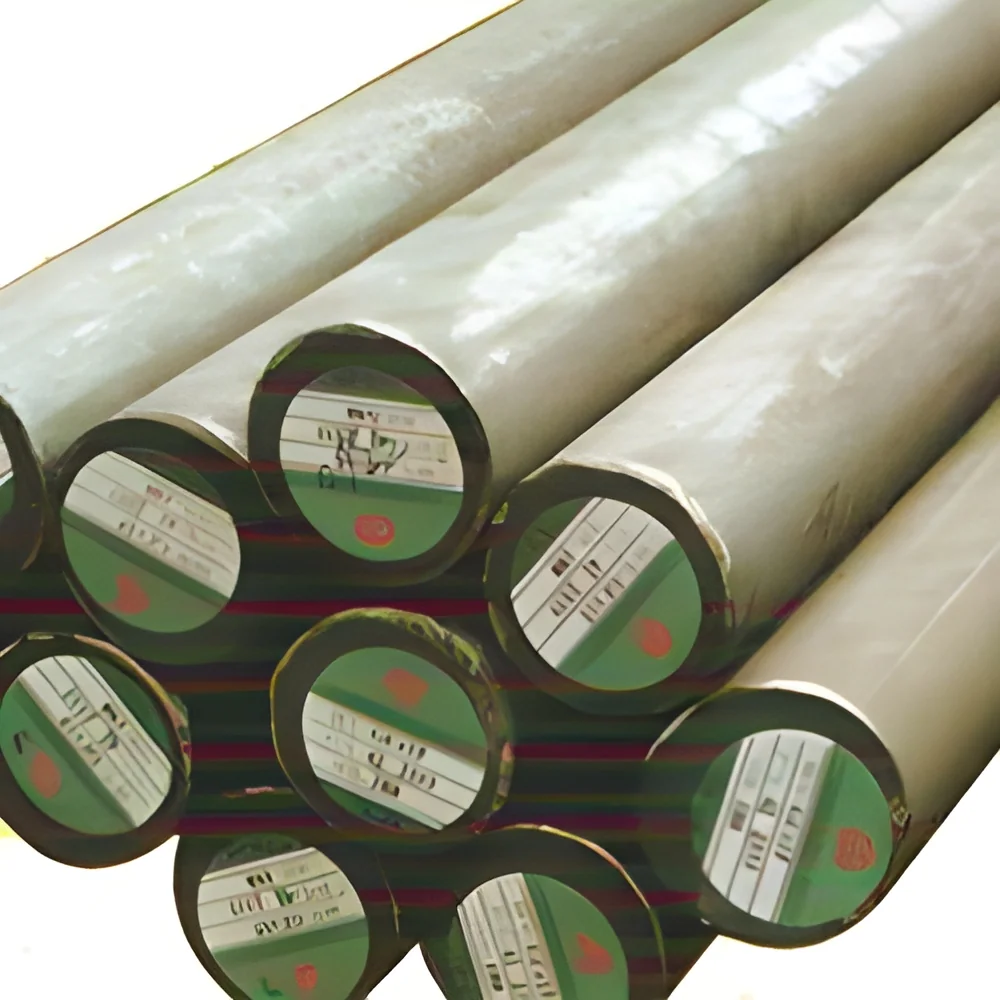
Our premium alloy steel represents the pinnacle of material engineering for demanding mechanical applications. Specifically formulated with carefully balanced alloying elements, this steel delivers exceptional mechanical properties that surpass standard carbon steels in strength, durability, and performance consistency. The manufacturing process incorporates rigorous quality controls at every stage, from raw material selection through precise heat treatment and final testing, ensuring uniform metallurgical characteristics across all production batches. This attention to detail results in a material that provides predictable performance under extreme operational conditions, making it the trusted choice for engineers and manufacturers who cannot compromise on material reliability.

The automotive industry extensively utilizes this alloy steel for critical components where safety and performance intersect. Engine parts including crankshafts, connecting rods, and valve trains benefit from ...
Our premium alloy steel represents the pinnacle of material engineering for demanding mechanical applications. Specifically formulated with carefully balanced alloying elements, this steel delivers exceptional mechanical properties that surpass standard carbon steels in strength, durability, and performance consistency. The manufacturing process incorporates rigorous quality controls at every stage, from raw material selection through precise heat treatment and final testing, ensuring uniform metallurgical characteristics across all production batches. This attention to detail results in a material that provides predictable performance under extreme operational conditions, making it the trusted choice for engineers and manufacturers who cannot compromise on material reliability.

The automotive industry extensively utilizes this alloy steel for critical components where safety and performance intersect. Engine parts including crankshafts, connecting rods, and valve trains benefit from its high fatigue strength and temperature resistance. Transmission systems rely on its wear resistance for gears and shafts, while structural components leverage its excellent strength-to-weight ratio. Beyond automotive applications, heavy equipment manufacturers specify this material for construction machinery, mining equipment, and industrial tools that operate in punishing environments. The energy sector employs it for drilling components, turbine parts, and structural supports where material failure would result in significant operational disruptions and safety concerns.

Businesses choose this premium alloy steel for its proven reliability and consistent quality that translates directly to operational advantages. The material's exceptional durability reduces maintenance frequency and extends component lifespan, lowering total ownership costs while minimizing production downtime. Its predictable performance under stress allows engineers to design with confidence, optimizing safety margins without unnecessary material over-specification. The consistent quality across batches ensures manufacturing processes remain stable, reducing variability in production outcomes and supporting just-in-time manufacturing systems. This reliability builds trust in supply chains where material performance directly impacts finished product quality and brand reputation.

Key Features:
- Superior tensile strength and fatigue resistance for high-stress applications
- Exceptional wear resistance and impact tolerance in demanding environments
- Consistent metallurgical properties across all production batches
- High temperature performance maintaining strength under thermal cycling
- Precise manufacturing with rigorous quality control at every stage

Benefits:
- Extended component lifespan reducing replacement frequency and costs
- Lower maintenance requirements minimizing operational downtime
- Predictable performance enabling confident engineering design
- Consistent quality supporting stable manufacturing processes
- Enhanced safety through reliable material performance under stress
Specifications
| Additional Information | |
|---|---|
| Country of Origin | India |
| Customisable | No |
Application
This premium alloy steel is engineered for automotive manufacturing, where its exceptional tensile strength and fatigue resistance are critical for engine components, transmission systems, and structural parts. It withstands extreme pressure and temperature cycles, ensuring longevity and safety in vehicles where material failure is not an option. The material's consistent metallurgical properties provide predictable performance for manufacturers requiring precise specifications and reliable supply chains.
Industrial machinery sectors utilize this alloy steel for heavy-duty components in construction, mining, and manufacturing equipment. Its superior wear resistance and impact tolerance make it ideal for gears, shafts, bearing assemblies, and structural frames that operate under continuous stress. The material maintains structural integrity in harsh environments, reducing equipment downtime and maintenance costs while supporting efficient production operations across various industrial applications.
- Automotive engine and drivetrain components including crankshafts, camshafts, and connecting rods
- Heavy construction equipment parts such as excavator arms, bulldozer blades, and crane components
- Industrial machinery elements including high-stress gears, drive shafts, and hydraulic system parts
- Mining equipment components that require extreme durability and resistance to abrasive conditions
- Precision manufacturing tools, dies, and molds for consistent production quality
Trade Details
| Available Stock | In Stock |
| Sample Availability | No |
Payment Terms
| Payment Terms |
|
Company Profile
Dua Steel Traders, New Delhi
 New Delhi, India
New Delhi, IndiaRaw Materials & Chemicals•Trading Company•Distributor / Wholesaler
Factory Details
Factory SizeBelow 1000 sqm
Annual Production Capacity0
Main Markets
South Asia
Premium Alloy Steel For Automotive And Industrial Machinery Components
Premium alloy steel for automotive and industrial machinery components delivers superior strength, reliability, and consistent quality for high-performance parts in demanding applications.
Min. Order Quantity: 1 unit
Shipping
Shipping fee and delivery date to be negotiated. Contact supplier now for more details.
Dua Steel Traders
 New Delhi, India
New Delhi, IndiaRaw Materials & ChemicalsTrading Company