IN
IN₹
Apparel & Fashion
Description
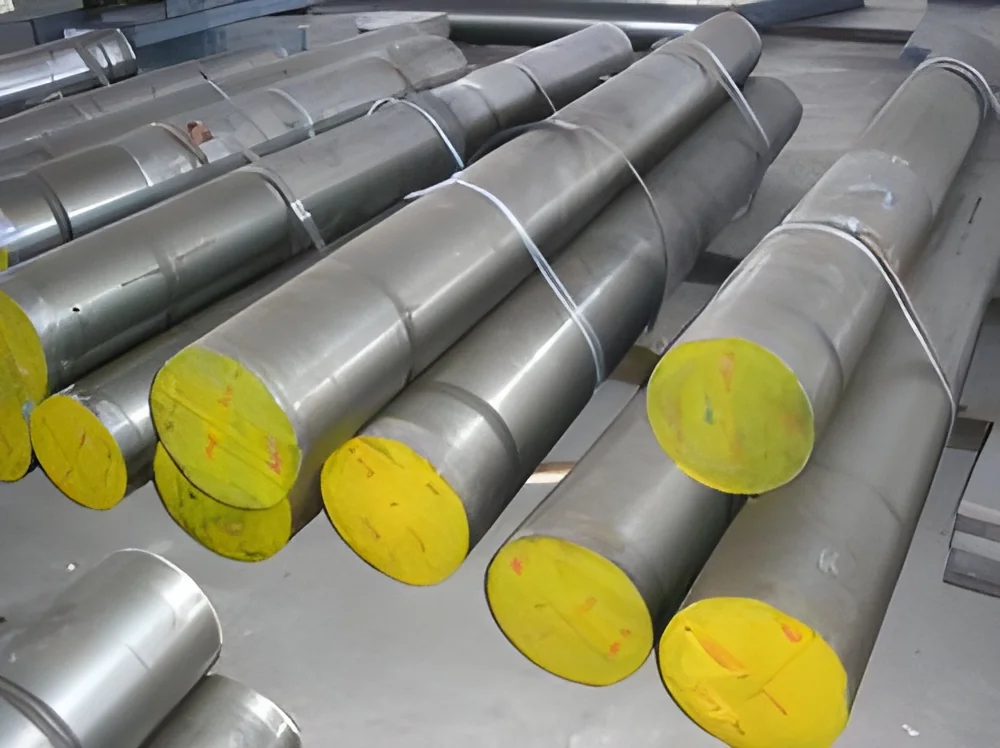
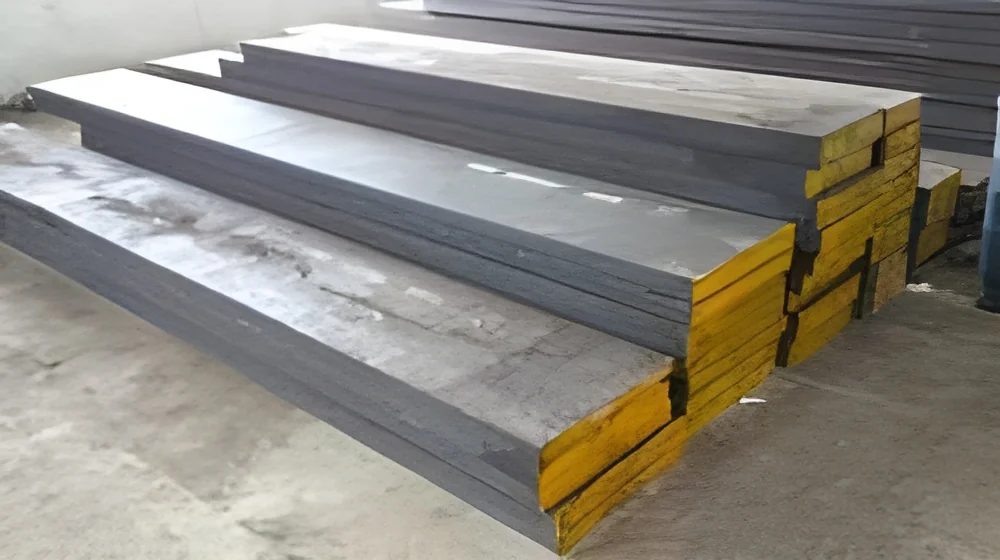
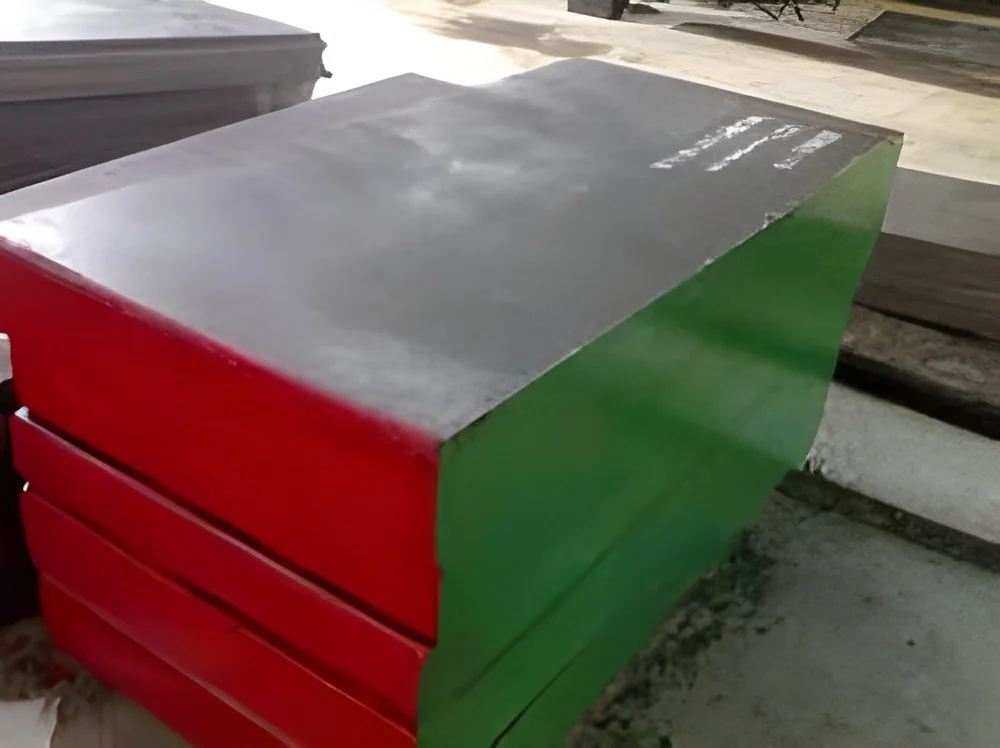
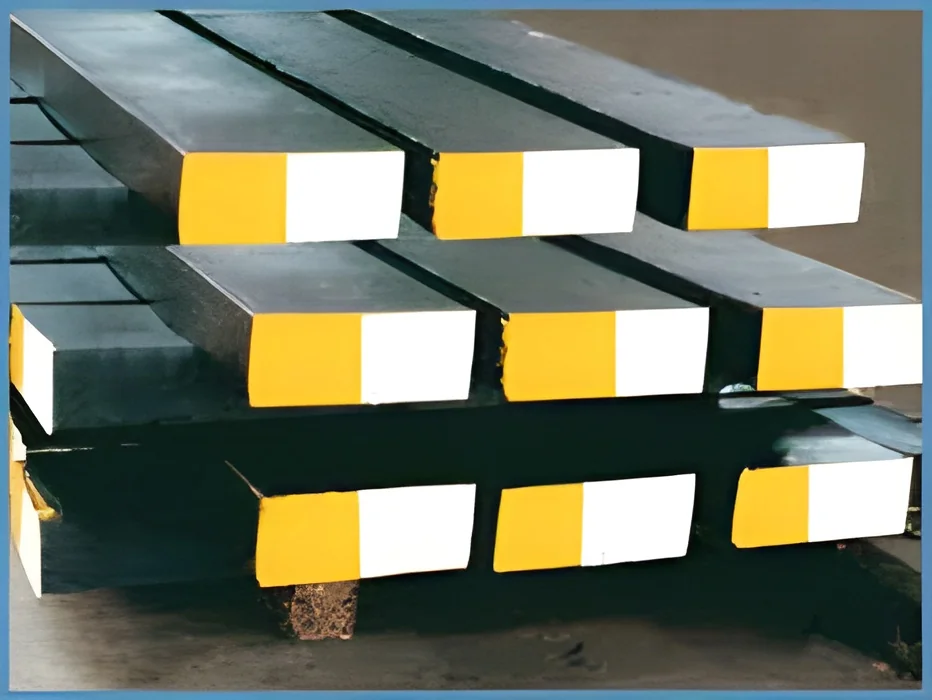
Our industrial cold work tool steel represents the pinnacle of material engineering for cold processing applications, specifically formulated for manufacturing durable tools that operate without heating processes. This specialized steel maintains exceptional performance characteristics under extreme mechanical stress and demanding production conditions. It delivers superior wear resistance, remarkable toughness, and reliable consistency that industrial manufacturers require for their most critical tooling applications. The material is engineered to withstand the rigorous demands of cold working operations including cutting, bending, forming, and stamping various metals while maintaining dimensional stability and optimal edge retention throughout extended production runs.

This advanced cold work steel serves multiple industries that depend on precision tooling for both mass production and specialized manufacturing requirements. The automotive industry extensively utilizes it for stampi...
Our industrial cold work tool steel represents the pinnacle of material engineering for cold processing applications, specifically formulated for manufacturing durable tools that operate without heating processes. This specialized steel maintains exceptional performance characteristics under extreme mechanical stress and demanding production conditions. It delivers superior wear resistance, remarkable toughness, and reliable consistency that industrial manufacturers require for their most critical tooling applications. The material is engineered to withstand the rigorous demands of cold working operations including cutting, bending, forming, and stamping various metals while maintaining dimensional stability and optimal edge retention throughout extended production runs.

This advanced cold work steel serves multiple industries that depend on precision tooling for both mass production and specialized manufacturing requirements. The automotive industry extensively utilizes it for stamping dies that produce body panels and structural components with exacting tolerances and consistent quality. Metal fabrication operations rely on it for shear blades and cutting tools that process various metal alloys efficiently. Manufacturing facilities employ it for punches, dies, and forming tools that shape everything from electronic components to household appliances and industrial equipment. The aerospace sector values it for tooling that forms high-strength alloys, while general engineering applications benefit from its versatility in creating custom tooling solutions for specialized production needs.

Manufacturers select our cold work steel for its proven reliability and significant operational advantages that directly impact production efficiency and cost-effectiveness. The material's exceptional wear resistance translates to substantially extended tool life, reducing replacement frequency and minimizing costly production downtime. Its superior resistance to chipping and cracking ensures consistent product quality throughout extended production runs, maintaining dimensional accuracy and surface finish requirements. The steel's higher hardness and strength characteristics enable more precise manufacturing tolerances, while its excellent toughness under stress provides operational confidence in high-volume production environments. These combined qualities deliver lower total cost of ownership and improved manufacturing efficiency for industrial operations.

Key Features:
- Exceptional wear resistance for extended tool life and reduced maintenance requirements
- High toughness and resistance to chipping and cracking under extreme stress conditions
- Superior hardness and strength characteristics for maintaining precise manufacturing tolerances
- Consistent material properties ensuring reliable performance across production batches
- Engineered for cold working applications without heating processes

Benefits:
- Extended tool lifespan reducing replacement costs and production interruptions
- Consistent performance maintaining product quality throughout production runs
- Reduced maintenance requirements and associated operational downtime
- Enhanced manufacturing precision through superior material characteristics
- Improved production efficiency and lower total cost of ownership
Specifications
| Additional Information | |
|---|---|
| Country of Origin | India |
Application
This premium cold work tool steel is engineered specifically for manufacturing high-performance tools that shape, cut, and form materials without heating processes. The material maintains exceptional structural integrity under extreme pressure conditions, making it indispensable for precision manufacturing operations where dimensional accuracy and extended tool longevity are critical requirements. It delivers consistent performance across diverse cold working applications in demanding industrial environments.
Widely utilized across metalworking, automotive manufacturing, and heavy industrial sectors where durability and reliability are non-negotiable. From stamping complex automotive components to forming precise sheet metal parts, this cold work steel provides unmatched performance in rigorous production settings. Its versatility makes it equally suitable for high-volume mass production operations and specialized custom tooling applications requiring precise material specifications and performance characteristics.
- Stamping dies for automotive body panels and structural components
- Precision punches and dies for electronic connector manufacturing
- Cold rolling mill rolls for producing flat-rolled steel products
- Sheet metal forming tools for appliance and aerospace industries
- Cutting blades and shear tools for metal fabrication workshops
Trade Details
| Available Stock | In Stock |
| Sample Availability | No |
Payment Terms
| Payment Terms |
|
Company Profile
Dua Steel Traders, New Delhi
 New Delhi, India
New Delhi, IndiaRaw Materials & Chemicals•Trading Company•Distributor / Wholesaler
Factory Details
Factory SizeBelow 1000 sqm
Annual Production Capacity0
Main Markets
South Asia
Industrial Cold Work Tool Steel For Durable Dies Punches Cutting Tools
Industrial cold work tool steel for durable dies, punches, and cutting tools offering high wear resistance, toughness, and reliability for cold processing operations across various industrial applications.
Min. Order Quantity: 1 unit
Shipping
Shipping fee and delivery date to be negotiated. Contact supplier now for more details.
Dua Steel Traders
 New Delhi, India
New Delhi, IndiaRaw Materials & ChemicalsTrading Company