IN
IN₹
Apparel & Fashion
Description
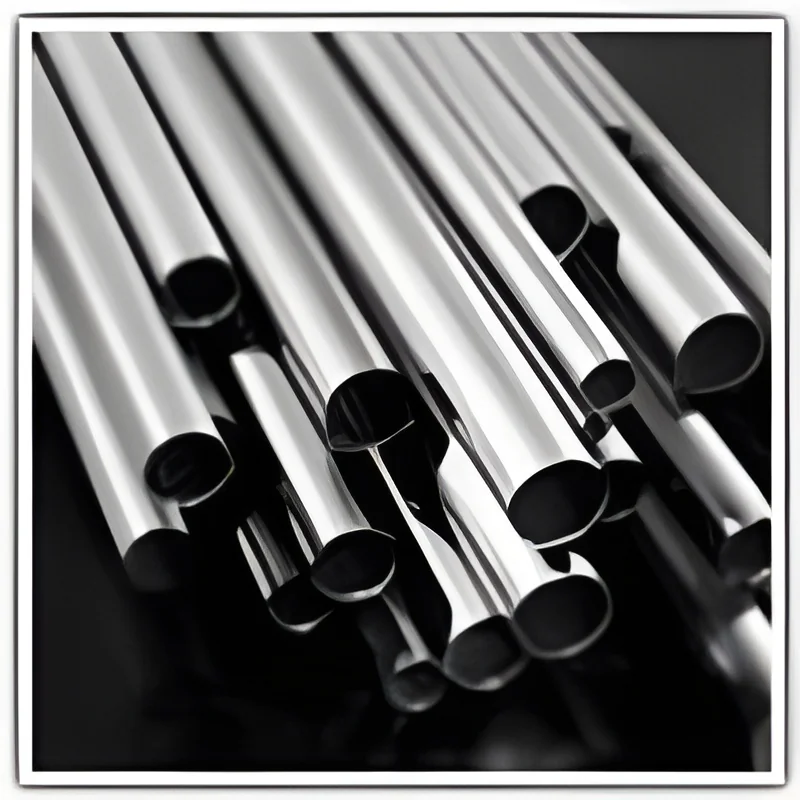
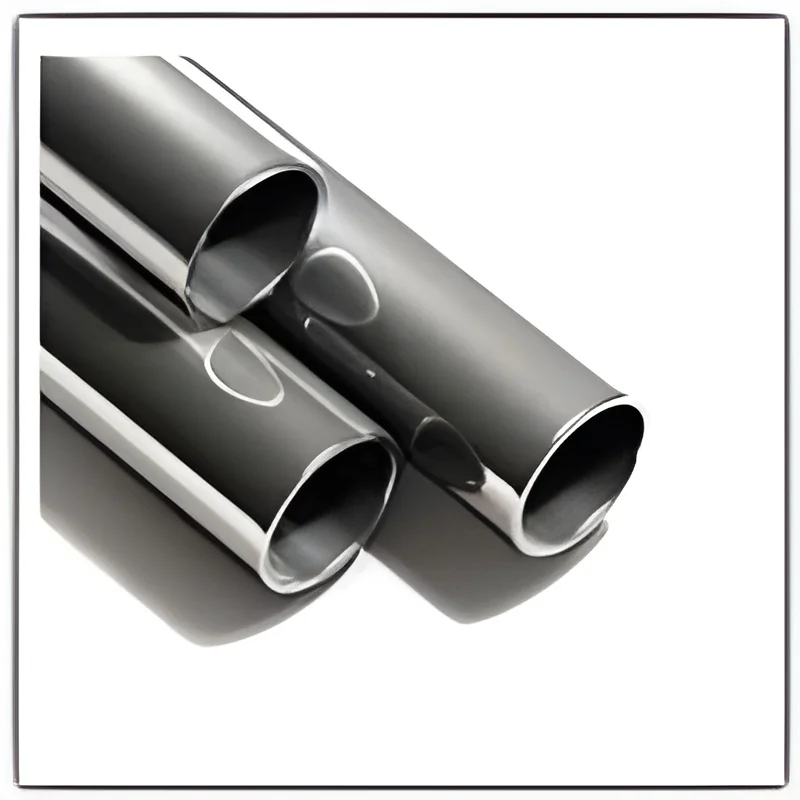
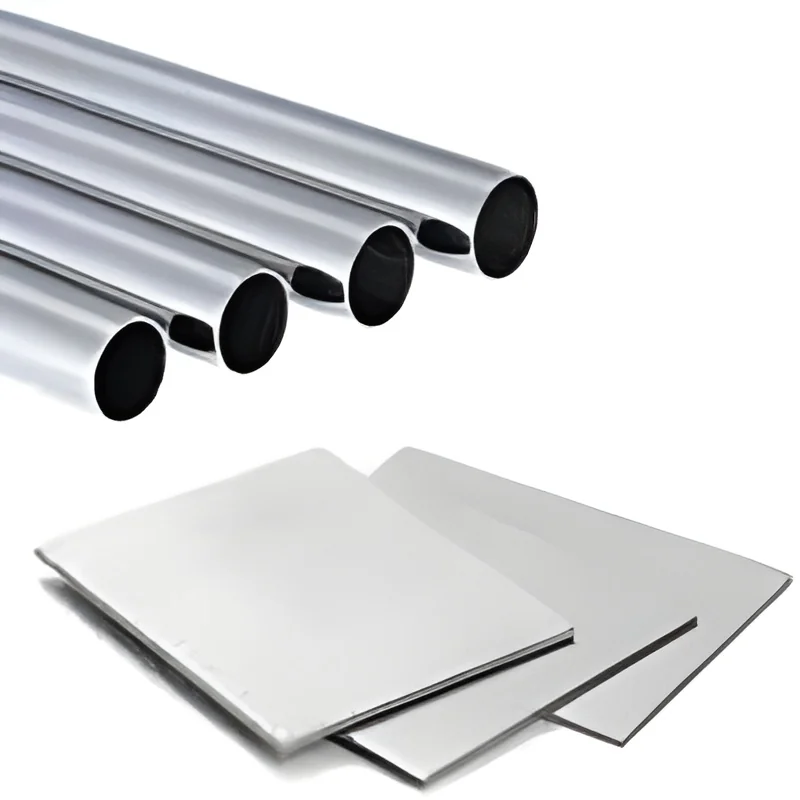
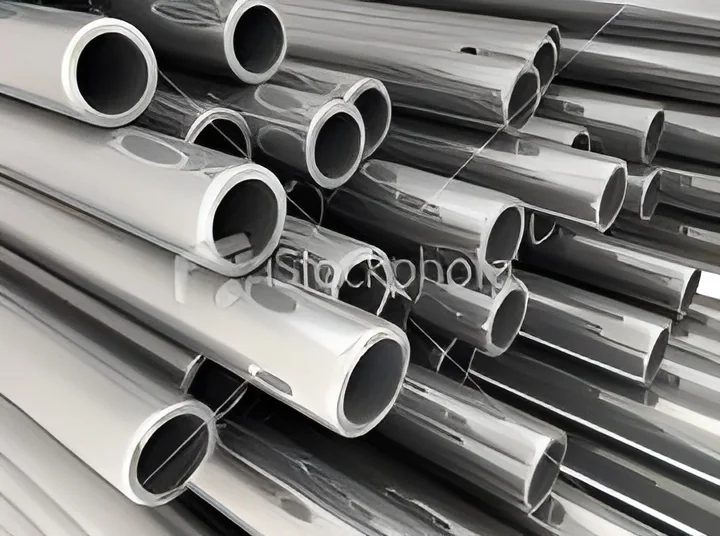
ALLOY 316L (UNS S31603, WNR 1.4404) represents the premium grade of molybdenum-enhanced austenitic stainless steel, specifically engineered to deliver superior corrosion resistance in challenging environments. This low-carbon variant excels particularly against chloride-induced pitting and crevice corrosion, outperforming standard stainless steels in aggressive conditions. The austenitic structure ensures remarkable toughness across temperature extremes, from cryogenic applications to high-temperature operations, while providing enhanced creep resistance and tensile strength. With minimal price difference from standard 316 stainless steel, it offers cost-effective performance for businesses seeking reliable material solutions for critical applications.

This advanced alloy serves industries where corrosion resistance, durability, and material integrity are non-negotiable requirements. In chemical processing sectors, it handles aggressive acids, solvents, and corrosive media with except...
ALLOY 316L (UNS S31603, WNR 1.4404) represents the premium grade of molybdenum-enhanced austenitic stainless steel, specifically engineered to deliver superior corrosion resistance in challenging environments. This low-carbon variant excels particularly against chloride-induced pitting and crevice corrosion, outperforming standard stainless steels in aggressive conditions. The austenitic structure ensures remarkable toughness across temperature extremes, from cryogenic applications to high-temperature operations, while providing enhanced creep resistance and tensile strength. With minimal price difference from standard 316 stainless steel, it offers cost-effective performance for businesses seeking reliable material solutions for critical applications.

This advanced alloy serves industries where corrosion resistance, durability, and material integrity are non-negotiable requirements. In chemical processing sectors, it handles aggressive acids, solvents, and corrosive media with exceptional performance. The oil and gas industry relies on its resistance to saline and sour environments for pipelines, umbilicals, and offshore platform components. Pharmaceutical and food processing sectors benefit from its easy cleanability and resistance to contamination, while medical applications utilize its biocompatibility for implants and surgical instruments. High-performance sectors including semiconductor manufacturing and power generation depend on its thermal stability and mechanical properties under stress conditions.

For industrial operations, ALLOY 316L delivers significant value through reduced maintenance requirements, extended service life, and compliance with stringent international specifications. The material's reliability stems from consistent quality manufacturing and global availability, making it a trusted choice for procurement professionals. Fabrication advantages include excellent weldability and formability, minimizing production complexities and project delays. This combination of technical superiority and economic efficiency ensures optimal return on investment for operations prioritizing performance, longevity, and supply chain stability in demanding applications.

Key Features:
- Low carbon content maximum 0.03% providing immunity against sensitization during welding
- Molybdenum enhancement 2-3% delivering superior resistance to pitting and crevice corrosion
- Austenitic structure maintaining excellent toughness from cryogenic to elevated temperatures
- High tensile strength minimum 485 MPa and yield strength minimum 170 MPa for structural durability
- Compliance with international standards including ASTM A213, A269, and ASME SA213

Benefits:
- Extended service life in corrosive environments reducing replacement frequency and costs
- Superior performance in chloride-rich conditions preventing material degradation and failures
- Excellent weldability and fabrication characteristics minimizing production complexities
- Broad temperature range compatibility suitable for diverse industrial applications
- International standard compliance ensuring quality consistency and global project suitability
Specifications
| Additional Information | |
|---|---|
| Country of Origin | India |
Application
ALLOY 316L stainless steel delivers exceptional performance in demanding industrial settings where corrosion resistance and structural integrity are paramount. Its low carbon composition prevents sensitization during welding and high-temperature operations, maintaining material strength and longevity even in aggressive chemical and saline environments. This reliability makes it suitable for critical applications across multiple sectors.
The material's versatility extends across industries facing challenging operational conditions. From chemical processing equipment to marine components, ALLOY 316L maintains consistent performance while meeting international quality standards including ASTM A213, A269, and ASME SA213. This ensures compatibility with global manufacturing requirements and provides assurance for projects requiring certified materials.
- Chemical processing equipment including reactors, storage tanks, and piping systems
- Oil and gas infrastructure for umbilicals, control lines, and offshore platforms
- Heat exchangers and condensers in power generation and industrial facilities
- Medical implants and surgical instruments requiring biocompatibility
- Semiconductor manufacturing equipment and high-purity fluid handling systems
Trade Details
| Available Stock | In Stock |
| Sample Availability | No |
Payment Terms
| Payment Terms |
|
Company Profile
Lanco Pipes and Fittings, Maharashtra
 Maharashtra, India
Maharashtra, IndiaConstruction•Manufacturer•Trading Company•Importer / Exporter
Factory Details
Factory SizeBelow 1000 sqm
Annual Production Capacity0
Main Markets
North America
Oceania
Northern Europe
South America
Mid East
Southern Europe
Eastern Europe
Eastern Asia
South Asia
Southeast Asia
Western Europe
Africa
Central America
Domestic
Industrial Alloy 316L Stainless Steel Corrosion Resistant Material
Industrial Alloy 316L Stainless Steel offers superior corrosion resistance with molybdenum enhancement, ideal for chemical processing, oil and gas applications requiring durability in harsh environments.
Min. Order Quantity: 1 unit
Shipping
Shipping fee and delivery date to be negotiated. Contact supplier now for more details.
Lanco Pipes and Fittings
 Maharashtra, India
Maharashtra, IndiaConstructionManufacturer