IN
IN₹
Apparel & Fashion
Description
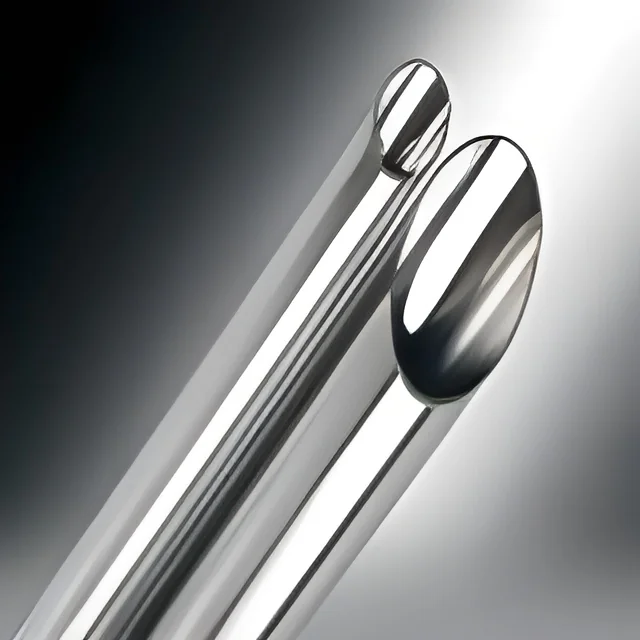
ALLOY 304L (UNS S30403, WNR 1.4306) represents a low-carbon variation of the widely used 18-8 austenitic stainless steel family, engineered to deliver exceptional performance in demanding industrial environments. The minimized carbon content, capped at 0.03% maximum, significantly enhances weldability by reducing carbide precipitation risks during extensive welding operations. This alloy maintains excellent resistance to various atmospheric, chemical, and organic corrosives while offering superior formability and cleaning properties. Its reliable performance across diverse temperature conditions, including cryogenic environments, combined with an excellent strength-to-weight ratio, establishes it as a versatile solution for applications where durability and longevity are critical requirements for operational success.

This stainless steel grade serves multiple industries with its robust mechanical and chemical properties. In nuclear and conventional power generation sectors, it functio...
ALLOY 304L (UNS S30403, WNR 1.4306) represents a low-carbon variation of the widely used 18-8 austenitic stainless steel family, engineered to deliver exceptional performance in demanding industrial environments. The minimized carbon content, capped at 0.03% maximum, significantly enhances weldability by reducing carbide precipitation risks during extensive welding operations. This alloy maintains excellent resistance to various atmospheric, chemical, and organic corrosives while offering superior formability and cleaning properties. Its reliable performance across diverse temperature conditions, including cryogenic environments, combined with an excellent strength-to-weight ratio, establishes it as a versatile solution for applications where durability and longevity are critical requirements for operational success.

This stainless steel grade serves multiple industries with its robust mechanical and chemical properties. In nuclear and conventional power generation sectors, it functions in critical components such as moisture separator reheaters, feedwater tubes, and stator bars where reliability under high-pressure conditions is non-negotiable. The chemical processing industry utilizes ALLOY 304L for equipment consistently exposed to corrosive media, while pharmaceutical and food processing applications benefit from its cleanability and contamination resistance. General engineering projects, architectural implementations, and textile manufacturing machinery extensively incorporate this material for structural components, mouldings, trim, and processing equipment that demand both aesthetic appeal and functional durability in challenging operational environments.

The inherent value of ALLOY 304L stems from its exceptional reliability and cost-effectiveness throughout the product lifecycle. Superior corrosion resistance minimizes maintenance requirements and extends service life, delivering substantial long-term operational savings. Enhanced weldability typically eliminates the need for post-weld heat treatment, reducing fabrication time and associated costs significantly. Compliance with international standards including ASTM A213, A269, A312, AMS 5566, BS 10216, and NFA specifications guarantees consistent quality and global acceptance, establishing it as a trusted choice for importers, distributors, and wholesalers serving quality-focused clients across industrial sectors who prioritize material performance and supply chain reliability.

Key Features:
- Low carbon content maximum 0.03% ensures superior weldability and minimized carbide precipitation
- Excellent corrosion resistance against atmospheric, chemical, and organic corrosive agents
- High tensile strength minimum 485 MPa and yield strength minimum 170 MPa for structural integrity
- Superior formability and fabrication characteristics enabling complex component manufacturing
- Maintains toughness at cryogenic temperatures and resists oxidation at elevated temperatures

Benefits:
- Reduced maintenance requirements and extended service life through superior corrosion resistance
- Lower fabrication costs via excellent weldability without requiring post-weld heat treatment
- Enhanced structural reliability under high-stress conditions and corrosive environments
- Versatile application across temperature extremes from cryogenic to elevated temperatures
- Global standardization compliance ensures consistent quality and material performance
Specifications
| Additional Information | |
|---|---|
| Country of Origin | India |
Application
ALLOY 304L stainless steel delivers exceptional performance in environments requiring robust corrosion resistance and structural integrity. Its low carbon content prevents carbide precipitation during welding, ensuring long-term durability in chemical processing, pharmaceutical manufacturing, and food production equipment. The material maintains reliability under high stress and corrosive conditions, making it ideal for critical infrastructure projects and heavy-duty industrial machinery that demand consistent performance over extended periods.
This versatile alloy performs reliably across wide temperature ranges including cryogenic conditions, supporting diverse operational requirements in power generation, general engineering, and architectural applications. Its resistance to oxidation and ease of fabrication enable versatile use in nuclear facilities, textile processing equipment, and paper manufacturing machinery. The combination of mechanical strength and corrosion resistance makes it suitable for components exposed to harsh environments while maintaining dimensional stability and aesthetic appeal in architectural implementations.
- Architectural mouldings and structural trim for modern building construction
- Welded components in chemical processing equipment and pharmaceutical manufacturing systems
- Heat exchangers and moisture separator reheaters in power generation facilities
- Feedwater tubes and stator bars in nuclear and conventional power plants
- Processing equipment components for food production requiring corrosion resistance
Trade Details
| Available Stock | In Stock |
| Sample Availability | No |
Payment Terms
| Payment Terms |
|
Company Profile
Lanco Pipes and Fittings, Maharashtra
 Maharashtra, India
Maharashtra, IndiaConstruction•Manufacturer•Trading Company•Importer / Exporter
Factory Details
Factory SizeBelow 1000 sqm
Annual Production Capacity0
Main Markets
North America
Oceania
Northern Europe
South America
Mid East
Southern Europe
Eastern Europe
Eastern Asia
South Asia
Southeast Asia
Western Europe
Africa
Central America
Domestic
Industrial Alloy 304L Stainless Steel For Corrosion Resistance
Industrial Alloy 304L Stainless Steel offers superior corrosion resistance, excellent weldability, and high strength for demanding construction and industrial applications across chemical processing, power generation, and architectural sectors.
Min. Order Quantity: 1 unit
Shipping
Shipping fee and delivery date to be negotiated. Contact supplier now for more details.
Lanco Pipes and Fittings
 Maharashtra, India
Maharashtra, IndiaConstructionManufacturer