IN
IN₹
Apparel & Fashion
Loading subcategories...
View More
Description
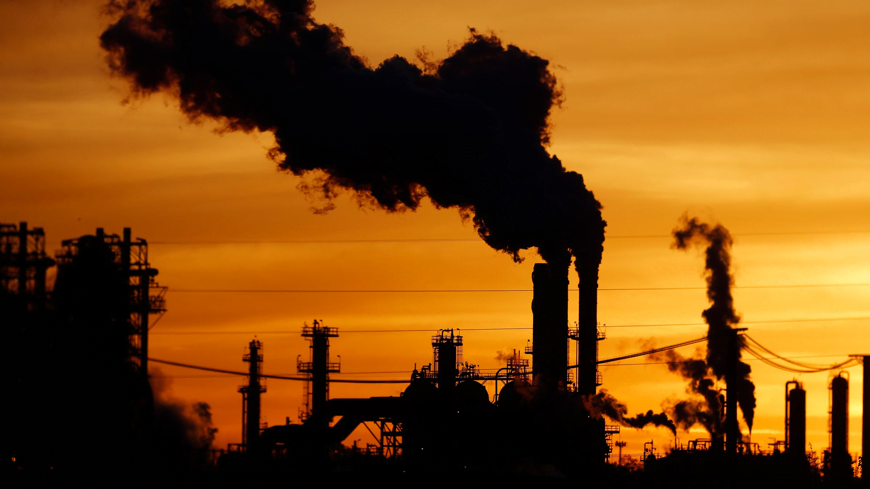
Air quality models use mathematical and numerical simulations to analyze the physical and chemical processes that influence the movement and transformation of air pollutants in the atmosphere. These models incorporate meteorological data, emission rates, source characteristics, and stack parameters to predict pollutant dispersion patterns. Air modelling is widely used during environmental clearance processes to assess potential impacts, ensure compliance with ambient air quality standards, and determine suitable pollution control measures.
Specifications
| Attribute | Value |
|---|---|
| Air Modelling | Monitoring |
| Emission Assessment | Measurement |
| Pollutant Concentration | Evaluation |
| Additional Information | |
|---|---|
| Customisable | No |
Application
Environmental Clearance Assessment – Evaluates potential air quality impacts of proposed projects and supports regulatory approvals.
Pollution Dispersion Analysis – Predicts the movement and concentration of pollutants released from various emission sources.
Industrial Emission Management – Helps industries design effective pollution control measures and maintain emission standards.
Air Quality Planning – Supports monitoring, forecasting, and management of ambient air quality in urban and industrial areas.
Stack Design & Impact Prediction – Assesses the influence of stack height, emission rates, and source locations on air pollution levels
Company Profile

ABC Techno Labs, Tamil Nadu
 Tamil Nadu, India
Tamil Nadu, India18 yrs
Service Provider
Turn Over
Above ₹10 Crore
Factory Details
Factory Size1000-5000 sqm
Frequently Asked Questions
1
How does Air Modelling help industries?
It helps industries identify pollution impacts, design effective control measures, and maintain compliance with air quality regulations.
2
Where is Air Modelling used?
It is used in industries, environmental impact assessments, urban planning, pollution control studies, and regulatory approval processes.
3
What data is required for Air Modelling?
Air modelling uses emission data, meteorological information, source characteristics, stack height, and pollutant details.
4
Why is Air Modelling important?
It helps assess air quality impacts, predict pollutant concentrations, and ensure compliance with environmental standards.
Air Modelling
Air Modelling is a scientific technique used to predict and analyze the dispersion of air pollutants from various sources. It uses emission data, meteorological conditions, and atmospheric parameters to assess air quality impacts, estimate pollutant concentrations, and support environmental planning and regulatory compliance.
Min. Order Quantity: 1000 sqft
Shipping
Shipping fee and delivery date to be negotiated. Contact supplier now for more details.
ABC Techno Labs
 Tamil Nadu, India
Tamil Nadu, IndiaService Provider