IN
IN₹
Apparel & Fashion
Description
Whytheat A and K represent high-performance refractory castables specifically engineered for severe industrial thermal applications. These premium castables are available in two distinct formulations: Whytheat A features exceptional alumina content exceeding 90%, while Whytheat K maintains a robust 60% alumina composition. Both products utilize highly pure CAL-AL-75 high alumina refractory binder, ensuring superior structural integrity and consistent performance under extreme conditions. Characterized by remarkably low silica and iron content, these castables minimize potential contamination while enhancing resistance to corrosive process gases. Safely packaged in 50kg HDPE bags, these products offer reliable shelf life of 6 to 9 months under ideal storage conditions, providing essential flexibility for procurement planning and project execution. Their specialized formulation addresses the most demanding thermal and chemical challenges, establishing them as dependable solutions for cri...
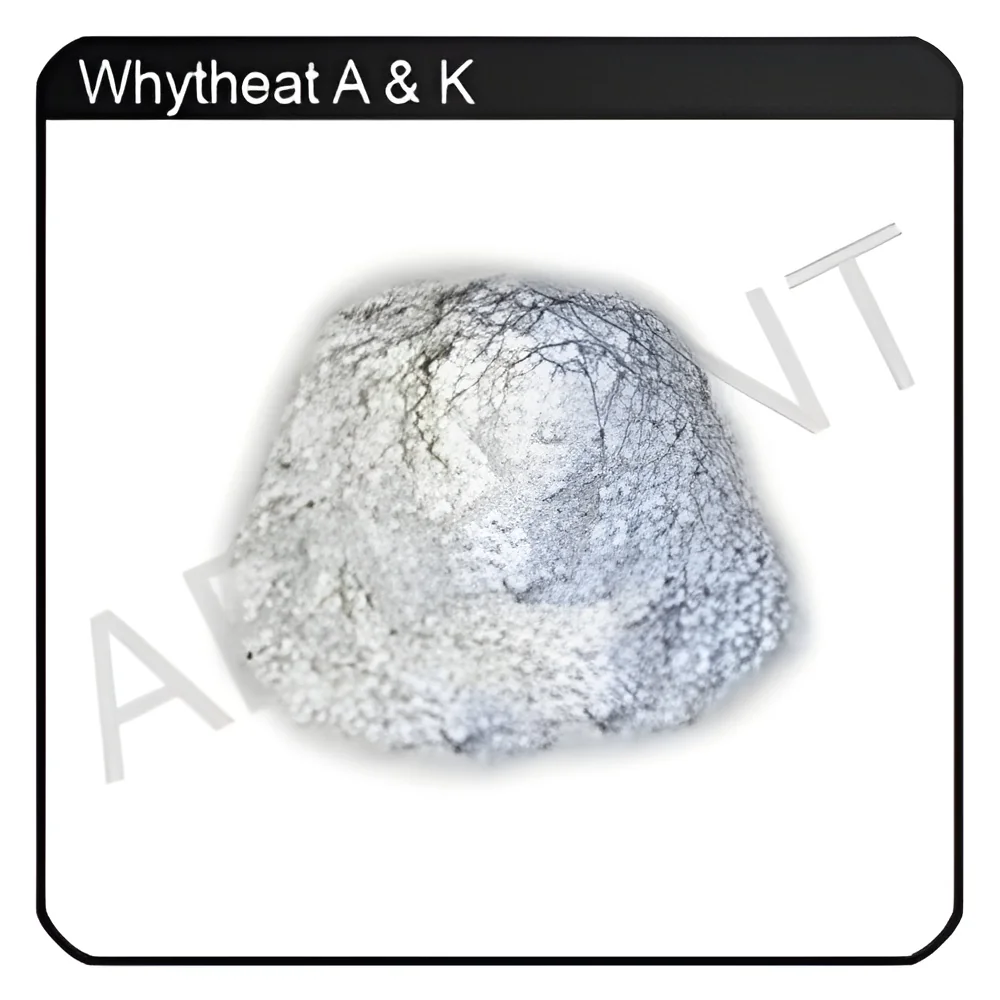
Whytheat A and K represent high-performance refractory castables specifically engineered for severe industrial thermal applications. These premium castables are available in two distinct formulations: Whytheat A features exceptional alumina content exceeding 90%, while Whytheat K maintains a robust 60% alumina composition. Both products utilize highly pure CAL-AL-75 high alumina refractory binder, ensuring superior structural integrity and consistent performance under extreme conditions. Characterized by remarkably low silica and iron content, these castables minimize potential contamination while enhancing resistance to corrosive process gases. Safely packaged in 50kg HDPE bags, these products offer reliable shelf life of 6 to 9 months under ideal storage conditions, providing essential flexibility for procurement planning and project execution. Their specialized formulation addresses the most demanding thermal and chemical challenges, establishing them as dependable solutions for critical high-temperature infrastructure across multiple industries.

These advanced refractory castables serve diverse heavy industries operating under intense heat and corrosive atmospheres. Whytheat A finds extensive application in the iron and steel sector for lining blast furnaces and constructing critical components including skew backs, ports, and roofs in arc-melting furnaces. Within the non-ferrous metal industry, it serves as the preferred material for lining reverberatory furnaces utilized in high-purity aluminum production. The petrochemical and fertilizer industries depend on its exceptional resistance to carbon monoxide, hydrogen, and ammonia for lining reactors and vital process equipment. Whytheat K establishes its strong presence in foundries for various furnace linings, the boiler industry for stoker arches, and numerous applications involving reducing atmospheres. It also commonly serves in constructing soak pit covers, forge furnaces, tunnel kilns, heat treatment furnace car tops, and electro-phosphorus furnaces, demonstrating remarkable versatility across industrial applications.

The business value of selecting Whytheat A and K lies in their proven reliability, extended service life, and significant reduction in costly operational downtime. These castables are engineered to endure service temperatures reaching 1750°C for Grade A and 1600°C for Grade K, delivering long-lasting performance that minimizes repair frequency and replacement cycles. Their unique formulation provides superior resistance to thermal shock and chemical corrosion, directly translating to enhanced operational safety and improved process efficiency. For industrial suppliers, offering these products means providing clients with top-tier solutions trusted across global industries. The commitment to quality and performance fosters strong, long-term business relationships built on trust and demonstrated results, creating substantial value for both suppliers and end-users through reduced maintenance costs and increased operational reliability.

Key Features:
- Two distinct formulations: Whytheat A with over 90% alumina and Whytheat K with 60% alumina content
- Bonded with high-purity CAL-AL-75 high alumina refractory binder for enhanced structural integrity
- Exceptionally low silica and iron content to prevent contamination and improve chemical resistance
- Capable of withstanding extreme service temperatures: up to 1750°C for Grade A and 1600°C for Grade K
- High resistance to corrosive reducing atmospheres including carbon monoxide and hydrogen gases

Benefits:
- Extended service life reduces frequency of repairs and replacements, lowering long-term costs
- Superior thermal shock resistance maintains structural integrity during rapid temperature changes
- Enhanced operational safety through reliable performance in extreme temperature conditions
- Reduced contamination risk in sensitive processes due to low silica and iron content
- Improved process efficiency through consistent performance in aggressive chemical environments
Specifications
| Additional Information | |
|---|---|
| Country of Origin | India |
Application
Whytheat A and K castables are engineered for demanding high-temperature environments where standard refractories fail. Whytheat A, with over 90% alumina, excels in extreme conditions up to 1750°C, offering superior resistance to reducing atmospheres like hydrogen and carbon monoxide. It is the preferred choice for critical linings in gasification plants, coke ovens, and high-purity metal production where minimal contamination and maximum performance in aggressive chemical environments are essential.
Whytheat K, with 60% alumina, provides reliable performance for applications up to 1600°C. This grade serves as a cost-effective solution for areas requiring good resistance to carbon monoxide attack and thermal shock. It is widely implemented in foundries, boiler stoker arches, and various heat treatment furnaces. Both grades are packaged in durable 50kg HDPE bags for optimal protection and maintain a shelf life of 6-9 months when stored under proper conditions.
- Lining blast furnaces, arc-melting furnace roofs, and ports in iron and steel production facilities
- Constructing linings for reverberatory furnaces in non-ferrous metal production, particularly for high-purity aluminum
- Protecting reactors in refineries and fertilizer plants from corrosive gases including ammonia, hydrogen, and carbon monoxide
- Building linings for preheaters, converters, and high-temperature transfer lines across process industries
- Fabricating soak pit covers, forge furnaces, tunnel kilns, and heat treatment furnace car tops in manufacturing operations
Trade Details
| Available Stock | In Stock |
| Sample Availability | No |
Payment Terms
| Payment Terms |
|
Company Profile
Arihant Enterprise, Maharashtra
 Maharashtra, India
Maharashtra, IndiaManufacturer•Distributor / Wholesaler•Importer / Exporter
Factory Details
Factory SizeBelow 1000 sqm
Annual Production Capacity0
Main Markets
South Asia
Southeast Asia
Domestic
High Alumina Refractory Castables Whytheat A & K For Extreme Heat Up To 1750C
Whytheat A & K high alumina refractory castables withstand extreme heat up to 1750°C with low silica/iron content. Ideal for steel, non-ferrous, gasification and boiler industries requiring CO/H2 atmosphere resistance.
Min. Order Quantity: 1 unit
Shipping
Shipping fee and delivery date to be negotiated. Contact supplier now for more details.
Arihant Enterprise
 Maharashtra, India
Maharashtra, IndiaManufacturer