IN
IN₹
Apparel & Fashion
Description
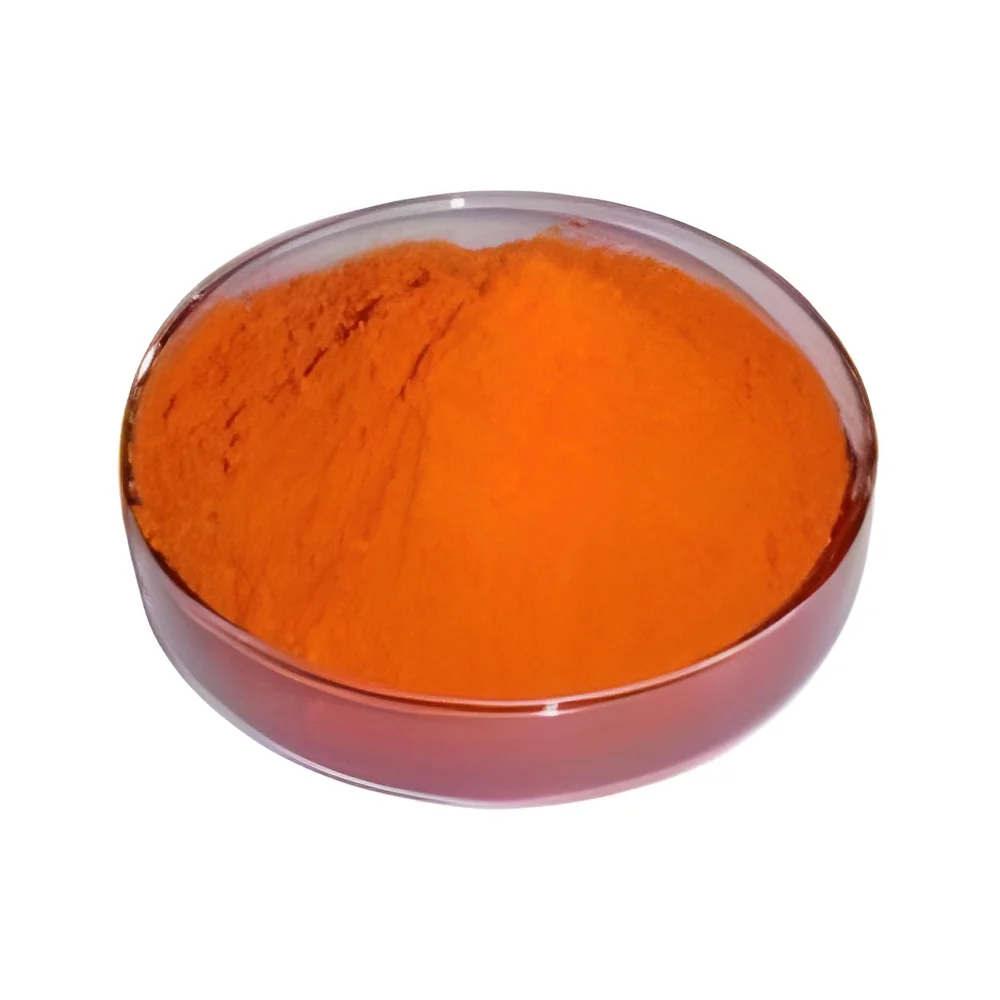
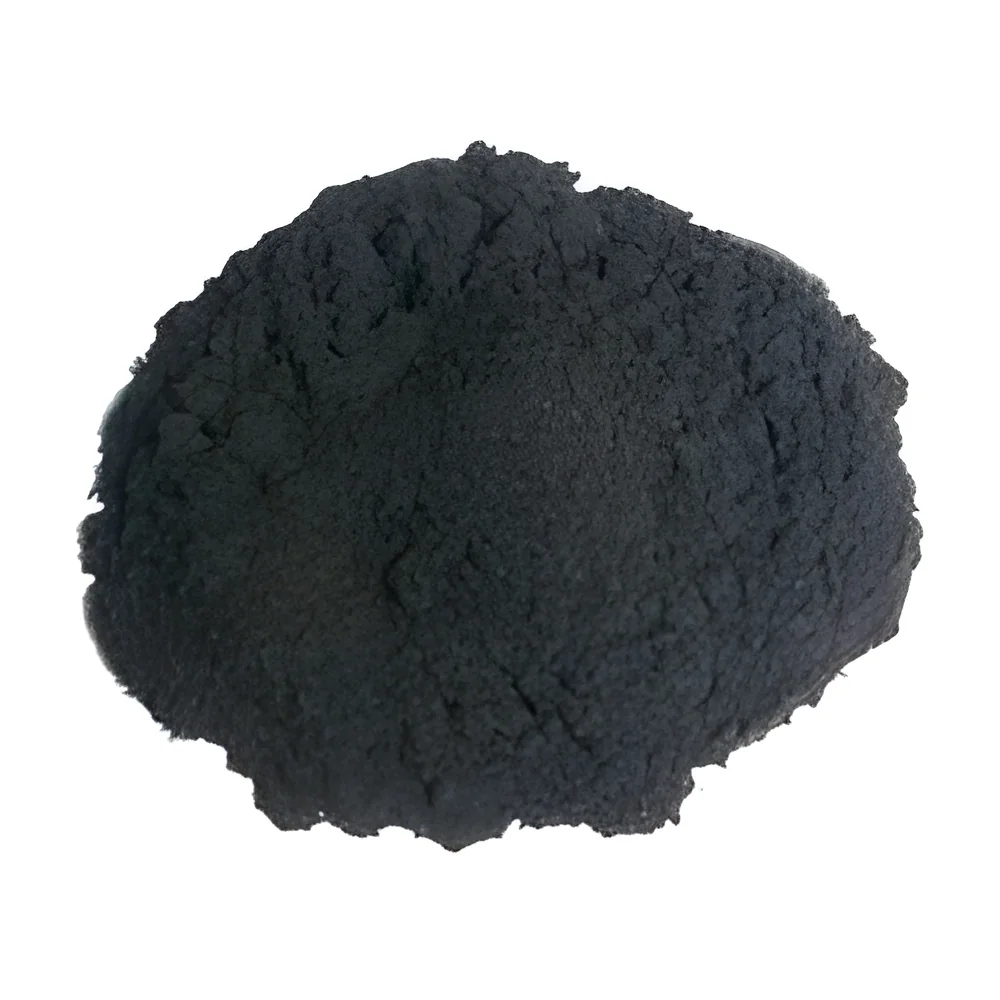
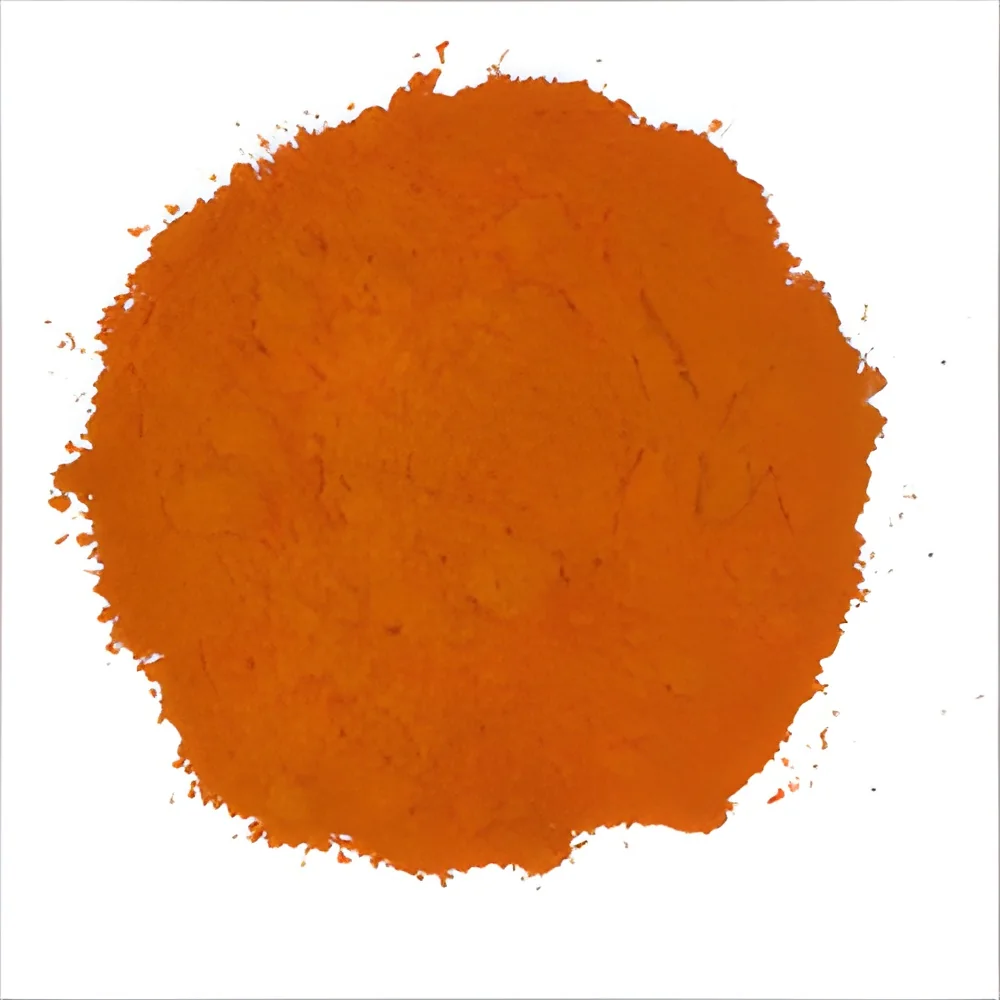
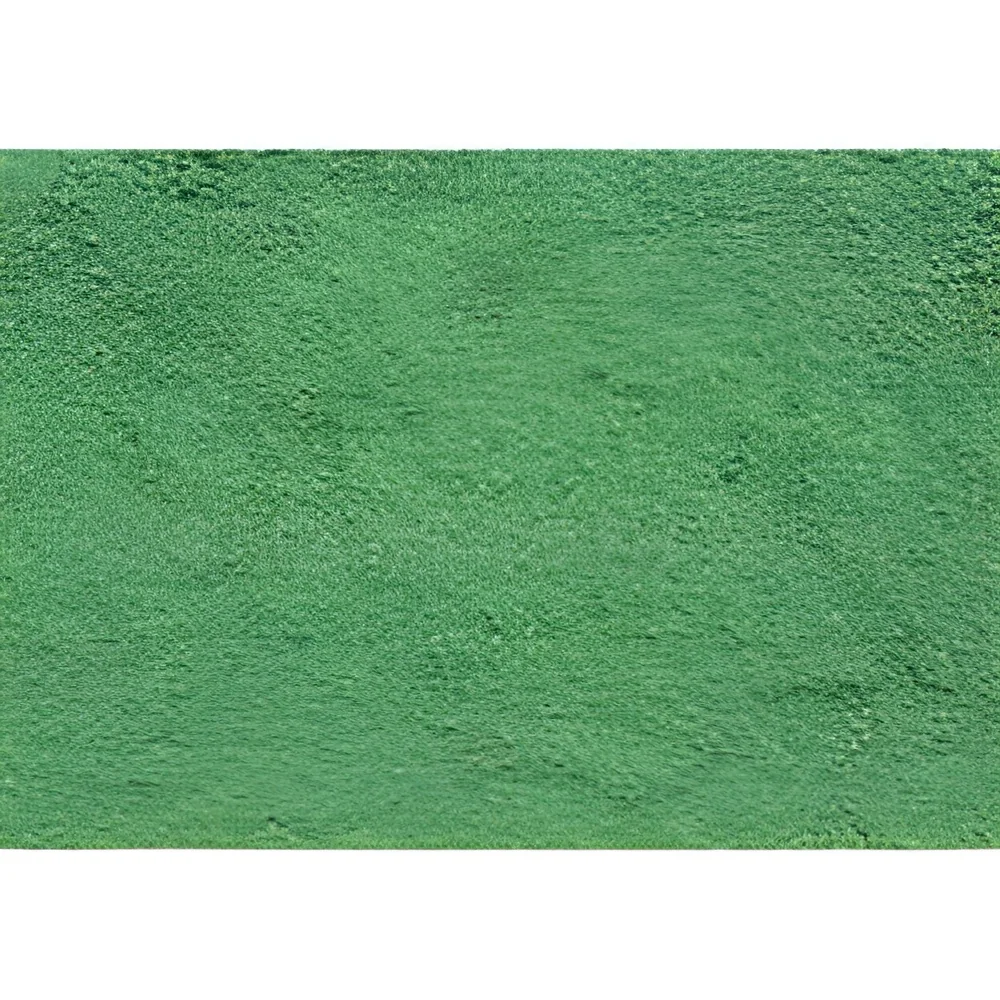
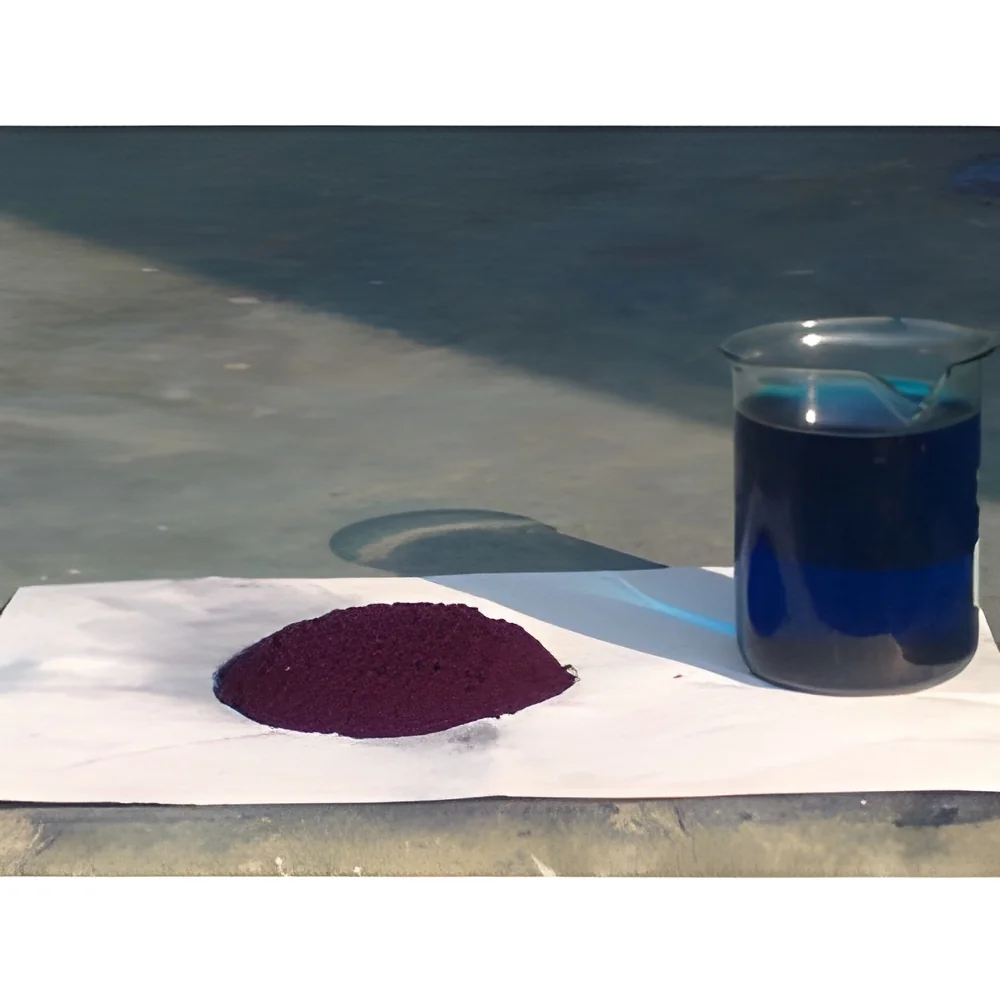
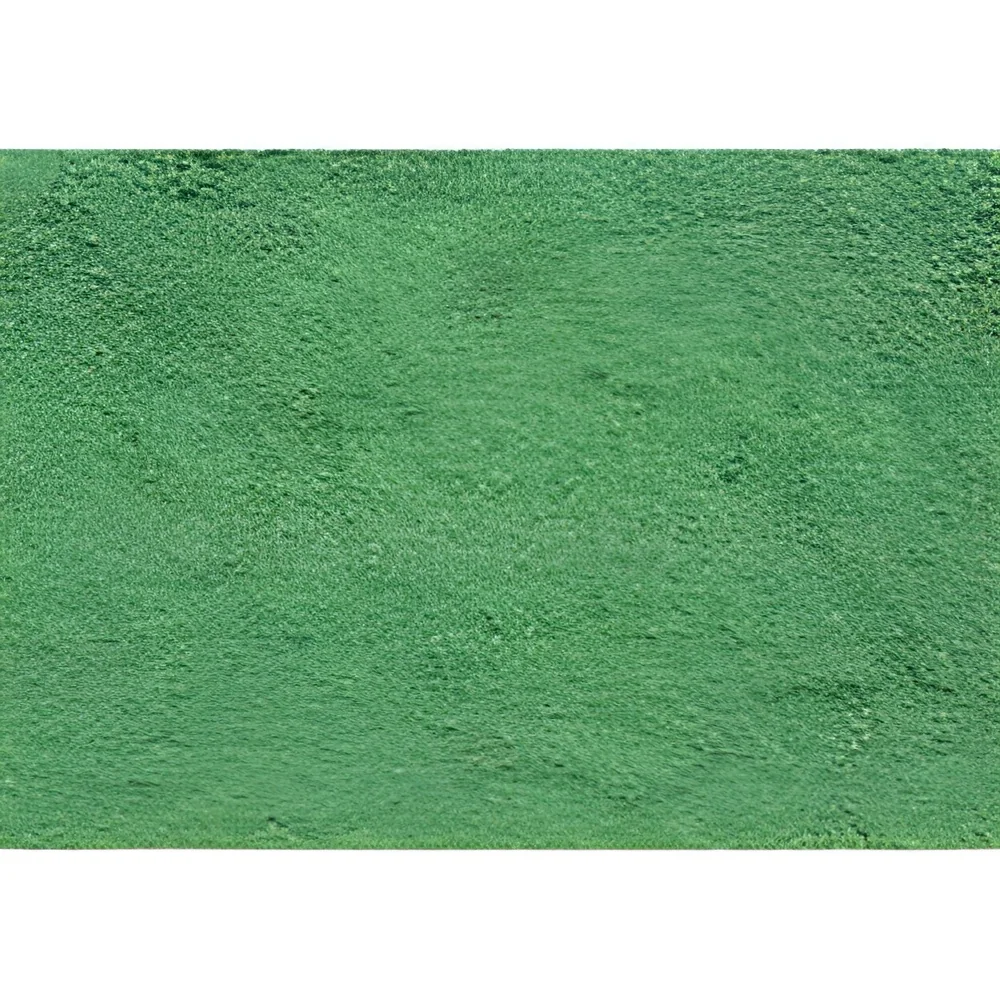
Industrial Acid Green III Dyes represent high-performance synthetic coloring solutions engineered for demanding manufacturing applications requiring vivid green coloration. With established reliability in industrial settings, these dyes feature excellent solubility, thermal stability, and batch-to-batch consistency. They are particularly valued in sectors where color fastness, brightness, and processing reliability are critical success factors. The product demonstrates superior performance with both natural and synthetic materials including various textiles, leather goods, and paper products. Its advanced chemical formulation ensures even dye distribution and exceptional resistance to fading, making it the preferred choice for manufacturers seeking durable, long-lasting coloration results that withstand rigorous use and environmental exposure.

Multiple industries rely on Acid Green III Dyes for their coloring requirements, with textiles, leather processing, paper manufacturing, and sc...
Industrial Acid Green III Dyes represent high-performance synthetic coloring solutions engineered for demanding manufacturing applications requiring vivid green coloration. With established reliability in industrial settings, these dyes feature excellent solubility, thermal stability, and batch-to-batch consistency. They are particularly valued in sectors where color fastness, brightness, and processing reliability are critical success factors. The product demonstrates superior performance with both natural and synthetic materials including various textiles, leather goods, and paper products. Its advanced chemical formulation ensures even dye distribution and exceptional resistance to fading, making it the preferred choice for manufacturers seeking durable, long-lasting coloration results that withstand rigorous use and environmental exposure.

Multiple industries rely on Acid Green III Dyes for their coloring requirements, with textiles, leather processing, paper manufacturing, and scientific research being primary users. In textile applications, these dyes are applied to wool, silk, and nylon for apparel, upholstery fabrics, and technical textiles. Leather manufacturers utilize them for footwear, bags, and accessories where color durability and aesthetic appeal are essential market differentiators. The paper industry employs these dyes for diverse products ranging from premium stationery to packaging materials. Additionally, research laboratories incorporate Acid Green III in biological staining procedures for microscopy and diagnostic applications, demonstrating the product's versatility across commercial and scientific domains.

Manufacturing businesses benefit significantly from the operational reliability and processing efficiency of Acid Green III Dyes, which contribute to reduced production waste and guaranteed output consistency. The dyes' precision formulation minimizes batch variations, supporting repeat orders and strengthening long-term supplier relationships. Their compatibility with both automated and manual dyeing processes provides operational flexibility across different production scales. By incorporating this product into their manufacturing processes, companies enhance their finished products' visual appeal and durability, leading to increased customer satisfaction and market competitiveness. The consistent performance characteristics ensure manufacturers can meet stringent quality standards while optimizing their production workflows for maximum efficiency and cost-effectiveness.

Key Features:
- High solubility for seamless integration into various industrial dyeing processes
- Superior color fastness ensuring long-lasting vibrancy and fade resistance
- Broad material compatibility with textiles, leather, paper, and synthetic fibers
- Stable performance across diverse pH levels and temperature conditions
- Consistent batch-to-batch quality for reliable manufacturing outcomes

Benefits:
- Reduced production waste through precise coloration and even distribution
- Enhanced product durability with colors that withstand wear and environmental factors
- Operational flexibility across different manufacturing scales and processes
- Consistent quality supporting repeat business and supply chain reliability
- Improved end-product market appeal through vibrant, lasting coloration
Specifications
| Additional Information | |
|---|---|
| Country of Origin | India |
Application
Acid Green III Dyes are extensively used in textile manufacturing for dyeing wool, silk, and nylon fabrics, delivering excellent color fastness and brightness. These dyes are equally effective in leather finishing and paper coloring applications, ensuring uniform results across different materials. Their versatility supports both large-scale industrial operations and specialized manufacturing requirements across multiple sectors.
Beyond traditional applications, these dyes serve critical functions in scientific research, biological staining, and educational demonstrations. Industries value their stability under varying pH conditions and compatibility with modern dyeing equipment. This adaptability ensures Acid Green III Dyes meet the evolving needs of diverse manufacturing processes while maintaining consistent performance standards across different production environments.
- Textile manufacturing for dyeing wool, silk, and synthetic fabrics with vibrant green shades
- Leather processing for durable and attractive finishes on footwear and accessories
- Paper production for coloring stationery, packaging materials, and decorative papers
- Biological and histological staining in laboratory settings for microscopic analysis
- Specialty ink formulation for printing and packaging applications requiring high visibility
Trade Details
| Available Stock | In Stock |
| Sample Availability | No |
Payment Terms
| Payment Terms |
|
Company Profile

Bhagvandas Maganlal Shah, West Bengal
 West Bengal, India
West Bengal, IndiaRaw Materials & Chemicals•Manufacturer•Distributor / Wholesaler•Importer / Exporter
Factory Details
Factory SizeBelow 1000 sqm
Annual Production Capacity0
Industrial Acid Green III Dyes For Textile Leather Paper
Industrial Acid Green III Dyes deliver vibrant, reliable coloration for textile, leather, and paper manufacturing. Trusted for consistent quality and superior performance in demanding industrial applications.
Min. Order Quantity: 1 unit
Shipping
Shipping fee and delivery date to be negotiated. Contact supplier now for more details.
Bhagvandas Maganlal Shah
 West Bengal, India
West Bengal, IndiaRaw Materials & ChemicalsManufacturer